
🫙 Charleston Nemagreen Southern Pea
What it looks like
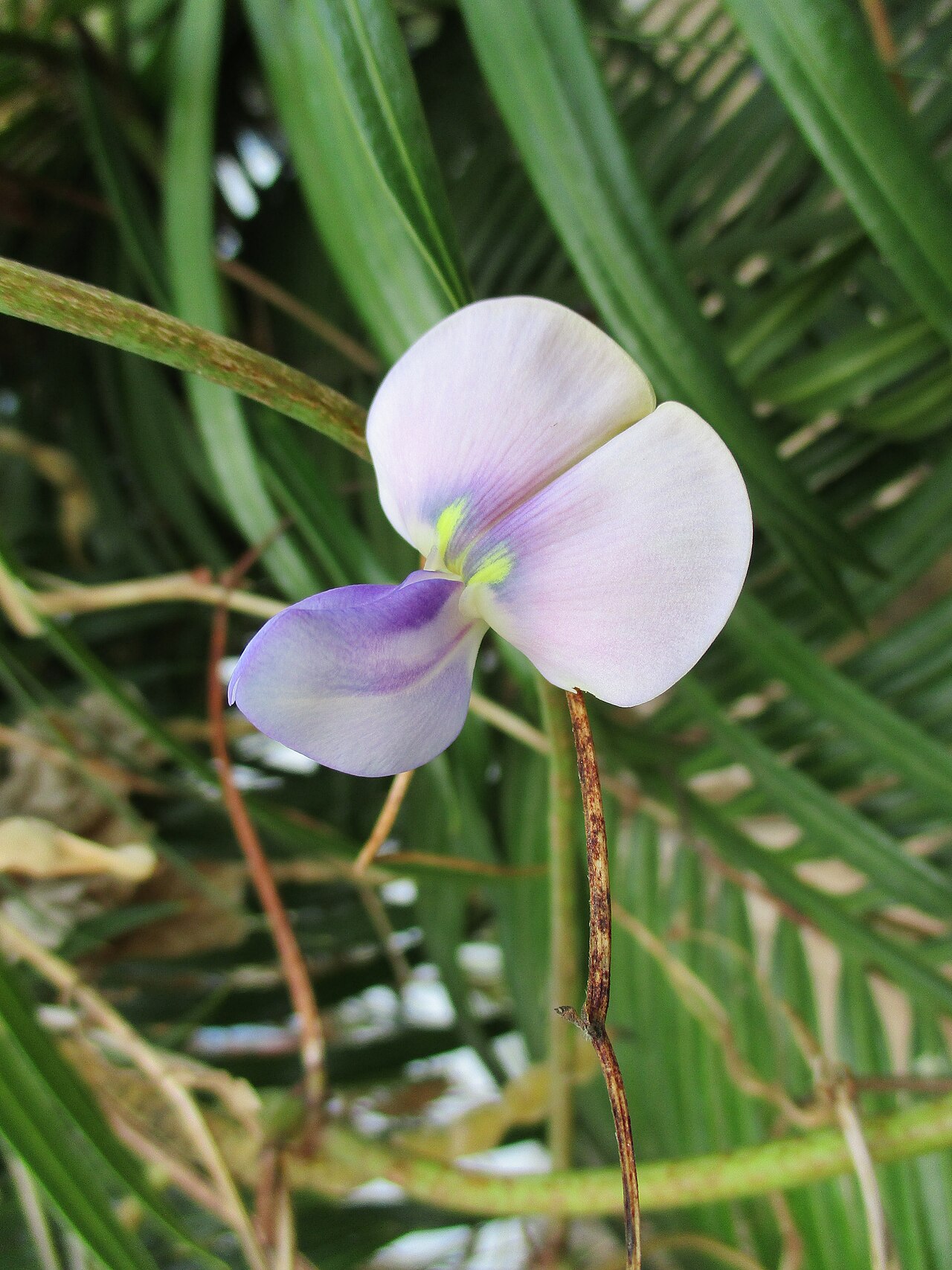
No verified photo of ‘Charleston Nemagreen Southern Pea’ itself was found, so the pictures below show the species — the same plant, photographed generally.


Why this variety
Charleston Nemagreen was bred for a very Florida problem: root-knot nematodes, the microscopic worms that knot up roots in sandy soil and stunt everything from tomatoes to beans. Released from the USDA vegetable laboratory in Charleston, South Carolina, this Southern pea carries real resistance to root-knot nematodes — and it is a good pea in its own right, not just a resistant one.
The peas are green and stay green when cooked, which is the variety’s other claim to fame: most Southern peas fade or darken in the pot, but Nemagreen holds its color, so the cooked dish looks as fresh as it tastes. On a compact bush, with a 70-day maturity, it fits Florida’s long warm season easily and can even serve as a soil-improving rotation crop in beds where nematodes have been trouble.
If you have not grown the species before, start with the Southern Pea growing guide for the general picture, then come back here for what makes this variety different.
How to grow
Direct-sow Charleston Nemagreen about an inch deep, 2-4 inches apart in rows 24-36 inches apart, once soil is warm — Southern peas want warm soil, at least 65°F, and they sulk in cold, wet ground. In Florida, sow from spring through late summer; Southern peas are the summer legume, thriving in heat that ends garden peas and stresses snap beans.
Keep the bed evenly moist until emergence (usually under a week in warm soil) and mulch once plants are up. As a rotation crop for nematode-worn beds, plant Nemagreen where susceptible crops struggled last season — the resistance helps the pea, and the pea’s nitrogen fixation helps the soil. Inoculating seed with cowpea-type rhizobium helps in new beds, though most Southern soils already carry it.
Water & feeding
About an inch a week, with steady water during flowering and pod-fill. Southern peas are famously drought-tough once established, but drought during pod-fill still costs you peas — tough does not mean indifferent. Like all legumes, Nemagreen fixes its own nitrogen, so skip nitrogen fertilizer; worm castings worked in before planting supply phosphorus and micronutrients.
Common problems
[‘Cowpea curculio — a weevil that scars pods — is the main Southern pea pest in Florida; pick infested pods promptly and rotate beds. Aphids can spread viruses, so a strong jet of water at the first sign keeps small problems small. Root-knot nematodes are what this variety resists, but resistance is not immunity — rotate crops anyway and keep adding organic matter, which is the long game against nematodes.’]
Harvest
Pick Charleston Nemagreen pods when plump and the peas inside are full-sized but still green and tender, then shell fresh — the stay-green trait shines in a simple simmer with salt and butter. For dry peas, leave pods on the plant until dry and rattling. Pick regularly: loaded plants slow down, and Southern peas produce best when picked often.
Saving seeds
Charleston Nemagreen is a bred southern pea, so it comes true from seed — save seed from your best pods and let them dry fully before storing. The full method is in the Saving seeds section of the Southern Pea guide.