
🫘 Southern Pea
What it looks like

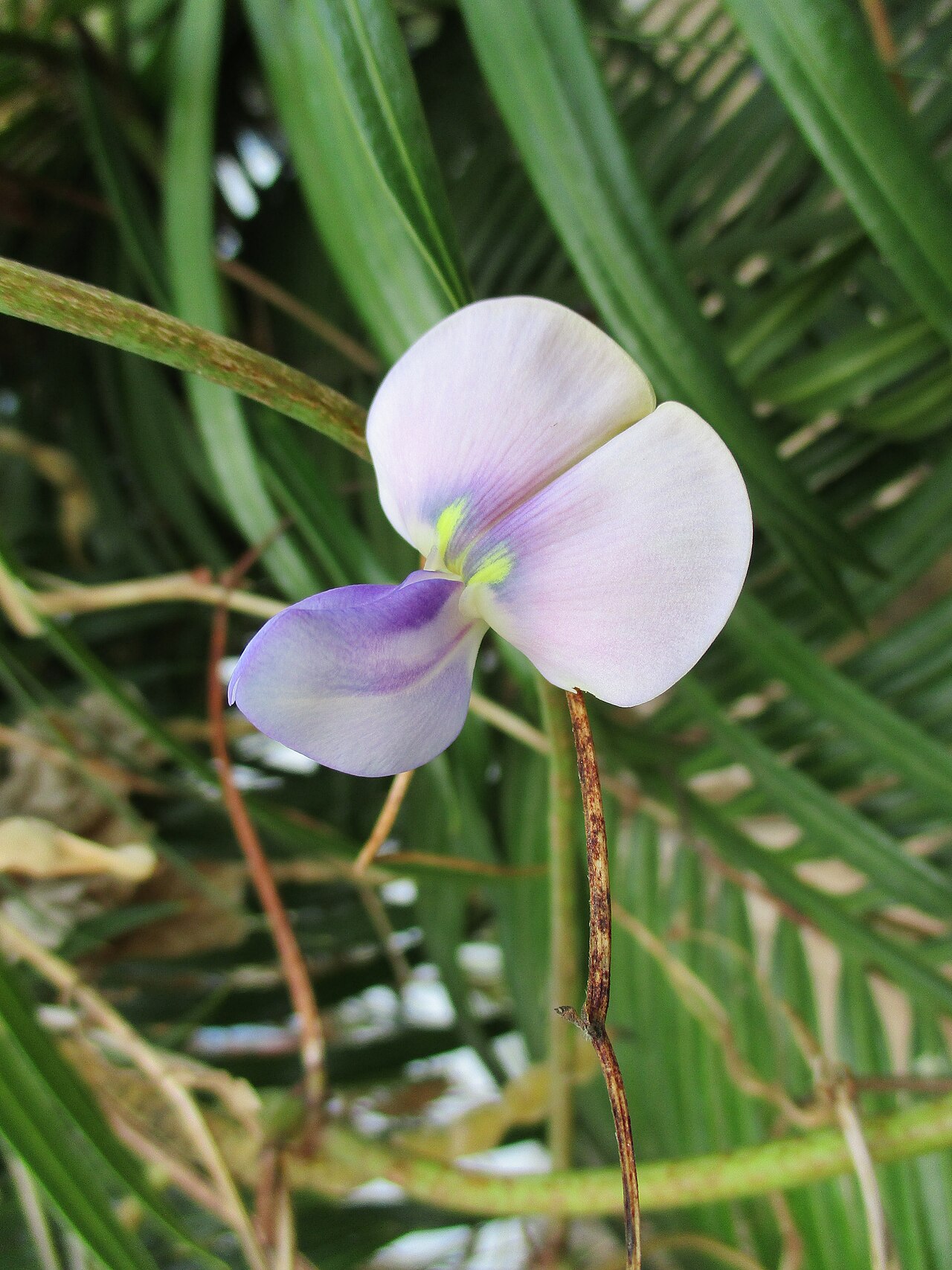

How to grow
Southern peas are not peas at all in the garden-pea sense — they are cowpeas, a different genus (Vigna) from the peas of spring gardens, and they take over exactly when those peas give up: in summer heat. Black-eyed peas are the famous type; crowder peas (seeds packed tight in the pod) and cream peas are the same species with different seeds.
Direct-sow 1 inch deep after soil is warm (65°F or more) and all frost danger is past. Bush types stay compact; vining types run and need a fence or trellis, or simply room to sprawl. Southern peas tolerate poor soil and drought better than most vegetables — they are the crop for the bed that defeats everything else — but they still yield best with decent soil and steady water.
Like all legumes, they fix nitrogen through root nodules, so they need no nitrogen fertilizer and leave the bed richer for the next crop. In new beds, cowpea inoculant helps; in old garden soil, skip it.
Water & feeding
About 1 inch a week is ideal, but southern peas forgive drought better than snap beans do — pods still fill, just smaller. Work worm castings into the bed at planting; castings carry a low burn risk and add the phosphorus and micronutrients that support pod-fill without a nitrogen surge. Mulch to keep soil cool and pods clean.
Common problems
- Cowpea curculio (grubs in pods, worst in the Southeast): pick infested pods promptly and destroy them; rotate beds.
- Aphids on new growth: blast with water; heavy infestations can spread viruses, so don’t ignore them.
- Root-knot nematodes in sandy southern soil: rotate with non-host crops and add organic matter generously.
- Poor germination in cold soil: wait for warm soil — southern peas planted early just sit and rot.
Harvest
Pick as snap peas when pods are young and tender, as fresh-shelled peas when seeds bulge but pods are still green, or as dry peas when pods are fully dry on the plant. The New Year’s tradition of black-eyed peas for luck is real Southern culture, but the practical version is simpler: fresh-shelled southern peas, cooked with a little pork or smoked seasoning and served over rice, are one of the great American farm meals.
Browse all plant & pest guides
Saving seeds
Southern peas are easy seed — one of the easiest in the whole garden. Let a few pods ripen on the vine until they are dry and brown and the peas rattle inside, then shell them out and dry them thoroughly before storing. No cold treatment, no scarifying, no fuss: sow in warm soil — 70 to 85°F — about an inch deep, and germination usually comes in a week. Cold soil rots the seed, so wait until the soil is truly warm.
Save from the best plants — the most productive, the earliest, the ones that kept bearing through the heat — and let the weak ones go to the compost instead of to seed. A single plant makes dozens of pods, and one pod is enough seed for a whole row next year.
Southern peas cross with other cowpeas and with yardlong beans, so grow only one Vigna type for seed at a time, or accept the hybrids. Seed keeps two to three years in a cool, dry jar, and germination stays good if it is kept dry. A jar of last year’s peas is next year’s dinner, which is the whole point.
In Florida, southern peas are a summer staple — they love the heat and humidity, fix their own nitrogen, and bear through the hottest months when other beans give up. Sow in succession from spring through summer, pick the eating peas young and tender, and let the last planting go to dry pods for seed.
Varieties
Every named variety of Southern Pea with its own growing guide:
- California Blackeye Cowpea — Not a true bean at all — a southern pea that takes over exactly when snap beans quit: bushy, heat-proof, and generous with the peas that built Southern cooking.
- Pinkeye Purple Hull Southern Pea — The Southern classic: purple pods held high, pale peas with a pink eye, on a bush that needs no staking.
- Mississippi Silver Southern Pea — The big crowder pea with silver pods and a resistance package built for Southern soil.
- Texas Cream 40 Southern Pea — The mild cream pea from a Texas breeding program — small, creamy, and famously easy on the cook.
- Zipper Cream Southern Pea — The cream crowder that unzips: a string in the pod makes shelling almost embarrassingly easy.
- White Acre Southern Pea — The big bush cream pea that bears for a long time and feeds a crowd from a short row.
- Lady Southern Pea — The tiny, delicate cream pea — small seeds, fine skins, and the finest flavor of the family.
- Charleston Nemagreen Southern Pea — The nematode-fighting Southern pea: green peas that stay green, on a bush bred for the sandy, pest-worn South.
- Mississippi Purple Southern Pea — The purple-podded Southern pea: long purple hulls, pink-eyed peas, and a vine that laughs at summer.
- Colossus Crowder Southern Pea — The crowder pea that earns its name: huge, crowded peas in long pods — the Southern pea for feeding a crowd.
- Big Red Ripper Southern Pea — The rambling Southern pea for tough ground: vigorous vines, red-speckled crowders, and a shrug at heat and drought.
- Knuckle Purple Hull Southern Pea — The compact purple-hull pea: short, sturdy plants, purple pods, and pinkeye peas — a small plant with a big harvest.