
🫘 Lady Southern Pea
What it looks like

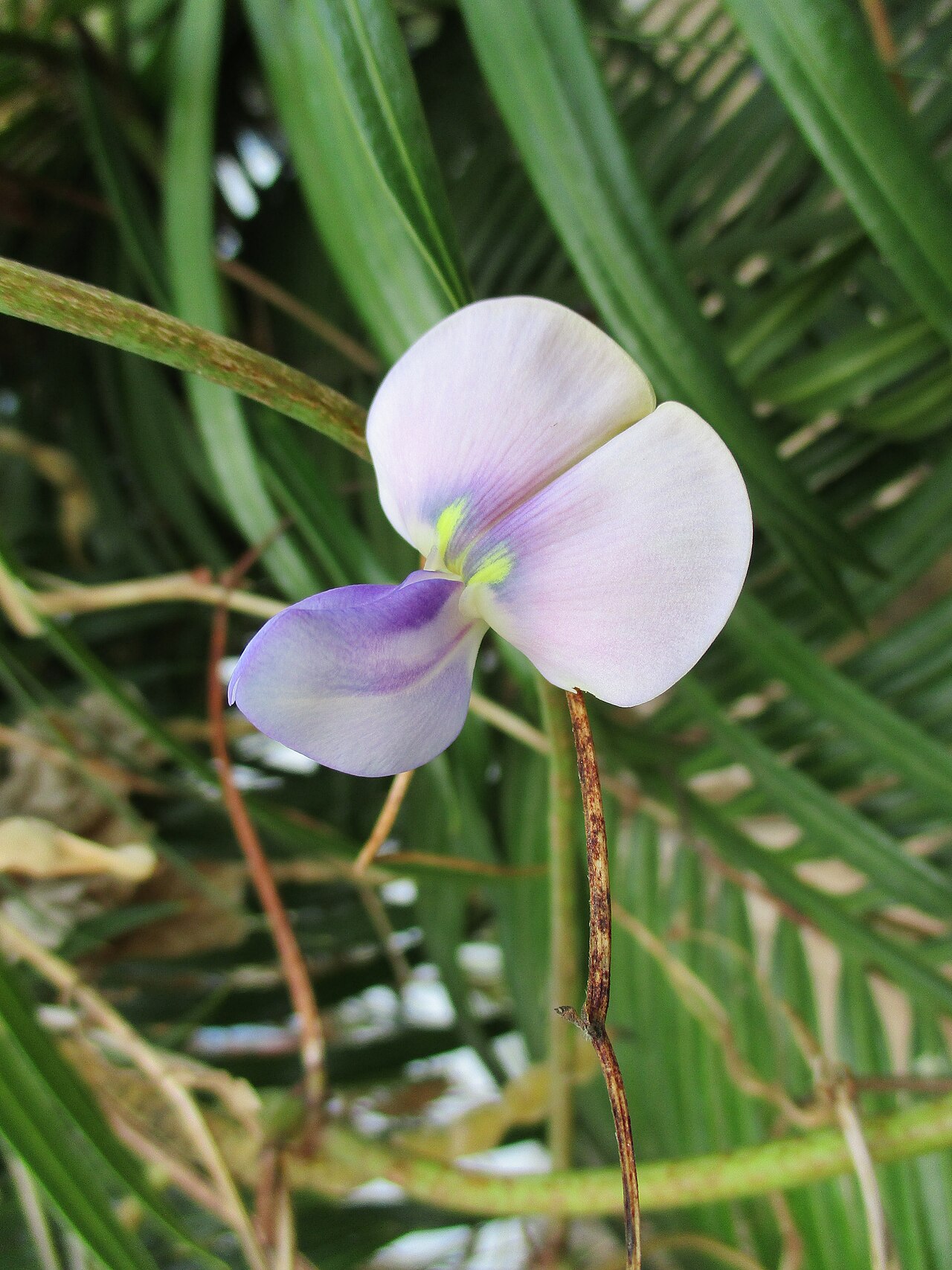

Why this variety
Lady — also sold as Lady Finger — is the southern pea connoisseurs whisper about: a bush plant that makes heavy yields of tiny, creamy-white peas with delicate skins and a fine-grained texture that larger peas cannot match. Seed houses list it at about 60 days, heat-tolerant and excellent fresh, frozen, or dried, and old pea writings note that Lady peas were prized for culinary excellence while other cowpeas were valued mostly as forage. Small peas, big reputation, and a flavor that explains why this variety has been passed along since the early 1800s.
The eating quality is the whole point, and it is worth describing plainly: Lady peas cook up creamy and delicate, with thin skins that do not fight back and a mild, refined flavor that makes them the pea to serve simply — butter, salt, maybe a little fresh herb — rather than burying under strong seasoning. Because the peas are small, they cook quickly and evenly, and because the plants yield heavily, a short row still fills bowls. If Pinkeye Purple Hull is the crowd-pleaser and Mississippi Silver the workhorse, Lady is the gourmet: smaller, subtler, and the one you plant when you already know you love southern peas.
If you are new to choosing between cultivars, the Varieties Matter guide explains why the name after the plant matters as much as the plant itself. And if you want the whole clan at a glance, the broader Southern Pea guide covers southern peas generally.
How to grow
Southern peas are the crop that laughs at a Florida summer while everything else files a complaint — they want heat, they tolerate poor sandy soil, and they fix their own nitrogen while they are at it. Sow directly once the soil is warm, well past any frost danger, and keep sowing successions through summer for a long picking season. They are not peas in the garden-pea sense at all: they are tropical beans, cousins of the black-eyed pea, and they treat a hot, humid garden the way a beachgoer treats a heat wave, as the entire point. Give them full sun, decent drainage, and room to bush or sprawl according to type, and they will feed you through the months when cool-season crops have long since given up.
Direct-sow in warm soil, about an inch deep but not deeper — the seeds are very small, so shallow sowing and moist soil matter more than with big-seeded types — spacing plants 4 to 6 inches apart in rows two to three feet apart. Water through bloom and pod-fill, mulch once plants are up, and skip nitrogen fertilizer, because southern peas fix their own. Lady is a bush plant that needs no trellis, and its small seed means you should sow a little thickly and thin to final spacing rather than trusting every seed to emerge exactly where you want it.
Water & feeding
Southern peas are drought-tolerant once established, which is not the same as drought-loving: give them about an inch of water a week while they flower and fill pods, because dry plants drop blossoms and make thin pods. Work worm castings into the bed at sowing, and go easy on nitrogen fertilizer — these plants make their own nitrogen with the help of root bacteria, and extra nitrogen just grows leaves at the expense of peas. Mulch to hold moisture and smother weeds, water at soil level to keep foliage dry, and back off once pods start drying if you are saving dry peas.
Common problems
Cowpea curculio stings pods, so pick promptly and discard damaged pods. Aphids and mosaic virus are the usual above-ground troubles; check young growth and remove virus-hit plants early. Root-knot nematodes stunt plants in sandy soil — rotate and build organic matter rather than planting peas after peas. One specific caution for this variety: if you plan to save dry seed, pick before pods are fully dry, because Lady peas can shatter if left to dry completely on the vine, scattering your seed crop across the bed.
Harvest
Pick fresh when pods are full and peas are plump, shelling the same day for the best flavor, or pick for dry use just before pods fully dry, finishing the drying indoors. Lady peas cook fast — watch the pot, because small peas go from perfect to mush in minutes — and they freeze well after blanching. Save seed from your best plants, picked at the right stage, and you will have next year’s gourmet pea crop for free, which is the oldest gardening bargain there is.
Nerdy fact: Lady peas are sometimes called Lady Finger peas, and their small size is the feature, not a flaw: tiny peas have more skin-to-interior ratio in reverse — thin skins, creamy centers — which is why cooks have prized them for two centuries.
Saving seeds
Lady — also sold as Lady Finger — is the southern pea connoisseurs whisper about, a bush plant that makes heavy yields of tiny, creamy-white peas with delicate skins and a fine-grained texture, passed along since the early 1800s, so saved seed comes true — sow directly once the soil is warm, well past any frost danger, and keep sowing successions through summer for a long picking season. The full method is in the Saving seeds section of the Southern Pea guide.