
🫘 Pinkeye Purple Hull Southern Pea
What it looks like


Why this variety
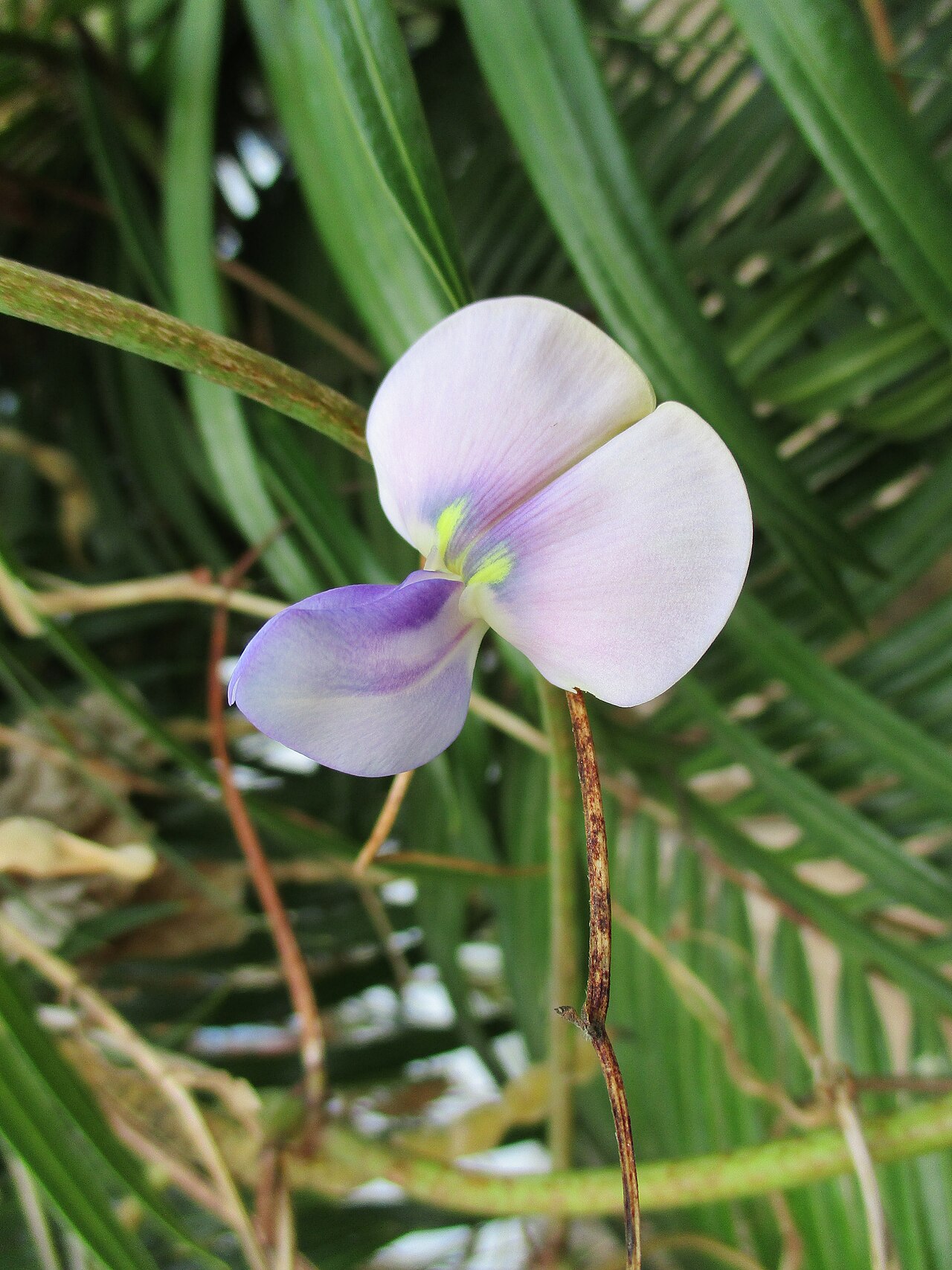
Pinkeye Purple Hull is the southern pea most Southern gardens grow, and the reason is visible from across the yard: rich purple pods held up above the foliage on compact, bushy plants about two feet tall, so you can actually see what you are picking. The peas inside are pale with the trademark pink eye, the flavor is nutty and mild, and the plants need no staking, which makes this the most approachable southern pea on this list for a first planting. It has been a staple for generations because it is dependable in heat, generous in yield, and honest about when it is ready — when the pods turn purple, it is time.
The kitchen case is just as strong. Fresh-shelled pinkeyes cook up tender and creamy, with a flavor that sits happily next to greens and rice and in any pot of peas a Southern cook cares to make, and the same plants give you dry peas if you leave pods to dry on the vine. Because pods sit high on the plant, picking is fast and your back stays happier than it does with sprawling types — a small mercy that adds up across a long summer of picking. This is the variety to plant when you want a lot of peas and very little drama.
If you are new to choosing between cultivars, the Varieties Matter guide explains why the name after the plant matters as much as the plant itself. And if you want the whole clan at a glance, the broader Southern Pea guide covers southern peas generally.
How to grow
Southern peas are the crop that laughs at a Florida summer while everything else files a complaint — they want heat, they tolerate poor sandy soil, and they fix their own nitrogen while they are at it. Sow directly once the soil is warm, well past any frost danger, and keep sowing successions through summer for a long picking season. They are not peas in the garden-pea sense at all: they are tropical beans, cousins of the black-eyed pea, and they treat a hot, humid garden the way a beachgoer treats a heat wave, as the entire point. Give them full sun, decent drainage, and room to bush or sprawl according to type, and they will feed you through the months when cool-season crops have long since given up.
Direct-sow after the soil is warm and frost is done, about an inch deep, 4 to 6 inches apart in rows two to three feet apart, and do not rush it — southern peas sulk in cold soil and reward warm soil with fast germination. Thin if needed, mulch once plants are up, and water through flowering and pod-fill; after that, these plants tolerate dry spells with a shrug. No trellis is required for this bush type, though a low support never hurts in a windy bed, and succession sowings every few weeks keep fresh peas coming all summer.
Water & feeding
Southern peas are drought-tolerant once established, which is not the same as drought-loving: give them about an inch of water a week while they flower and fill pods, because dry plants drop blossoms and make thin pods. Work worm castings into the bed at sowing, and go easy on nitrogen fertilizer — these plants make their own nitrogen with the help of root bacteria, and extra nitrogen just grows leaves at the expense of peas. Mulch to hold moisture and smother weeds, water at soil level to keep foliage dry, and back off once pods start drying if you are saving dry peas.
Common problems
Cowpea curculio is the signature pest: the weevil stings pods and can ruin peas for fresh eating, so pick promptly, destroy damaged pods, and rotate beds. Aphids cluster on young growth and can spread mosaic virus; wash them off early and pull badly virus-hit plants rather than nursing them. Root-knot nematodes can stunt plants in sandy soil — rotation and organic matter help, and this variety’s vigor covers some sins, but not a heavy nematode load. Southern blight and other soil diseases follow wet, crowded conditions, so give plants air and keep mulch off the stems.
Harvest
Pick when pods have turned purple and feel full, shelling fresh peas for cooking within a day or two, or leave pods on the vine until dry and rattling for storage peas. Fresh peas take about 60 to 70 days from sowing, dry peas about 90, so a single planting gives you two different crops if you time it right. Shell promptly, blanch and freeze any surplus, and save a handful of dry seed for next year — open-pollinated southern peas come back true, which is one of the quiet joys of growing them.
Nerdy fact: Southern peas are not peas at all in the botanical sense — they are beans, tropical legumes from Africa, which is why they love heat that makes garden peas faint, and why they fix nitrogen while feeding you.
Saving seeds
Pinkeye Purple Hull is the southern pea most Southern gardens grow, and the reason is visible from across the yard: rich purple pods held up above the foliage on compact, bushy plants about two feet tall, so you can actually see what you are picking. The peas inside are pale with the trademark pink eye, the flavor is nutty and mild, and the plants need no staking, which makes this the most approachable southern pea on this list for a first planting. As an open-pollinated southern pea it comes true from seed: sow directly once the soil is warm, well past any frost danger, and keep sowing successions through summer for a long picking season. Give them full sun, decent drainage, and room to bush or sprawl according to type. The full method is in the Saving seeds section of the Southern Pea guide.