
🫘 Mississippi Silver Southern Pea
What it looks like

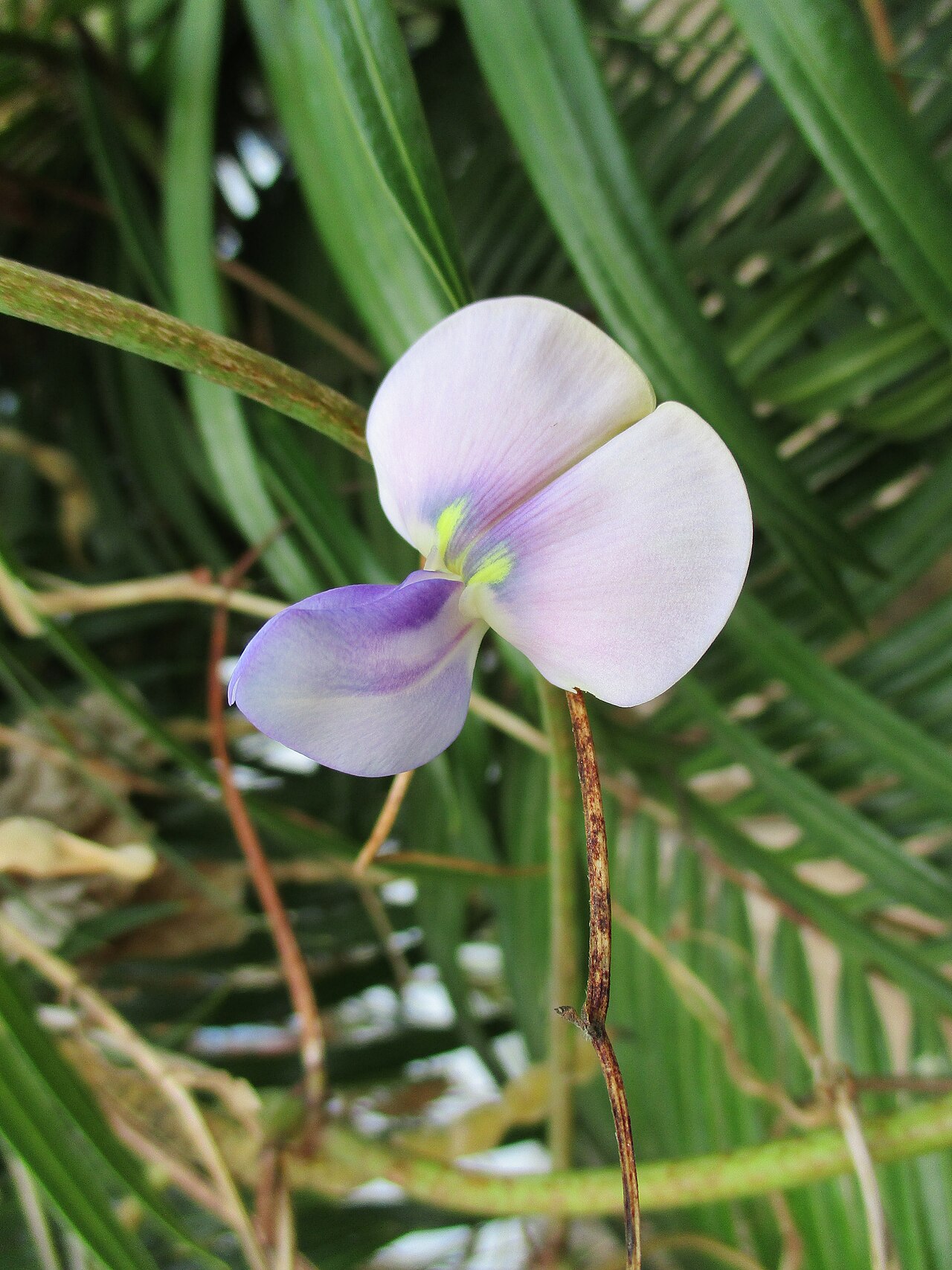

Why this variety
Mississippi Silver is a crowder pea, which means the peas pack so tightly in the pod that their ends get a little flattened — crowded, in the best sense — and it is one of the most widely praised crowders for Southern gardens. Extension tables list it as a tall, bushy, nonvining type with resistance to Fusarium and nematodes, two of the soil problems that most punish southern peas in warm, sandy ground. The pods are long and silvery, the peas are large and buff-colored, and the plants are vigorous enough to carry a heavy crop without sprawling across the whole bed.
The flavor is stronger and earthier than a cream pea’s, which is exactly what crowder fans want: these are peas with presence, made for long cooking, for pot liquor, for the kind of meal where the peas are not a side dish but the point. Mississippi Silver shells easily for a crowder, yields heavily, and keeps producing through heat that shuts down lesser legumes. If Pinkeye Purple Hull is the friendly classic, Mississippi Silver is the sturdy workhorse — a little slower to mature, a lot tougher in difficult soil, and deeply satisfying in the pot.
If you are new to choosing between cultivars, the Varieties Matter guide explains why the name after the plant matters as much as the plant itself. And if you want the whole clan at a glance, the broader Southern Pea guide covers southern peas generally.
How to grow
Southern peas are the crop that laughs at a Florida summer while everything else files a complaint — they want heat, they tolerate poor sandy soil, and they fix their own nitrogen while they are at it. Sow directly once the soil is warm, well past any frost danger, and keep sowing successions through summer for a long picking season. They are not peas in the garden-pea sense at all: they are tropical beans, cousins of the black-eyed pea, and they treat a hot, humid garden the way a beachgoer treats a heat wave, as the entire point. Give them full sun, decent drainage, and room to bush or sprawl according to type, and they will feed you through the months when cool-season crops have long since given up.
Direct-sow in warm soil, an inch deep, 4 to 6 inches apart, after all frost danger has passed, and give this tall bushy type its room — rows two to three feet apart and no crowding, because a vigorous crowder needs air. Mulch once plants are established, water through bloom and pod-fill, and expect a slightly longer wait than the early pinkeyes: 85 to 90 days is the honest figure, and it is worth every one of them. Succession sowings are still possible in a long season, but plant the first round early in the warm season to guarantee the crop.
Water & feeding
Southern peas are drought-tolerant once established, which is not the same as drought-loving: give them about an inch of water a week while they flower and fill pods, because dry plants drop blossoms and make thin pods. Work worm castings into the bed at sowing, and go easy on nitrogen fertilizer — these plants make their own nitrogen with the help of root bacteria, and extra nitrogen just grows leaves at the expense of peas. Mulch to hold moisture and smother weeds, water at soil level to keep foliage dry, and back off once pods start drying if you are saving dry peas.
Common problems
Root-knot nematodes and Fusarium wilt are the soil threats this variety is bred to stand up to, which helps, but it is not immunity — rotate beds, build organic matter, and do not plant peas after peas. Cowpea curculio stings pods, so pick promptly and destroy damaged pods rather than composting them. Aphids and mosaic virus are the usual above-ground worries; check young growth often and remove virus-symptom plants early. Crowded, wet foliage invites blight, so spacing and soil-level watering are your best defenses.
Harvest
Pick when pods are full and the peas inside are plump — for fresh shelling, catch pods before they dry and toughen; for dry peas, let pods dry on the vine until they rattle. Mississippi Silver’s large peas shell into generous bowls, cook up creamy and flavorful, and freeze well after blanching, so a big planting is never a waste. Save dry seed for next year if you like it, and you probably will: open-pollinated crowders come back true, and this one earns its keep.
Nerdy fact: A crowder pea gets its name from the peas crowding each other in the pod until their ends flatten — it is a packing problem, not a personality flaw, and crowder fans consider it a mark of quality.
Saving seeds
Mississippi Silver is a crowder pea, which means the peas pack so tightly in the pod that their ends get a little flattened — crowded, in the best sense — and it is one of the most widely praised crowders for Southern gardens. Extension tables list it as a tall, bushy, nonvining type with resistance to Fusarium and nematodes, two of the soil problems that most punish southern peas in warm, sandy ground. The pods are long and silvery, the peas are large and buff-colored, and the plants are vigorous enough to carry a heavy crop without sprawling across the whole bed. Mississippi Silver is an heirloom, open-pollinated variety (Sow True Seed lists it as “HEIRLOOM… Open Pollinated”, Reimer as “Open Pollinated”), so it comes true from seed: sow directly once the soil is warm, well past any frost danger, and keep sowing successions through summer for a long picking season. The full method is in the Saving seeds section of the Southern Pea guide.