
🫙 Mississippi Purple Southern Pea
What it looks like
No verified photo of ‘Mississippi Purple Southern Pea’ itself was found, so the pictures below show the species — the same plant, photographed generally.

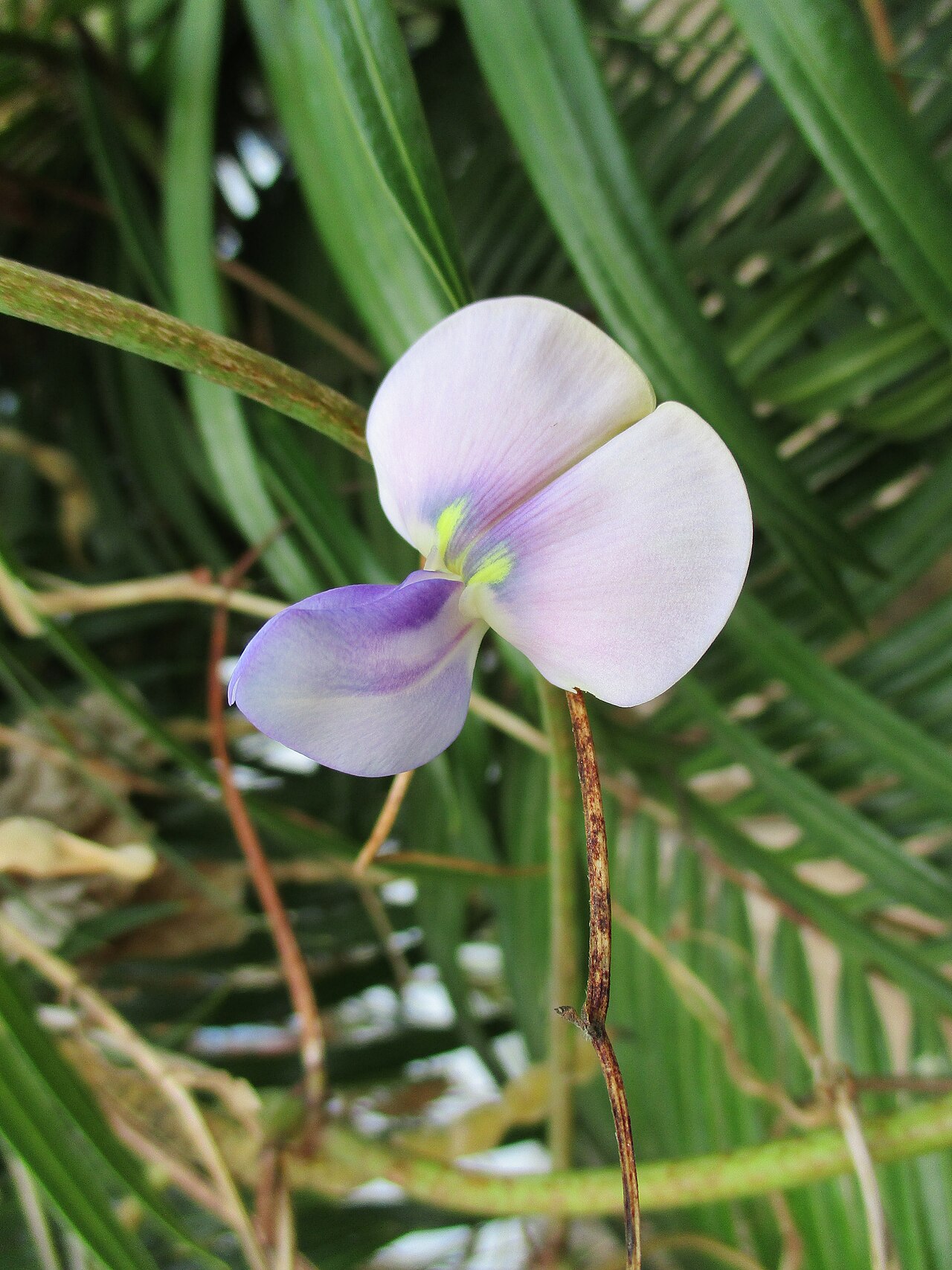

Why this variety
Mississippi Purple is the Southern pea for gardeners who like their harvest visible: long pods in a rich purple, hanging on a vigorous plant, with pink-eyed peas inside. The purple hulls make picking easy — you can see what is ready from across the garden — and they signal ripeness clearly, which matters when you are picking in a Florida summer and want to get out of the sun.
The peas themselves are the pinkeye type: cream-colored with a pinkish eye, tender and flavorful fresh, and excellent dried. Mississippi Purple is a strong, heat-loving producer that keeps bearing through summer weather that ends garden peas and stresses snap beans. In the South, this is not a novelty pea — it is a staple, and the purple pods are just the packaging.
If you have not grown the species before, start with the Southern Pea growing guide for the general picture, then come back here for what makes this variety different.
How to grow
Direct-sow Mississippi Purple about an inch deep, 2-4 inches apart in rows 24-36 inches apart, once soil is at least 65°F. In Florida, sow from spring through late summer — Southern peas are the summer legume, and this variety uses the whole warm season. Emergence is fast in warm soil, usually within a week.
The plants are vigorous and semi-vining, so give them the full row spacing rather than crowding them — airflow keeps foliage diseases down in humid air. Mulch to hold moisture, and keep water steady from flowering through pod-fill. Inoculating seed with cowpea-type rhizobium helps in new beds.
Water & feeding
About an inch a week, steady during flowering and pod-fill. Mississippi Purple is drought-tough once established, but pod-fill is when water matters most — drought then means fewer, smaller peas. It fixes its own nitrogen via rhizobium nodules, so skip nitrogen fertilizer; worm castings worked in before planting supply phosphorus and micronutrients.
Common problems
[‘Cowpea curculio scars pods — pick infested pods promptly and rotate beds. Aphids spread viruses, so knock them off with water at the first sign. In humid Florida summers, foliage diseases can build — water at the base, give plants air, and rotate beds yearly. Southern peas are tough, but tough is not invincible.’]
Harvest
Pick Mississippi Purple pods when the purple hulls feel plump and the peas inside are full-sized but still tender, then shell fresh — pinkeye peas cook quickly and taste sweet and earthy. For dry peas, leave pods until dry and rattling. Pick often: a plant left loaded with mature pods slows production fast.
Saving seeds
Mississippi Purple is the Southern pea for gardeners who like their harvest visible: long pods in a rich purple, hanging on a vigorous plant, with pink-eyed peas inside. The purple hulls make picking easy — you can see what is ready from across the garden — and they signal ripeness clearly, which matters when you are picking in a Florida summer and want to get out of the sun. The peas themselves are the pinkeye type: cream-colored with a pinkish eye, tender and flavorful fresh, and excellent dried. Mississippi Purple is an open-pollinated variety (Reimer lists it as “Open Pollinated”, Thresh as “Open-pollinated varieties, perfect for seed saving”), introduced in 1973 by the Mississippi Agricultural and Forestry Experiment Station, so it comes true from seed: direct-sow about an inch deep, 2 to 4 inches apart in rows 24 to 36 inches apart, once soil is at least 65°F. The full method is in the Saving seeds section of the Southern Pea guide.