
🫙 Big Red Ripper Southern Pea
What it looks like
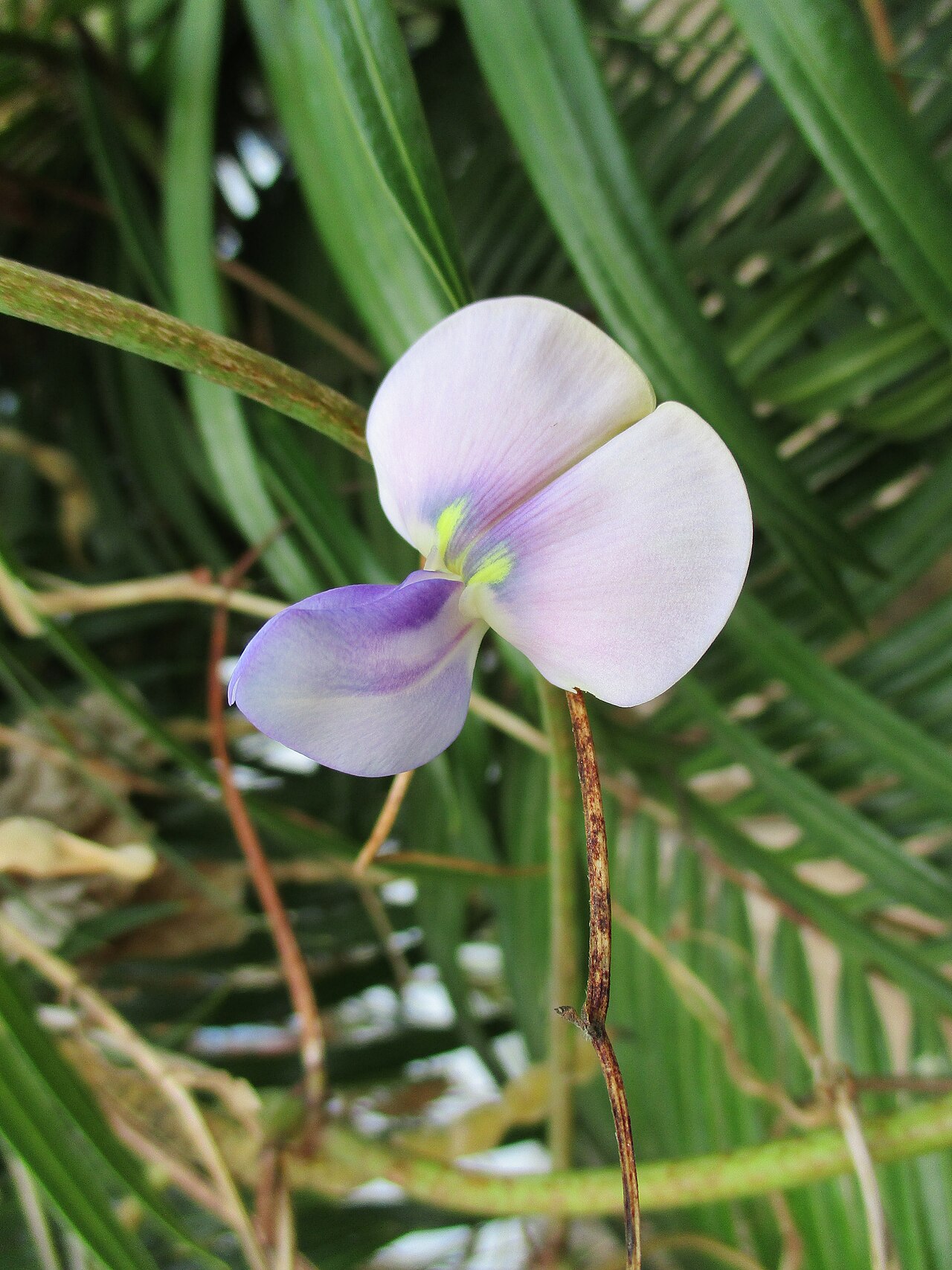
No verified photo of ‘Big Red Ripper Southern Pea’ itself was found, so the pictures below show the species — the same plant, photographed generally.


Why this variety
Big Red Ripper is the Southern pea you plant when the ground is poor, the summer is brutal, and you still want a harvest. It is a vigorous, vining type — more rambler than bush — that sprawls, climbs whatever it reaches, and produces red-speckled crowder peas through heat and drought that would end lesser legumes. In the old South, Ripper types were the field pea: planted, largely ignored, and harvested anyway.
The peas are crowders with a red-speckled coat, rich and hearty, excellent fresh and outstanding dried. At 80-85 days Big Red Ripper is a longer-season pea, so it is not the first pea you will eat — it is the pea that is still feeding you in late summer when the early varieties have quit. Give it room to run and it will repay you with a harvest that feels out of proportion to the effort.
If you have not grown the species before, start with the Southern Pea growing guide for the general picture, then come back here for what makes this variety different.
How to grow
Direct-sow Big Red Ripper about an inch deep, 2-4 inches apart in rows 24-36 inches apart — and then give it room, because this is a vining pea that sprawls several feet. In Florida, sow from spring through early summer; the long season means a spring sowing carries into late summer. Soil should be at least 65°F at sowing.
You can let Ripper sprawl as a ground cover — it smothers weeds nicely — or give it a fence or trellis to climb. Either way, do not plant it in a tidy small bed and expect it to stay tidy: this variety’s whole strategy is vigor. Mulch is less critical under a sprawling vine that shades its own soil, but steady water during pod-fill still matters.
Water & feeding
About an inch a week, steady during flowering and pod-fill. Big Red Ripper is famously drought-tough once established — it will survive dry spells that kill other crops — but survival and production are different things, and steady water during pod-fill is what turns survival into a harvest. It fixes its own nitrogen, so skip nitrogen fertilizer; worm castings before planting supply phosphorus and micronutrients.
Common problems
[“Cowpea curculio scars pods — pick infested pods promptly and rotate beds. Sprawling vines can hide pests, so part the foliage and scout pods as they swell. Aphids spread viruses, so knock them off early. Ripper’s vigor is its defense against most problems, but it also means a neglected patch becomes a jungle — keep paths clear so you can actually reach the pods.”]
Harvest
Pick Big Red Ripper pods when plump and the peas inside are full-sized, then shell fresh — or leave pods on the vine until dry for the classic dried Ripper pea, which stores for months. Because the vine is large and sprawling, harvest in passes: pick what you can reach, come back in a few days, and repeat. The vine keeps producing as long as you keep picking.
Saving seeds
Big Red Ripper is a traditional open-pollinated variety, so it comes true from seed — save seed from your best pods and let them dry fully before storing. The full method is in the Saving seeds section of the Southern Pea guide.