
🍐 Sol Duc Yacon
What it looks like
Why this variety
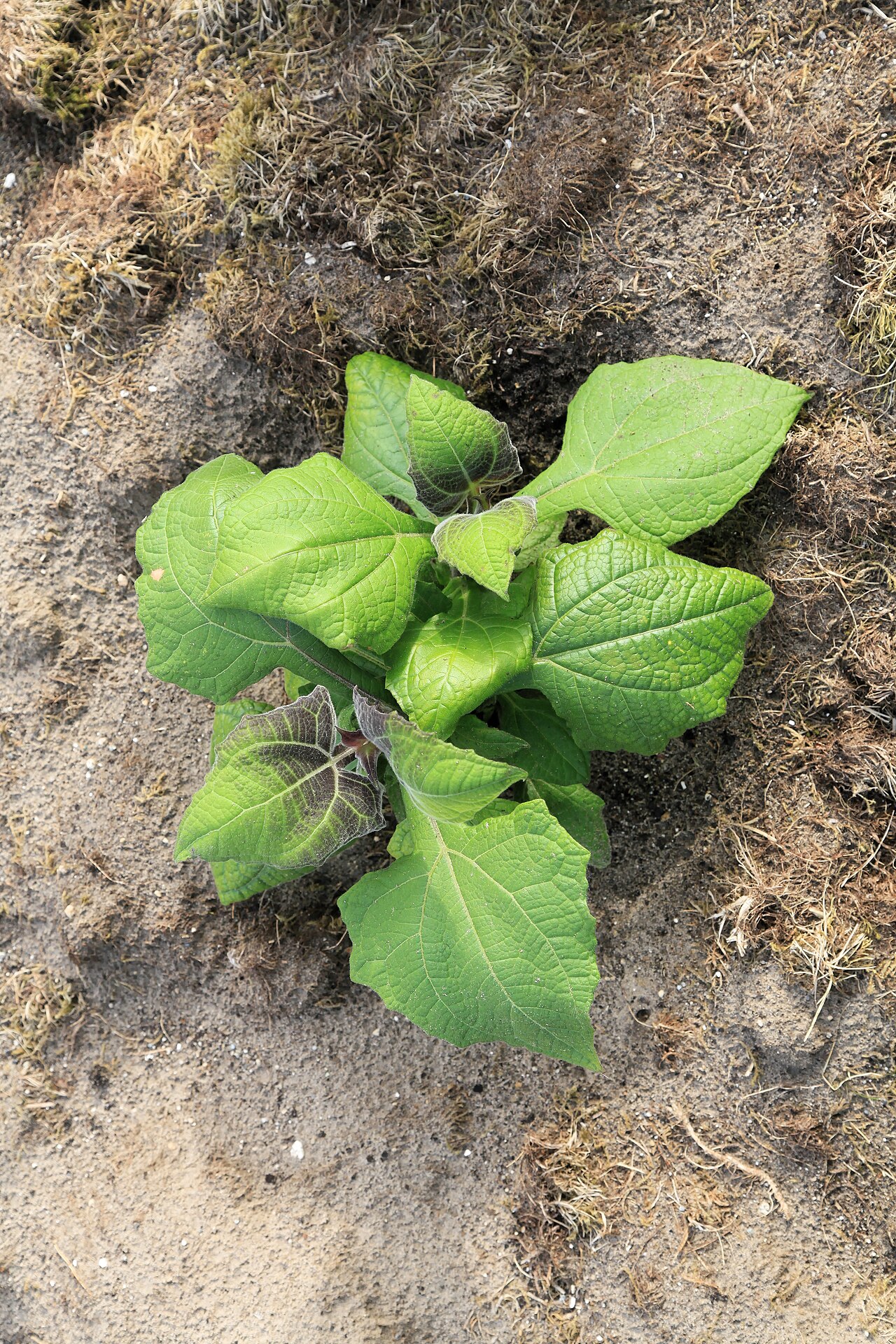
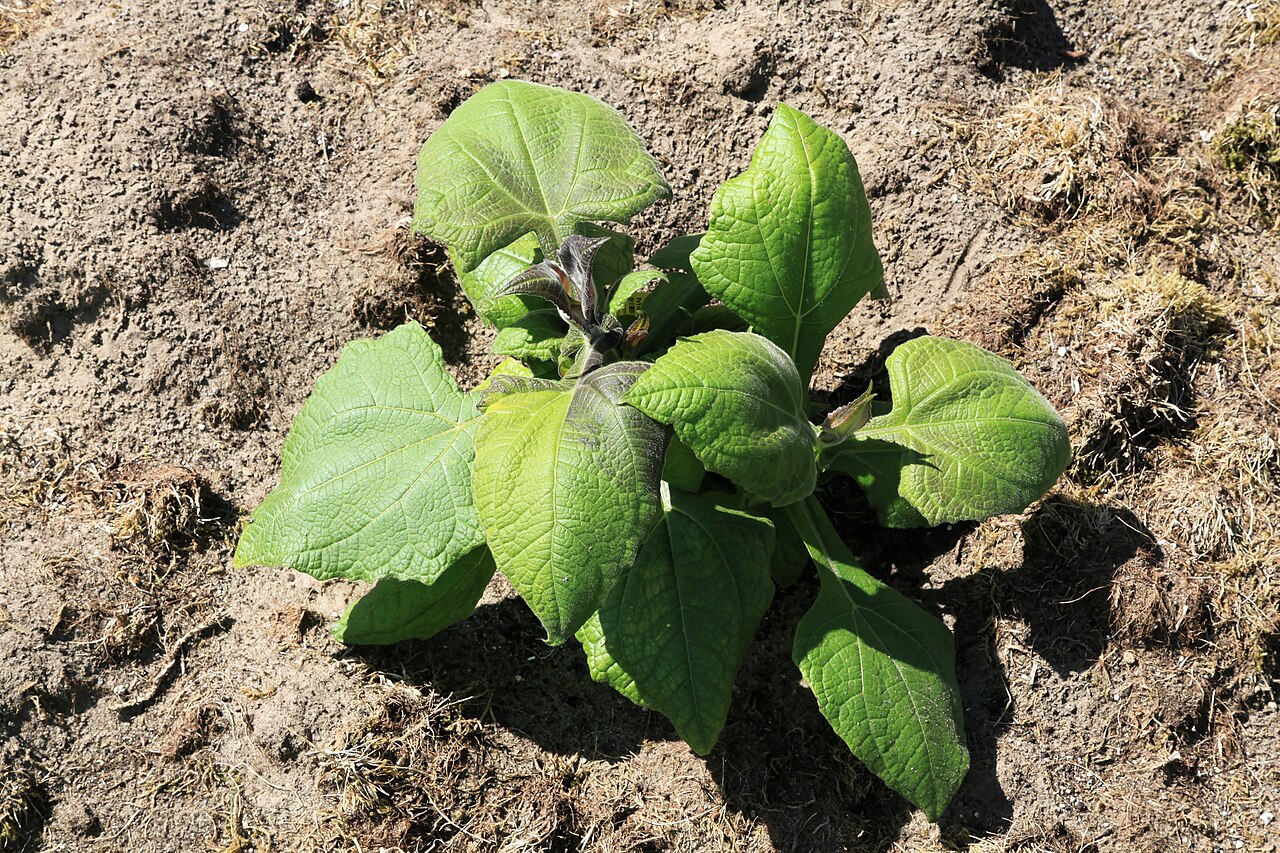
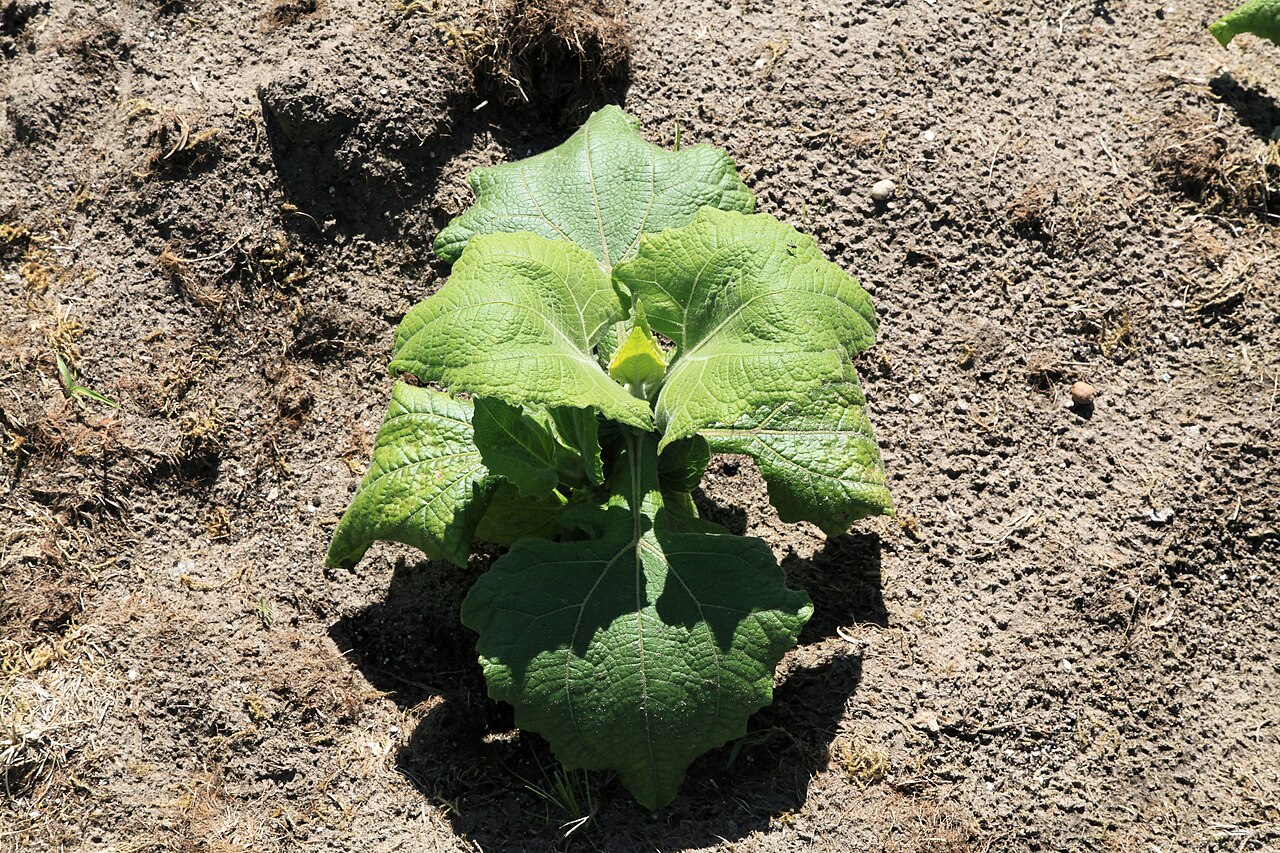
Sol Duc is a yacon variety listed in the University of Florida’s variety comparison — a northern-grown type, named for the Sol Duc valley in the Pacific Northwest, that made it onto a Florida research list, which is a round trip worth noting. Varieties that perform in cool northern summers and still earn a place in a Florida trial are showing adaptability, not just novelty.
Expect the yacon experience: crisp, sweet, juicy roots with a pear-apple freshness, best raw or lightly cooked. Sol Duc is a good pick if you want a documented variety with a track record beyond a single catalog description — it has been grown, compared, and listed by people who measure things.
If you are new to choosing between cultivars, the Varieties Matter guide explains why the name after the plant matters as much as the plant itself. And if you want the whole clan at a glance, the broader Yacon guide covers yacon generally.
How to grow
Plant in spring in north and central Florida, in loose, compost-rich, well-drained soil, spaced 2 to 3 feet apart, and give it six to nine months. Mulch heavily, water steadily, and remember that yacon is a big plant — plan the bed like you would for sunflowers, because that is essentially what you are growing, underground fruit included.
Save the crown for replanting at harvest. In north Florida, mulch crowns over winter if frost is expected; in frost-free areas, they can stay put. A yacon bed is a multi-year investment if you keep the crowns, which makes the first season’s patience pay twice.
Water & feeding
Generous, even water and heavy mulch. Yacon roots are mostly water, so drought is the fastest way to a disappointing harvest. Compost feeding at planting is enough; the plant wants moisture and time more than it wants fertilizer.
Common problems
Short season and drought limit yield more than pests do. The beginner trap is eating the crown: keep crowns for replanting, eat the smooth storage roots. Overwinter crowns with mulch in frost-prone areas.
Harvest
Harvest in late fall when tops die back, separating crowns from storage roots. Cure roots briefly to sweeten, then eat crisp and fresh, juice, or cook lightly. Stored roots keep best cool and moist, not dried out.
Nerdy fact: Yacon was grown in the Andes long before European contact, and its Quechua heritage is still in its habits: the plant stores water and sweetness in its roots for the dry season, which is why a fresh yacon root is so juicy — it evolved as a living canteen as much as a food store.
Saving seeds
Sol Duc is a yacon variety listed in the University of Florida’s variety comparison — a northern-grown type, named for the Sol Duc valley in the Pacific Northwest, that made it onto a Florida research list, which is a round trip worth noting. Varieties that perform in cool northern summers and still earn a place in a Florida trial are showing adaptability, not just novelty. As a named yacon it is kept true by crowns, not by seed — plant in spring in north and central Florida, in loose, compost-rich, well-drained soil, spaced 2 to 3 feet apart, and give it six to nine months. Mulch heavily, water steadily, and remember that yacon is a big plant — plan the bed like you would for sunflowers, because that is essentially what you are growing, underground fruit included. Save the crown for replanting at harvest. In north Florida, mulch crowns over winter if frost is expected; in frost-free areas, they can stay put. The full method is in the Propagation section of the Yacon guide.