
🍐 Yacon
What it looks like
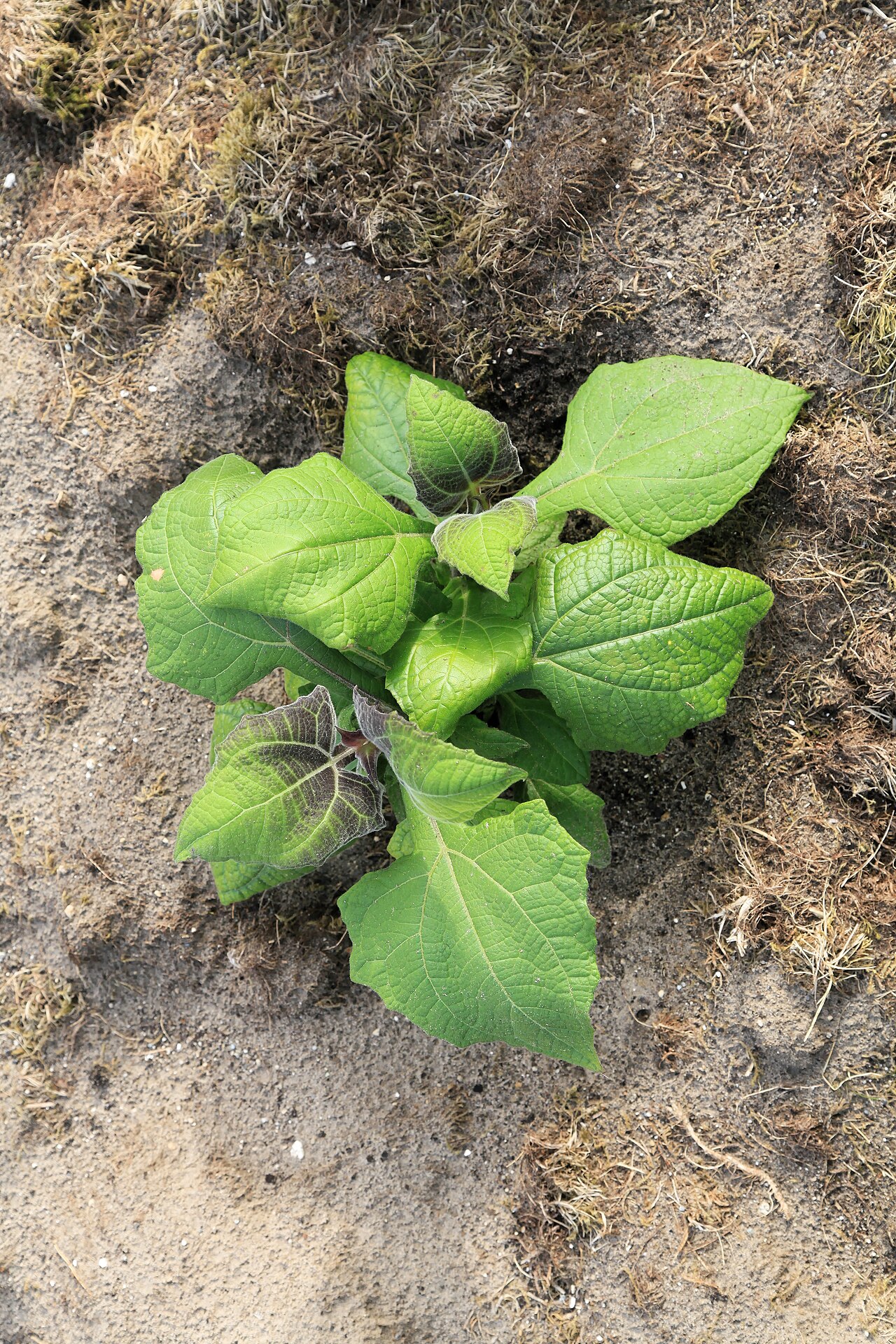
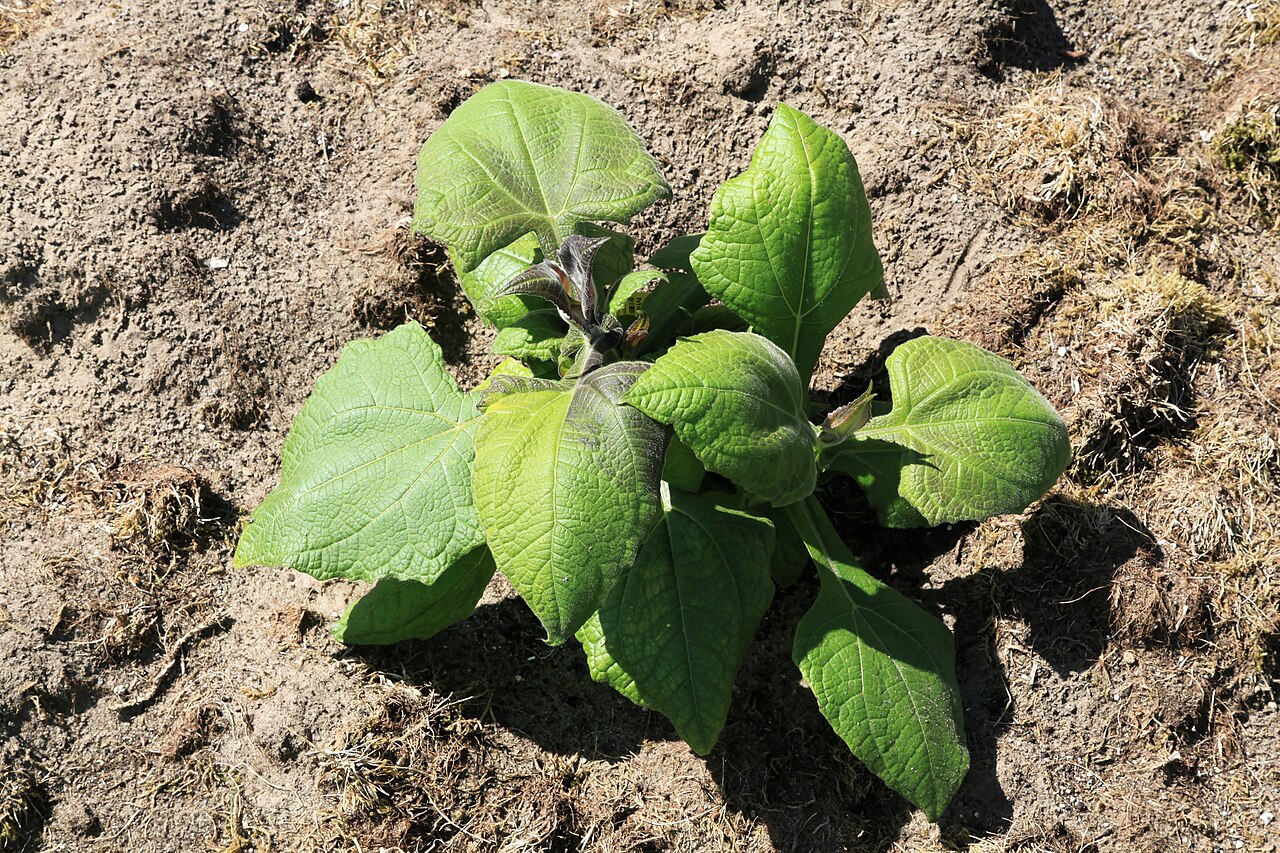
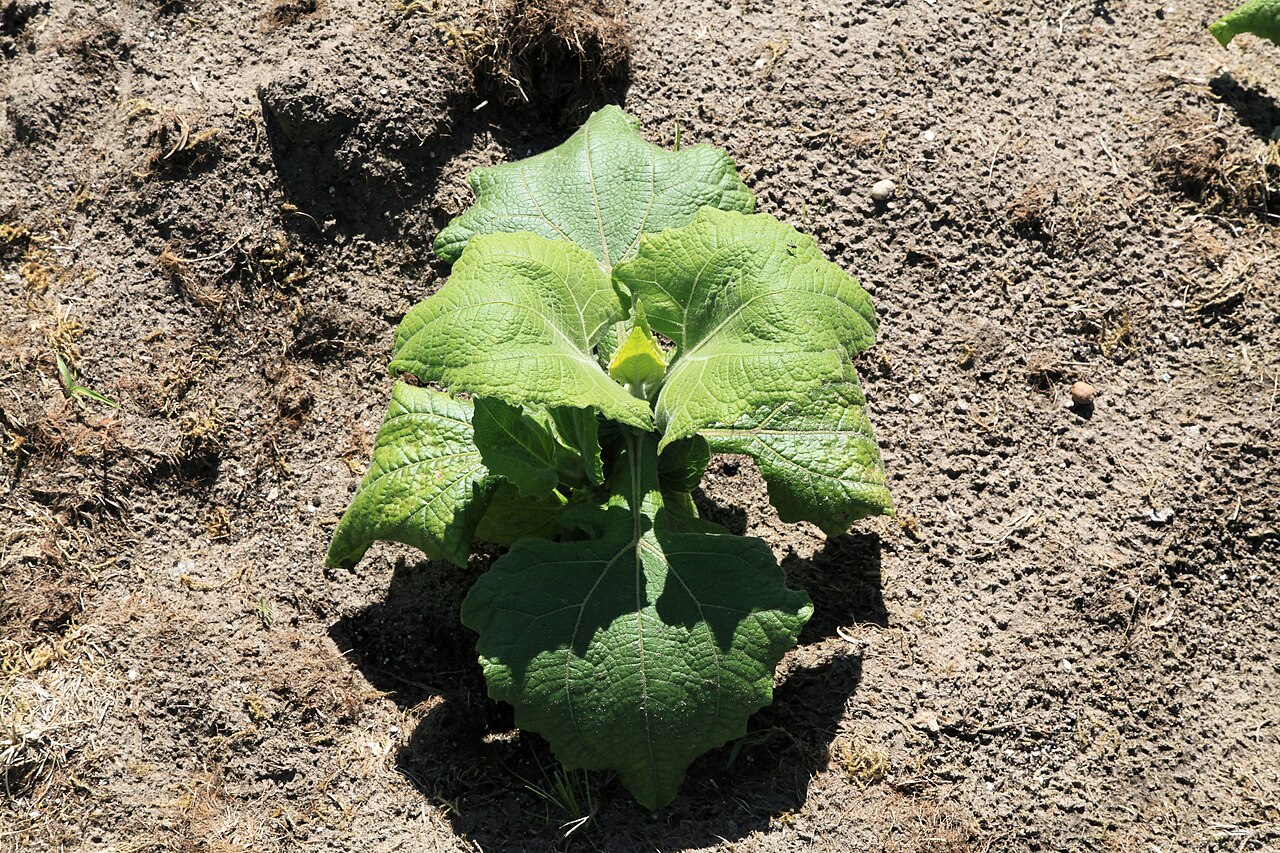
How to grow
Yacon, also called sunroot or Peruvian ground apple, is a large Andean perennial grown for crisp, juicy tubers that taste like apple, pear, and watermelon at once. Plant rhizomes (the knobby crowns, not the eating tubers) after the last frost, 3–4 inches deep, in loose, well-drained loam rich in organic matter — heavy clay gives misshapen tubers. Plants reach 5–8 feet tall and 3 feet wide, so give them room and wind shelter, and start rhizomes indoors 6–8 weeks before the last frost in short-season climates. Yacon has zero frost tolerance and needs 6–10 months (about 180–210 days per UF/IFAS Extension) to size up tubers, so northern gardeners should treat it as a long-season annual and southern gardeners as a perennial. Keep it in its own bed — it is not very compatible with neighbors.
Water & feeding
Water consistently through the season; yacon needs steady moisture to size tubers, and mulch heavily to hold it. Feed with compost and a high-potassium fertilizer, avoiding high nitrogen, which grows leaves at the expense of tubers. Weed well while plants are young — yacon competes poorly at first.
Common problems
- Frost — kills tops and ends the season; dig before a hard freeze in cold zones.
- Small tubers — planted too late or grown too dry; start early and water steadily.
- Wind damage — tall, brittle stems snap; shelter plants.
- Confusing rhizomes with tubers — plant the crown pieces with eyes, and eat the smooth storage tubers.
Harvest
Harvest after frost kills tops, or at 6–10 months in frost-free climates, digging carefully — one plant can yield up to 20 pounds. Cure tubers 48 hours in a cool, dry place, then store unpeeled in perforated bags at about 50–55°F; they keep 2–3 months and sweeten in storage. Peel and eat raw in salads (sprinkle with lemon to prevent browning), or cook, juice, or boil down into syrup. Unlike potatoes, yacon tubers are low in starch and rich in fructooligosaccharides, a prebiotic fiber.
Browse all plant & pest guides
Propagation
The honest headline: yacon is not grown from seed. Smallanthus sonchifolius rarely sets viable seed in cultivation, and the tubers you actually want come from the crown — the growing point at the top of the root, where the stems meet the tubers. There is no seed to save, and no reason to try.
To propagate, lift the plant in fall, after six to ten months of growth, and save the crown — the knobby, reddish-purple growing point — with a few small tubers attached. Cut the crown into pieces, each with at least one bud, let the cut ends dry for a day or two so they do not rot, and store them in a cool, dry place over winter. Plant them in spring once the soil is warm, a few inches deep in full sun and rich, moist soil.
Give the plants room and water — yacon is a heavy feeder and a heavy drinker, and it grows all summer into a lush, sunflower-like clump. Harvest before the first frost, cure the tubers in a warm, dry place for a week or two so they sweeten, and keep a few crowns back for planting — that is the crop paying you back.
In Florida, yacon is a warm-climate perennial for zones 7 to 10, happiest in full sun and rich, moist soil. It wants a long, frost-free season, so plant it in spring and harvest it in fall, and mark the spot — a dormant yacon bed looks like bare soil, and it is easy to dig up your own crop by mistake.
Varieties
Every named variety of Yacon with its own growing guide:
- Morado Yacon — The purple yacon — violet-purple propagative tubers, pink-tinged skin, and the yacon on university variety lists.
- Blanco Yacon — The white yacon — pale skin and flesh, sweet and juicy, and the type for eating raw and juicing.
- Rojo Yacon — The red yacon — red-skinned tubers, sweet flavor, and the type for syrup and processing.
- Crystal Yacon — The original Pacific Northwest yacon — prolific, red-skinned tubers with red flesh at the edges, and the OG clone.
- Cajamarca Yacon — The Andean yacon on the university variety lists — crisp, sweet, pear-like roots from the Peruvian highlands.
- New Zealand Yacon — The yacon that traveled the world — a documented variety from the global yacon trials, crisp and sweet.
- Sol Duc Yacon — The Pacific Northwest yacon — a documented variety from the northern yacon trials, sweet and crisp.
- Late Red Yacon — The late, red yacon — a documented research variety, later to finish and worth the wait for sweet roots.