
🍐 Blanco Yacon
What it looks like
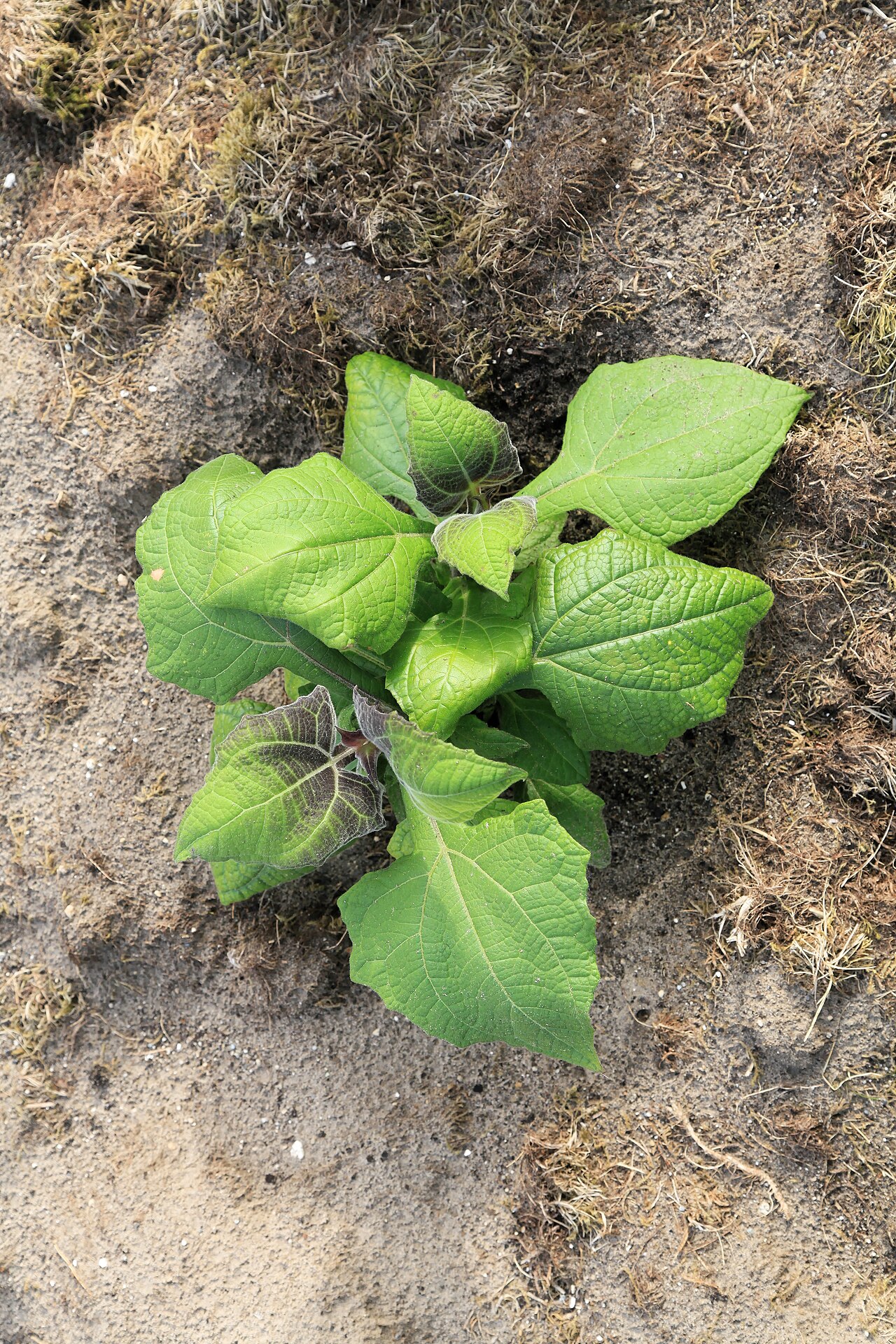
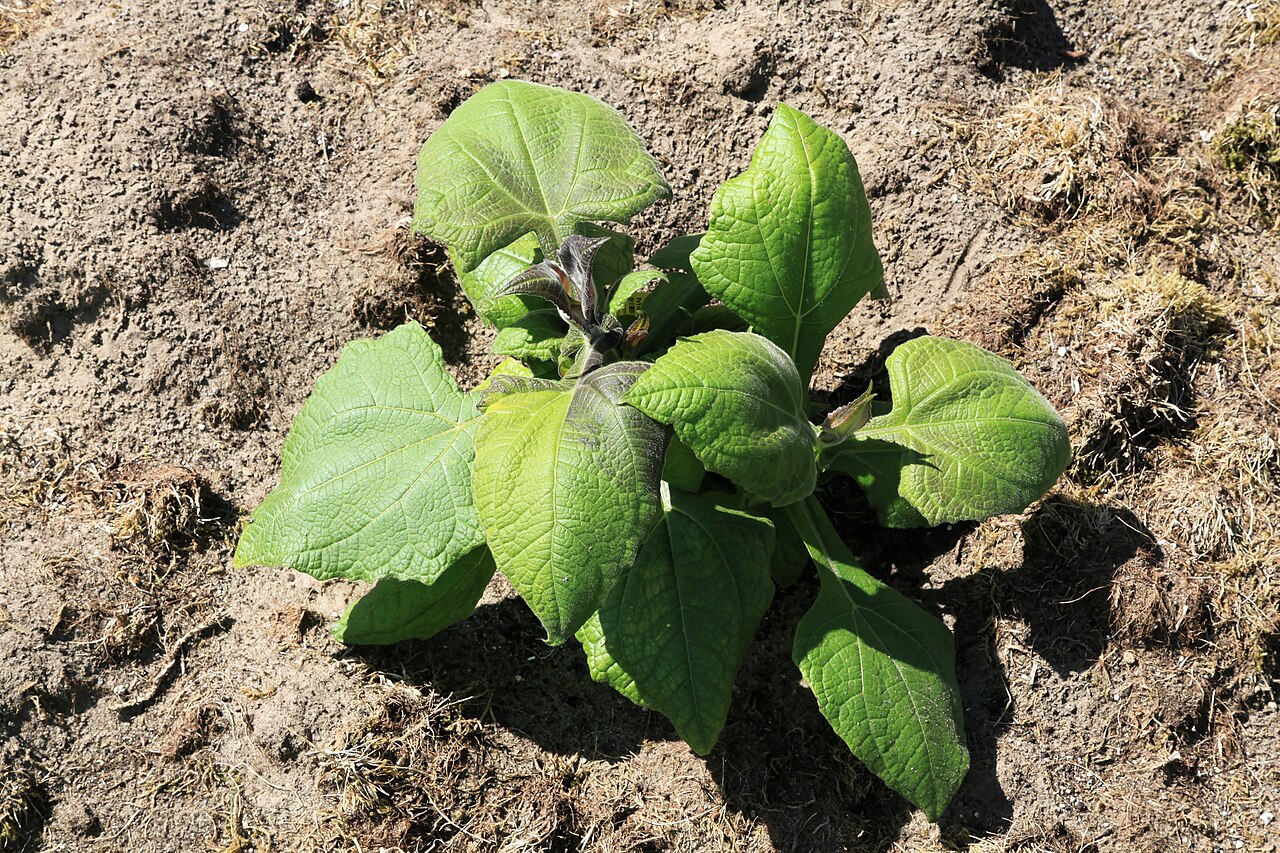
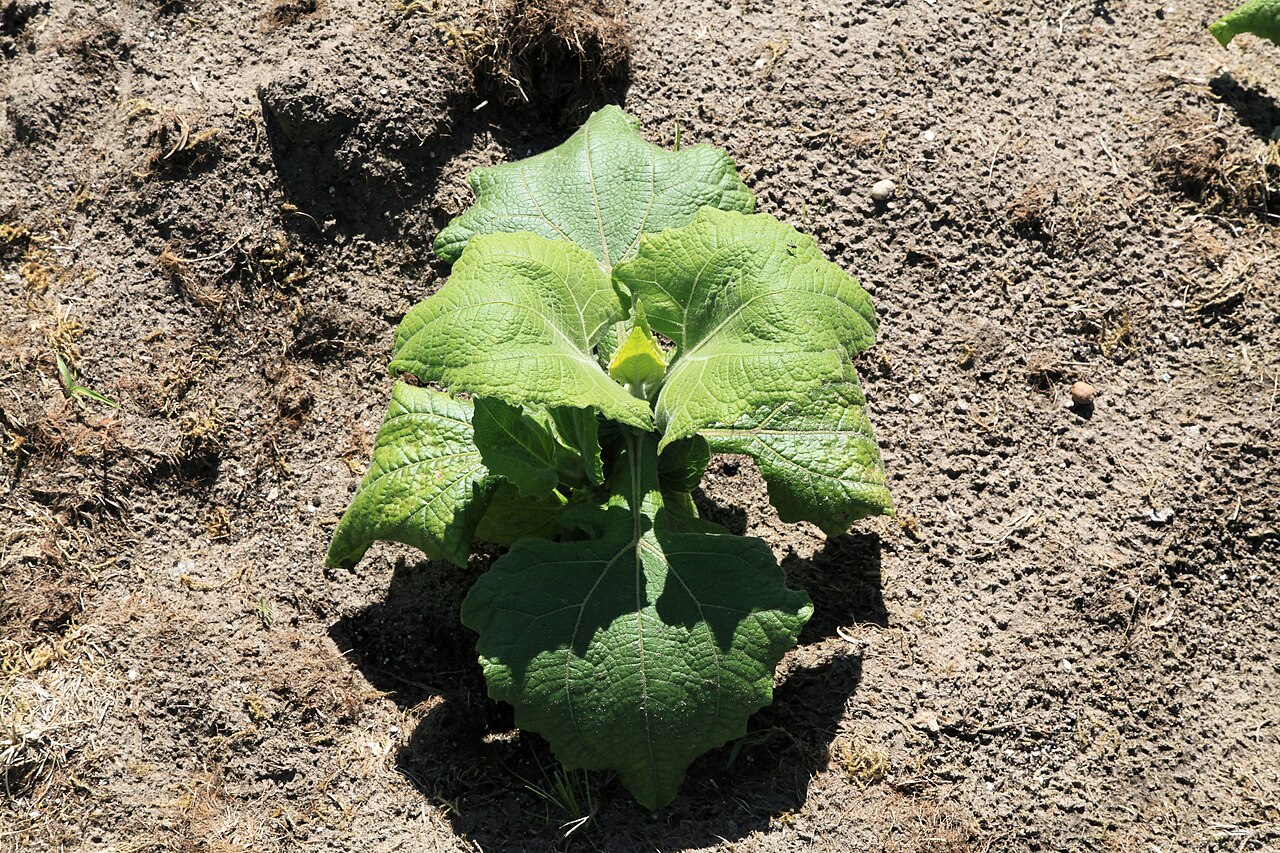
Why this variety
Blanco is the white yacon on university variety lists and in specialty collections: storage tubers with pale to white skin and white flesh, sweet and juicy, and the yacon for eating raw. Where Morado brings color, Blanco brings clarity — a clean, sweet, apple-like flavor and a crisp texture that makes it the yacon to slice into salads, juice into smoothies, or eat straight from the garden after curing, like a fruit that grows underground.
For the gardener, Blanco is the yacon for the fresh-eating habit: it is productive, the tubers are easy to spot at digging time against dark soil, and the plant is the same handsome sunflower relative as other yacons, tall and fuzzy-leaved. If your yacon plans start with a juicer or a salad bowl rather than a syrup pot, Blanco is the type to plant.
If you are new to choosing between cultivars, the Varieties Matter guide explains why the name after the plant matters as much as the plant itself. And if you want the whole clan at a glance, the broader Yacon guide covers yacon generally.
How to grow
In Florida, yacon is a trial worth running but not a statewide promise: it wants a long, mild growing season, and the state’s summer heat plus a short cool window squeeze it from both ends. Plant crowns in spring in the northern and central parts of the state, give it room and steady water, and dig after the tops die back in late fall — then cure the tubers for a few weeks, because fresh-dug yacon is starchy and the sweetness only arrives after curing. A university study in the state calls it a potential crop, which is the honest word: potential.
Grow Blanco like Morado: plant crowns in spring, 2 to 3 feet apart in loose, rich soil, water deeply all season, mulch heavily, and feed with compost. Give it a long season — plant early, protect from late frosts, and dig after dieback in late fall. Separate crowns for replanting from storage tubers for eating, and cure storage tubers for a few weeks.
Water & feeding
Yacon wants deep, steady water and loose, rich soil; a drought-stressed plant makes small, woody tubers, and a waterlogged one rots. Mulch heavily, feed with compost through the season, and stop watering as the tops yellow so the tubers firm up before digging.
Common problems
Slugs, aphids, and drought are the usual risks; mulch, hand-picking, and steady water handle most of it. A short season is the real enemy — a late planting makes small tubers — so start crowns indoors in cooler climates to buy weeks. And handle tubers gently at digging; broken tubers do not store, though they do eat fine the same day.
Harvest
Dig after dieback, cure for two to four weeks, and eat raw — sliced, diced into fruit salad, or juiced — or cook lightly in stir-fries where the crisp texture holds. Save the knobby crowns for replanting, and store cured tubers cool and dry; whole storage roots store roughly as long as potatoes. A Blanco tuber eaten fresh after curing tastes like a pear crossed with a jicama, and that is not an exaggeration, it is the description.
Nerdy fact: Blanco’s white flesh is a useful reminder that yacon color is skin-deep in more ways than one: the flesh color varies by type, but the sweetness chemistry — fructooligosaccharides, not starch — is the same across types. White, purple, or red-skinned, a cured yacon is sweet because of those short-chain sugars, and the color is just the packaging.
Saving seeds
Blanco is a named type, so seed saved from it won’t come true — plant crowns instead. The Propagation section of the Yacon guide covers how the species is propagated.