
🍐 Cajamarca Yacon
What it looks like
Why this variety
Cajamarca is a yacon variety named for its Peruvian region and listed among the varieties in the University of Florida’s yacon publication — one of the named types, alongside Blanco, Morado, and Rojo, that researchers actually compared. That university-list status matters: it means Cajamarca is not a marketing name but a documented variety with agronomic traits worth comparing.
Eat it like the yacon it is: crisp, juicy, sweet, and pear-like when fresh, with the fructooligosaccharide sweetness that makes yacon taste sweet without being sugary in the usual sense. Slice it raw into salads, juice it, or cook it lightly — overcooking turns its famous crunch into mush, which is a tragedy you can avoid by treating it as a fresh fruit as much as a root.
If you are new to choosing between cultivars, the Varieties Matter guide explains why the name after the plant matters as much as the plant itself. And if you want the whole clan at a glance, the broader Yacon guide covers yacon generally.
How to grow
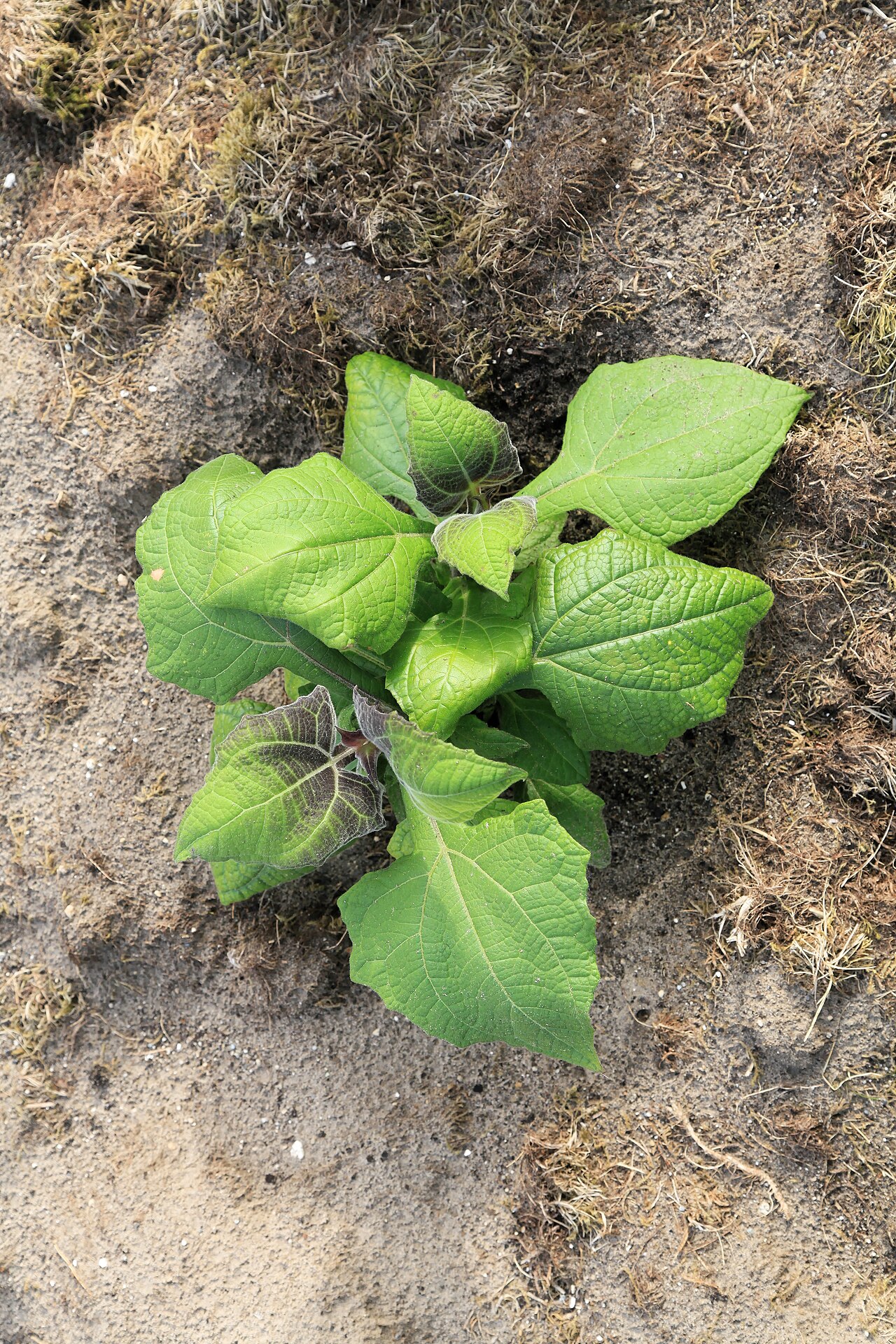
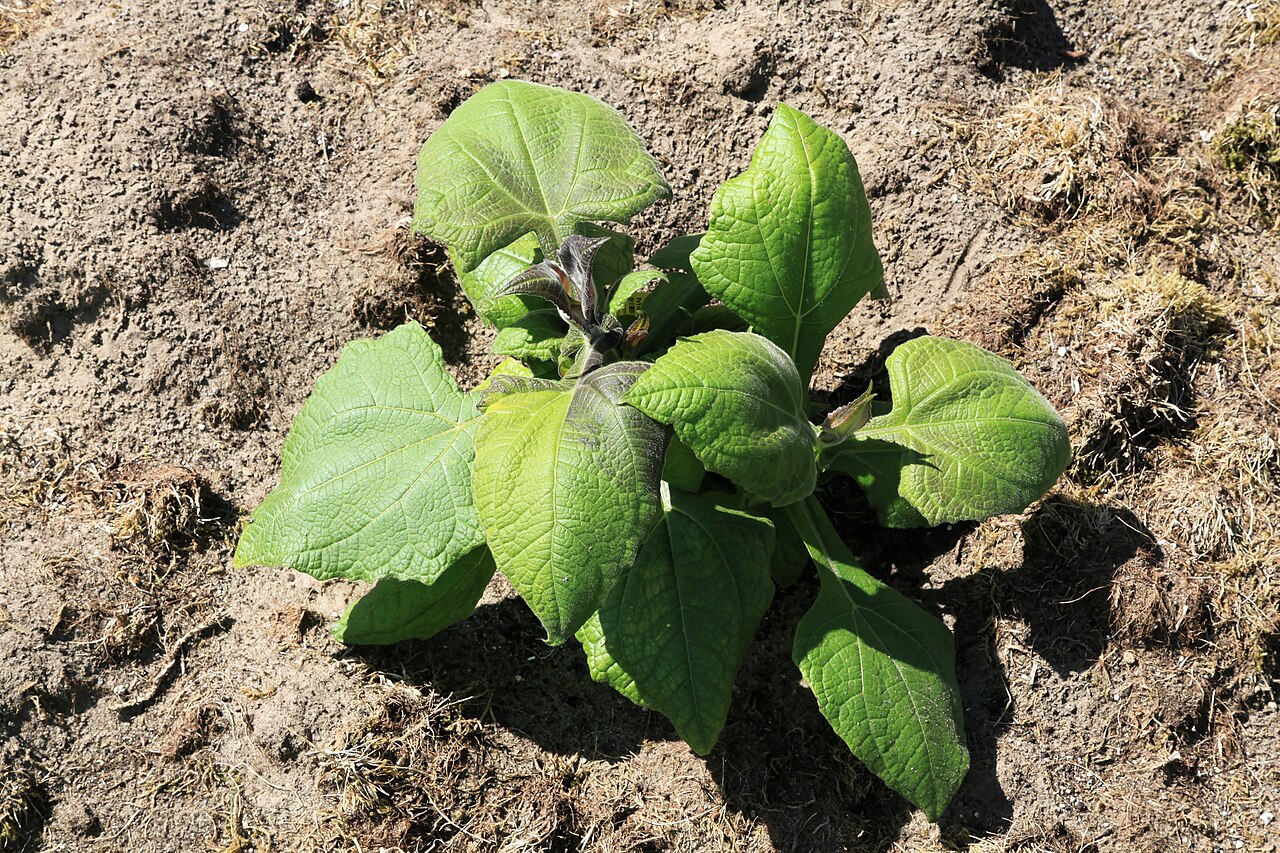
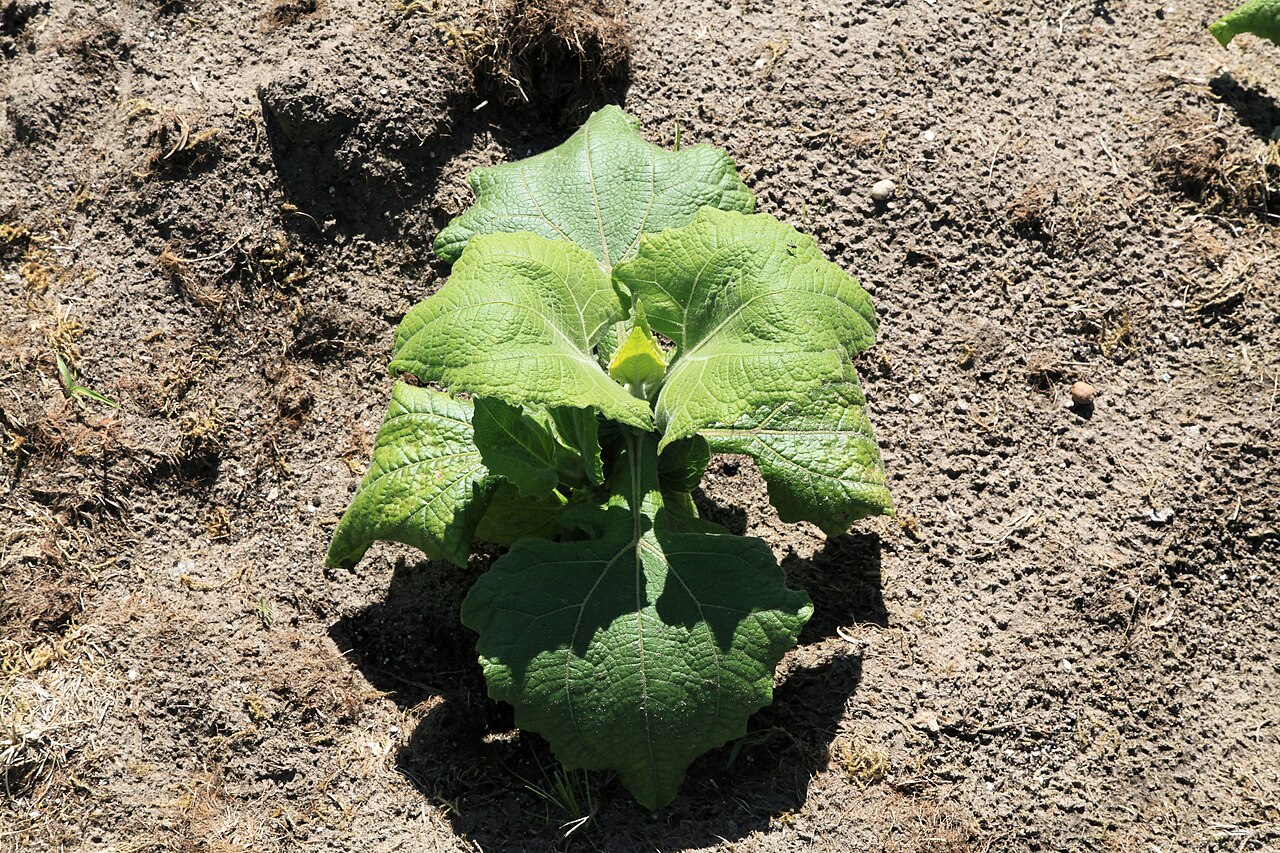
In Florida, yacon is a long-season trial: plant crowns in spring in north and central Florida, give it a full season of six to nine months, and harvest in late fall when tops die back. It is a big plant — think sunflower-sized, because it is a sunflower relative — so give it the 2 to 3 feet of spacing and do not crowd it into a small bed and hope.
Plant in loose, well-drained, compost-rich soil, water steadily, and mulch. Yacon needs heat to grow but is not a desert plant: in the hottest Florida weather, afternoon shade and steady moisture keep it happier than full blazing sun and drought. Save the crown at harvest for next year’s planting — the crown is the perennial part, the storage roots are dinner.
Water & feeding
Steady, generous water is essential: yacon roots are mostly water, and a dry plant gives small, fibrous roots. Mulch heavily, water deeply, and feed with compost. Do not let the bed dry out in summer — a yacon that wilts repeatedly will forgive you, but its roots will remember.
Common problems
Yacon has few serious pests in Florida trials, which is one of its appeals. The risks are a season too short to size up roots (plant early, in spring, not midsummer), drought, and harvesting the crown by mistake — learn the difference before you dig: the knobby crown at the stem base is next year’s plant, the smooth storage roots around it are food.
Harvest
Harvest in late fall when tops die back, digging carefully to separate crowns from storage roots. Cure storage roots briefly and keep the crowns cool and barely moist over winter for replanting — in frost-free areas they can stay in the ground with mulch. Eat fresh roots crisp, or let them cure a few days to sweeten further.
Nerdy fact: Yacon’s sweetness comes largely from fructooligosaccharides, sugars your body mostly does not digest — which is why yacon syrup tastes sweet with a fraction of the calories of sugar, and why yacon is studied as a prebiotic food: your gut microbes get the feast, and you get the flavor.
Saving seeds
Cajamarca is a named type, so seed isn’t the way to keep it true — save the crown at harvest instead. The Propagation section of the Yacon guide covers how the species is propagated.