
🍐 New Zealand Yacon
What it looks like
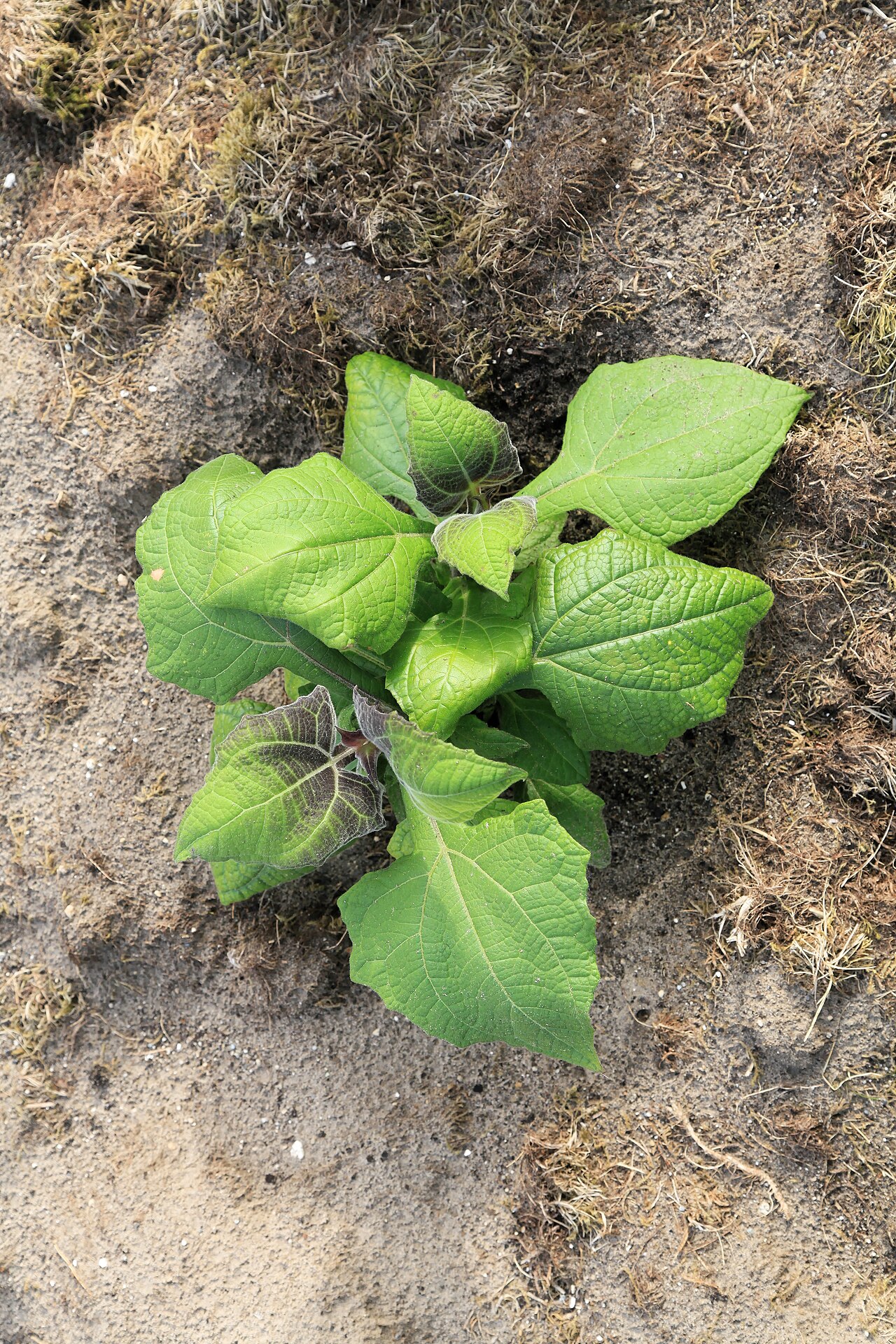
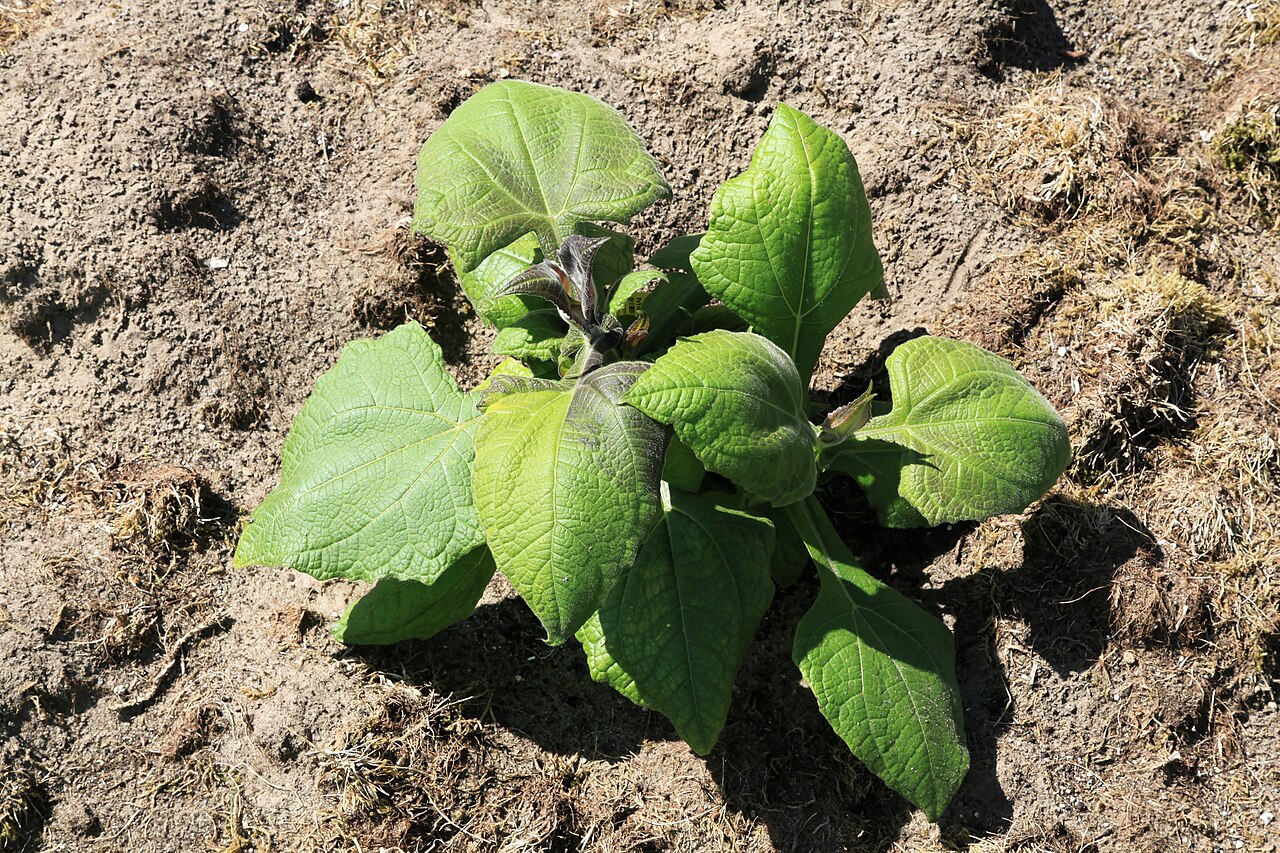
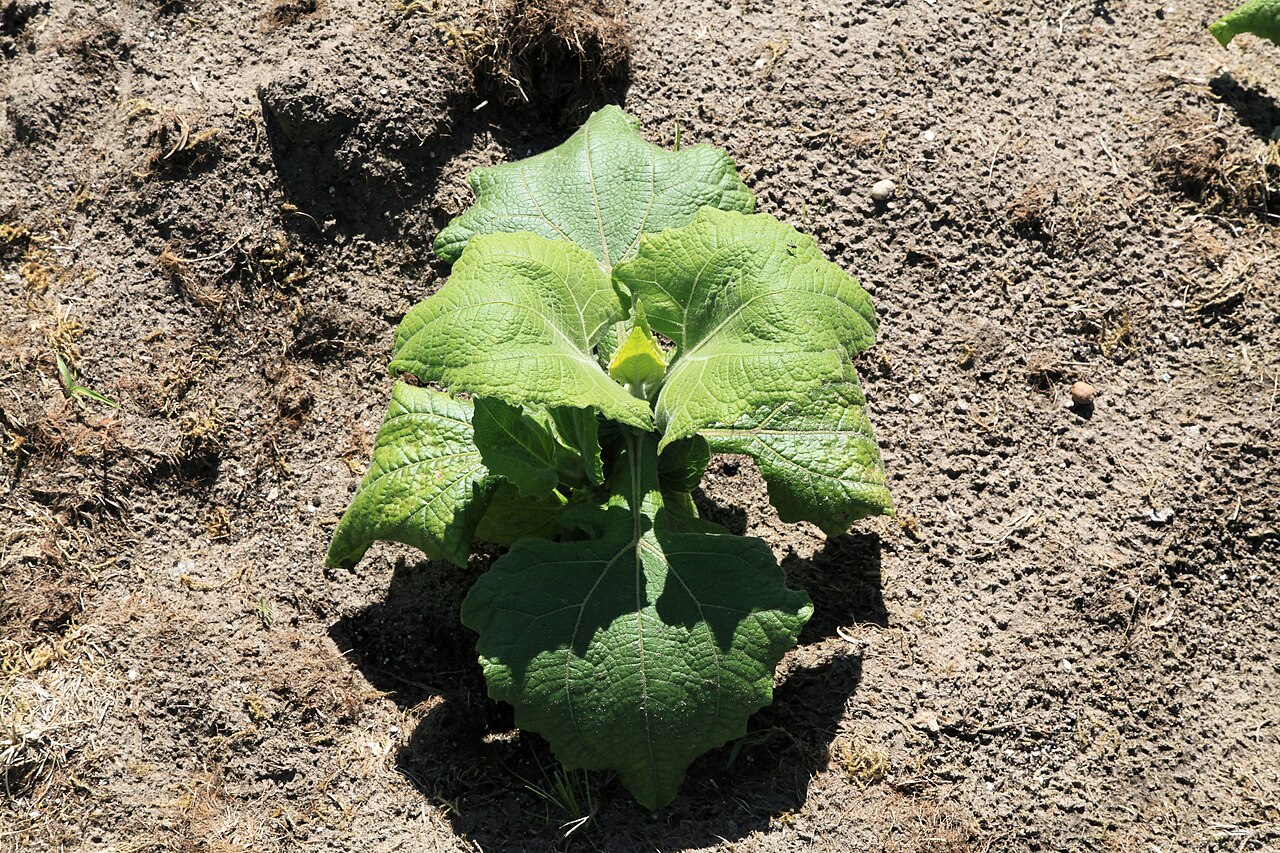
Why this variety
New Zealand yacon is a variety name that turns up in university and research variety comparisons — a type that left the Andes, was grown and selected far from home, and earned a place on the lists researchers use to compare yacon types. That well-traveled history is a hint about adaptability: a variety that has performed in New Zealand conditions has already proven it can handle life outside its native mountains.
The eating quality is the yacon standard: crisp, juicy, sweet, pear-like roots, good raw and lightly cooked. If you have only ever met yacon as syrup in a health-food bottle, the fresh root is a revelation — closer to a crisp apple-pear cross than to any potato, and best appreciated sliced thin and eaten fresh.
If you are new to choosing between cultivars, the Varieties Matter guide explains why the name after the plant matters as much as the plant itself. And if you want the whole clan at a glance, the broader Yacon guide covers yacon generally.
How to grow
Plant crowns in spring in north and central Florida, in loose, compost-rich, well-drained soil, with a full six-to-nine-month season ahead of it. Space 2 to 3 feet apart — this is a large, sunflower-like plant, not a tidy row crop — and mulch heavily. In the hottest weather, steady water and a little afternoon shade help more than extra fertilizer.
Save the crown at harvest for replanting. The storage roots are food; the crown is the plant. Confusing the two is the classic beginner yacon mistake, and it is an expensive one, since a eaten crown is a lost next season.
Water & feeding
Water generously and consistently; yacon roots are water-filled, and drought shrinks them. Mulch to hold moisture, feed with compost, and avoid letting the bed swing between flood and drought — even moisture gives even roots.
Common problems
Short seasons and drought are the main yield limiters in Florida, not pests, which are minor in trials. Learn crown versus storage root before digging, and protect crowns over winter in the north with mulch if frost threatens. In frost-free areas, crowns can remain in place.
Harvest
Harvest in late fall as tops die back, separating crowns for replanting from storage roots for eating. Cure roots a few days to sweeten, then eat fresh and crisp — or juice them, which is how many growers first fall for yacon.
Nerdy fact: Yacon is a sunflower relative, which explains its size and its sunny yellow flowers — a root crop that looks like an ornamental in summer and eats like a fruit in fall is a plant that refuses to stay in one category, and gardeners are better off for it.
Saving seeds
New Zealand yacon is a variety name that turns up in university and research variety comparisons — a type that left the Andes, was grown and selected far from home, and earned a place on the lists researchers use to compare yacon types. That well-traveled history is a hint about adaptability: a variety that has performed in New Zealand conditions has already proven it can handle life outside its native mountains. The eating quality is the yacon standard: crisp, juicy, sweet, pear-like roots, good raw and lightly cooked. As a named yacon variety it is kept true by crowns, not by seed: plant crowns in spring in north and central Florida, in loose, compost-rich, well-drained soil, and save the crown at harvest for replanting — the storage roots are food; the crown is the plant. The full method is in the Propagation section of the Yacon guide.