
🍐 Late Red Yacon
What it looks like
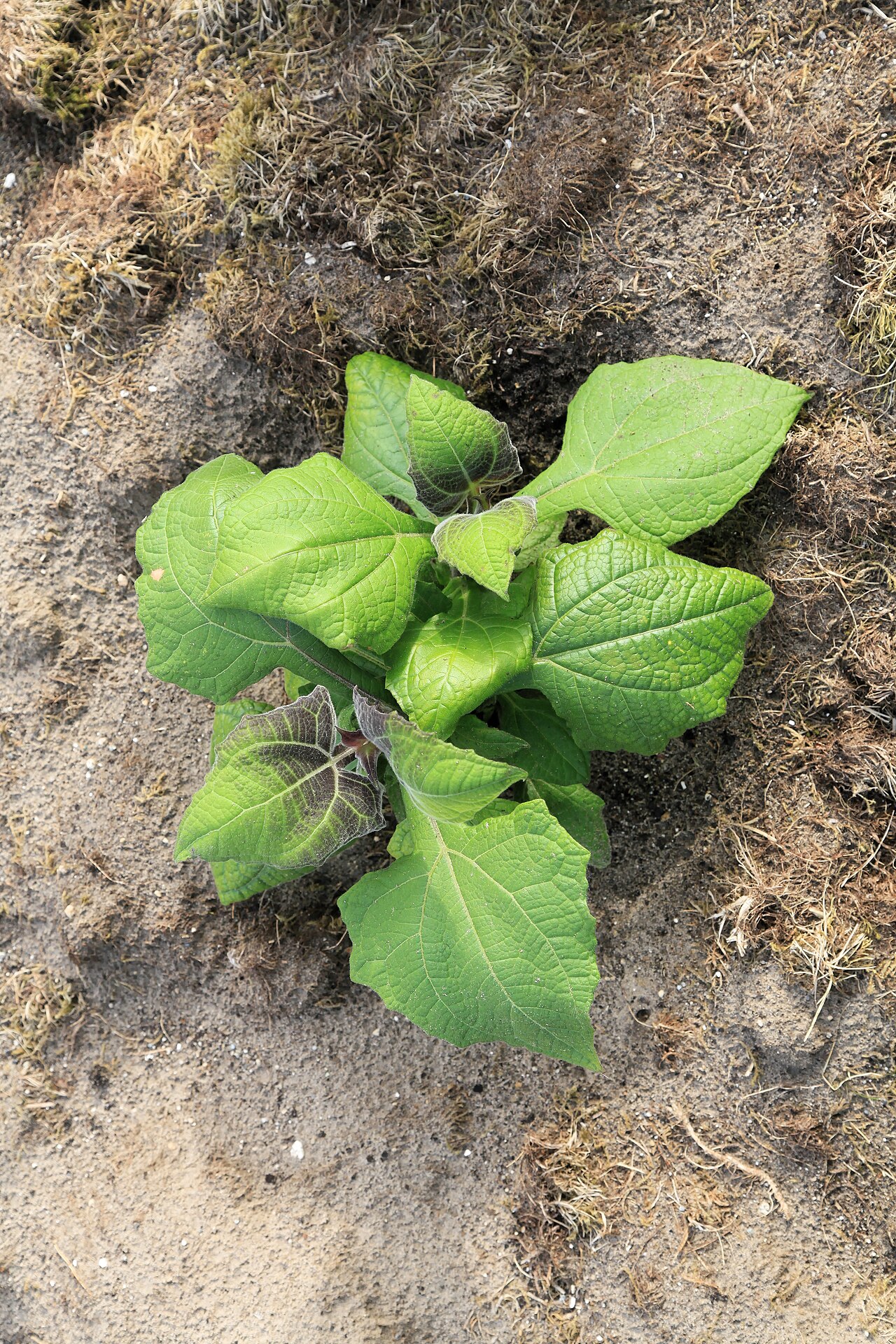
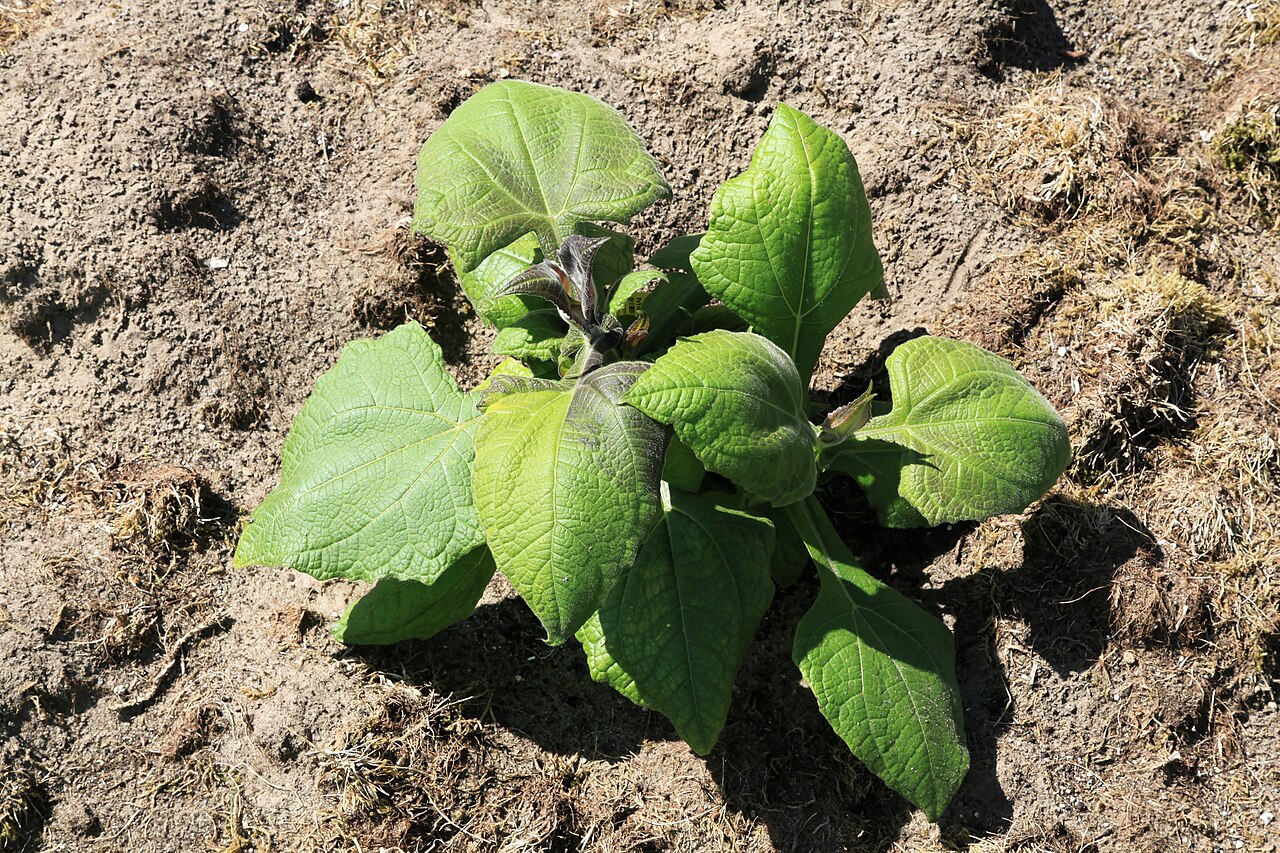
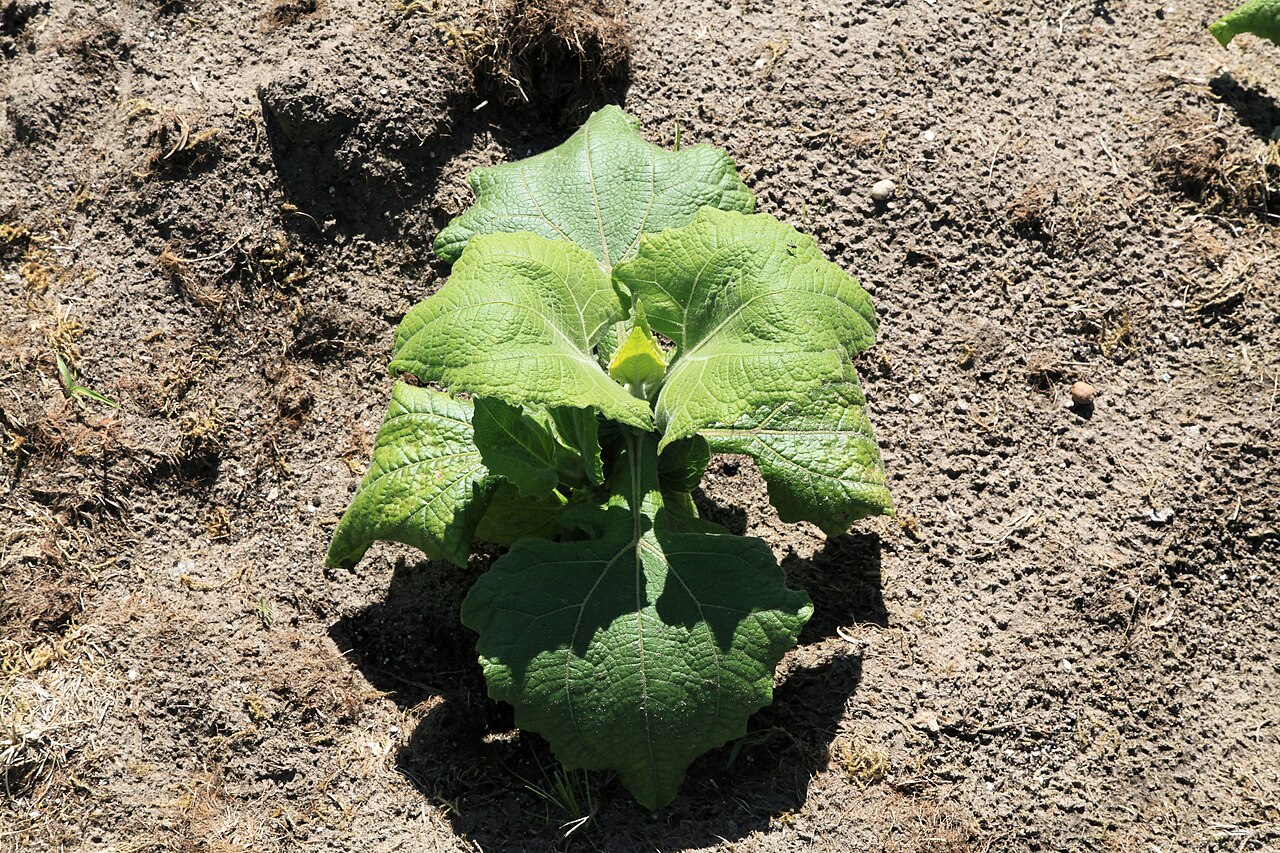
Why this variety
Late Red is a yacon variety from the research variety lists — its name tells you its character: red-toned, and later to finish than the early types. In a crop where season length is everything, a late variety is a deliberate choice: you are trading earliness for a full season of root development, and in Florida’s long growing season that trade can pay off.
The roots are crisp, sweet, and juicy like all good yacon, with the red coloring that makes them easy to distinguish at harvest. Eat them fresh and crisp, juice them, or cook them lightly — and give them the full season they ask for, because a late variety dug early is just a promise unkept.
If you are new to choosing between cultivars, the Varieties Matter guide explains why the name after the plant matters as much as the plant itself. And if you want the whole clan at a glance, the broader Yacon guide covers yacon generally.
How to grow
Plant crowns in spring, as early as your frost calendar allows, in north and central Florida — Late Red needs the whole season, so a spring planting is not optional, it is the plan. Loose, compost-rich, well-drained soil, 2 to 3 feet of spacing, heavy mulch, and steady water through summer.
Because it finishes late, do not judge it by your neighbors’ early yacon: Late Red is still sizing up when others are ready. Harvest in late fall when tops die back, and save crowns for replanting. In frost-prone north Florida, mulch crowns for winter.
Water & feeding
Water generously and evenly all season; a late variety that runs dry in late summer never catches up. Mulch heavily, feed with compost, and keep the bed moist through the final months, when roots are doing their most important filling.
Common problems
The main risk is a season cut short — plant early, harvest late, and do not let drought stall the finish. Pests are minor. As always with yacon, keep crowns for replanting and eat only the smooth storage roots.
Harvest
Harvest in late fall when tops die back, after the longest season you can give it. Separate crowns from storage roots, cure roots briefly to sweeten, and enjoy them fresh and crisp — the reward for waiting is a root that is fully sweet, not merely promising to be.
Nerdy fact: Yacon’s red types get their color from the same family of pigments that color many fruits and roots, and the color is more than decoration: it is a quick visual marker for growers sorting crowns from storage roots at harvest, when telling varieties apart matters and labels have long since washed away.
Saving seeds
Late Red is a yacon variety from the research variety lists — its name tells you its character, red-toned, and later to finish than the early types — and it is grown from crowns — plant crowns in spring, as early as your frost calendar allows, in loose, compost-rich, well-drained soil, and save crowns for replanting, harvesting in late fall when tops die back. The Propagation section of the Yacon guide covers propagation for the species.