
🥢 Oura Gobo Burdock
What it looks like
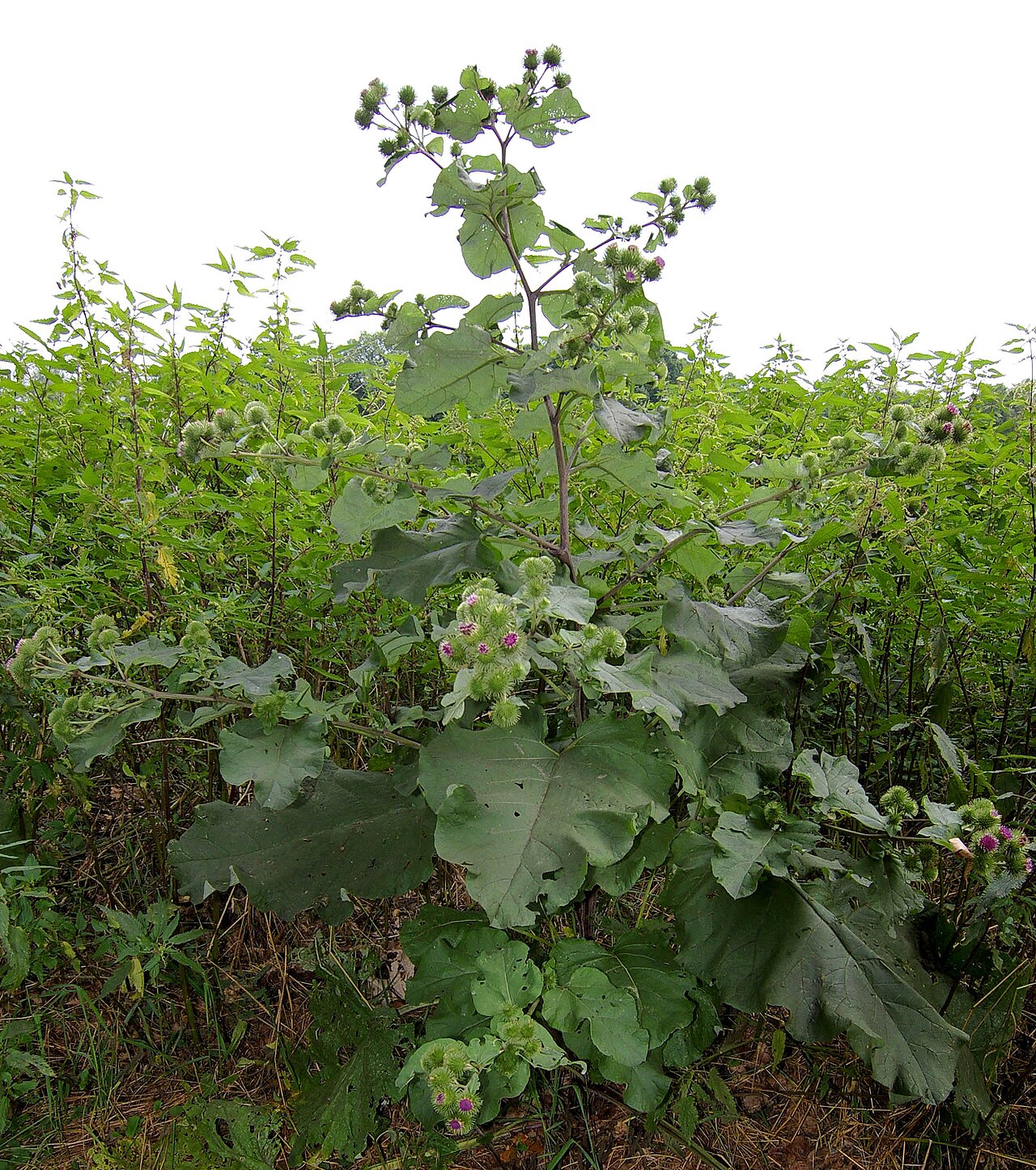
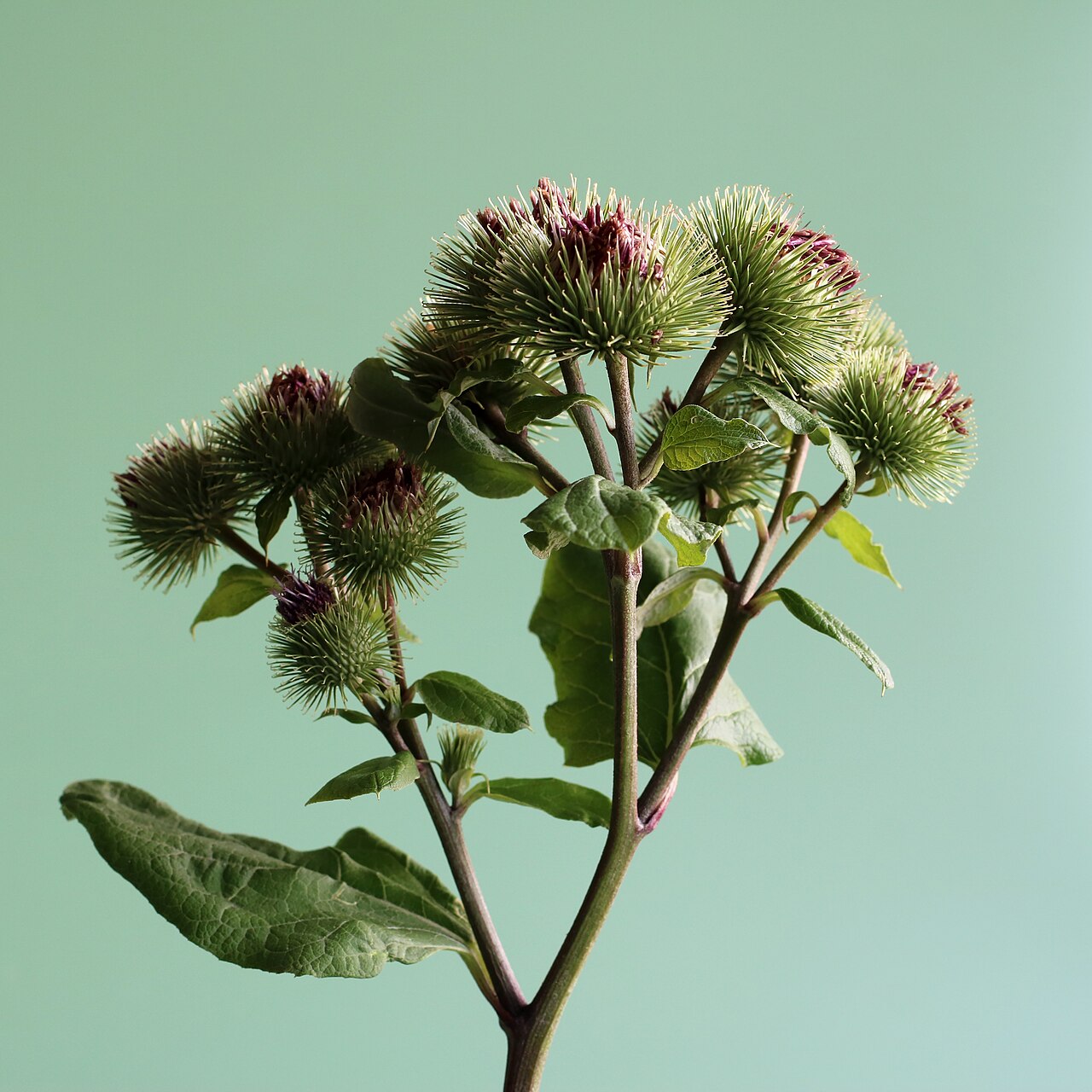
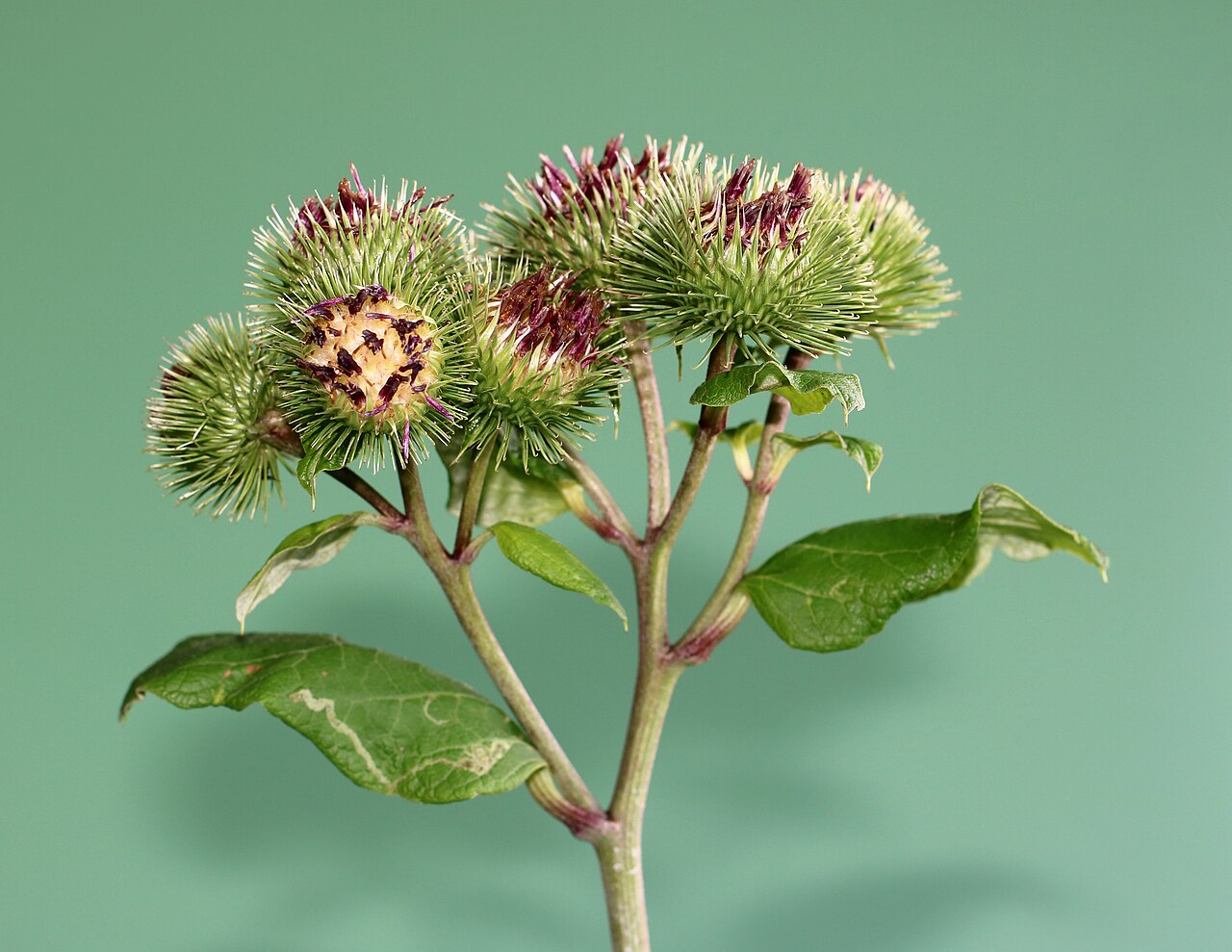
Why this variety
Oura Gobo — also written Ooura Gobo — is the thick one: a Japanese variety described as very thick, reaching about 10 cm in diameter and a metre in length, which puts it in a different league from the slender gobo most gardeners know. This is burdock as a statement root, the kind you dig up and immediately want to show someone before you cook it.
Thick does not mean tough if harvested young: cook it like other gobo, julienned for kimpira or simmered in soups, and appreciate that a thick root gives you more usable flesh per peel. Grow Oura Gobo when you have deep soil and a sense of occasion — a metre-long root is a garden story, not just dinner.
If you are new to choosing between cultivars, the Varieties Matter guide explains why the name after the plant matters as much as the plant itself. And if you want the whole clan at a glance, the broader Burdock guide covers burdock generally.
How to grow
In Florida, grow Oura Gobo for first-year roots in the cool season in the north, sowing in fall. Depth is everything: a root that can reach a metre needs soil deeper than most beds, so a deep raised bed or a deeply double-dug row is not a luxury here, it is the requirement. Stone-free soil is mandatory — a stone in the path of a metre-long root is a fork, a bend, or a break.
Direct-sow, thin to the wider spacing, keep moist, and do not transplant. Harvest in the first year, before the second-year bolt turns the root woody.
Water & feeding
Deep, steady watering and mulch; a thick root needs consistent moisture to stay crisp rather than woody. Compost at planting suffices. Water deeply so moisture reaches the full root zone — a surface sprinkle will not reach a root a metre down.
Common problems
Snapping is the big risk with a root this long: dig a deep trench alongside the row and lift from below, never pull from the top. Burrs from second-year plants, heat turning roots fibrous, and stones forking roots complete the usual list. Manage them with timely harvest and site choice.
Harvest
Dig first-year roots in the cool season, with a trench and patience. A thick root peels efficiently and gives generous julienne for kimpira, soups, and pickles. Drop cut pieces into acidulated water to prevent browning while you work.
Nerdy fact: Gobo has been cultivated in Japan for centuries as a staple vegetable, not a novelty — kimpira gobo, the julienned burdock and carrot braise, is a classic home dish there, which means burdock’s reputation as a weed in the West is a cultural accident: the same plant is dinner in one country and a nuisance in another.
Saving seeds
Oura Gobo — also written Ooura Gobo — is the thick one: a Japanese variety described as very thick, reaching about 10 cm in diameter and a metre in length, which puts it in a different league from the slender gobo most gardeners know. This is burdock as a statement root, the kind you dig up and immediately want to show someone before you cook it. Thick does not mean tough if harvested young: cook it like other gobo, julienned for kimpira or simmered in soups. As an open-pollinated variety it comes true from seed: in Florida, grow Oura Gobo for first-year roots in the cool season in the north, sowing in fall — direct-sow, thin to the wider spacing, keep moist, and do not transplant. The full method is in the Saving seeds section of the Burdock guide.