
🌿 Gruner Red Purslane
What it looks like
Why this variety
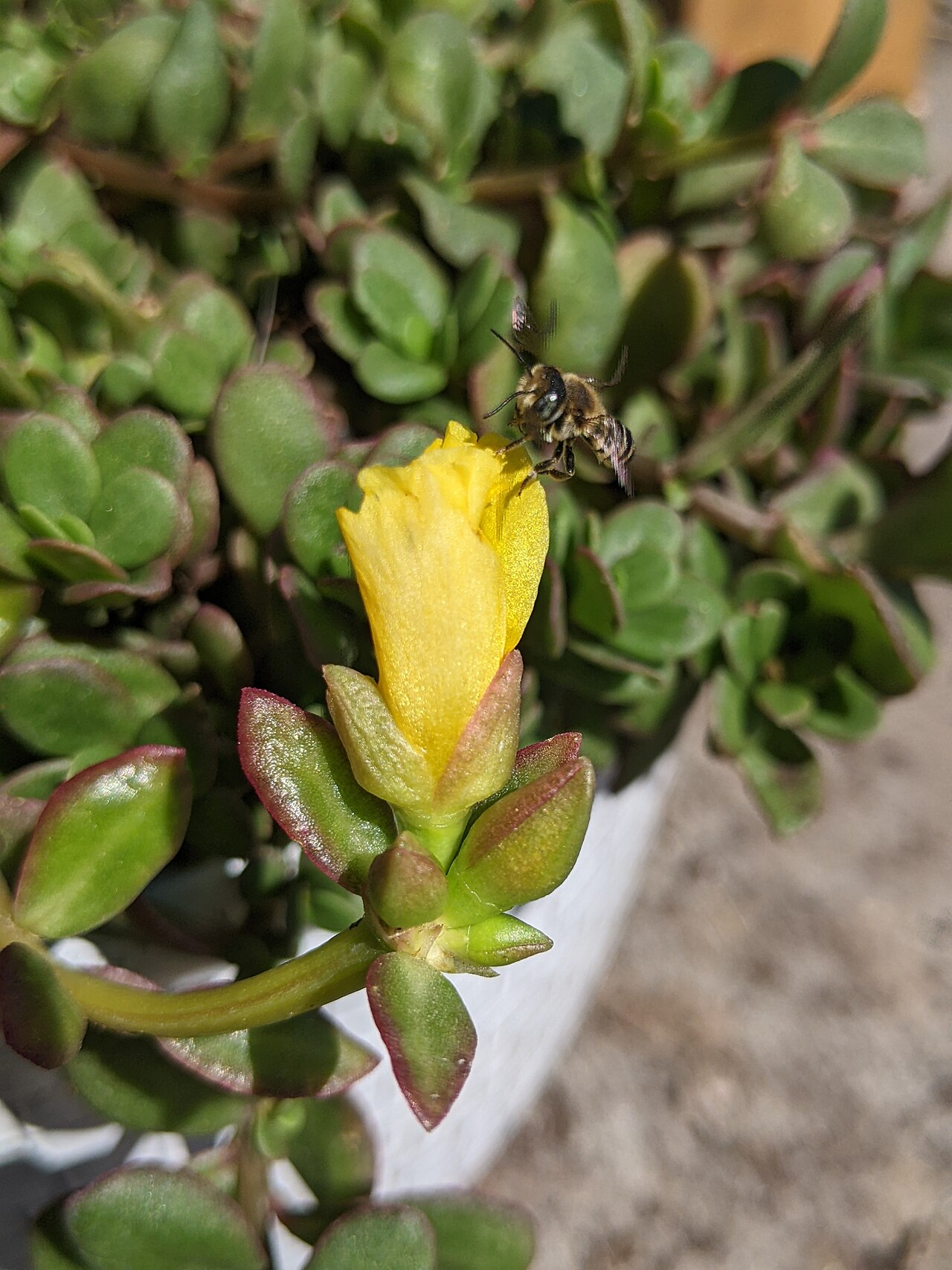
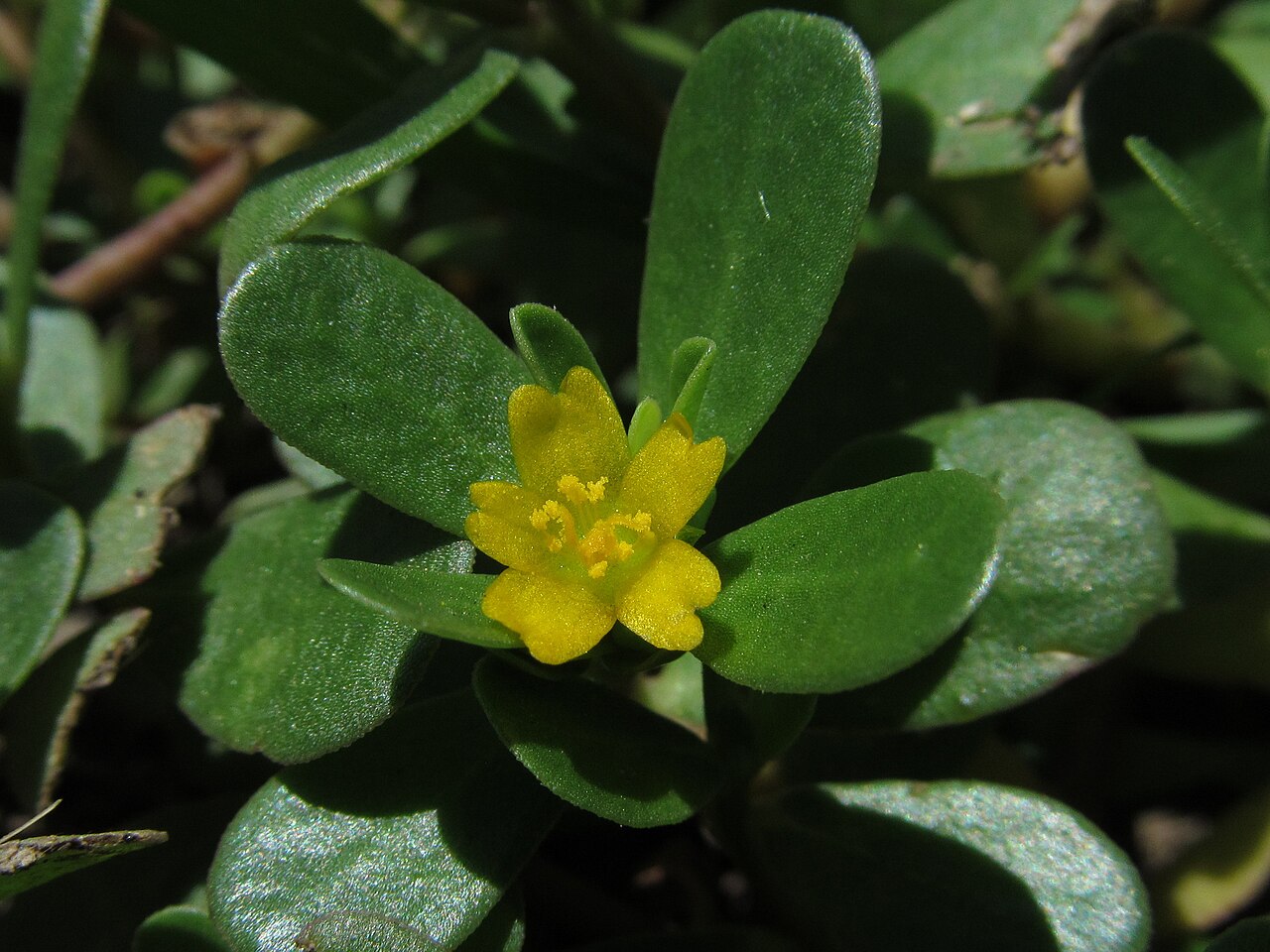
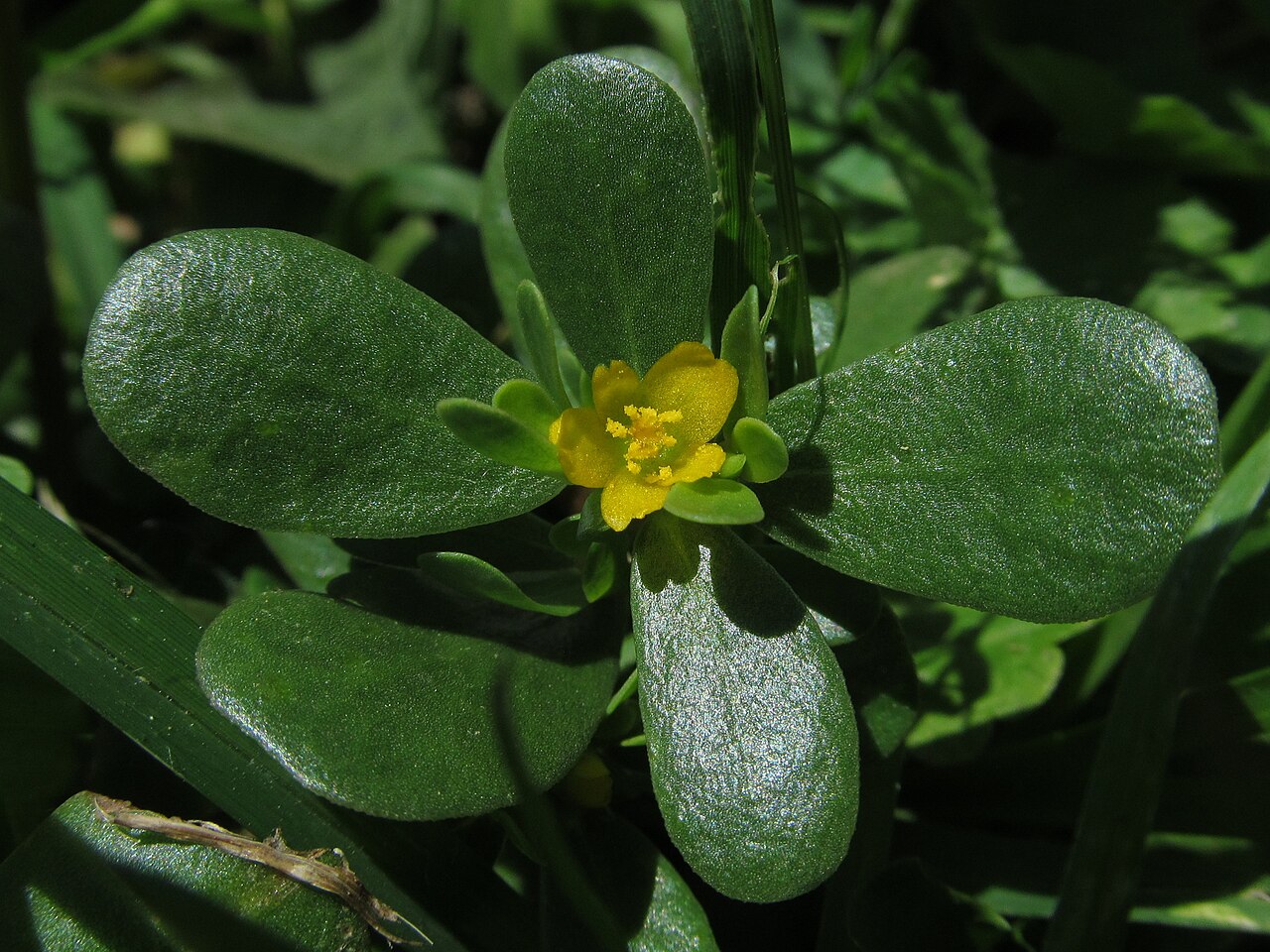
Gruner Red — also sold as Red Gruner — is one of the classic cultivated purslanes named in extension lists alongside Goldberg Golden: a green-leaved type carried on distinctly reddish stems, upright enough to cut cleanly and pretty enough to earn a salad’s attention before anyone tastes it. It is the purslane to grow if you want the classic lemony succulent flavor with a little color in the stems.
Like the other cultivated types it is a selection of Portulaca oleracea, not the weedy form, with larger leaves and a more upright habit. The flavor is the same bright, lemony, slightly salty succulence that makes purslane a summer staple in Mediterranean and Mexican cooking.
How to grow
Direct-sow in warm soil, barely covering seeds, and thin to 6–8 inches apart. Give it full sun and well-drained soil; it tolerates poor soil but grows best with compost and steady water.
In Florida, grow purslane deliberately in a container or a contained raised bed. Purslane self-seeds aggressively, and stem fragments root where they land — a plant left to flower in an open bed will volunteer for years. A pot keeps that vigor where you want it.
Water & feeding
Water steadily for crisp leaves, letting container soil dry slightly between waterings. Purslane stores water in its leaves, so it forgives a dry spell, but drought-stressed leaves turn tough. Feed lightly or not at all; overfeeding makes soft, floppy growth.
Common problems
- Aphids and whiteflies — worst in warm, dry spells. Blast with water, encourage beneficial insects, and remove badly infested tips rather than spraying the whole plant.
- Slugs and snails — ragged holes after rain. Keep mulch pulled back from stems, use beer traps, and check plants in the morning.
- Heat stress — wilting in afternoon sun even in moist soil. Afternoon shade, mulch, and morning watering keep leaves tender; tough, small leaves are the plant asking for shade and water.
- Fungal leaf spots — in humid weather with poor airflow. Space plants for air, water at the base, and remove spotted leaves promptly.
- Self-seeding takeover — many of these greens seed prolifically. Deadhead or harvest before seed sets if you do not want volunteers, and pull seedlings while they are small.
Harvest
Cut stems and leaves once plants are well established, about 4–6 weeks after sowing, leaving a couple of inches of stem so plants regrow. Pick young, tender stems — older stems get coarse — and harvest before plants flower if you do not want volunteers. Use fresh the same day for the best crunch.
Browse all plant & pest guides
Saving seeds
Gruner Red is one of the classic cultivated purslanes, a selection of Portulaca oleracea sold as seed, so saved seed comes true — let a few plants flower and self-seed, ideally in a container, since purslane volunteers aggressively. The full method is in the Saving seeds section of the Purslane guide.