
🌿 Purslane
What it looks like
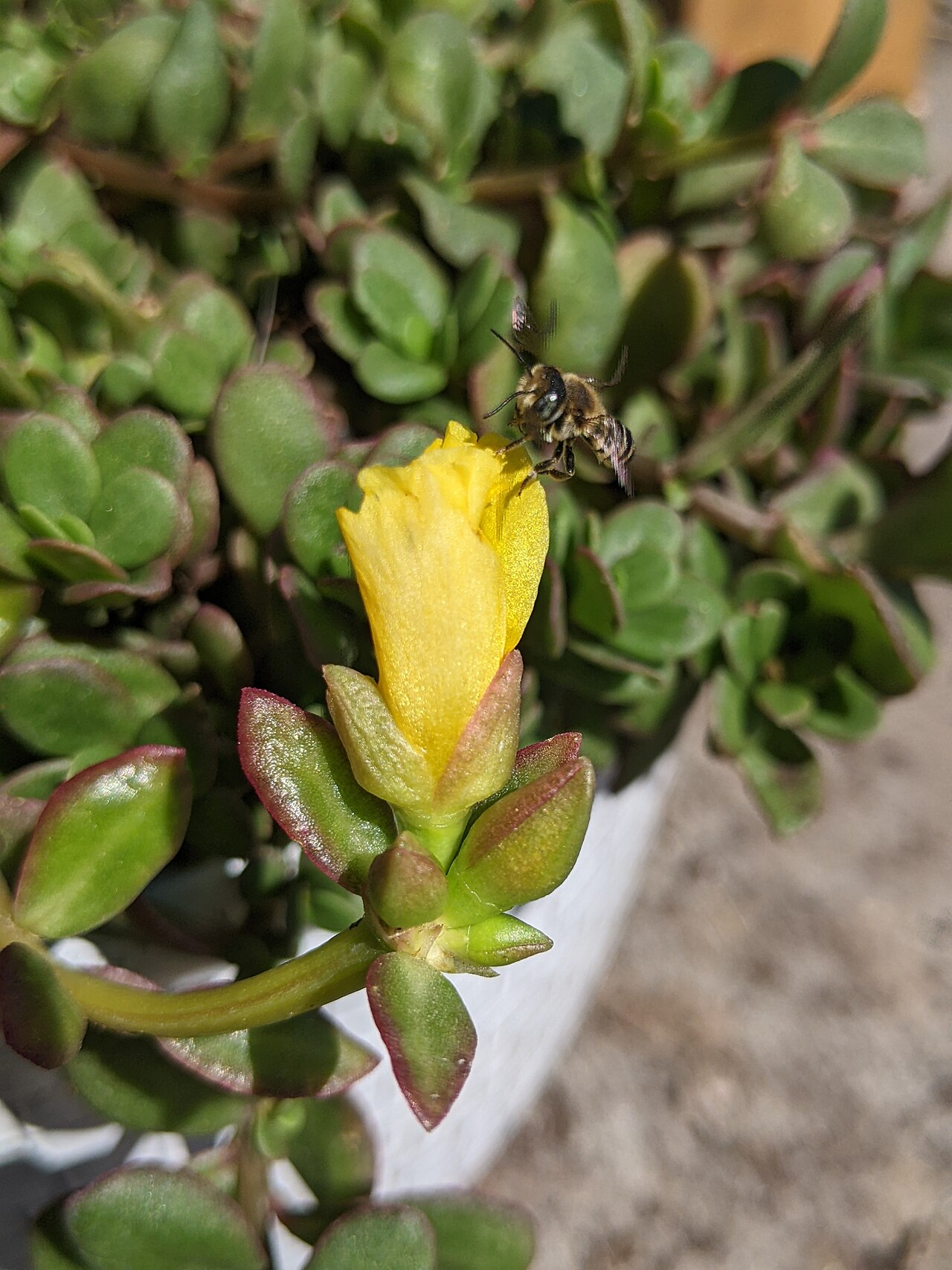
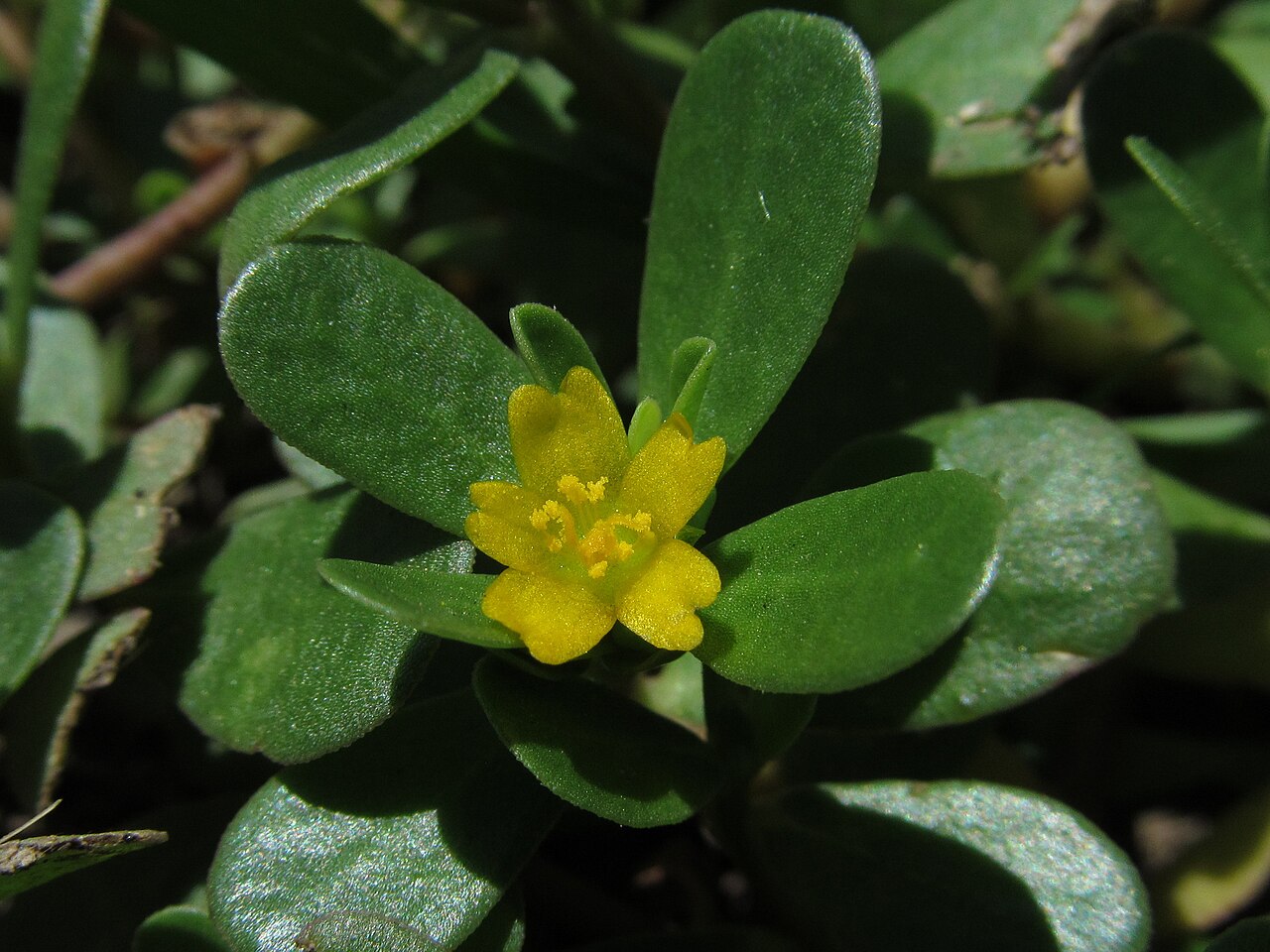
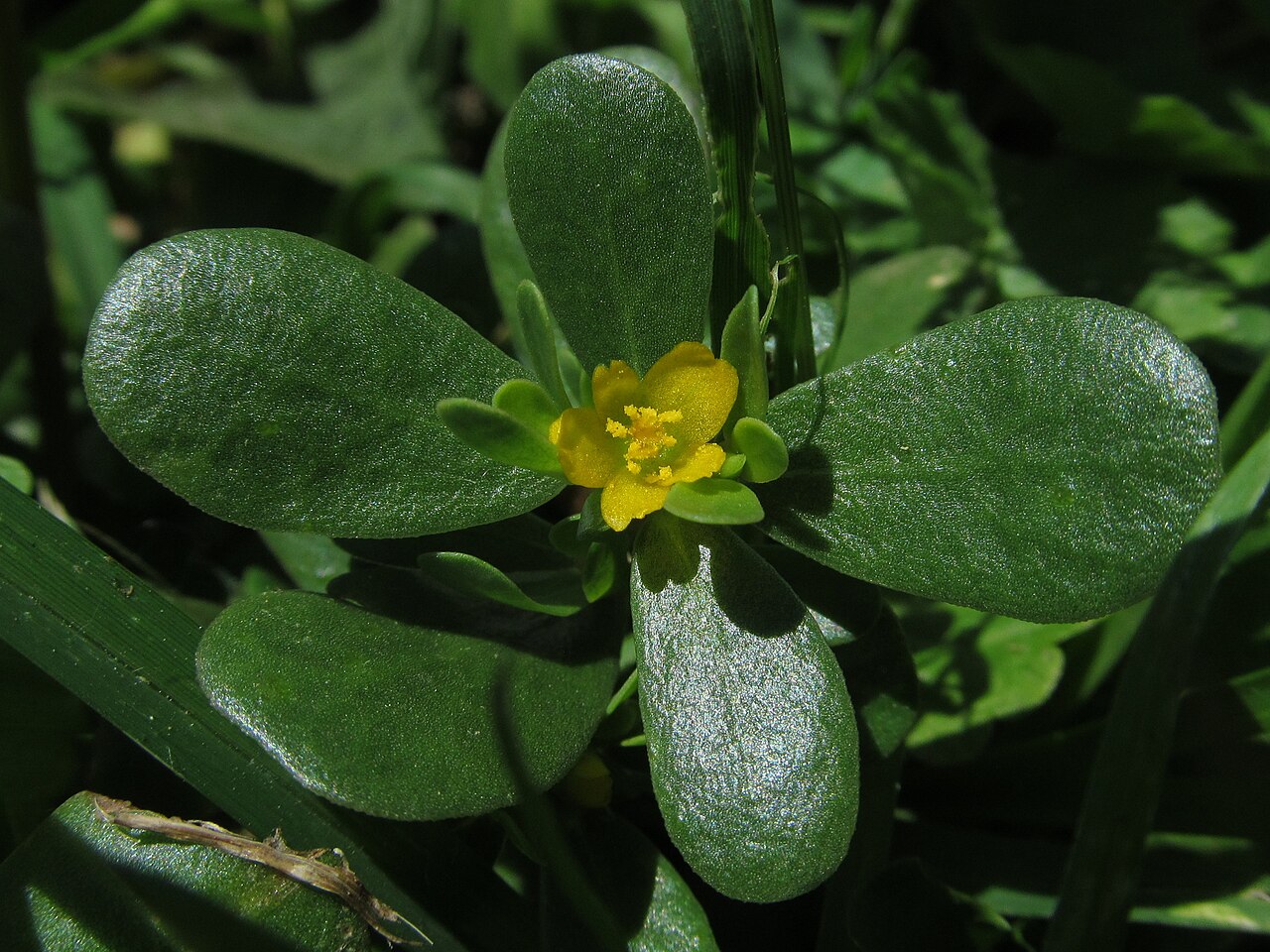
How to grow
Purslane is a low, spreading succulent grown for crisp, lemony leaves and stems rich in omega-3 fatty acids — and it is also one of the world’s most common garden weeds, so grow it deliberately, not accidentally. The safest way is in containers or a contained raised bed: direct-sow after the last frost, pressing tiny seeds onto the soil surface without covering them, and keep them moist until germination in 7–14 days at soil temperatures above 70°F. Thin to 6–8 inches apart. Purslane loves heat, tolerates poor soil and drought, and self-seeds prolifically — a single plant can make tens of thousands of seeds viable for years. Harvest before flowering, never compost seeding plants, and check your state’s listing: purslane is listed as invasive in parts of the United States, including Florida, where it should not be planted in open beds near natural areas.
Water & feeding
Water deeply but infrequently, only when the top inch of soil is dry — purslane is a succulent and rots in soggy soil. It needs almost no fertilizer; rich soil and heavy feeding make soft, sprawling growth. Neglect, in this case, is a growing technique.
Common problems
- Escaping the garden — grow in containers, harvest before seed, and pull volunteers promptly.
- Confusion with spurge — spurge (Euphorbia) looks similar but has milky sap when broken and is toxic; purslane sap is clear. When in doubt, do not eat it.
- Oxalates — purslane is high in soluble oxalates; people with kidney stones should limit intake and cook it, which reduces oxalates.
- Botrytis in humid, crowded pots — space wider and elevate pots for airflow.
Harvest
Harvest young stems and leaves from about 3–4 weeks after sowing, cutting tender tips regularly for continuous production. Older plants turn stringy and bitter after flowering, so succession-sow for tender greens all season. Eat purslane raw in salads and sandwiches, sauté it like spinach, or add it to soups, where its slight mucilage thickens the broth. Wash thoroughly — low-growing leaves collect soil — and never harvest purslane from roadsides, old orchards, or soil of unknown history.
Browse all plant & pest guides
Saving seeds
Purslane seed is so easy to save that the real question is whether you need to save it at all. A single purslane plant produces thousands of tiny black seeds, and it self-sows so freely that most Florida gardeners get next year’s purslane whether they want it or not. But if you want a deliberate patch — or you want seed from a particularly fat, tasty plant — here is how to catch it.
Watch the seed capsules. After the small yellow flowers fade, tiny capsules form in the leaf axils, and they split open when ripe, flinging seed a short distance. The trick is to catch them just before they pop: when the capsules turn tan and papery, snip the whole stem into a paper bag and let it finish drying indoors. Shake the bag after a few days and the seed falls out. Winnow away the chaff with a gentle breath or a fine sieve, and store the seed in a paper envelope in a cool, dry place. Purslane seed keeps for years.
One caution, and it is a real one: purslane is a vigorous self-seeder, and seed you scatter is seed that will show up everywhere — in paths, in pots, in the lawn. That is a feature if you love purslane and a weed problem if you do not. Sow it where you are happy to see it return, and deadhead plants you do not want seeding. If you are saving seed from a garden purslane rather than a wild one, know that the two cross freely, so your saved seed may produce plants that look more wild than garden.
In Florida, purslane is a warm-season plant that thrives in the heat and shrugs at humidity. Sow saved seed on the soil surface in spring or summer — it needs light to germinate, so do not bury it — and keep it moist until it is up. Then mostly leave it alone: purslane is a succulent that would rather be under-watered than over-watered.
Varieties
Every named variety of Purslane with its own growing guide:
- Green Purslane — The classic green purslane — succulent, lemony leaves, omega-3 rich, and the summer green that thrives on neglect.
- Golden Purslane — The golden purslane — yellow-green succulent leaves, milder and more tender, and the prettiest purslane on the plate.
- Goldberg Golden Purslane — The large-leaved golden purslane — big, broad golden leaves, upright and clean, and the gourmet purslane.
- Goldgelber Purslane — The giant golden purslane: light-green, slightly long leaves on a fast plant ready in about 26 days.
- Gruner Red Purslane — The red-stemmed purslane: green leaves on reddish stems, listed among the classic cultivated purslanes.