
🌿 Golden Purslane
What it looks like
Why this variety
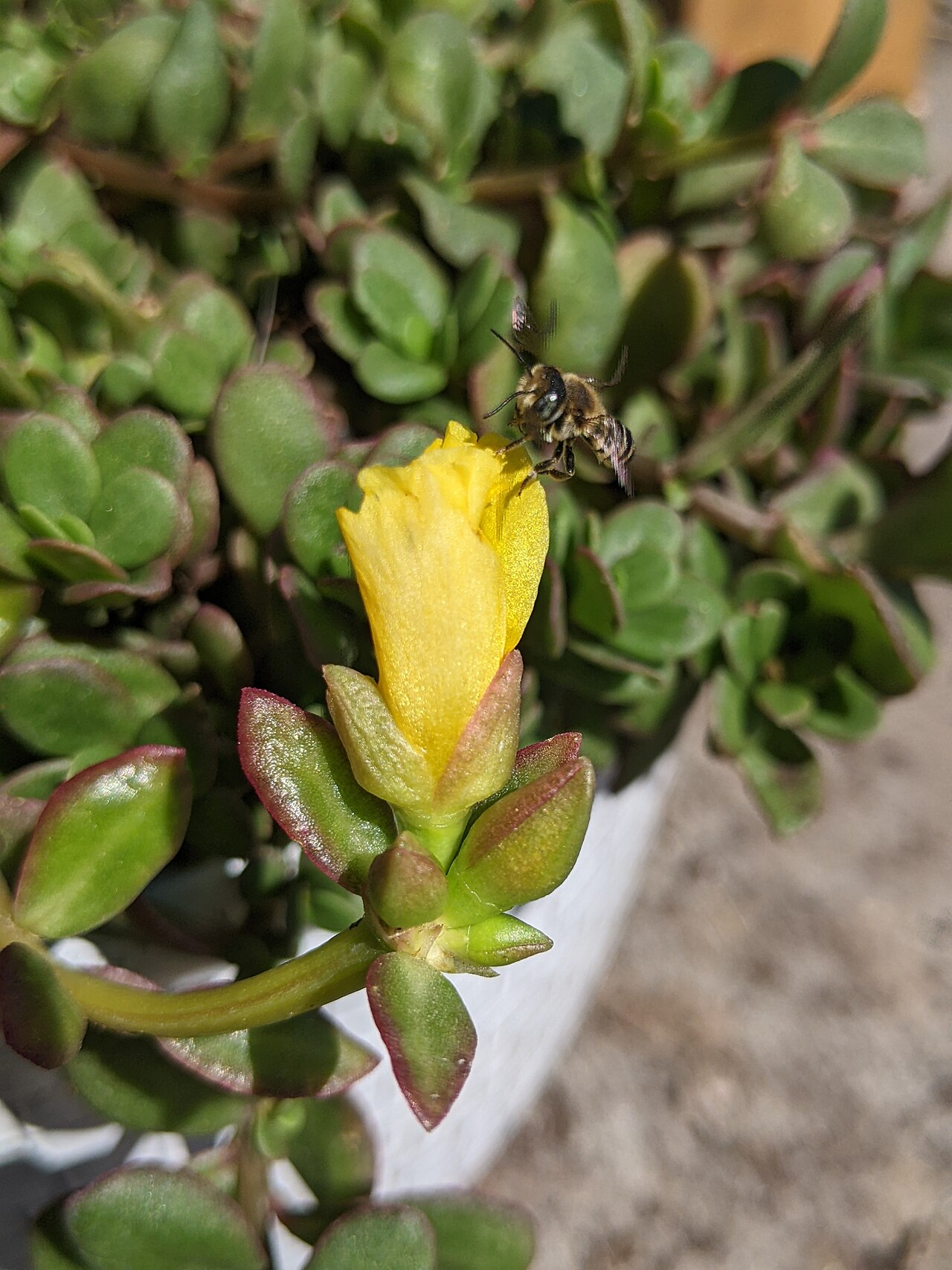
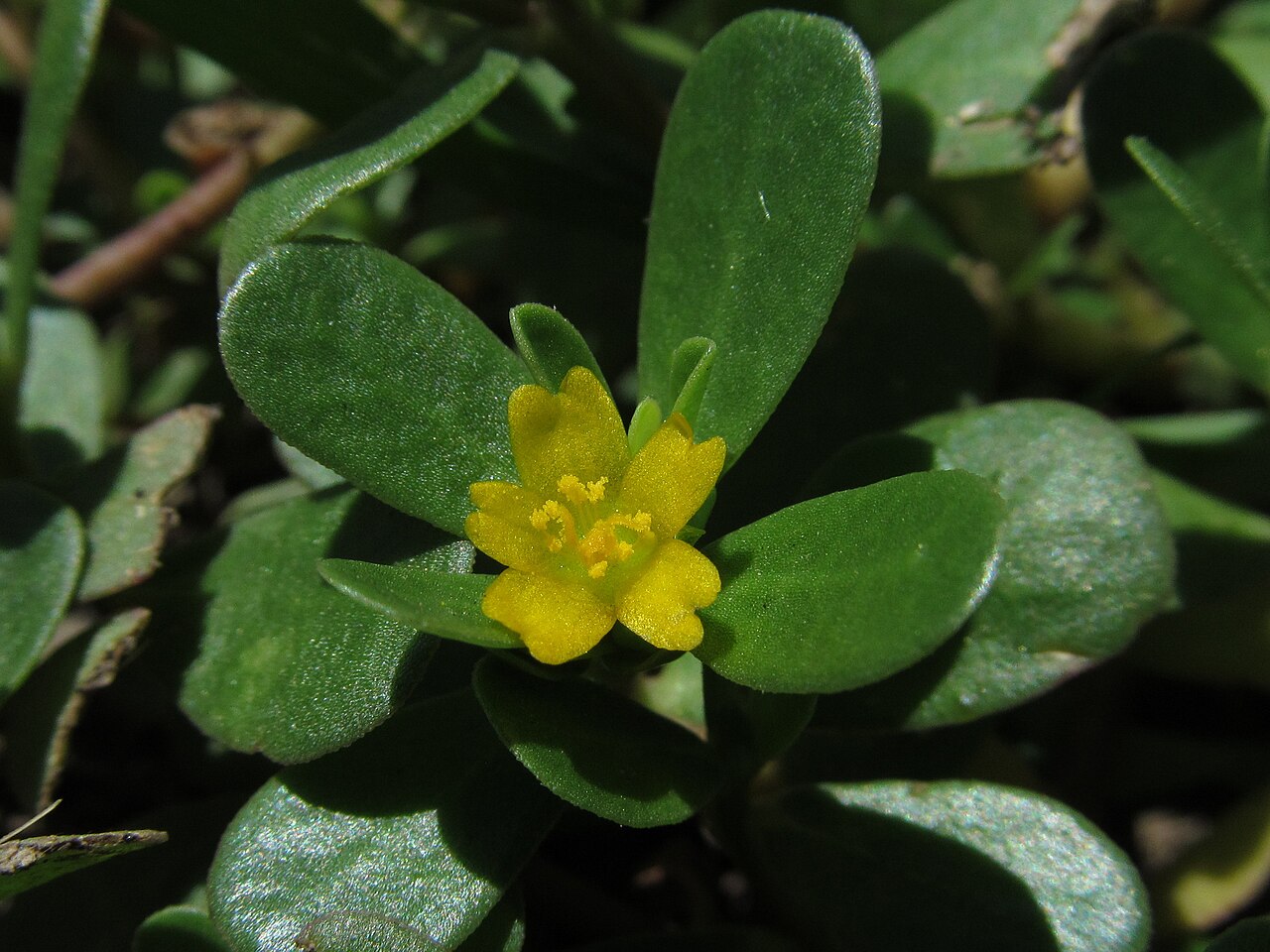
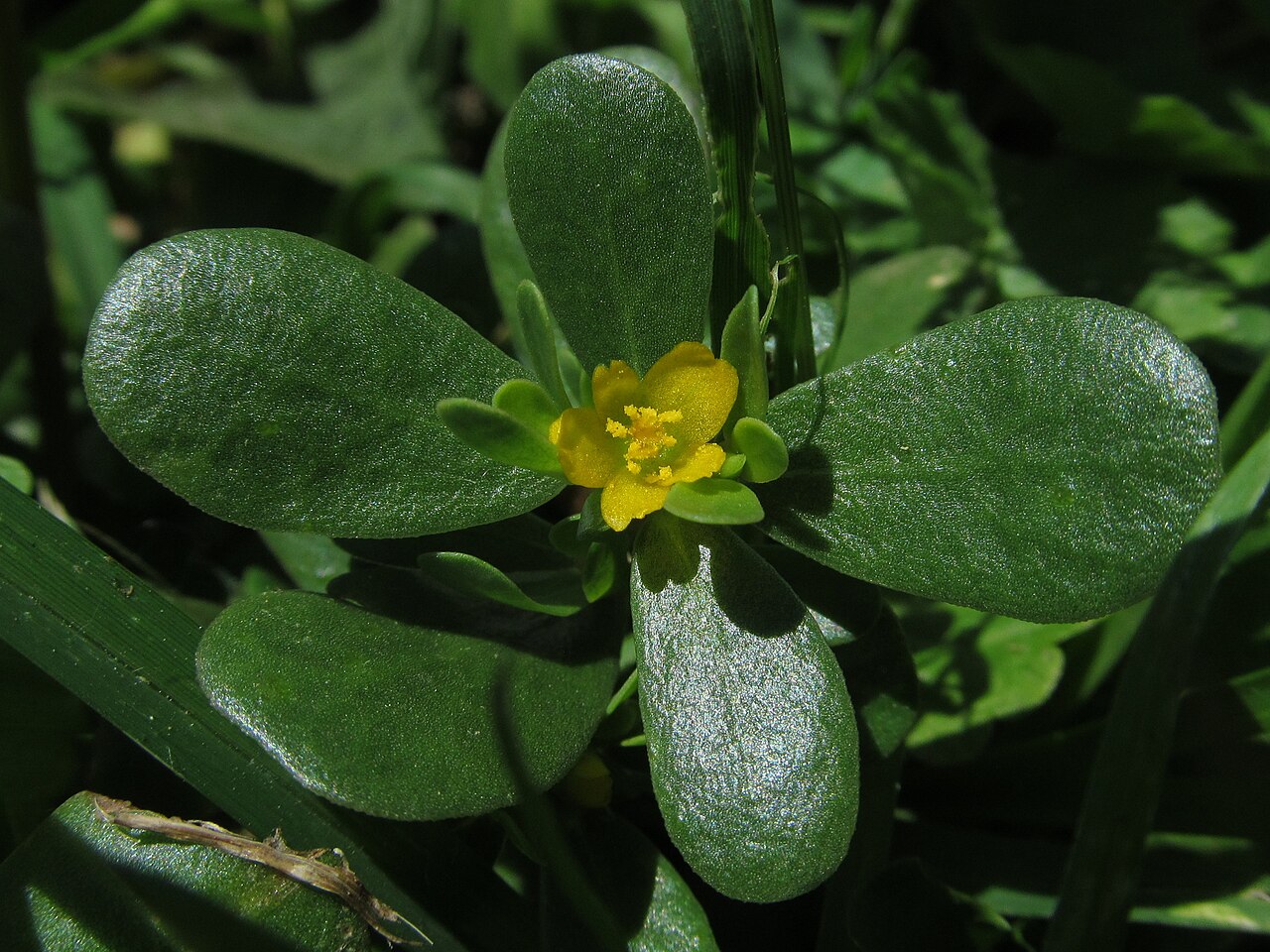
Golden Purslane is the cultivated golden form of garden purslane: succulent yellow-green leaves on upright stems, a milder, more tender bite than the green form, and a color that makes a salad look intentional rather than foraged. It is sold as the golden sativa form — a garden strain rather than a single registered cultivar — and French gardeners, who have grown purslane as a vegetable for centuries, have long preferred the golden form for its tenderness, even though it is a touch less hardy than the green.
Tenderness is the selling point: golden leaves are softer, juicier, and less assertively sour than green purslane, which makes them the better choice raw in salads and as a garnish, where texture is half the experience. If green purslane ever struck you as a little too wild-tasting, Golden is the form that talks you back in — same nutrition, gentler delivery.
If you are new to choosing between cultivars, the Varieties Matter guide explains why the name after the plant matters as much as the plant itself. And if you want the whole clan at a glance, the broader Purslane guide covers purslane generally.
How to grow
In Florida, purslane is in its element: this is a heat-loving succulent that treats a humid summer the way other greens treat a mild spring, which is to say, with enthusiasm. Plant it after the soil warms and pick it all summer, when the cool-season greens have long since given up. One honest warning, though: purslane self-seeds with legendary generosity, so grow the cultivated upright forms in a bed you control, harvest before it scatters seed everywhere, and never let it convince you that the weedy flat form in the driveway is the same dinner — the cultivated forms are upright, clean, and bred for the table.
Grow it like green purslane: sow after the soil warms, thin to 6–12 inches apart, and give it full sun and well-drained soil. Golden is slightly less hardy than green, so give it the warmest, sunniest spot and do not sow it into cold, wet soil — a warm start gives you a tender plant, and a cold start gives you a sulk. Water regularly for plump leaves, and harvest before seed set to keep the patch where you put it.
Water & feeding
Purslane is a succulent, so it tolerates drought better than almost any other green — but the leaves are plumpest and mildest with regular water. Water when the soil dries, mulch lightly, and feed sparingly; overfeeding a succulent just gives you leggy stems and less flavor per bite.
Common problems
Few pests bother purslane, and golden is no exception — the management job is containment, not pest control. A golden plant left to seed will scatter volunteers, and while volunteers are edible, they will not all stay golden; seed from a golden plant can throw green-leaved offspring, which is genetics being honest with you. Pull seed heads before they shatter if you want to keep the patch golden.
Harvest
Pick young stems and leaves as needed, in the morning when they are crispest, and use them raw for the best color and tenderness. Older stems can be cooked briefly into soups, where they add body and a mild lemon tang without the assertive sourness of the green form.
Nerdy fact: The golden color is not a dye job: golden purslane leaves simply carry less chlorophyll and more yellow pigments than green leaves, which is why they look sunlit even in shade. Less chlorophyll also means a slightly less vigorous plant, which is the honest trade for tenderness — beauty, as usual, costs a little energy.
Saving seeds
Golden Purslane is the cultivated golden sativa form of garden purslane, a garden strain rather than a single cultivar, so saved seed comes true — but purslane self-seeds with legendary generosity, so harvest the seed heads before they scatter or you’ll have it everywhere. The full method is in the Saving seeds section of the Purslane guide.