
🌿 Green Purslane
What it looks like
Why this variety
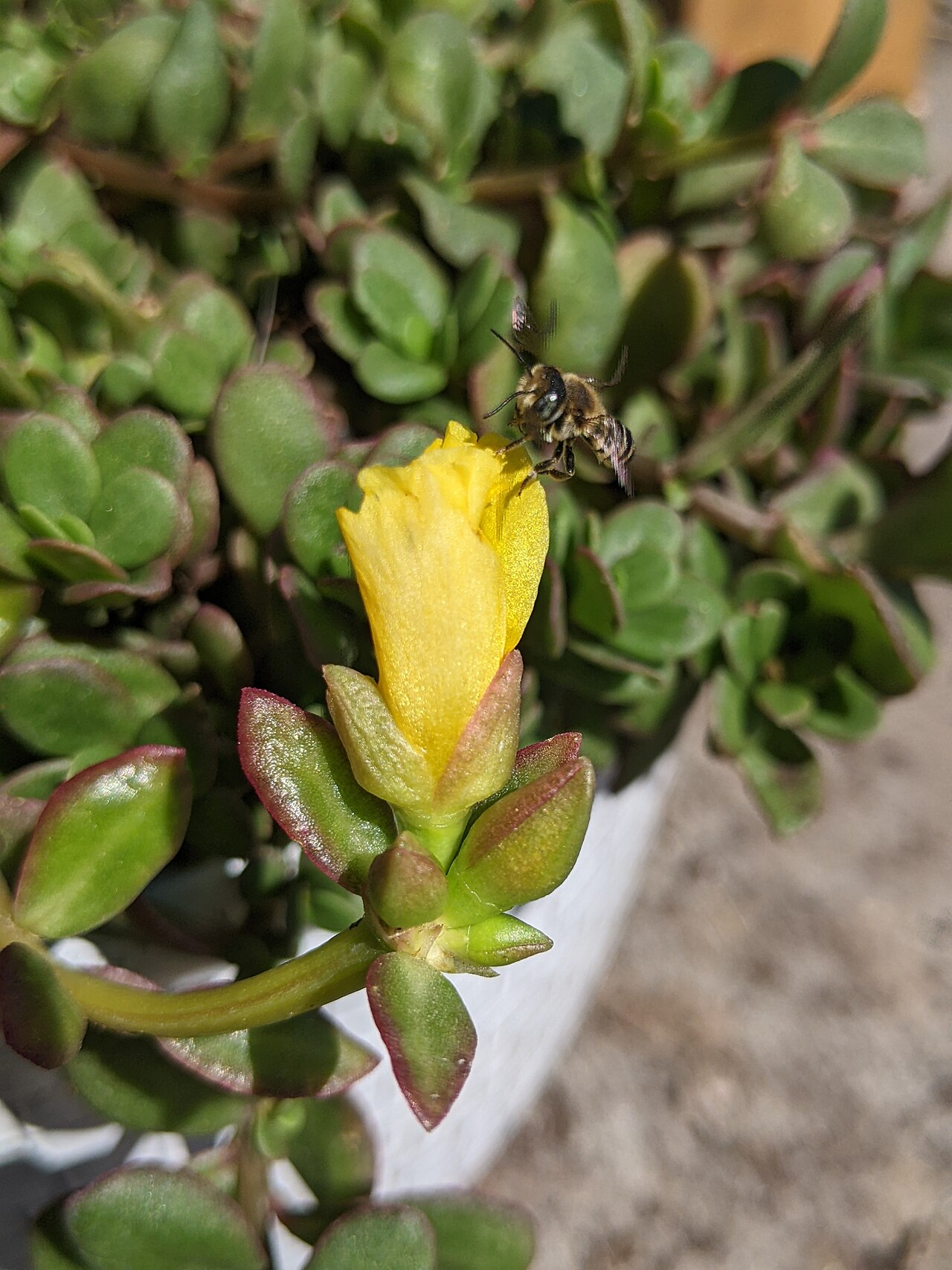
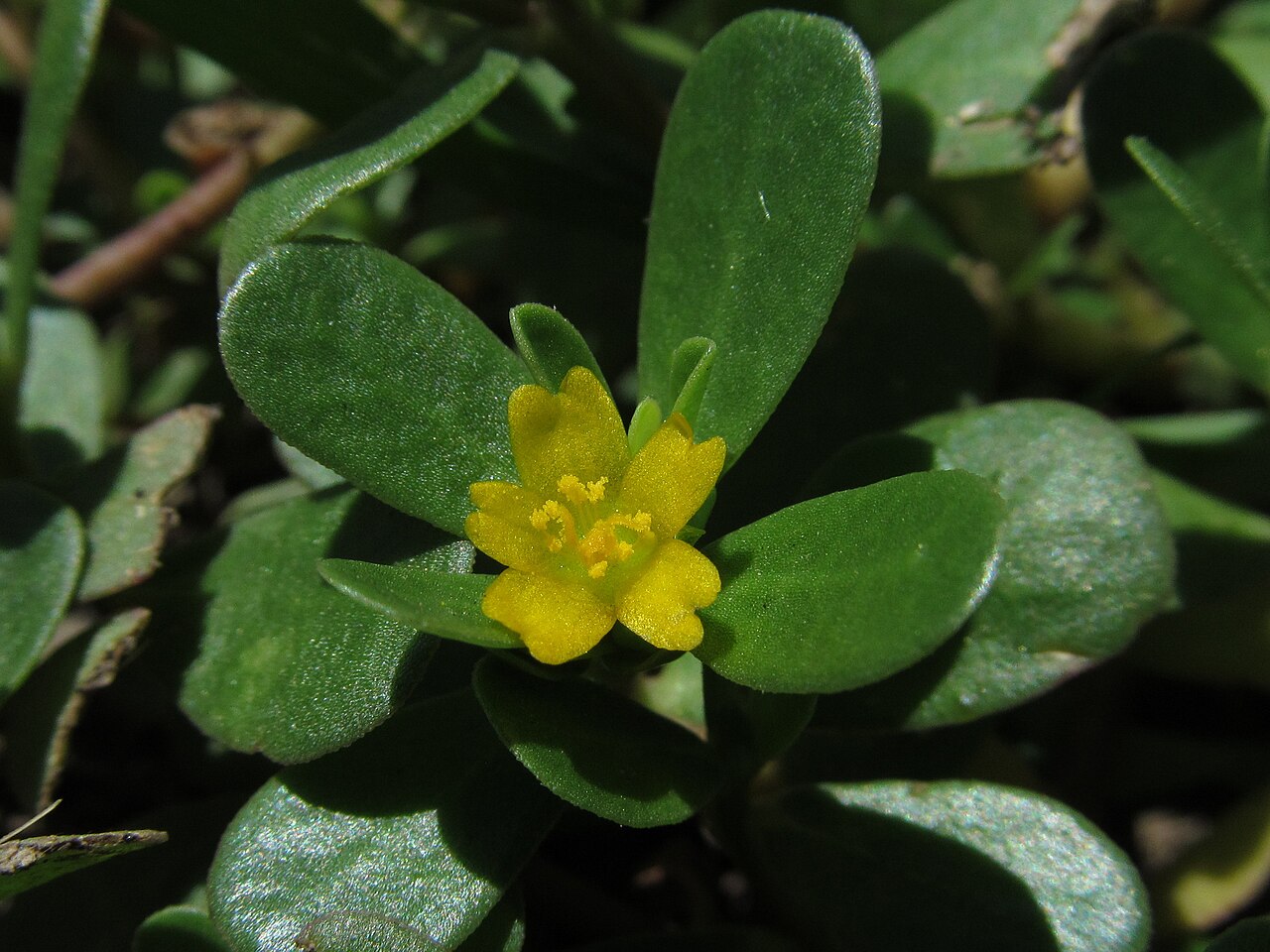
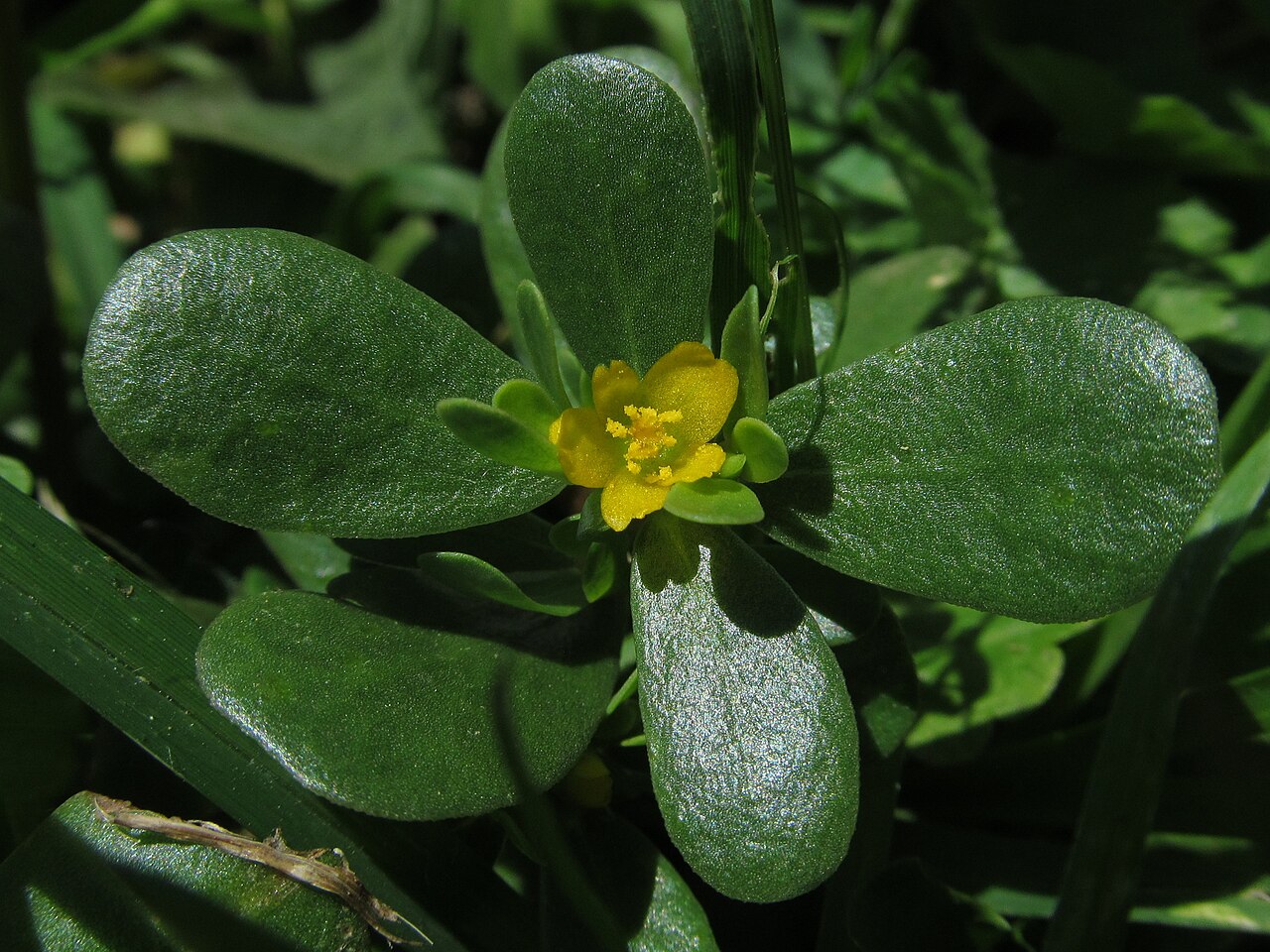
Green Purslane is the original cultivated purslane: low-growing, succulent, dark-green leaves on spreading stems, with the crisp, lemony-tangy flavor that made purslane a prized green in Mediterranean and Latin American kitchens long before it became a health-food headline. It is sold as the green sativa form of garden purslane — an upright, clean-growing cultivated form, distinct from the flat weedy purslane that colonizes driveways — and it is prized for yields of tender leaves from a plant that asks for almost nothing.
The nutrition pitch is real, not hype: purslane is famously rich in omega-3 fatty acids for a leafy green, along with vitamins A, C, and E, which is a lot of nutrition from a plant that will grow in a crack. Eat it raw for crunch and tang, or cook it briefly — it thickens soups the way okra does, which is either a bonus or a warning depending on your feelings about mucilage.
If you are new to choosing between cultivars, the Varieties Matter guide explains why the name after the plant matters as much as the plant itself. And if you want the whole clan at a glance, the broader Purslane guide covers purslane generally.
How to grow
In Florida, purslane is in its element: this is a heat-loving succulent that treats a humid summer the way other greens treat a mild spring, which is to say, with enthusiasm. Plant it after the soil warms and pick it all summer, when the cool-season greens have long since given up. One honest warning, though: purslane self-seeds with legendary generosity, so grow the cultivated upright forms in a bed you control, harvest before it scatters seed everywhere, and never let it convince you that the weedy flat form in the driveway is the same dinner — the cultivated forms are upright, clean, and bred for the table.
Sow directly after the soil warms, barely covering the dust-fine seed, and thin to 6–12 inches apart — or transplant seedlings if you want a tidier bed. Purslane wants sun and heat and tolerates poor, dry soil, but the leaves are plumpest with regular water, so do not confuse tolerance with preference. Harvest before it sets seed unless you want volunteers, because a purslane plant can scatter tens of thousands of seeds with the enthusiasm of a plant that has never heard of moderation.
Water & feeding
Purslane is a succulent, so it tolerates drought better than almost any other green — but the leaves are plumpest and mildest with regular water. Water when the soil dries, mulch lightly, and feed sparingly; overfeeding a succulent just gives you leggy stems and less flavor per bite.
Common problems
Purslane has few serious pests — its succulence deters most chewers, and its speed outruns most diseases. The real management issue is self-seeding: pull plants before they scatter seed if you do not want a purslane lawn next year, and keep it out of beds where its seedlings would compete with slower crops. Overwatering in heavy soil can rot the stems, so drainage matters more than fertilizer here.
Harvest
Snip stems and leaves as needed once the plant is a few inches across, and harvest in the morning when the leaves are plumpest. Young stems are tender enough to eat whole; older stems are best cooked. For the best flavor, pick before flowering — after that, the plant puts its energy into seed and the leaves turn tougher and sharper.
Nerdy fact: Purslane is a succulent that photosynthesizes with a trick: it can switch to a water-saving CAM-style metabolism in drought, closing its pores by day and fixing carbon at night like a cactus. That is why a purslane plant can look perfectly happy in a hot, dry bed where a lettuce would have filed a formal complaint.
Saving seeds
Green Purslane is the original cultivated purslane, the green sativa form, grown from seed, so saved seed comes true — but purslane self-seeds with legendary generosity, so harvest the seed heads before they scatter or you’ll have it everywhere. The full method is in the Saving seeds section of the Purslane guide.