
🌿 Goldgelber Purslane
What it looks like
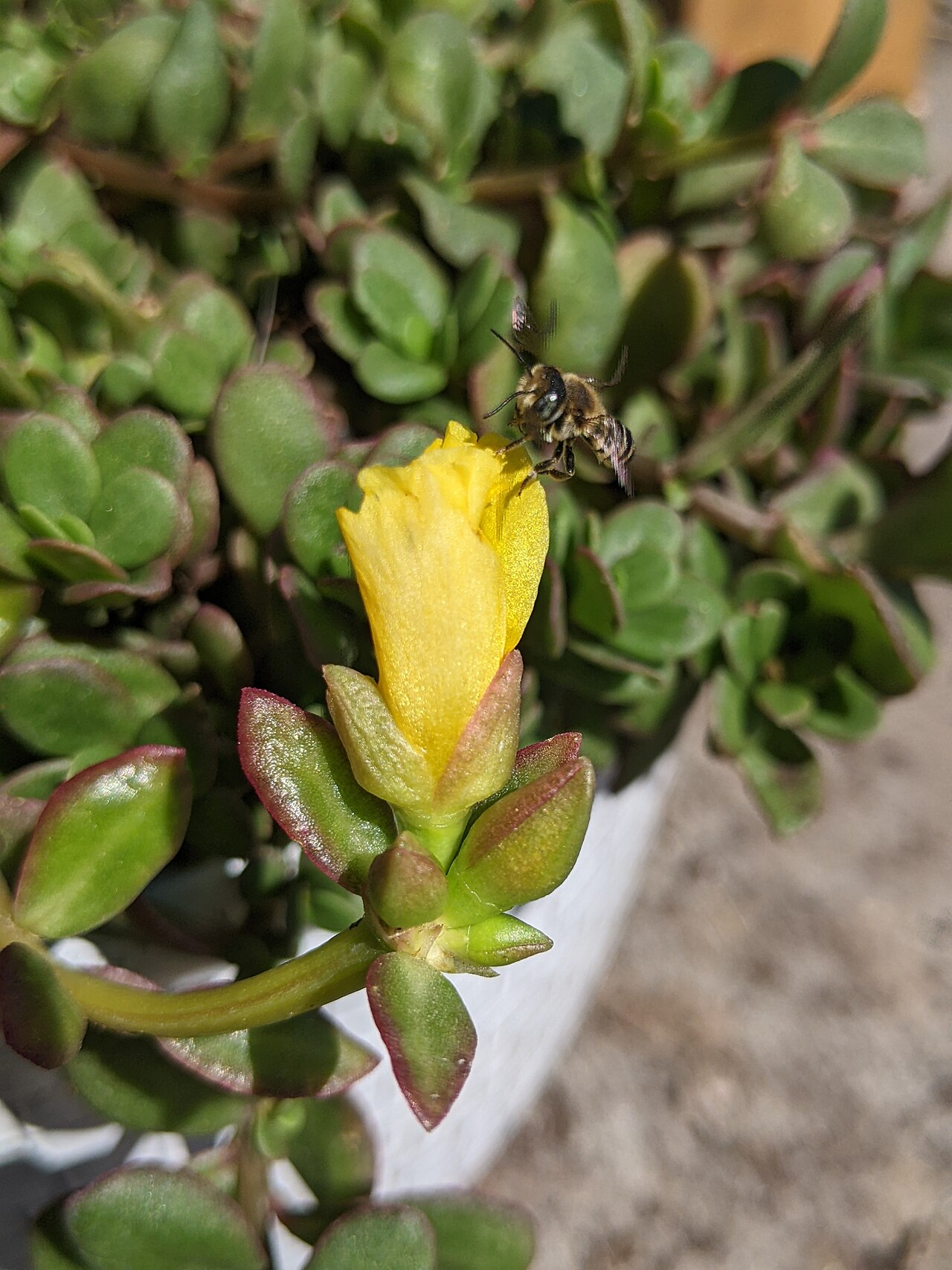
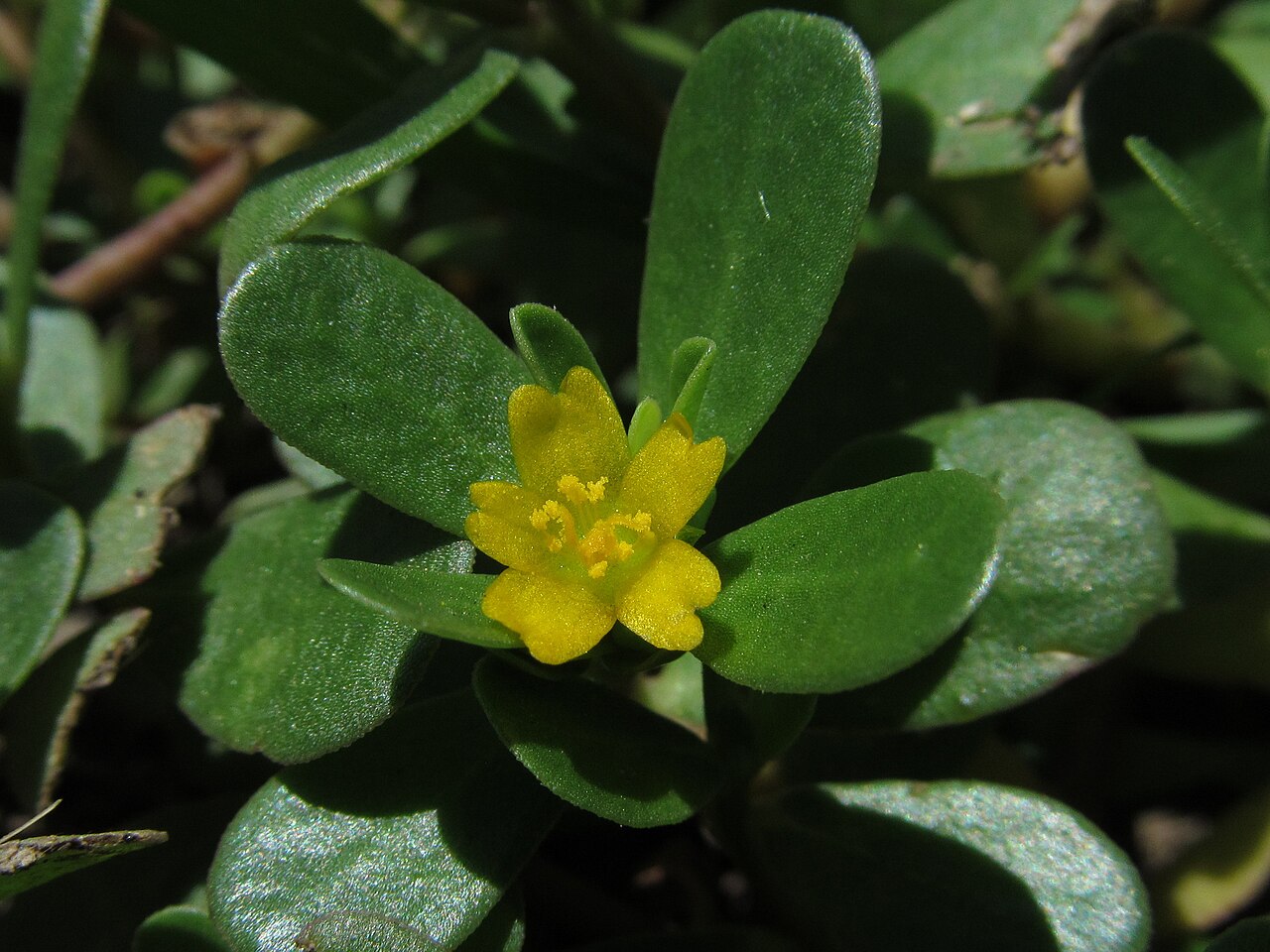
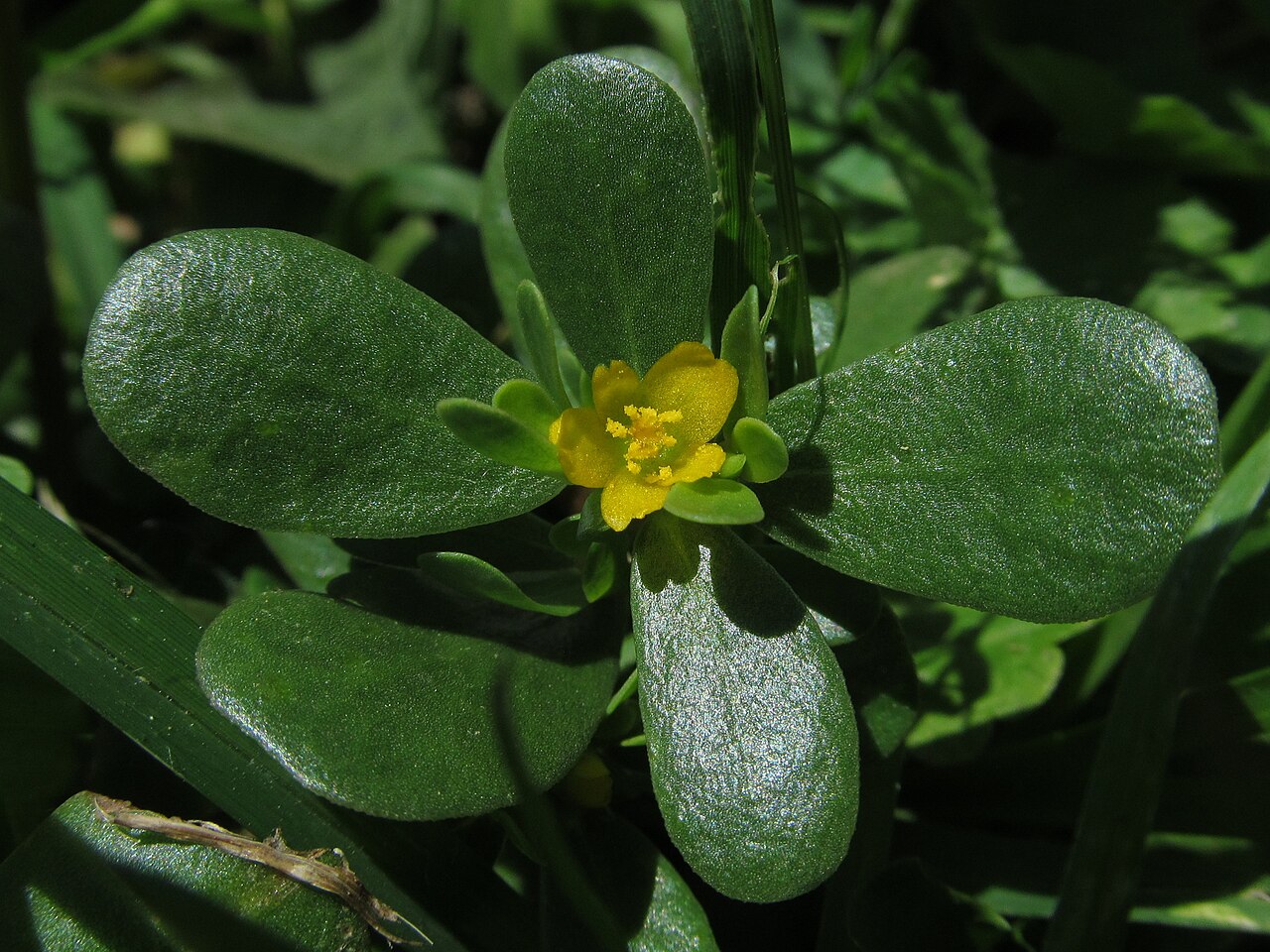
Why this variety
Goldgelber is the purslane for impatient gardeners: one of the largest purslane selections, growing about 6 inches tall and spreading a foot wide, with light-green leaves a little longer than other types — and it matures in roughly 26 days, the fastest of the named purslanes. It is the one to sow when you want a lemony succulent green this month, not next season.
Like all cultivated purslane it is a selected form of Portulaca oleracea, bred for bigger, cleaner, more upright growth than the weedy type. That matters at harvest: you are cutting stems you planted on purpose, not weeding a crack in the driveway.
How to grow
Direct-sow in warm soil, barely covering the tiny seeds, and keep them moist until they germinate in 7–14 days. Thin to 6–8 inches apart. Purslane wants heat and sun and tolerates poor soil, but it grows lushest with a little compost and regular water.
In Florida, grow purslane deliberately in a container or a contained raised bed — never loose in an open bed you care about. Purslane self-seeds aggressively: a plant left to flower will scatter thousands of seeds that germinate for years, and every stem fragment can root. Containers turn that vigor into a feature instead of a weed problem.
Water & feeding
Purslane is a succulent and stores water in its leaves, so it forgives a missed watering — but crisp, lemony leaves come from steady moisture, not drought stress. Water at the base, let the soil dry slightly between waterings in containers, and avoid constant sogginess, which rots stems. Feed very lightly; rich soil makes soft growth, and purslane needs almost no fertilizer to thrive.
Common problems
- Aphids and whiteflies — worst in warm, dry spells. Blast with water, encourage beneficial insects, and remove badly infested tips rather than spraying the whole plant.
- Slugs and snails — ragged holes after rain. Keep mulch pulled back from stems, use beer traps, and check plants in the morning.
- Heat stress — wilting in afternoon sun even in moist soil. Afternoon shade, mulch, and morning watering keep leaves tender; tough, small leaves are the plant asking for shade and water.
- Fungal leaf spots — in humid weather with poor airflow. Space plants for air, water at the base, and remove spotted leaves promptly.
- Self-seeding takeover — many of these greens seed prolifically. Deadhead or harvest before seed sets if you do not want volunteers, and pull seedlings while they are small.
Harvest
Start cutting stems and leaves about 26 days after sowing, once plants are a few inches across, and keep cutting — plants regrow from the base if you leave a couple of inches of stem. Harvest young stems before they turn coarse and woody, and pick in the morning for the crispest leaves. Eat raw in salads or cook briefly; purslane wilts fast, so use it the day you pick it or store it in the fridge for a couple of days.
Browse all plant & pest guides
Saving seeds
Goldgelber is a large, fast-maturing purslane selection — the same golden purslane sold as Goldberg Golden — grown from seed, so saved seed comes true; but purslane self-seeds aggressively, so grow it in a container or harvest the seed heads before they scatter. The full method is in the Saving seeds section of the Purslane guide.