
🍃 Undulata Bay
What it looks like
Why this variety
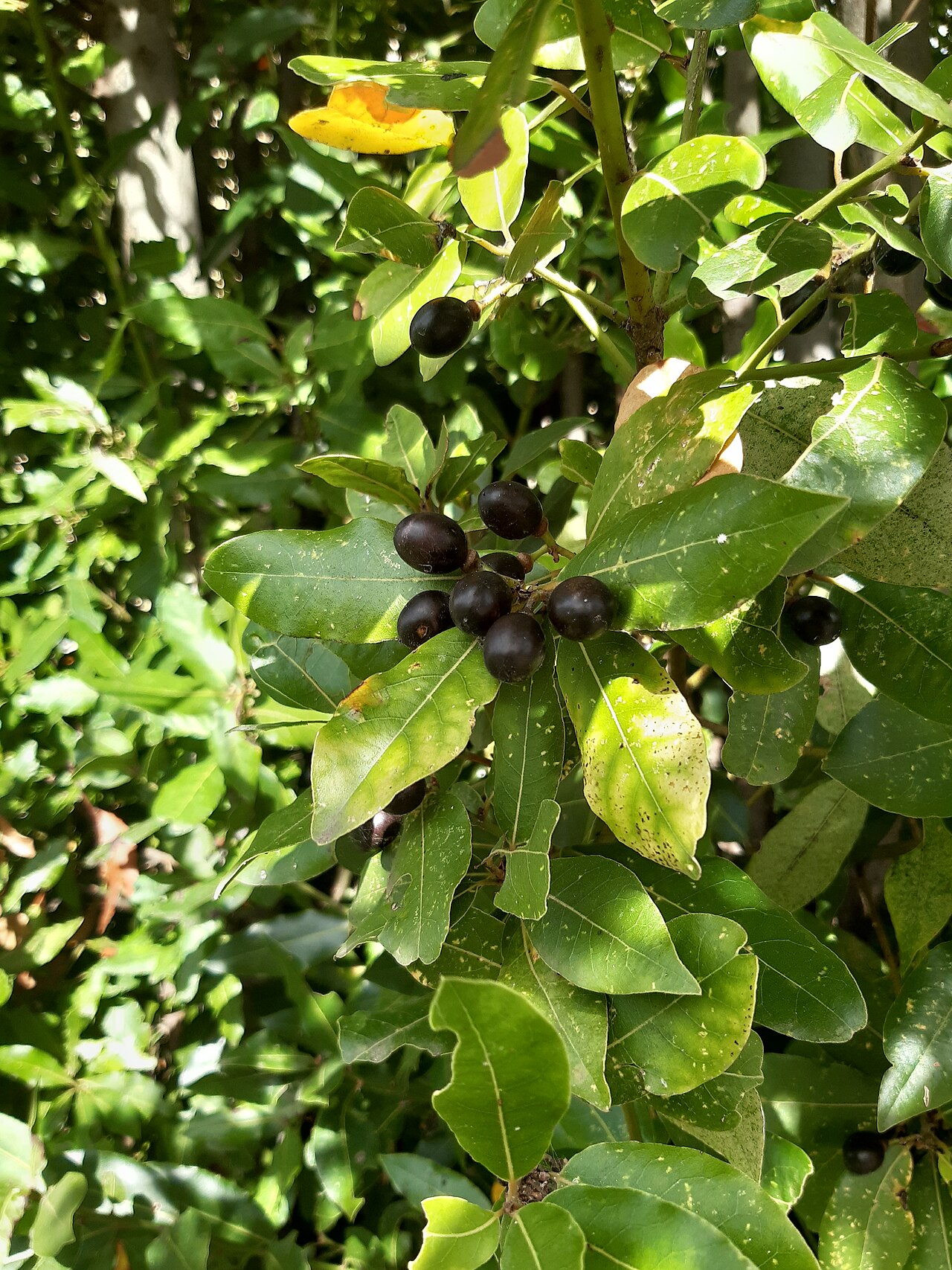
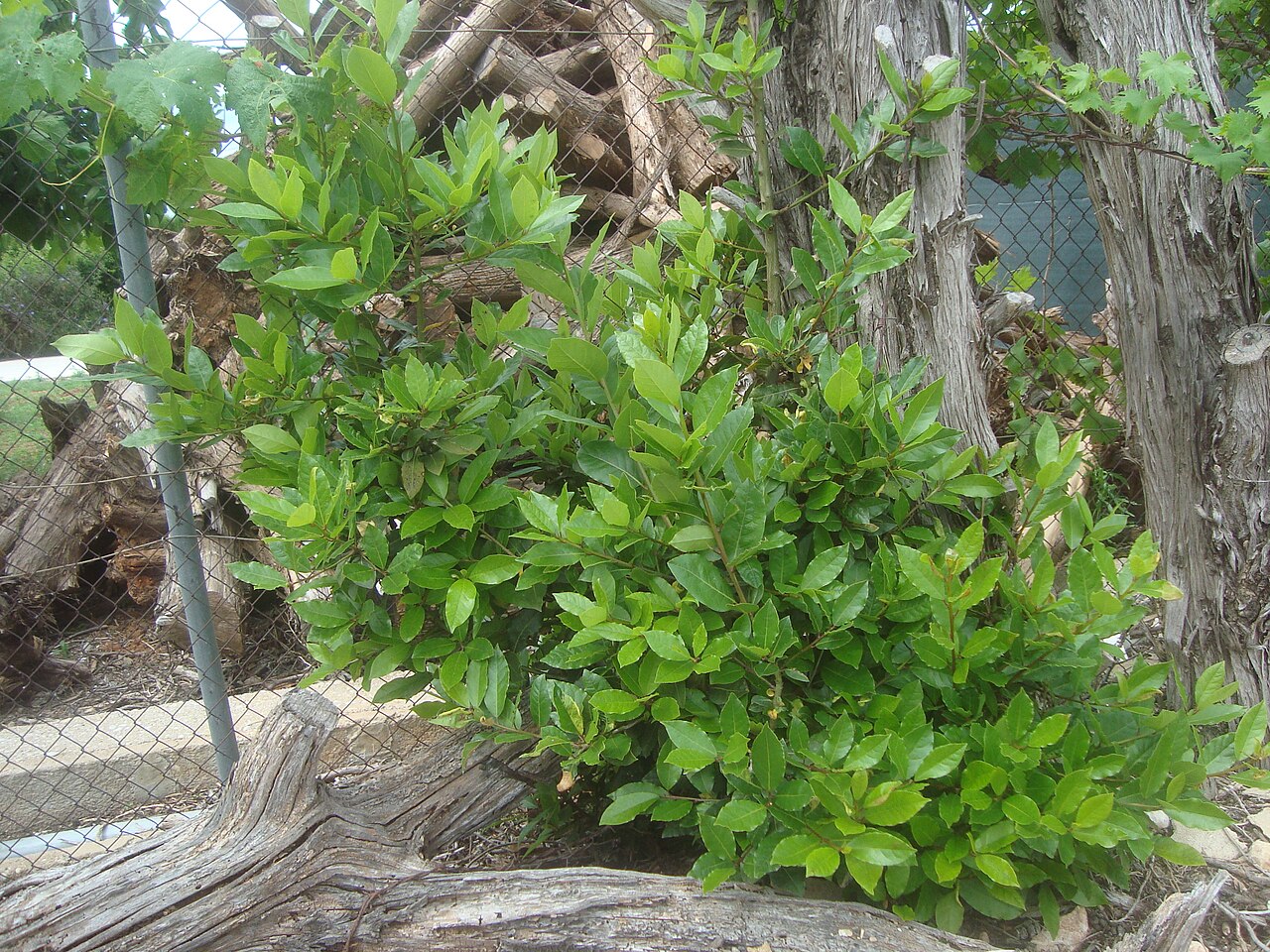
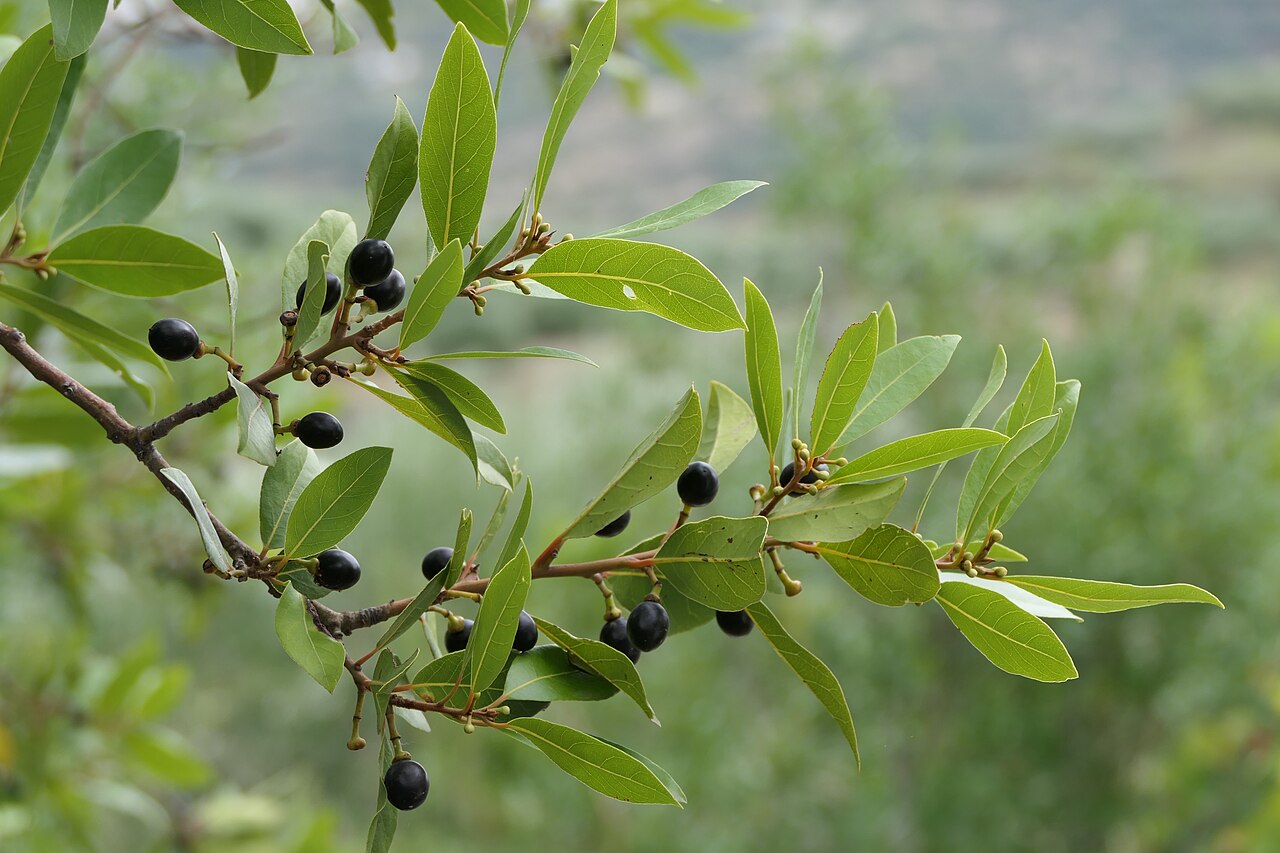
Undulata is the bay for gardeners who want their seasoning to look like sculpture. Its leaves ripple along the edges like a flag in a breeze, which makes the whole plant read as denser, darker, and more textured than the species — and because bay is famously slow, a naturally compact, dense form is a genuine gift, not a gimmick.
The flavor is true bay, the same warm, slightly camphorous depth that makes a pot of beans taste like it simmered all day. Ornamental cultivars sometimes trade flavor for looks; Undulata does not ask you to choose. Its leaves dry just as well as the species, which means the prettiest tree in the herb border is also the one you reach for at dinnertime.
In Florida, Undulata’s compact habit is a practical virtue. A smaller, denser tree is easier to pot, easier to move under cover for a hard freeze, and easier to clip into the tidy shape that makes bay a classic topiary subject. Slow growth plus a naturally tight form means less pruning and a better-looking plant between prunings.
For the general picture, start with the Bay growing guide — this guide covers what makes Undulata Bay different.
How to grow
Plant in spring in full sun to part shade, in soil that drains sharply — bay forgives drought, neglect, and poor soil, but it never forgives standing water. Dig a hole twice as wide as the pot, set the plant at the same depth it grew in the nursery, and mulch with a few inches of bark or gravel, kept off the trunk.
In the ground, give Undulata room to become a dense shrub or small tree, and prune lightly in spring to shape it; bay responds to clipping by branching densely, which is why it has been a topiary plant for centuries. In a pot, choose the largest pot you can move, use a gritty mix with plenty of perlite or bark, and plan to repot every two to three years.
Florida note: bay is hardy outdoors year-round in zones 8-11, but a hard freeze below about 20 degrees can blacken leaves, and young plants are more tender than old ones. North of the warmest zones, the pot is your insurance policy — move it under cover for the coldest nights and back into the sun the next morning.
Water & feeding
Water deeply but infrequently once established — bay laurel would rather be a little dry than a little soggy, and in sandy soil a thick mulch ring does more for it than frequent sprinkling. Water new plants steadily through their first year, then back off and let the soil dry between waterings. Feed lightly: a spring dressing of compost or worm castings is plenty, because a pampered bay grows soft, leggy shoots that flop instead of the dense, leathery foliage you actually cook with. In a pot, water when the top couple of inches are dry and never let the pot sit in a saucer of water.
Common problems
- Root rot in soggy soil — the classic bay killer, especially in pots without drainage. Sharp drainage and a pot with holes matter more than any fertilizer.
- Scale insects and the jumping plant louse Trioza alacris, which curls and thickens leaf edges into galls. Prune out badly curled shoots and let predators work; badly infested plants recover once the pests are knocked back.
- Cold damage below about 20 degrees Fahrenheit, which blackens leaves. In north Florida, grow bay in a pot and move it under cover for hard freezes, or plant against a warm south wall.
- A pot-bound tree that stalls — bay is slow, but a tree that has not grown in two years is asking for a bigger pot and fresh soil.
Harvest
Pick leaves as needed all year once the plant is established, choosing mature, dark-green leaves for the best flavor. Young, pale leaves are prettier and weaker; the leathery older leaves are the ones that carry a stew.
Dry picked leaves for two to three weeks in a dry, airy place out of direct sun, then store whole in a sealed jar — dried bay keeps its flavor for about a year, and whole leaves keep longer than ground ones, which lose their perfume fast.
Pick leaves as needed all year once the plant is established, and remember the cook’s rule: fresh bay leaves are milder and slightly bitter, while dried leaves, cured for a few weeks in a dry, airy place, develop the deep, warm flavor that soups and braises actually want. Use leaves whole and fish them out before serving — a whole bay leaf does not soften, and nobody enjoys finding one mid-bite.
Browse all plant & pest guides
Saving seeds
Undulata is the bay for gardeners who want their seasoning to look like sculpture. Its leaves ripple along the edges like a flag in a breeze, which makes the whole plant read as denser, darker, and more textured than the species — and because bay is famously slow, a naturally compact, dense form is a genuine gift, not a gimmick. The flavor is true bay, the same warm, slightly camphorous depth that makes a pot of beans taste like it simmered all day. Ornamental cultivars sometimes trade flavor for looks; Undulata does not ask you to choose. Seed will not repeat the rippled leaves — bay seedlings come up plain — so Undulata is kept true by cuttings: take semi-hardwood cuttings in summer, root them in gritty mix, and prune lightly in spring to shape the plant, since bay responds to clipping by branching densely. The full method is in the Saving seeds section of the Bay guide.