
🌿 Bay
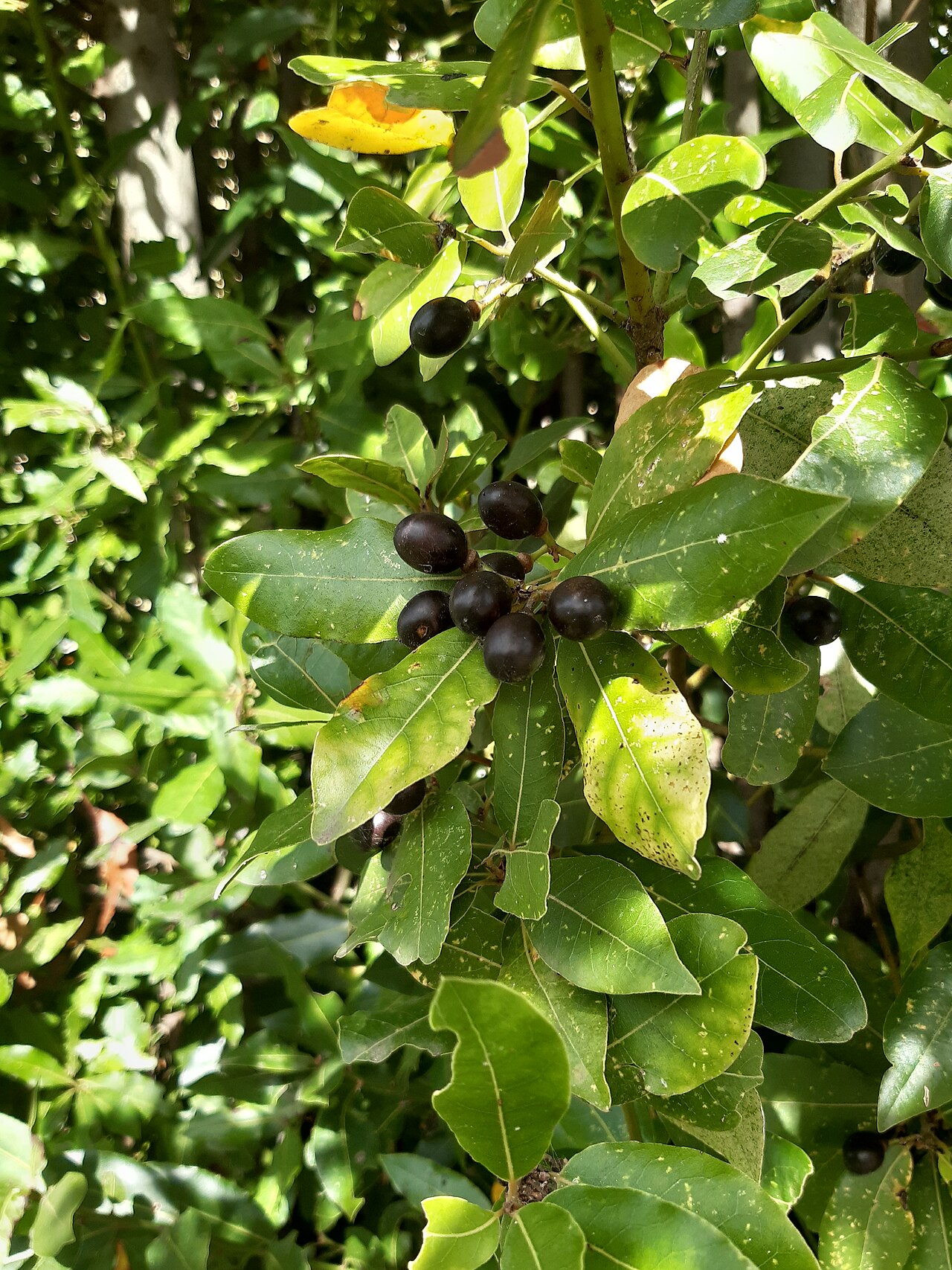
What it looks like
How to grow
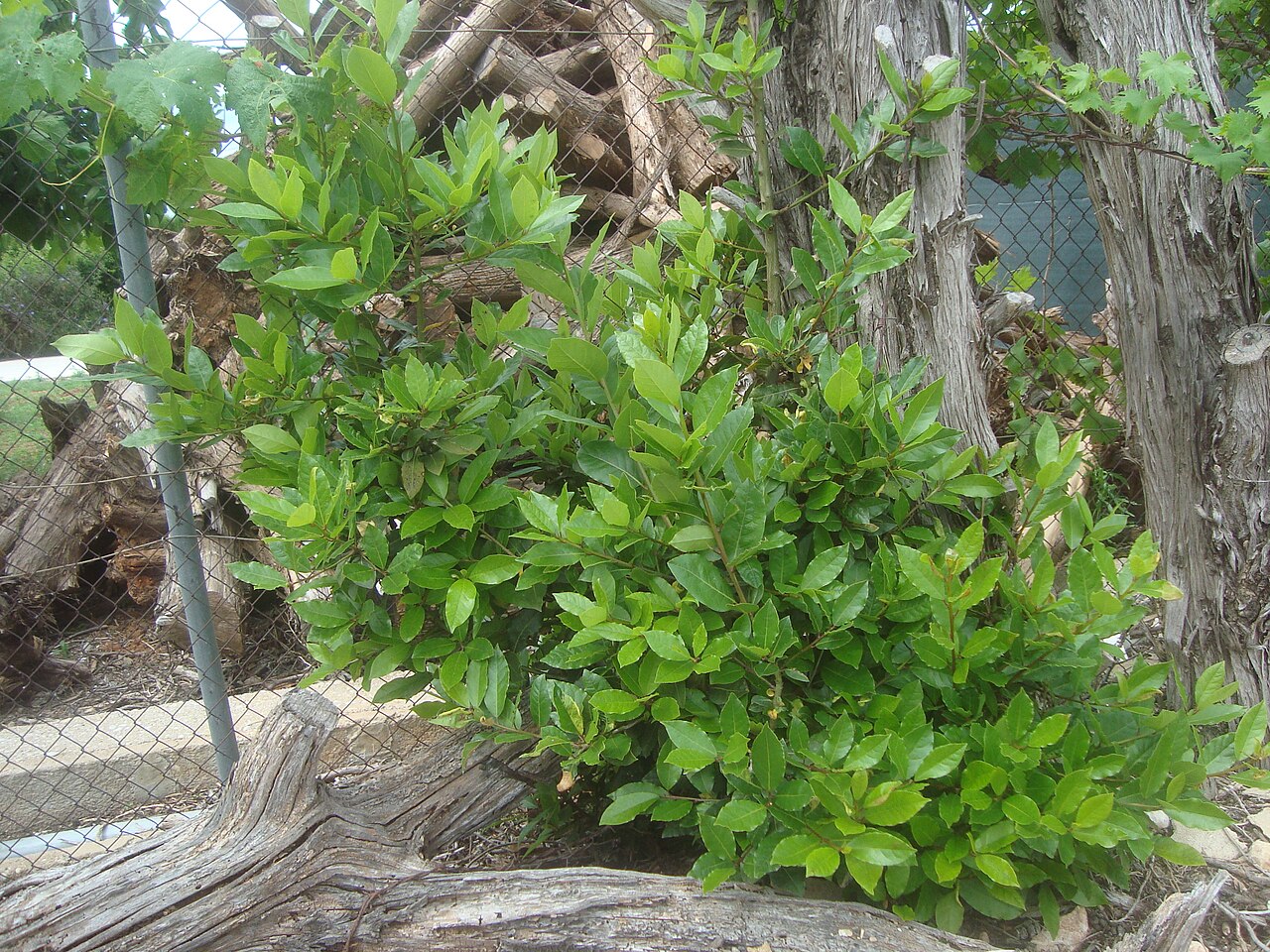
Bay laurel is a slow-growing evergreen tree from the Mediterranean, and it is the source of the bay leaves in your soup — not to be confused with California bay, cherry laurel, or mountain laurel, which are different plants and not interchangeable in cooking. Bay is famously slow: a nursery plant may add only a few inches a year, and that is normal, not a problem. In zones 8-11 it grows outdoors into a small tree; everywhere else, grow it in a large pot and bring it inside before frost, giving it your brightest window and watering sparingly through winter. It tolerates pruning beautifully and can be shaped into a standard (lollipop) or hedge, which is why it is a classic patio plant. Start from nursery plants — bay from seed is extremely slow and cuttings are slow to root. Use well-drained potting mix, a pot with drainage holes, and patience. Bay dislikes wet feet and cold wind, so shelter outdoor plants in winter and avoid planting in frost pockets.
Water & feeding
Water when the top inch or two of soil dries out; established outdoor trees are fairly drought-tolerant, but potted plants need regular watering in summer. Feed lightly: a spring top-dress of worm castings and a midsummer repeat is plenty. Overfeeding makes soft growth that is more vulnerable to cold.
Common problems
- Root rot in soggy soil or pots without drainage — use gritty mix and empty saucers after watering.
- Cold damage below about 20°F — move pots indoors before hard frost; wrap outdoor trees in marginal zones.
- Scale insects on leaves and stems — wipe off by hand or use horticultural oil on dormant plants.
- Leaf spot in wet weather — improve airflow, avoid overhead watering, and remove spotted leaves.
Harvest
Pick individual leaves as needed year-round from established plants; older, larger leaves have the strongest flavor. Fresh or dried both work, but dried bay is the classic — dry leaves flat in a dark, airy spot for a week or two and store airtight. Always remove the whole leaf before serving; it does not soften in cooking and is a choking hazard if swallowed whole. One leaf flavors a whole pot of soup; two is a statement.
Browse all plant & pest guides
Saving seeds
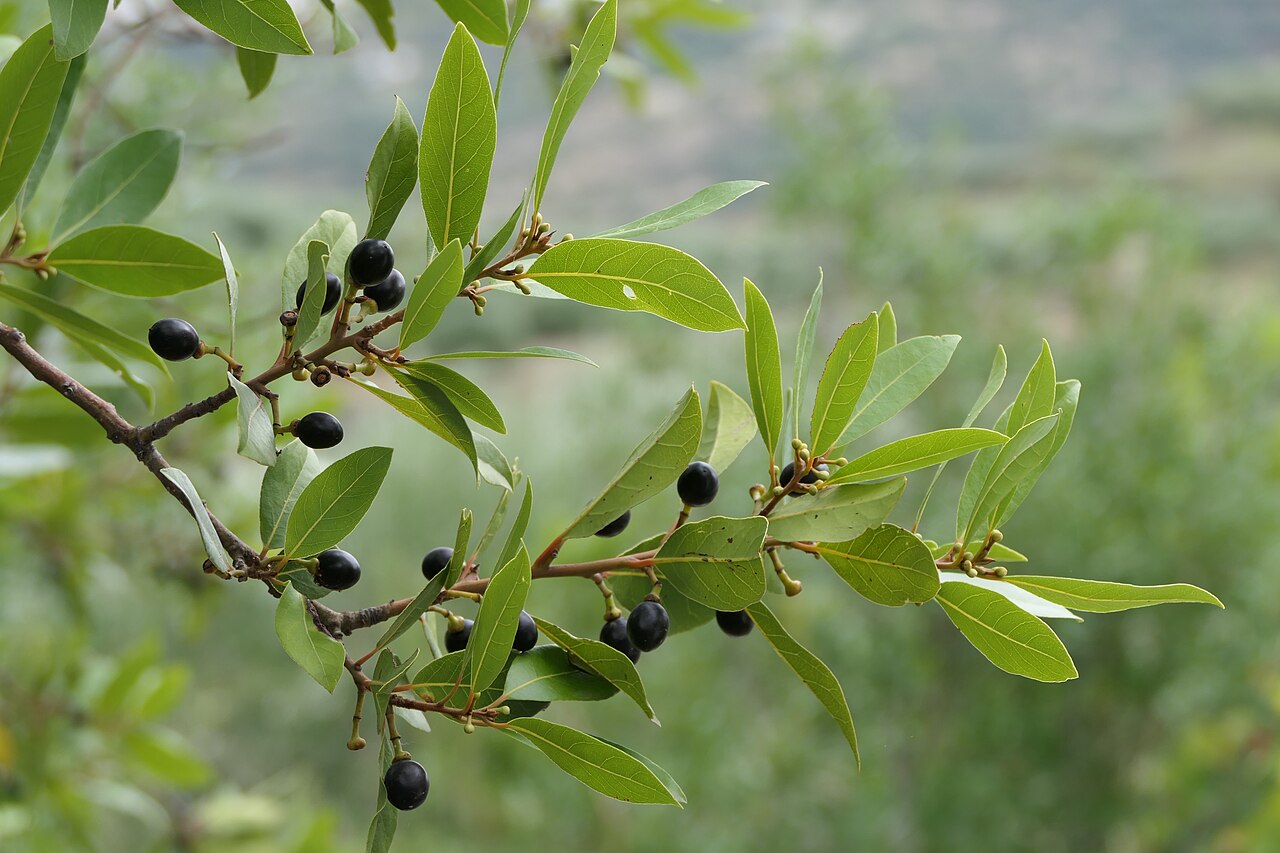
Bay seed is a test of patience disguised as a gardening project, and the first thing to know is that you may not have any seed to save at all. Laurus nobilis is dioecious — male and female flowers grow on separate trees — so berries only form on a female tree that had a male tree flowering nearby. No male in the neighborhood, no berries, no seed, and no amount of careful technique fixes that. If you do have berries, wait until they are dark purple to black in autumn, pick them, and rub or wash off the fleshy pulp promptly; pulp left on invites mold, and mold is the quiet killer of slow-germinating seed.
Sow fresh if you possibly can. Fresh seed, sown in autumn or the following spring in a moist, well-drained, airy mix, germinates far more readily than seed that has been allowed to dry out and sit. If all you have is dried seed, soak it in warm water for a day before sowing and sow extra, because its germination will be lower. Then settle in: bay germination is famously slow and erratic, and sources give genuinely different ranges — some report sprouts in a matter of weeks, others warn of several months, and a few say up to a year. Do not throw the pot out at month two. Keep it moist but never waterlogged, give it warmth and a little shade, and watch for damping-off, the fungal collapse that fells seedlings in still, wet air; an airy mix and good ventilation are worth more than any stimulant.
What grows from seed is the species, in general form, but with one lottery built in: you cannot tell whether a seedling is male or female until it flowers years later, so seed will not guarantee you a berry-bearing female. If you specifically want a known female — for berries, or simply because you liked that exact tree — take semi-ripe cuttings in late summer instead; a cutting is a clone, sex included, though it roots slowly too, over months rather than weeks. And a storage note with Florida force behind it: bay seed is not a good candidate for long storage. If you must hold it, dry it thoroughly and keep it airtight with a desiccant, cool and dark — but expect dried seed to perform worse than fresh, and sow accordingly. One last plain note: these berries and seeds are for planting, not eating, and true culinary bay is Laurus nobilis leaves only — never substitute leaves from a lookalike laurel.
Varieties
Every named variety of Bay with its own growing guide:
- Aurea Bay — Bay laurel in gold: yellow-flushed new growth on the same slow, evergreen, soup-worthy tree — a container star that earns its keep twice.
- Angustifolia Bay — The willow-leaf bay: narrow, elegant leaves on a tougher, more cold-hardy tree — the topiary bay, and the cook’s bay, in one slender package.
- Saratoga Bay — The compact sweet bay: denser, smaller, and tidier than the species — the bay for patios, small gardens, and cooks who want a tree, not a timber lot.
- Undulata Bay — The wavy bay: rippled leaf edges on a dense, compact laurel — the ornamental bay that still seasons the soup.