
🌿 Angustifolia Bay
What it looks like
Why this variety
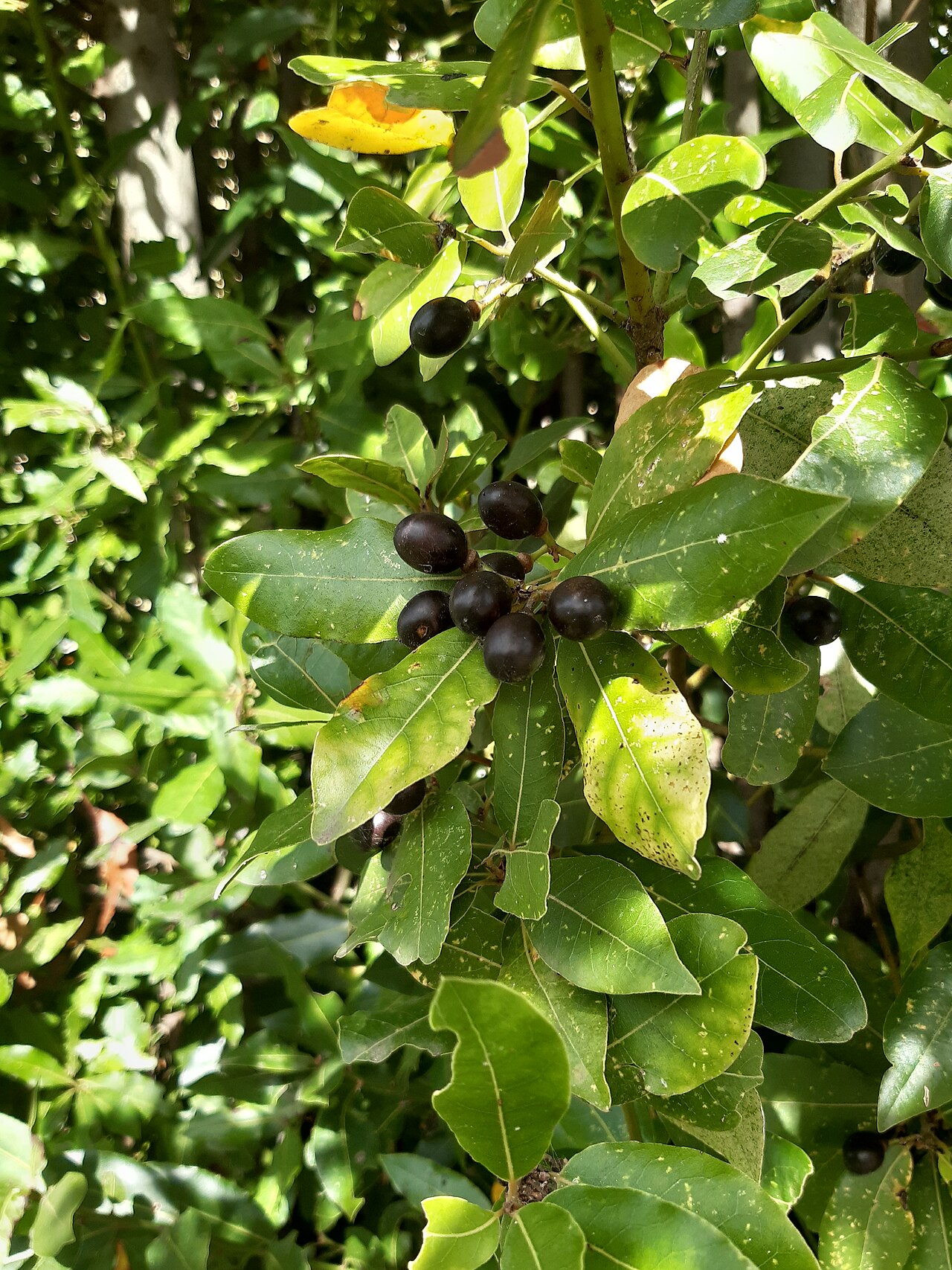
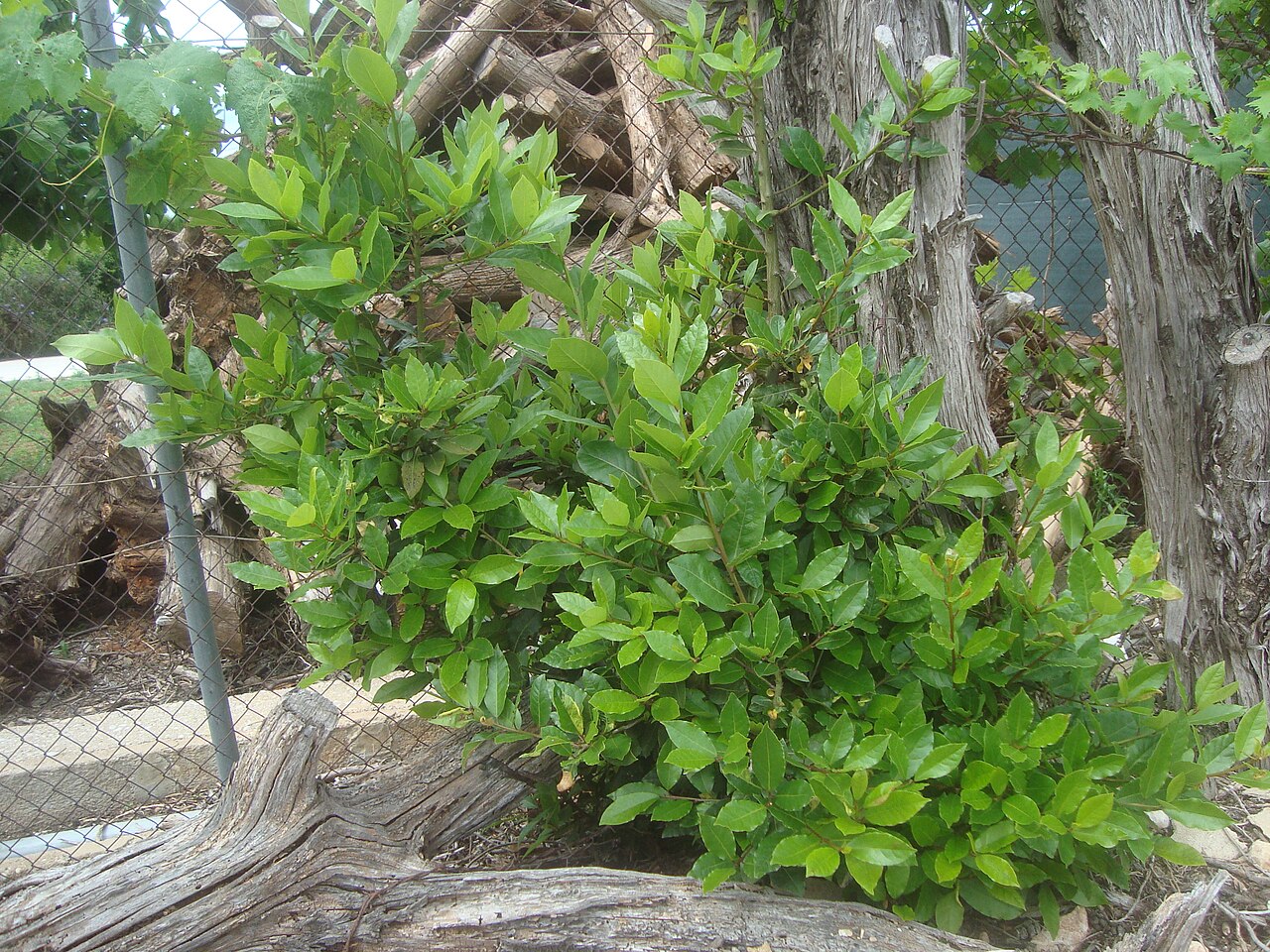
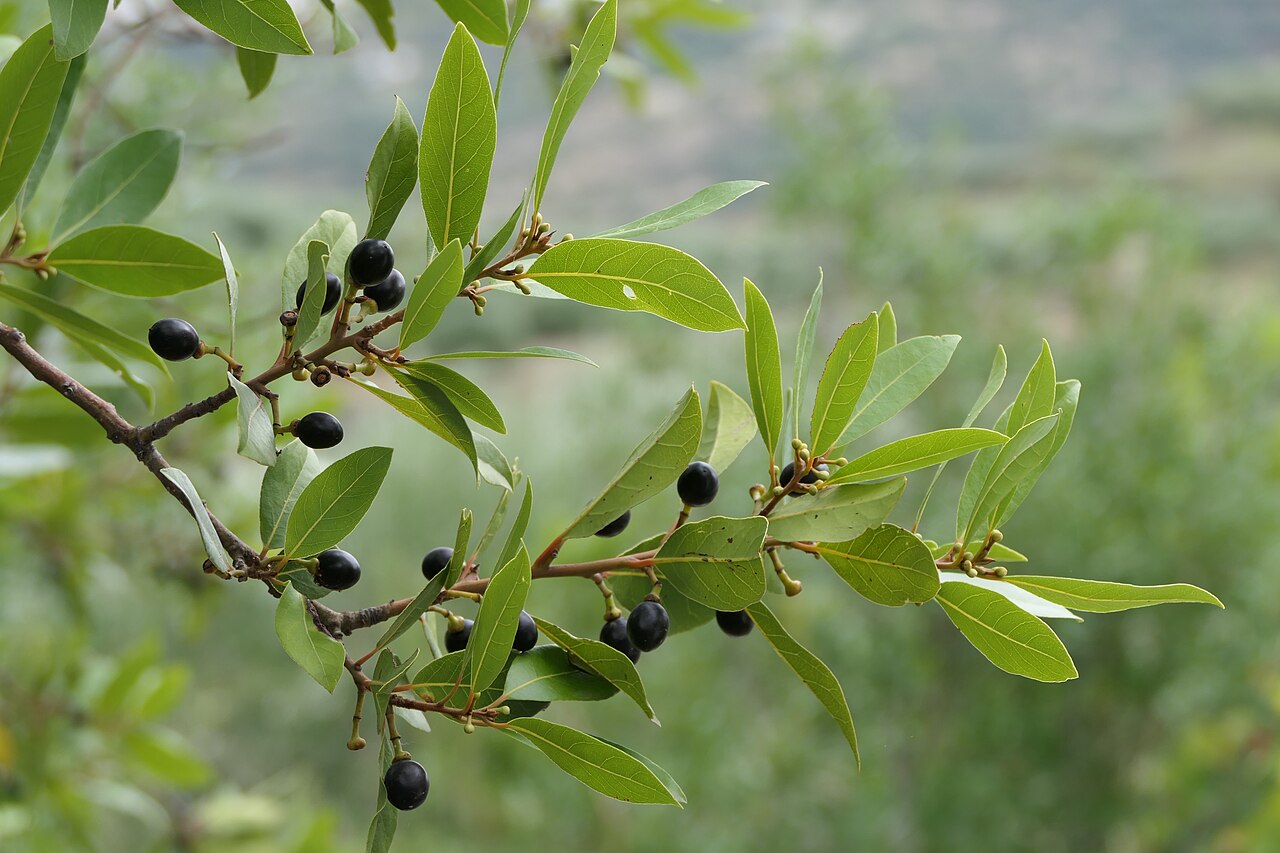
Angustifolia is bay laurel gone elegant. Instead of the species’ broad, oval leaves, it carries narrow, willow-like leaves, only a fraction as wide, on the same slow evergreen tree — which makes it the classic choice for topiary, clipped standards, and formal pots, where fine foliage reads as refinement. It is also reported to be the most cold-tolerant of the bay forms, a useful edge in a marginal zone.
In the kitchen it is still true Laurus nobilis, so the leaves cook exactly like ordinary bay — the narrow shape is a garden trait, not a flavor change. If you want a bay that looks like it belongs in a formal garden and still flavors a pot of beans, this is the form to plant, and its slender leaves dry beautifully.
How to grow
Buy a nursery plant grown from cuttings; seed-grown bay will not reliably hold the narrow-leaf form. Plant in a large pot with well-drained mix, or in the ground in zones 8–11 in a sheltered spot. In Florida, pot culture gives you drainage control through summer storms and a moveable plant for cold snaps.
Prune in spring to shape, and do not be shy — bay responds to clipping by branching densely, which is why it has been a topiary staple for centuries. A light clip twice a year keeps a standard crisp; an annual spring shape-up is enough for a free-form tree.
Water & feeding
Water deeply and infrequently, letting the mix dry between waterings. Bay’s roots rot in standing water faster than almost any other herb’s, so drainage holes, gritty mix, and no saucer puddles are non-negotiable.
Feed lightly in spring. Bay grows slowly by design, and heavy feeding produces soft, cold-tender growth with diluted flavor — the opposite of what a bay grower wants.
Common problems
- Root rot in waterlogged soil — the classic bay failure. Gritty mix and real drainage prevent it; a plant in a puddle will not be saved by less watering alone.
- Cold damage in hard freezes — even the hardiest bay form needs shelter below about 20°F; move pots under cover and throw frost cloth over in-ground plants on the coldest nights.
- Scale insects — check stems and leaf undersides in spring; rub off light cases and use horticultural oil for heavier ones.
- Leggy growth in deep shade — bay tolerates part shade but grows thin and sparse without good light; give it at least 6 hours of sun for a dense, shapely tree.
Harvest
Pick mature leaves sparingly from year two onward, never stripping a branch bare. Dry leaves on a screen for a week or two — dried bay is stronger and more complex than fresh — and use one or two leaves per pot, removed before serving.
Spring pruning doubles as harvest: dry the clipped leaves and you have a year’s supply from a single shaping session. Store dried leaves whole in a sealed jar, crumbling them only as you cook.
Browse all plant & pest guides
Saving seeds
Angustifolia is kept true by cuttings — seed-grown bay won’t reliably hold the narrow-leaf form, so buy a nursery plant. The Saving seeds section of the Bay guide covers seed for the straight species.