
🌿 Saratoga Bay
What it looks like
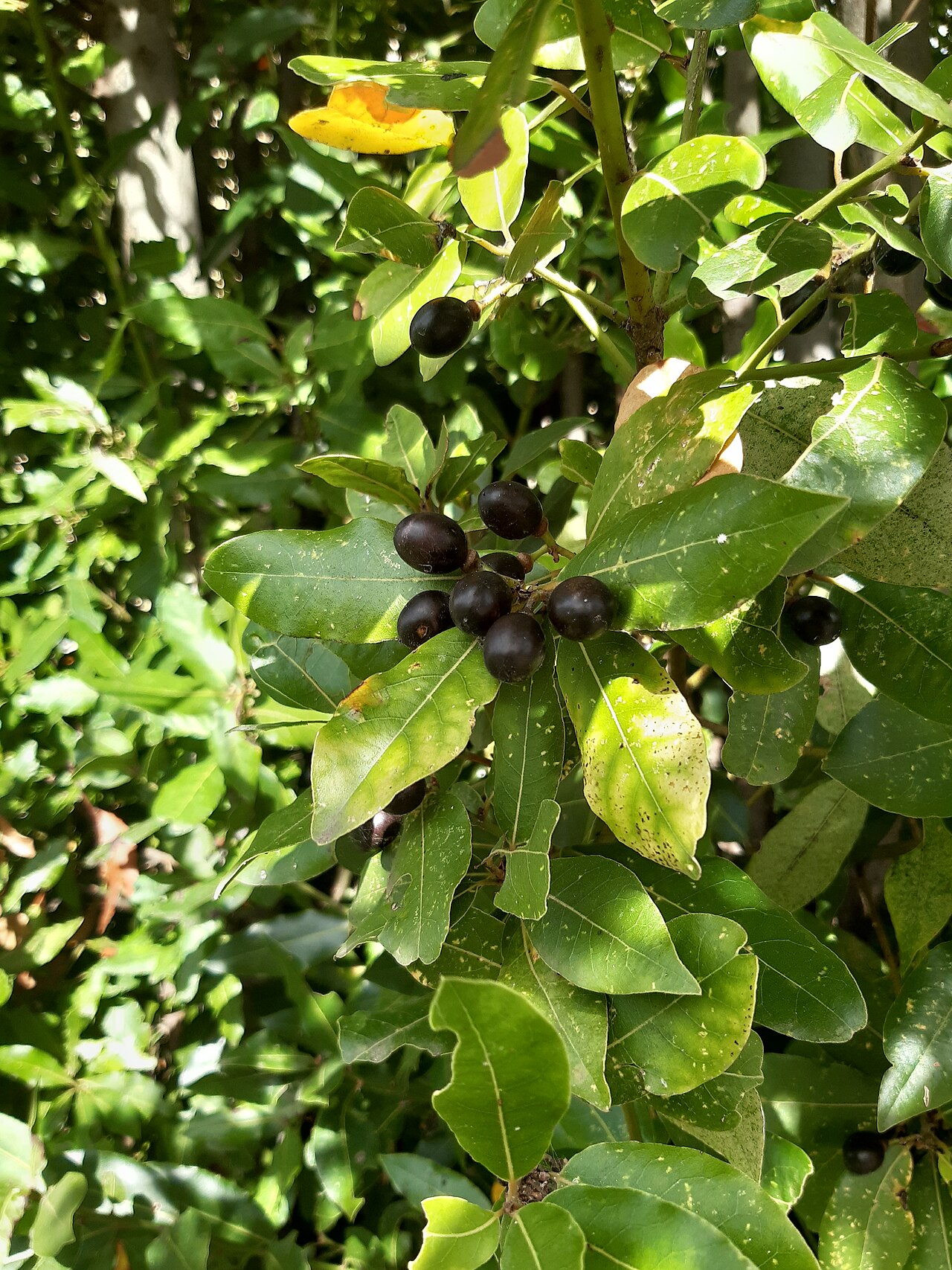
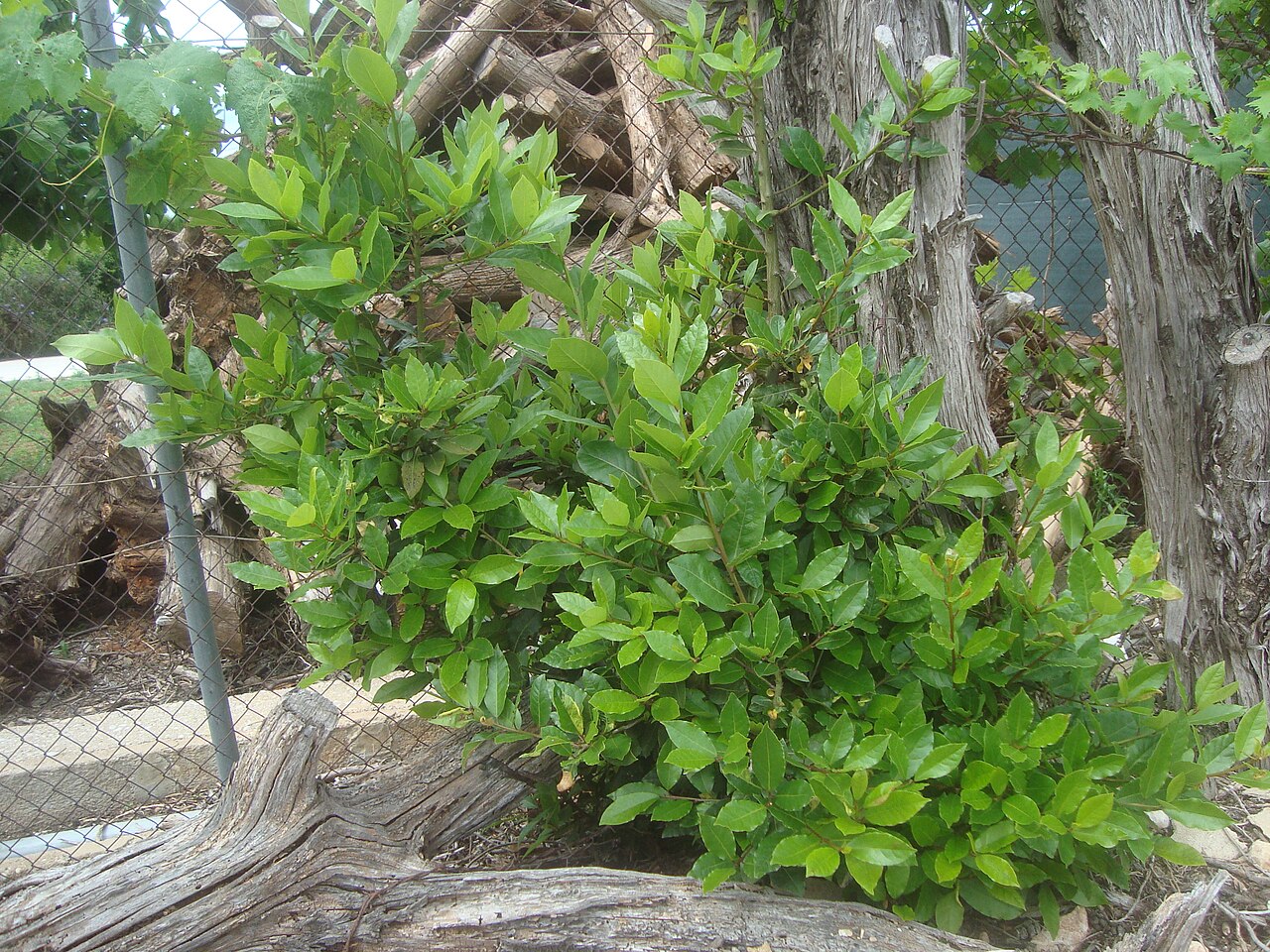
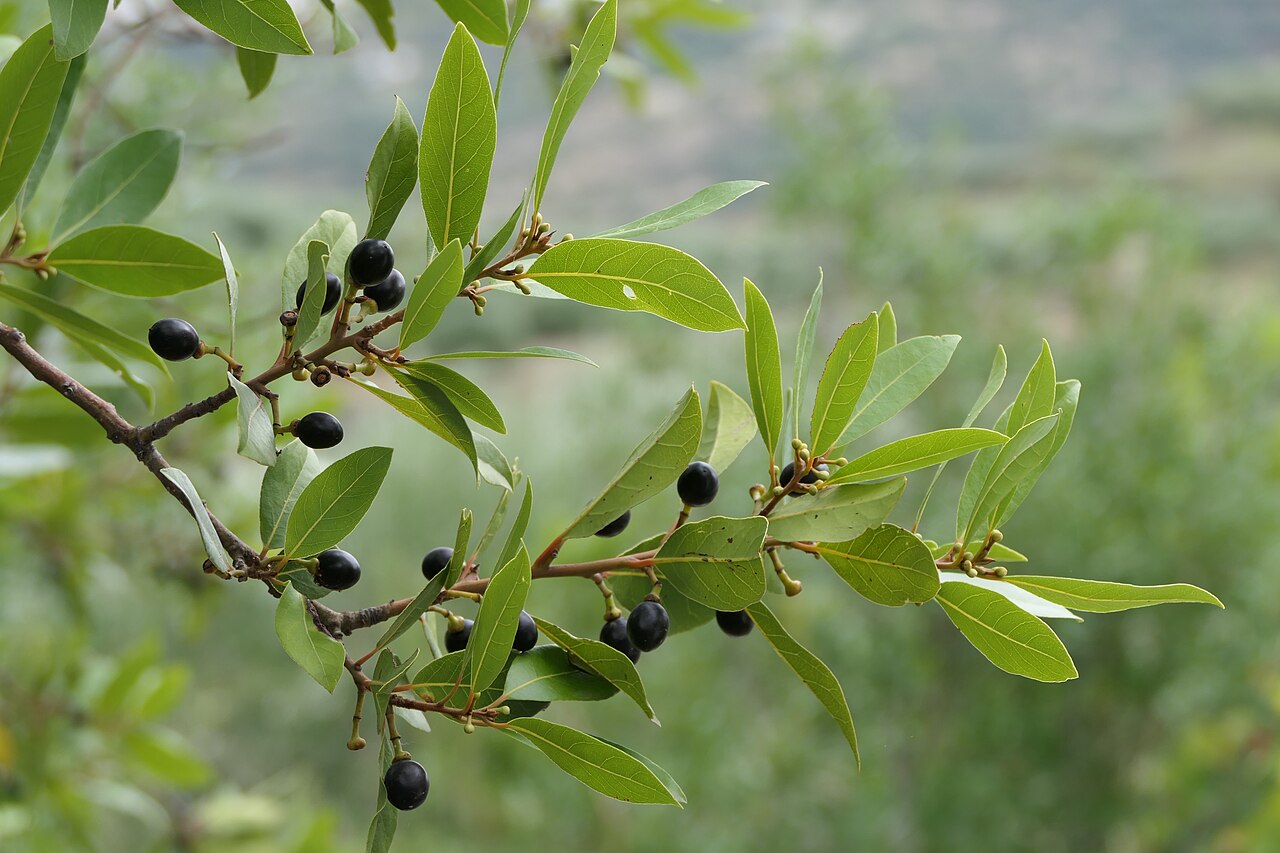
Why this variety
Saratoga is bay laurel sized for real gardens. It grows more compactly and densely than the species, with a tighter habit that suits containers, small patios, and hedges that are meant to stay at a civilized height, while still being true Laurus nobilis for the kitchen. If the species bay sounds like a tree that will eventually eat your patio, Saratoga is the answer that does not require a chainsaw in year ten.
Its dense foliage also makes it a better screening plant than the open species, and a more forgiving topiary subject — a compact plant forgives a missed pruning season more gracefully than a rangy one. The leaves cook like any bay, the tree stays manageable, and the whole plant asks for less space, less pruning, and less patience.
How to grow
Buy a nursery plant from cuttings to keep the compact habit true. Plant in a large pot with well-drained, loamy mix, or in the ground in zones 8–11 in a sheltered spot. In Florida, pots are the practical default: they control drainage through the rainy season and let you shift the plant under cover for a cold snap.
Prune in spring to shape and to keep the dense habit dense — Saratoga branches readily after a clip, so a light annual shaping is usually enough. Mulch lightly, keeping mulch off the trunk, and site it where it gets good air circulation as well as sun.
Water & feeding
Water deeply but infrequently, letting the top of the mix dry between waterings. Bay’s roots are famously rot-prone in standing water, so a pot must drain freely and never sit in a saucer full of water.
Feed lightly in spring with castings or a balanced organic feed. Saratoga’s compact growth is a feature of the cultivar, not of starvation, but heavy feeding still pushes soft, cold-sensitive shoots — light feeding keeps it dense and flavorful.
Common problems
- Root rot in waterlogged soil or undrained pots — the leading bay killer in Florida gardens. Drainage first, watering schedule second.
- Cold damage below about 20°F — move pots under cover before frost and cover in-ground plants with frost cloth on the hardest nights.
- Scale insects on stems and leaf undersides — inspect in spring and treat with horticultural oil if numbers build; vigorous, unstressed plants are rarely hit hard.
- Overgrowing its pot — even a compact bay eventually needs a bigger pot or root pruning; if growth stalls and water runs straight through, it is time to step up a size in spring.
Harvest
Harvest mature leaves sparingly from year two onward, picking individual leaves rather than stripping branches. Dry them on a screen for a week or two — dried bay is more potent than fresh — and use one or two leaves per pot of soup, stew, or braise, removed before serving.
Prune in spring and dry the clippings for the pantry; a shaping cut on a Saratoga easily yields a year’s cooking supply. Store whole dried leaves in a sealed jar away from light.
Browse all plant & pest guides
Saving seeds
Saratoga is bay laurel sized for real gardens. It grows more compactly and densely than the species, with a tighter habit that suits containers, small patios, and hedges that are meant to stay at a civilized height, while still being true Laurus nobilis for the kitchen. If the species bay sounds like a tree that will eventually eat your patio, Saratoga is the answer that does not require a chainsaw in year ten. As a named bay it is kept true by cuttings, not by seed — buy a nursery plant from cuttings to keep the compact habit true. Plant in a large pot with well-drained, loamy mix, or in the ground in zones 8–11 in a sheltered spot. In Florida, pots are the practical default: they control drainage through the rainy season and let you shift the plant under cover for a cold snap. The full method is in the Saving seeds section of the Bay guide.