
🎆 Fireworks Goldenrod
What it looks like
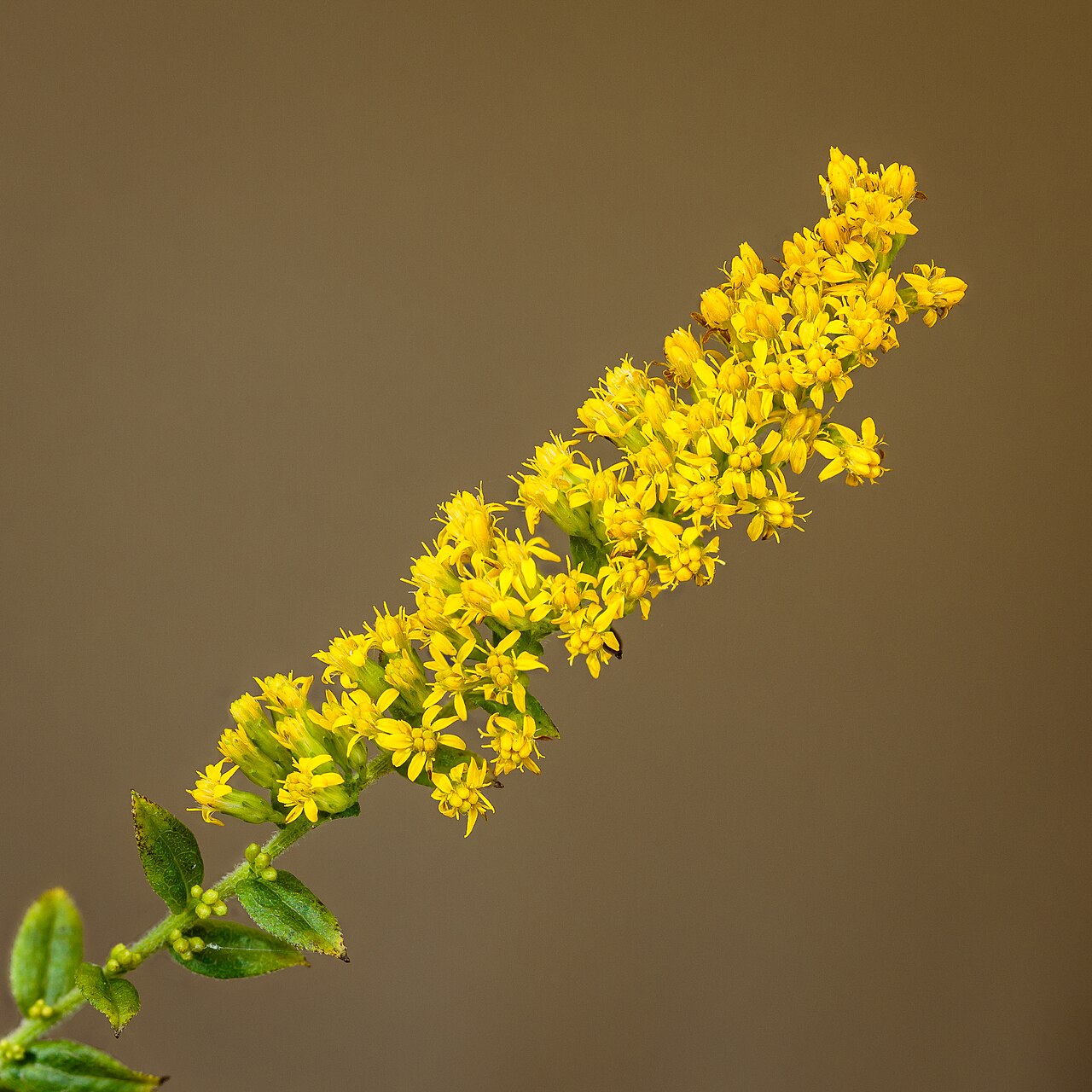
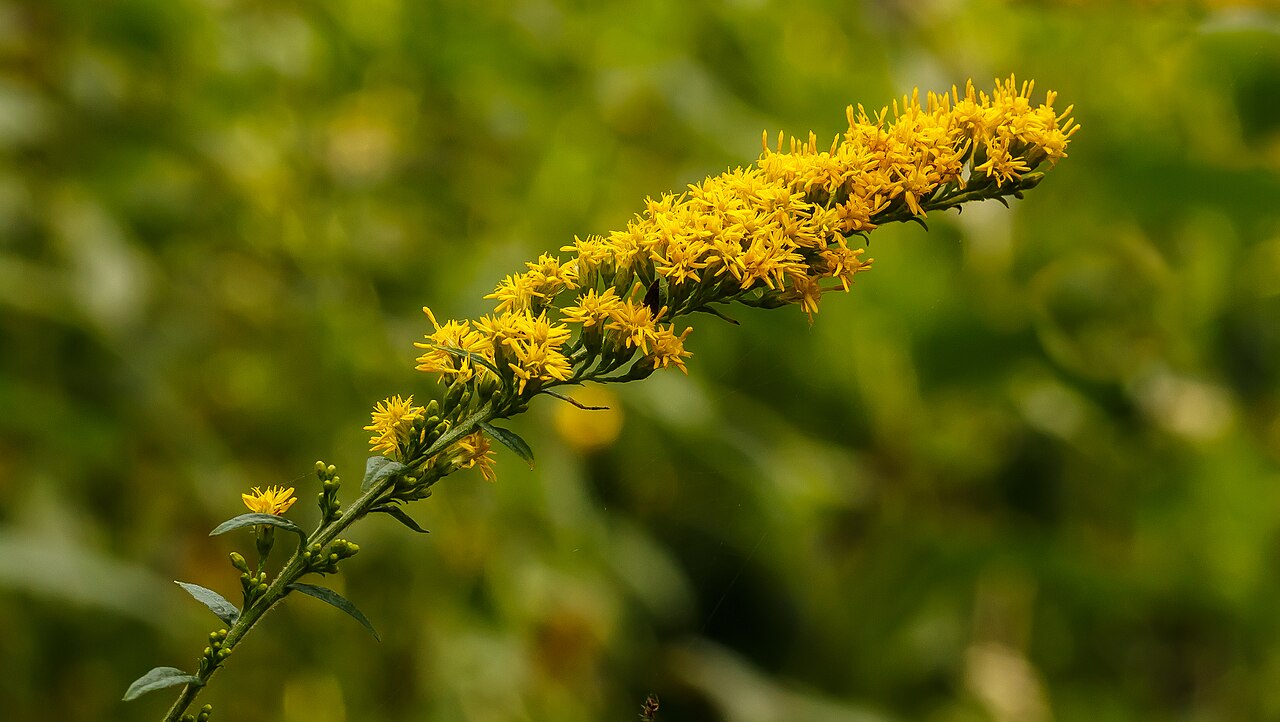
Fireworks is the cultivar that made gardeners take goldenrod seriously as an ornamental. It is a selection of wrinkleleaf goldenrod (Solidago rugosa), introduced by the North Carolina Botanical Garden, forming a bushy, upright clump 2 to 3 feet tall and wide, with dark green, wrinkled leaves and long, arching stems that burst with tiny yellow flowers in late summer and fall. The flower sprays cascade off the plant like fireworks frozen mid-burst, which is where the name comes from, and the display lasts for weeks, from late summer into late fall.
Unlike its wilder cousins, Fireworks is a slow spreader that stays under 5 feet and does not run through a border, which is why it received top marks in the Chicago Botanic Garden’s five-year goldenrod evaluation and why it is the goldenrod most often recommended for formal settings and containers. It is a clump, not a colony, and that distinction is the whole reason to buy the cultivar instead of the species.
Why this variety
Choose Fireworks when you want goldenrod in a garden, not just in a meadow. The species goldenrods are magnificent in a field and thuggish in a border; Fireworks gives you the same late-season gold, the same pollinator value, and the same fireworks display, on a plant that stays put, stays compact, and looks good in a perennial border next to asters and grasses. It is the gateway goldenrod, the one that converts skeptics who thought goldenrod was a weed.
It is also a pollinator plant of the first rank: late-season nectar and pollen for native bees, butterflies, and migrating monarchs, plus host value for goldenrod-specialist insects, all from a plant that asks for sun and average soil and gives back a fall finale. If you plant one goldenrod, plant this one.
How to grow
Plant in spring or fall in full sun and moist, well-drained soil, spacing 2 to 3 feet apart. It tolerates both dry and wet soils once established, but it blooms best with consistent moisture and full sun. Cut back in late winter, divide in spring every few years if the clump grows crowded, and deadhead only if you want to limit self-seeding; Fireworks is not aggressive, but it will seed lightly. Pair it with asters, which bloom at the same time, and with ornamental grasses, which set off its arching sprays.
Florida note: Fireworks is a cultivar of a central and eastern North American native, not a Florida native species, and its listed hardiness tops out around zone 8, so in Florida it is a north Florida plant, best trialed in zones 8 and the cooler parts of 9 with afternoon shade and consistent moisture. In central and south Florida, plant Florida’s own seaside, anise-scented, or Leavenworth’s goldenrods instead, which are built for Florida heat and will outperform Fireworks there. This guide is honest about that limit, because a goldenrod that struggles in heat helps no pollinator.
Water & feeding
Water regularly until established, then moderately. Fireworks likes moist, well-drained soil and tolerates some dryness once rooted, but it blooms best with consistent moisture. Do not fertilize heavily; compost at planting is enough, and rich soil can make it flop.
Common problems
Flopping in shade or rich soil: full sun and lean soil keep it upright. Cut back by half in early summer if it grows leggy.
Heat stress in south Florida: Fireworks is a northern-zone cultivar. In hot, humid gardens it may fade early; plant a Florida-native goldenrod instead.
Mildew in humid, crowded plantings: give it air circulation and spacing, and cut back affected stems.
Hay fever blame: goldenrod does not cause hay fever. Ragweed, blooming at the same time, does.
Harvest
No food harvest. The harvest is the late-season display: cut arching sprays for fall bouquets, where they last well, leave seed heads for songbirds into winter, and divide clumps in spring to share. The plant’s yield is measured in pollinators fed in the fall lean season, not in anything you eat.
Browse all plant & pest guides
Saving seeds
Fireworks is a named goldenrod cultivar, and named cultivars are divided rather than seed-grown — divide the clump in spring every few years if it grows crowded. The Saving seeds section of the Goldenrod guide covers seed for the species generally.