
🐑 Golden Fleece Goldenrod
What it looks like
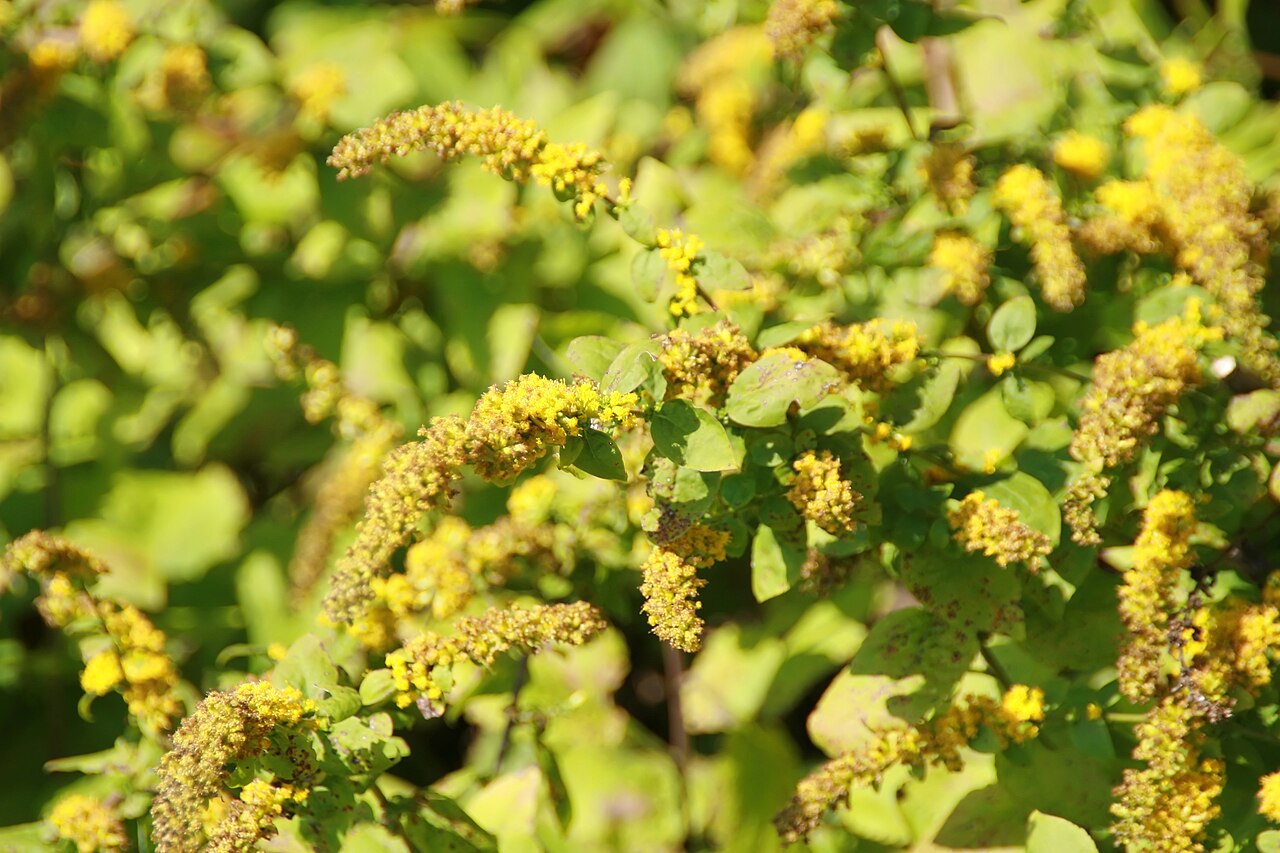
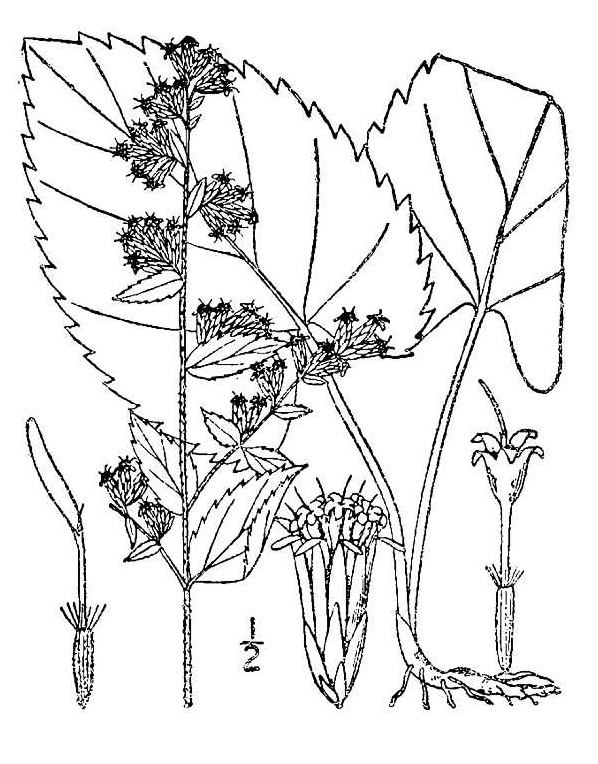
Golden Fleece is the goldenrod for gardeners who thought they had no room for goldenrod. It is a dwarf, clump-forming selection of autumn goldenrod (Solidago sphacelata), introduced by Mt. Cuba Center, reaching only about 1 to 1.5 feet tall and spreading slowly to 2 to 3 feet wide, with profuse sprays of small, bright yellow flowers from late August to late October. It is the most compact of all the goldenrods in the Chicago Botanic Garden evaluation, and it will spread slowly into a solid mat in about a year’s time if set 15 inches apart, which makes it a genuine groundcover, not just a small perennial.
In the garden it reads as a low, golden carpet in fall, edging a border, filling a container, or covering a sunny slope where a taller goldenrod would block the view. The foliage is neat, the habit is tidy, and the flower show is disproportionate to the plant’s size: a foot-tall plant throwing a cloud of gold is a trick that never gets old.
Why this variety
Choose Golden Fleece when space is the limiting factor. Most goldenrods need 3 to 6 feet of height and a meadow to roam in; Golden Fleece needs a pot, a border edge, or a small sunny patch, and it gives you the same late-season pollinator value at a fraction of the scale. It is the goldenrod for a balcony, a townhouse garden, or a front border where a tall goldenrod would hide the house.
It is also a well-behaved goldenrod, which matters in a small garden: it spreads slowly, it does not run, and it does not flop the way taller goldenrods do. If you want goldenrod and your neighbors want tidiness, Golden Fleece is the compromise that satisfies both.
How to grow
Plant in spring or fall in full sun to part shade and well-drained soil, spacing 15 to 18 inches apart for groundcover coverage. Water to establish, then moderately; it tolerates average garden soil and some dryness once rooted, but it blooms best with consistent moisture. Cut back in late winter, divide in spring every few years if the mat grows crowded, and deadhead only if you want to limit self-seeding.
Florida note: Golden Fleece is a cultivar of a central and eastern North American native, not a Florida native, and its hardiness range tops out in the cooler zones, so in Florida it is a north Florida plant, best trialed in zone 8 with afternoon shade and consistent moisture. In central and south Florida, plant Florida’s own seaside, anise-scented, or Leavenworth’s goldenrods instead, which are built for Florida heat. This guide states that limit plainly, because a dwarf goldenrod that fries in August is not a groundcover, it is a disappointment.
Water & feeding
Water regularly until established, then moderately. Golden Fleece likes well-drained soil that does not stay soggy, and it tolerates some dryness once rooted. Do not fertilize heavily; compost at planting is enough.
Common problems
Heat stress in south Florida: a northern-zone cultivar, best in north Florida. In hot, humid gardens it may fade; plant a Florida-native goldenrod instead.
Flopping in shade or rich soil: full sun and lean soil keep it compact.
Slow fill in poor soil: it spreads slowly, so plant at 15 inch spacing for coverage in one season, not 24 inches.
Hay fever blame: goldenrod does not cause hay fever. Ragweed does.
Harvest
No food harvest. The harvest is the fall carpet: cut sprays for small bouquets, leave seed heads for birds, and divide the mat in spring to make new groundcover for free. A foot-tall plant that feeds fall pollinators is a good trade.
Browse all plant & pest guides
Saving seeds
Golden Fleece is a compact goldenrod cultivar, and seedlings won’t hold its low, well-behaved mat — divide a crowded clump in spring every few years to keep it. The Saving seeds section of the Goldenrod guide covers seed for the species generally.