
🍋 Little Lemon Goldenrod
What it looks like
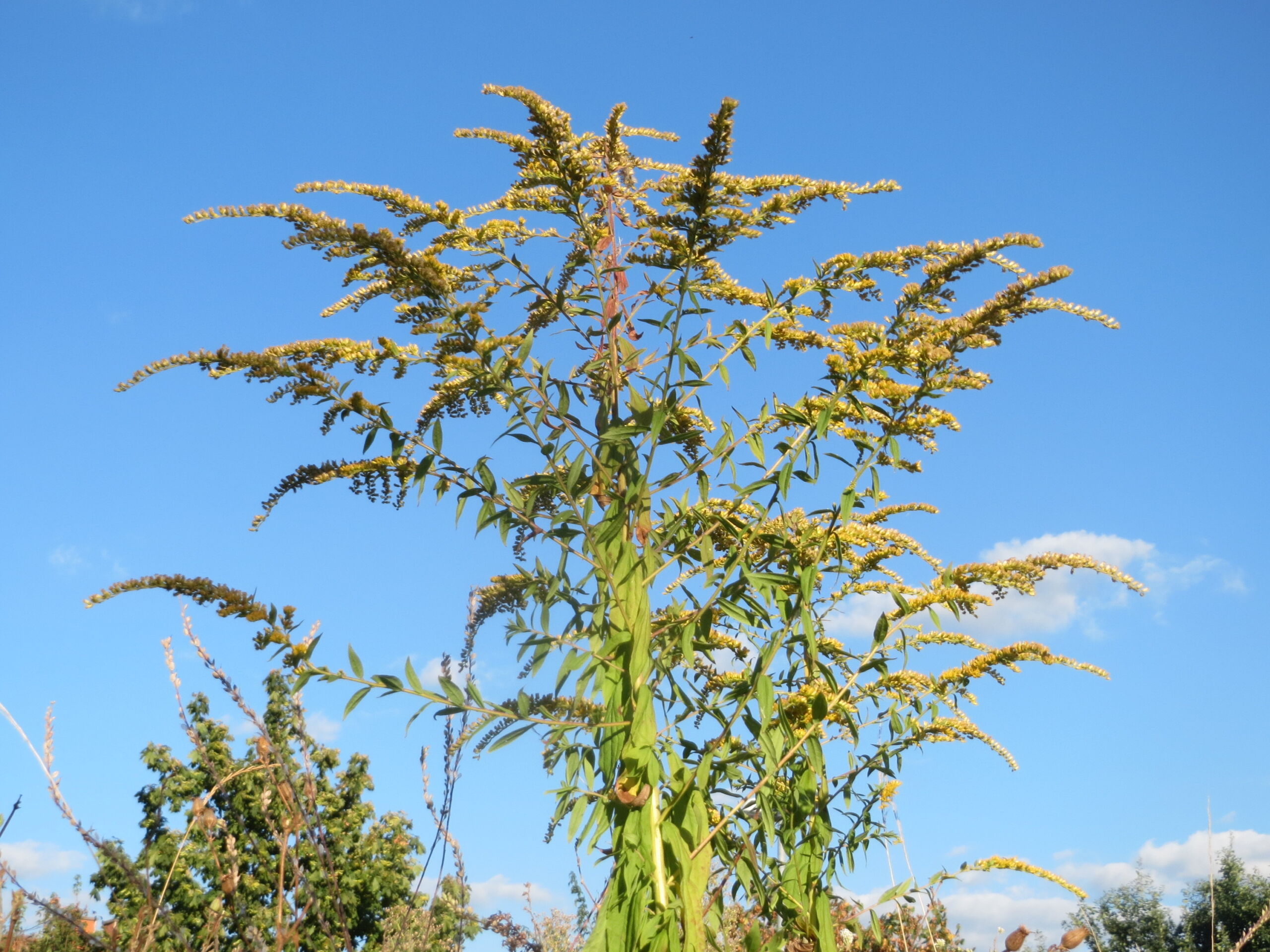
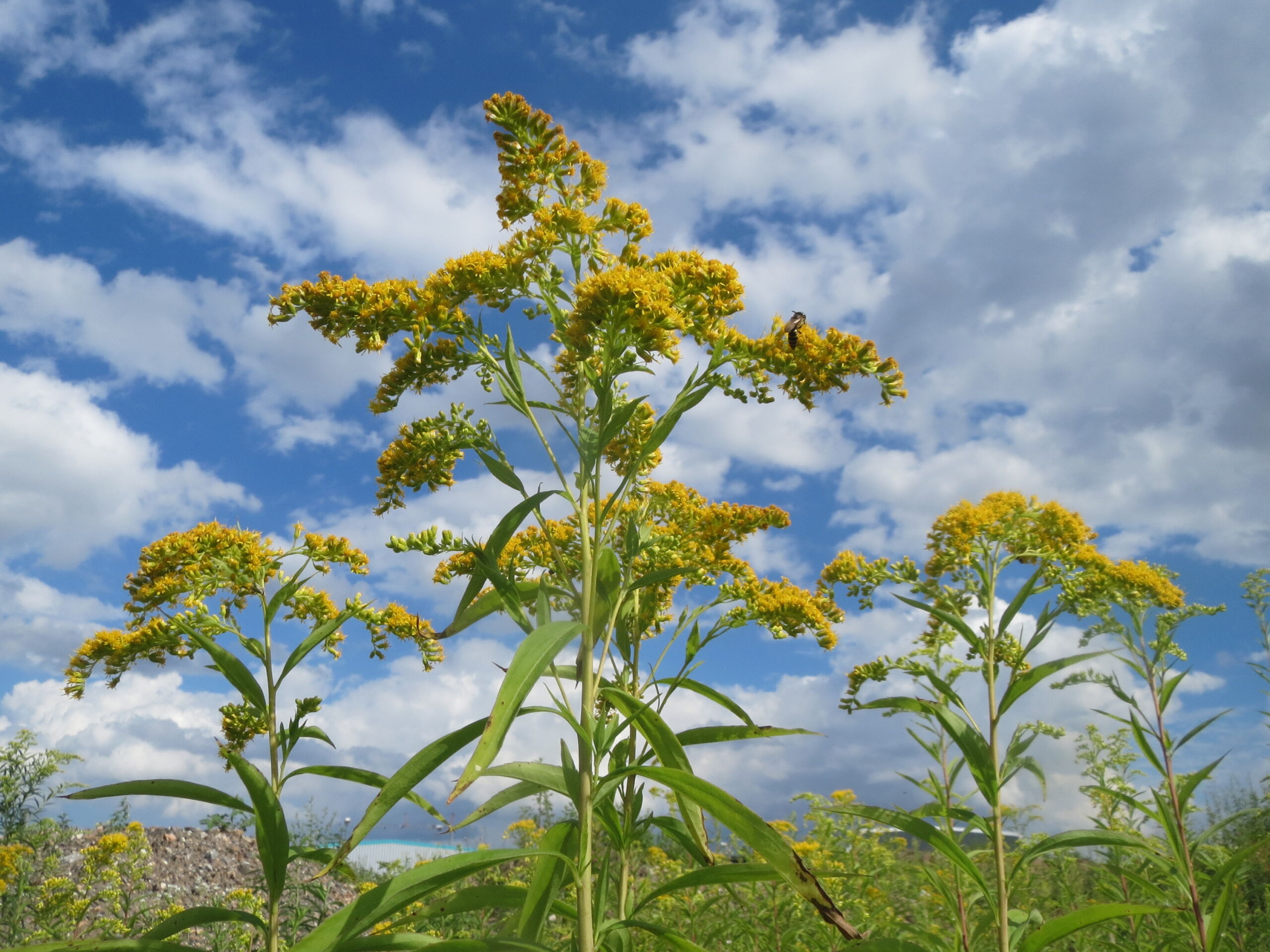
Little Lemon is the smallest goldenrod you can buy with a straight face. It is an exceptionally compact native cultivar, bred by Danziger and sold as ‘Dansolitlem’, reaching only 10 to 12 inches tall and about 15 inches wide, and it turns into a dense ball of lemon-yellow blooms from midsummer through late summer, much to the delight of pollinators. Where most goldenrods are vertical exclamation points, Little Lemon is a punctuation mark of a different kind: a low, rounded, lemon-colored button in the border.
The flowers are a softer, lemon yellow than the deep gold of most goldenrods, and the bloom season is long for a goldenrod, running from midsummer through late summer rather than just in fall. That combination, tiny size plus long bloom plus lemon color, makes it a front-of-border plant, a container plant, and an edging plant, all roles that taller goldenrods cannot fill without hiding everything behind them.
Why this variety
Choose Little Lemon when you want goldenrod in a pot, on a patio, or at the front of a border. It is the goldenrod for gardeners who have been told goldenrod is too big, too weedy, or too tall, and who want to prove that wrong in a 12 inch plant. It feeds pollinators in midsummer, when many gardens are between spring flowers and fall flowers, and it does it without taking over the bed.
It is also a good companion plant: its lemon yellow pairs with blue and purple flowers, like asters and salvias, in a way that deep gold does not always manage, and its compact ball shape means it never needs staking, cutting back, or apologizing for.
How to grow
Plant in spring in full sun and well-drained soil, spacing about 15 inches apart. Water to establish, then moderately; it likes average garden soil and tolerates some dryness once rooted, but it blooms best with consistent moisture. Cut back in late winter, divide in spring every few years if the ball grows crowded, and deadhead spent blooms to encourage more flowers through the season.
Florida note: Little Lemon is a compact hybrid cultivar, not a Florida native species, and in Florida it is best trialed in north Florida with afternoon shade and consistent moisture, where its compact size and long bloom are assets. In central and south Florida heat, it may fade early, and Florida’s own seaside, anise-scented, or Leavenworth’s goldenrods will outperform it. Trial it in a pot first if you are south of zone 9, so you can move it to shade if August proves too much.
Water & feeding
Water regularly until established, then moderately. Little Lemon wants well-drained soil that does not stay soggy, and it appreciates consistent moisture in bloom. Do not fertilize heavily; compost at planting is enough.
Common problems
Heat fade in south Florida: a compact cultivar bred for temperate gardens. In hot, humid gardens it may bloom shorter; plant a Florida-native goldenrod for a sure thing.
Flopping in shade: full sun keeps it compact and ball-shaped. Shade makes it leggy.
Crowding: divide every few years to keep the ball dense and flowering well.
Hay fever blame: goldenrod does not cause hay fever. Ragweed does.
Harvest
No food harvest. The harvest is the lemon ball itself: cut stems for small summer bouquets, leave seed heads for birds, and divide in spring to make more plants. A 12 inch goldenrod that blooms for months is a good yield for a pot.
Browse all plant & pest guides
Saving seeds
Little Lemon is a compact hybrid goldenrod cultivar, not a Florida native species, and hybrid cultivars are kept true by division, not by seed — seedlings would not hold the tidy 12-inch ball or the lemon-yellow bloom. Divide in spring every few years if the ball grows crowded, plant in full sun and well-drained soil, and deadhead spent blooms to stretch the flowering season. The Saving seeds section of the Goldenrod guide covers seed for the species generally.