
🌿 Variegata Oregano
What it looks like
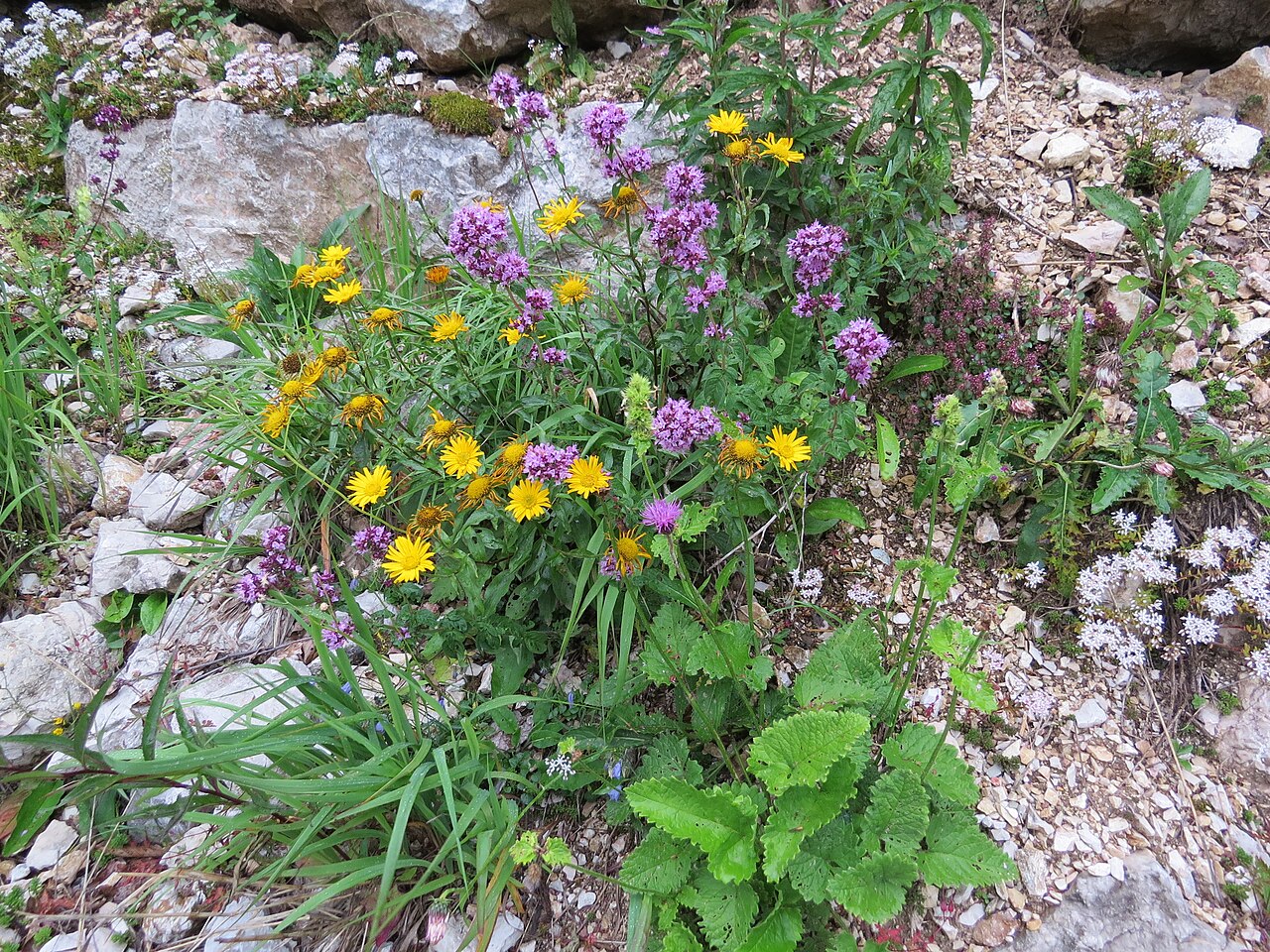
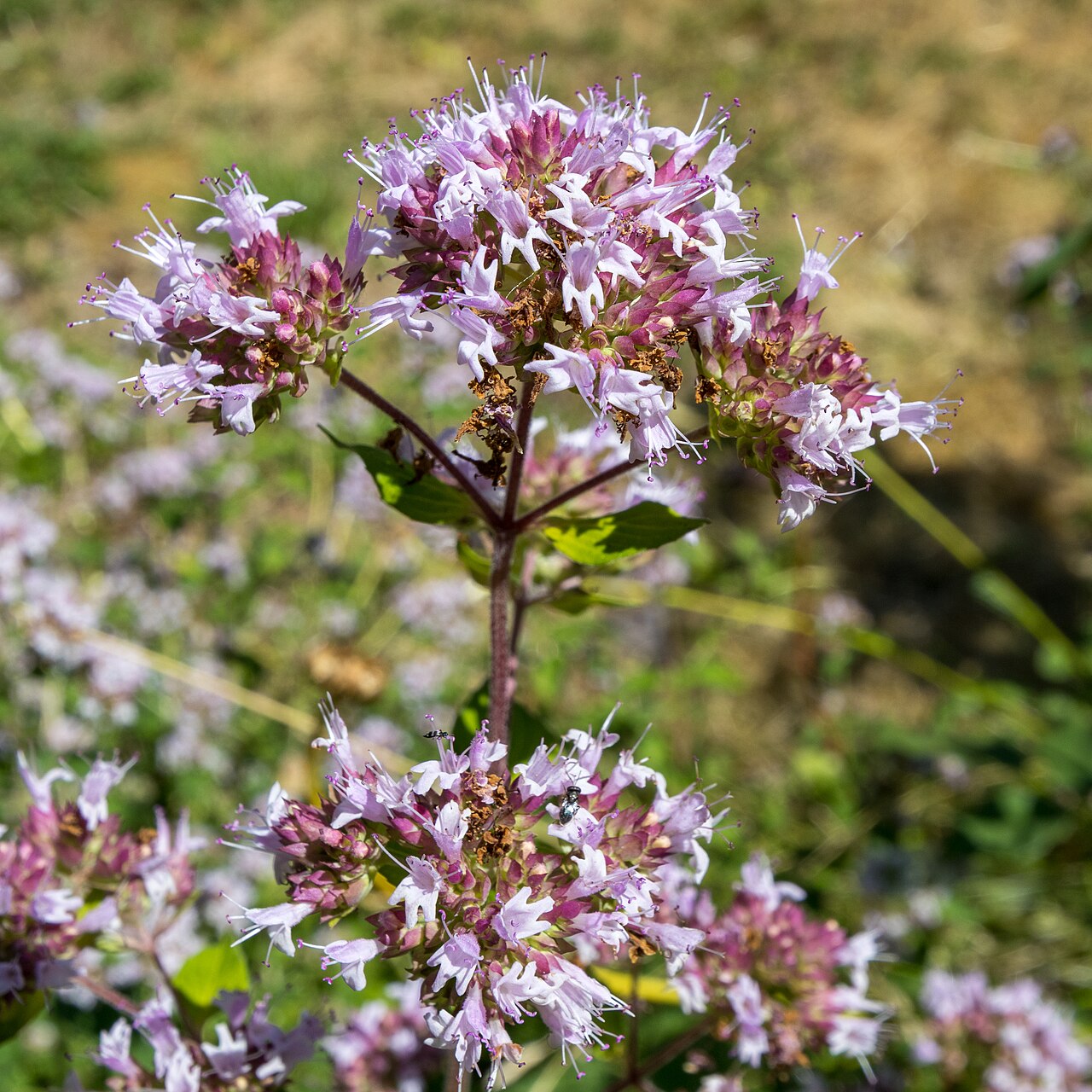
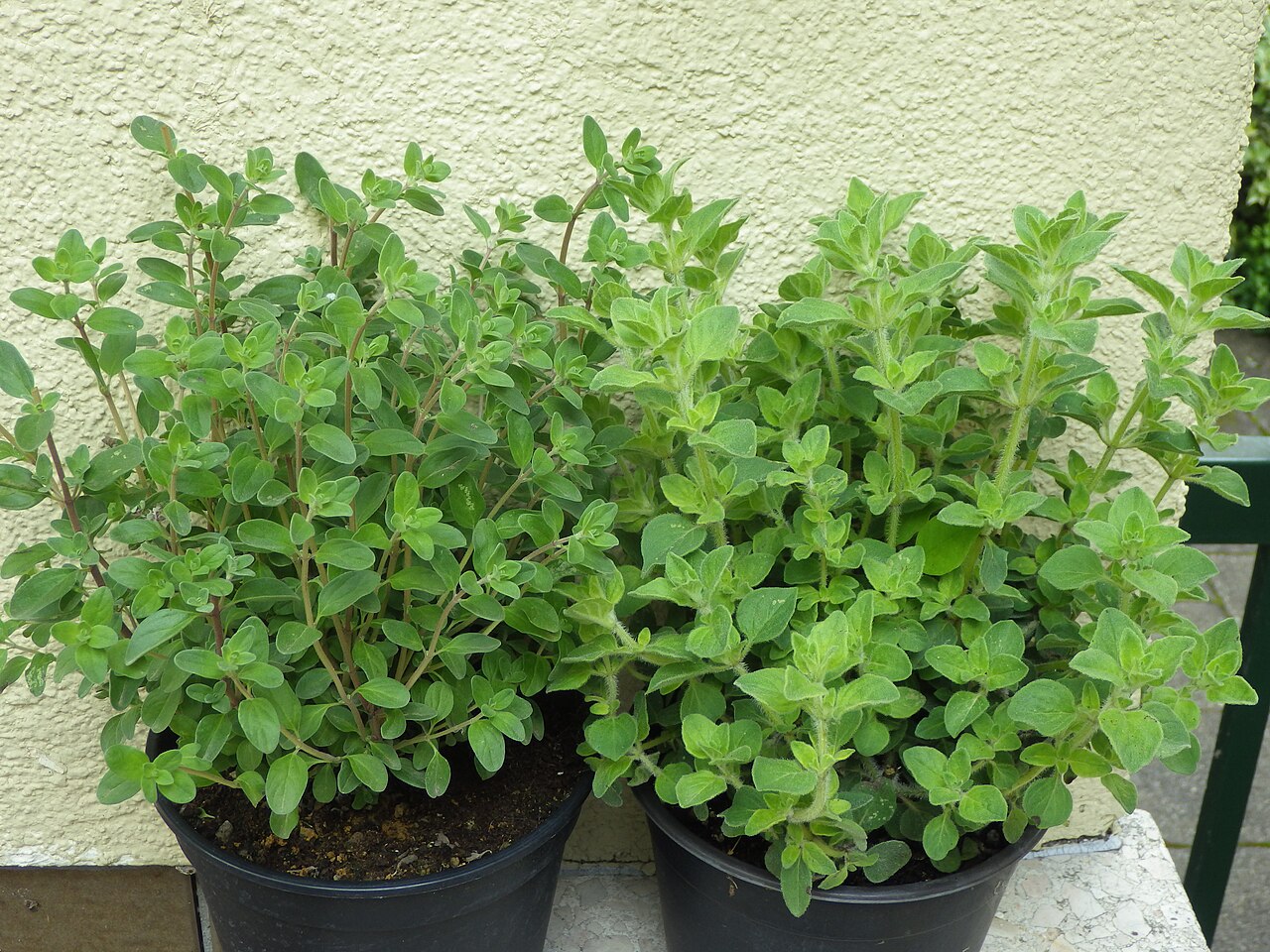
Why this variety
Variegata is the oregano that gets planted for its looks and kept for its flavor. It is the variegated form of common oregano (Origanum vulgare ‘Variegata’), with green leaves elegantly edged in white — a striking, almost formal plant that brightens the front of an herb bed the way a white frame brightens a painting. Variegated oreganos trade under several names in the trade, including ‘Country Cream’ types, but the plant to look for is the same one: green centers, clean white margins, oregano scent when bruised.
In the kitchen, Variegata seasons like a milder common oregano — not as fierce as Greek oregano, which this site already guides, and not as sweet as Italian oregano, but a true oregano flavor that belongs in tomato sauces, roasted vegetables, and herb blends. Grow it like other oreganos: full sun to hold the variegation (shade greens it up), sharp drainage, and a hard cutback after flowering. Prune out any plain green shoots promptly, or the plant will quietly revert to unvariegated oregano and pretend the white edges were never there.
For the species as a whole, see the Oregano growing guide.
How to grow
Oregano is a Mediterranean perennial that wants full sun, lean soil, and sharp drainage — treat it like a sunbathing lizard and it will be happy. Plant in gritty, well-drained soil, space for airflow, and do not overwater or overfeed; pampered oregano grows lush and tastes like nothing. The best oregano flavor comes from plants that work a little for their water.
Florida note: oregano is a perennial in warm winters and loves Florida heat, but it still demands drainage — wet summer soil rots it faster than cold ever will. A raised bed or container with gravel mulch is the safe play, and afternoon shade in brutal heat is fine if the soil still drains fast. Cut plants back hard after flowering to keep them leafy instead of woody.
Water & feeding
Water to establish, then let it dry between waterings; oregano’s flavor actually improves with a little dryness. Feed lightly with worm castings in spring only — too much nitrogen dilutes the oils that make oregano taste like oregano. In Florida, water at soil level in the morning and never let pots sit in standing water.
Common problems
- Root rot in wet soil — the number one killer. Drainage first, water second, always.
- Woody, sparse growth — cut back hard after flowering and divide every few years; old oregano turns to sticks.
- Aphids and spider mites — blast with water and improve airflow; rarely serious on a vigorous plant.
- Self-seeding spread — oregano seeds freely. Deadhead if you do not want volunteers, or let a few go and gift the extras.
Harvest
Snip sprigs as needed once established, and cut whole stems just before flowering for drying, when oils peak. Harvest lightly the first year and fully from year two onward. Oregano is one of the few herbs that tastes stronger dried than fresh — dry slowly in a dark, airy spot and strip leaves from stems.
Browse all plant & pest guides
Saving seeds
Variegata is the oregano that gets planted for its looks and kept for its flavor. It is the variegated form of common oregano (Origanum vulgare ‘Variegata’), with green leaves elegantly edged in white — a striking, almost formal plant that brightens the front of an herb bed the way a white frame brightens a painting. In the kitchen, Variegata seasons like a milder common oregano — not as fierce as Greek oregano, and not as sweet as Italian oregano, but a true oregano flavor that belongs in tomato sauces, roasted vegetables, and herb blends. Seed will not repeat the white margins, so Variegata is kept true by cuttings or division. Grow it like other oreganos: full sun to hold the variegation — shade greens it up — sharp drainage, and a hard cutback after flowering. The full method is in the Saving seeds section of the Oregano guide.