
🍍 Red Spanish Pineapple
What it looks like
Why this variety
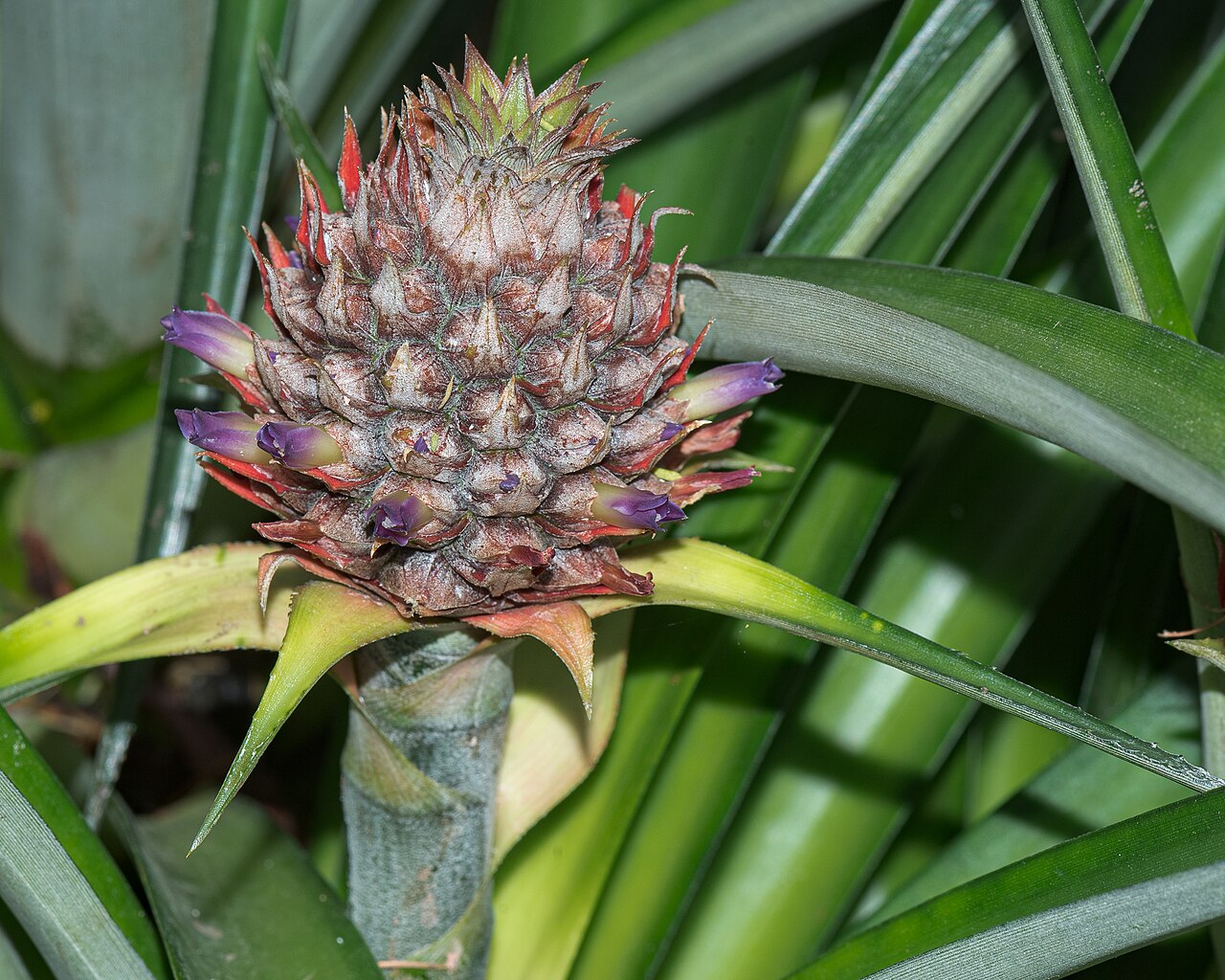
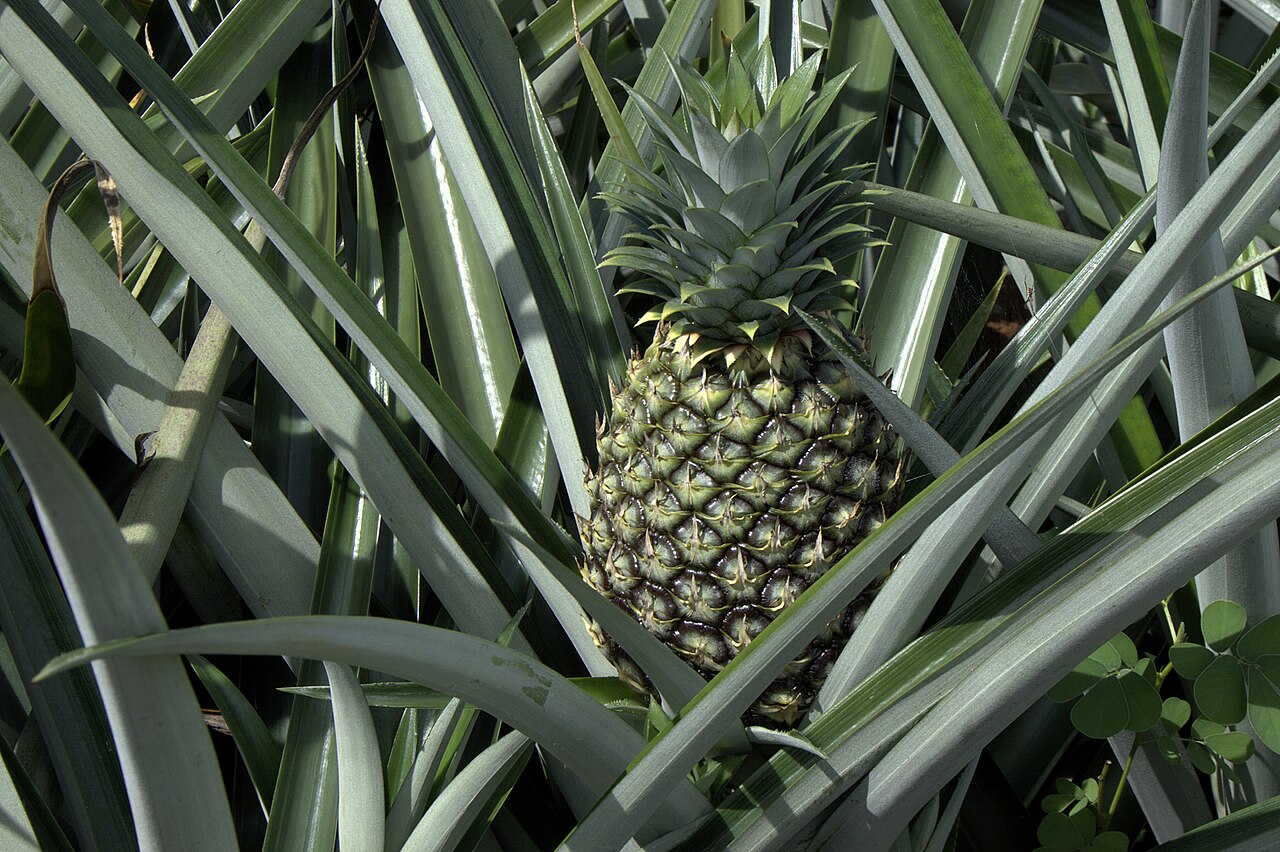
Red Spanish is the Caribbean pineapple: spiny-leaved, tough, and aromatic, with reddish-orange skin and flesh that balances sweetness with a lively tang. It is the pineapple that grew across the Caribbean long before the modern hybrids, valued because the plant is hardy, the fruit stores and ships well, and the flavor is unmistakably pineapple — fragrant, juicy, and a little wild around the edges compared with the ultra-sweet modern types.
Its spines are the honest warning: Red Spanish leaves are armed, so plant it where you will not brush against it daily, and wear gloves when you work around it. In exchange you get a vigorous, forgiving plant that tolerates Florida heat, poorer soils, and less coddling than fussier pineapples. Florida note: pineapples grow across much of Florida as yard plants, fruiting reliably in South and Central Florida and in containers or protected spots farther north. They tolerate light frosts better than mangoes or papayas, but a hard freeze damages leaves and can kill the plant — container growing is the honest North Florida strategy.
How to grow
Full sun, loose, well-drained, slightly acidic soil, 2 to 3 feet apart in beds or in large containers. Water moderately, feed lightly and regularly, and keep the center cup clear of mulch and debris. Give it room away from paths — those spines are not decorative, and neither is the lesson they teach.
After fruiting, keep the strongest sucker for the next crop and remove the rest, or replant from crowns and slips. Red Spanish suckers vigorously, so a single planting can become a patch if you let it — manage the patch, or it will manage your bed. Watch for mealybugs in leaf bases and for rot in wet soil, the two problems that actually threaten a tough pineapple.
Water & feeding
Moderate watering, excellent drainage. Red Spanish tolerates dry spells well; it does not tolerate standing water at all. Let soil dry between drinks, and in summer storms rely on raised beds and loose soil, not hope.
Common problems
- Root and heart rot in wet soil
- Mealybugs in leaf bases
- Spiny leaves — a handling hazard, not a disease, but plan for it
- Freeze damage in hard freezes — protect or container-grow in marginal zones
Harvest
Pick Red Spanish when the skin colors reddish-orange and the base smells fragrant and sweet, and the fruit twists off with gentle pressure. It will not sweeten further after picking, so wait for full color and fragrance. The tang is part of the charm: eat fresh, grill slices, or juice it, where its acidity shines.
Browse all plant & pest guides
Saving seeds
Red Spanish is the Caribbean pineapple: spiny-leaved, tough, and aromatic, with reddish-orange skin and flesh that balances sweetness with a lively tang. It is the pineapple that grew across the Caribbean long before the modern hybrids, valued because the plant is hardy, the fruit stores and ships well, and the flavor is unmistakably pineapple — fragrant, juicy, and a little wild around the edges compared with the ultra-sweet modern types. As a named pineapple it is kept true by suckers, crowns, and slips, not by seed — after fruiting, keep the strongest sucker for the next crop and remove the rest, or replant from crowns and slips. Red Spanish suckers vigorously, so a single planting can become a patch if you let it — manage the patch, or it will manage your bed. The full method is in the Propagation section of the Pineapple guide.