
🍍 Pineapple
What it looks like
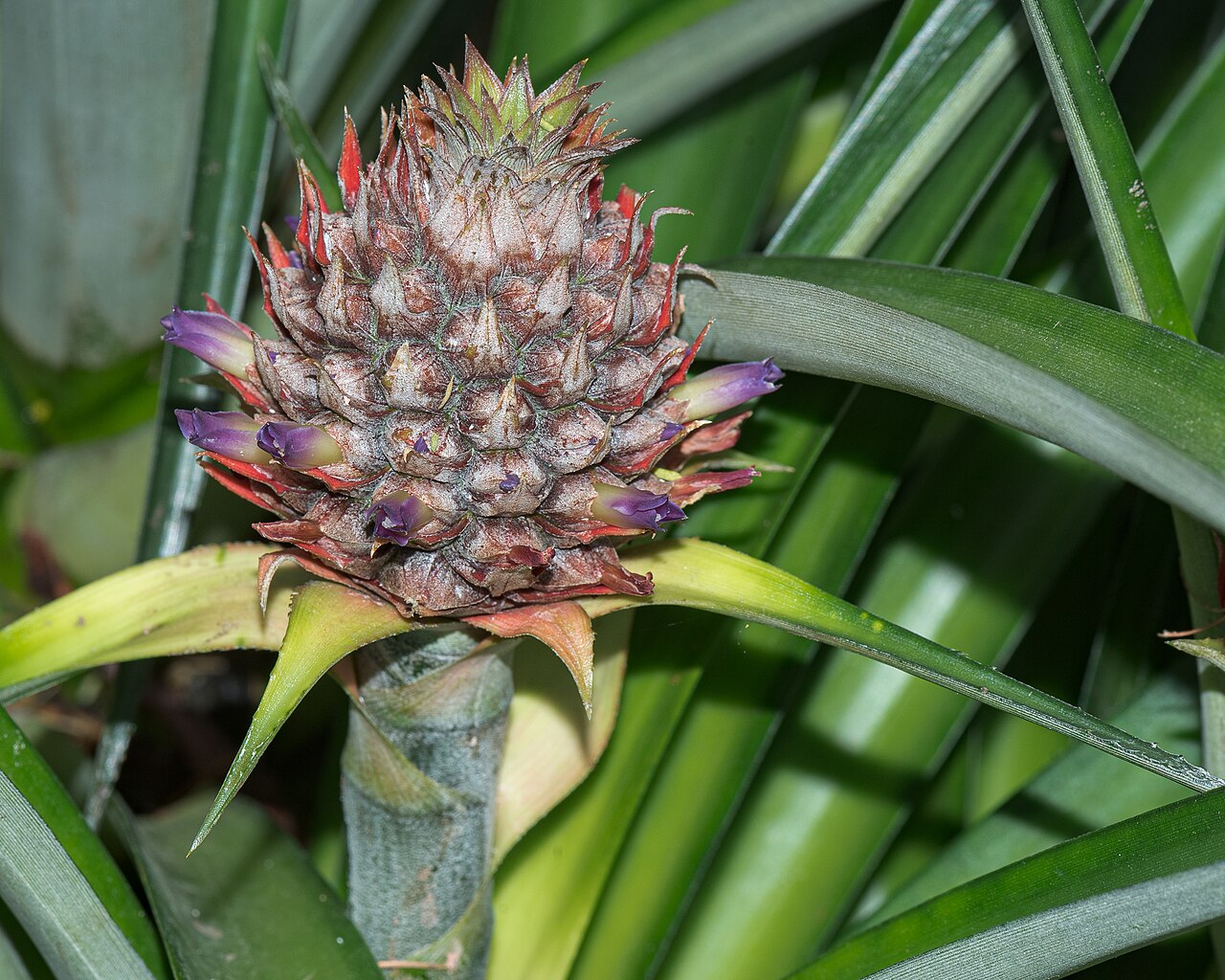
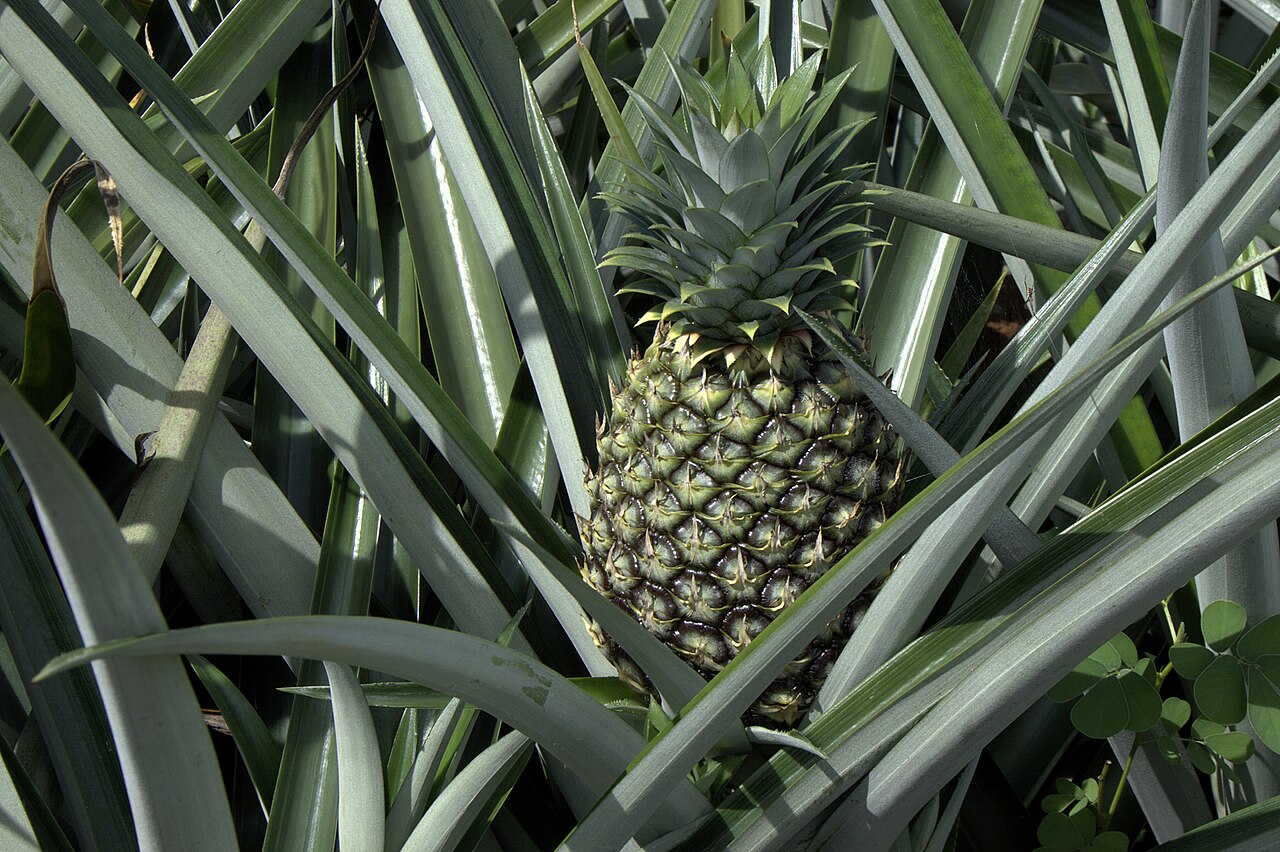
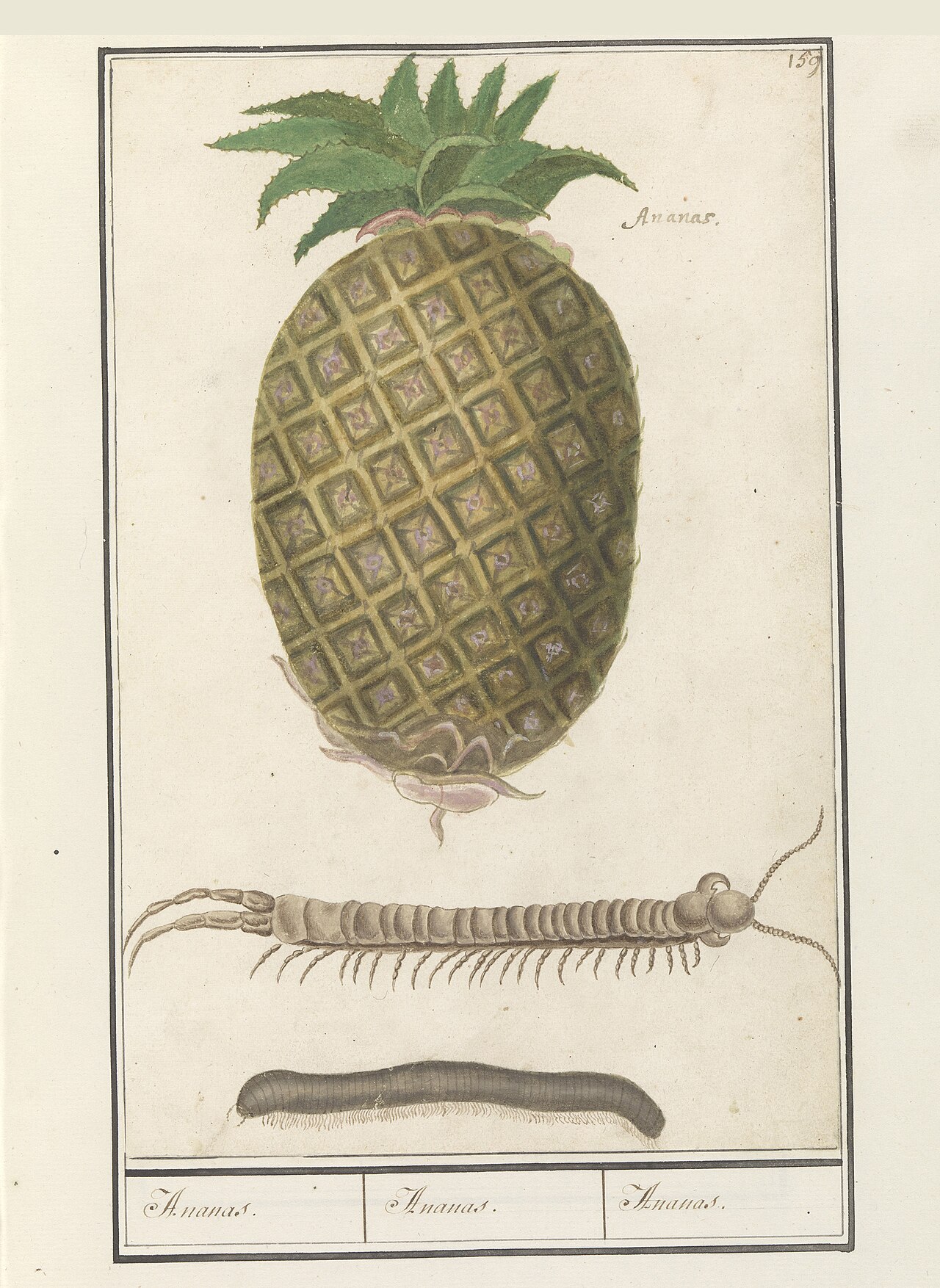
How to grow
Pineapples are bromeliads, not trees, and that changes everything about how you grow them: they are low, spiky rosettes that fruit once from the center, then produce side shoots (slips and suckers) that become the next plants. In zones 9–11, plant in spring in very well-drained, sandy soil — raised beds are ideal, since pineapples rot in standing water. Elsewhere, grow in a large container that moves indoors before frost, in bright light. You can start from a grocery-store crown (twist it off, dry it a few days, plant it in loose mix), but nursery slips fruit sooner and more reliably. Pineapples are self-fertile and need no pollinizer. The main skill is patience: a pineapple takes a year and a half or more to fruit, and rushing it with fertilizer produces leaves, not pineapples.
Water & feeding
Water sparingly and let the soil dry between waterings — pineapples are drought-tolerant and rot-prone in equal measure. Water into the rosette cup occasionally, but never let the plant sit in wet soil. Feed lightly with a balanced fertilizer a few times a year; overfeeding burns leaf tips and delays fruiting.
Common problems
- Root rot from wet soil — the number one killer; drainage matters more than anything else
- Frost damage below freezing — container plants must come indoors; outdoor plants need frost cloth on cold nights
- Mealybugs hiding in leaf axils — inspect and treat with insecticidal soap
- Sunburn on fruit in extreme heat — shade cloth in the hottest climates helps
Harvest
Pick when the fruit is golden at least halfway up, smells sweet at the base, and gives slightly — a fully green pineapple will not sweeten much off the plant. Twist or cut the fruit off, let it sit a day or two to finish softening, and replant the crown or a slip for the next round.
Browse all plant & pest guides
Propagation
There is no seed section here, and that is not an oversight: the pineapple you eat is essentially seedless, and the plant is propagated vegetatively — by crowns, slips, and suckers — which is how every pineapple you have ever eaten was grown. Seed exists in theory, in wild relatives and in breeding programs, but it is not how a gardener grows a pineapple, and a seedling would be a genetic surprise that takes years to fruit. The practical methods are all cuttings of one kind or another, and they are easy.
The crown is the famous one. Twist or cut the leafy top off a ripe pineapple, peel off the lowest few leaves to expose about an inch of stem, and let the cut end dry for a day or two so it calluses — this is the step people skip, and it is the step that prevents rot. Then set the crown in a pot of well-draining mix, or in a glass of water until roots appear, and keep it warm and bright. Roots form in a few weeks, and the plant is established within a couple of months. Slips and suckers — the shoots that grow from the base of the fruit and from the leaf axils — work the same way and fruit sooner than a crown, because they are bigger to start with. Snap them off when they are 6 to 8 inches long, let the cut dry, and pot them up.
A pineapple grown from a crown takes about 18 to 24 months to fruit in Florida, and a sucker is faster. The plant fruits once, then makes pups at its base — keep one or two pups to replace the mother plant and the cycle continues. Grow it in a pot or a sunny, well-draining bed, water it sparingly, and feed it lightly; pineapple hates wet feet and loves warmth. In North Florida, grow it in a pot you can shelter from frost, because a hard freeze kills it.
One honest note: a crown from a store pineapple gives you a pineapple, but it gives you the variety the store sold, not a variety you chose. If you want a specific type — a Smooth Cayenne, a Sugarloaf, a white-fleshed variety — buy a plant or a pup from a grower. And save the crown from every pineapple you eat: it costs nothing, and in two years it is breakfast.
Varieties
Every named variety of Pineapple with its own growing guide:
- Smooth Cayenne Pineapple — The classic pineapple: the most widely grown variety in the world, cylindrical, high-sugar, and proven in Florida yards.
- Sugarloaf Pineapple — The white, coreless pineapple: 5-to-6-pound fruit with white flesh, no woody core, and almost no acid.
- MD-2 Pineapple — The modern supermarket pineapple: extra-sweet, low-acid, golden fruit with a small core — the pineapple that made fresh pineapple a year-round habit.
- Red Spanish Pineapple — The spiny Caribbean classic: reddish-orange skin, aromatic, tangy-sweet flesh, and a tough plant that shrugs off Florida conditions other pineapples sulk about.
- Pernambuco Pineapple — The pale, honey-sweet Brazilian pineapple: very sweet, low-acid, pale-yellow flesh that eats like dessert and bruises if you look at it wrong.
- Queen Pineapple — The small, spiny, intensely sweet pineapple: tiny fruit, huge flavor, and a plant that fits a pot — proof that pineapple size and pineapple taste are unrelated.
- Abacaxi Pineapple — The Brazilian white pineapple: pale, juicy, very sweet fruit with almost no fiber — the pineapple that eats like a cloud and a dare.