
🍍 Smooth Cayenne Pineapple
What it looks like
Why this variety
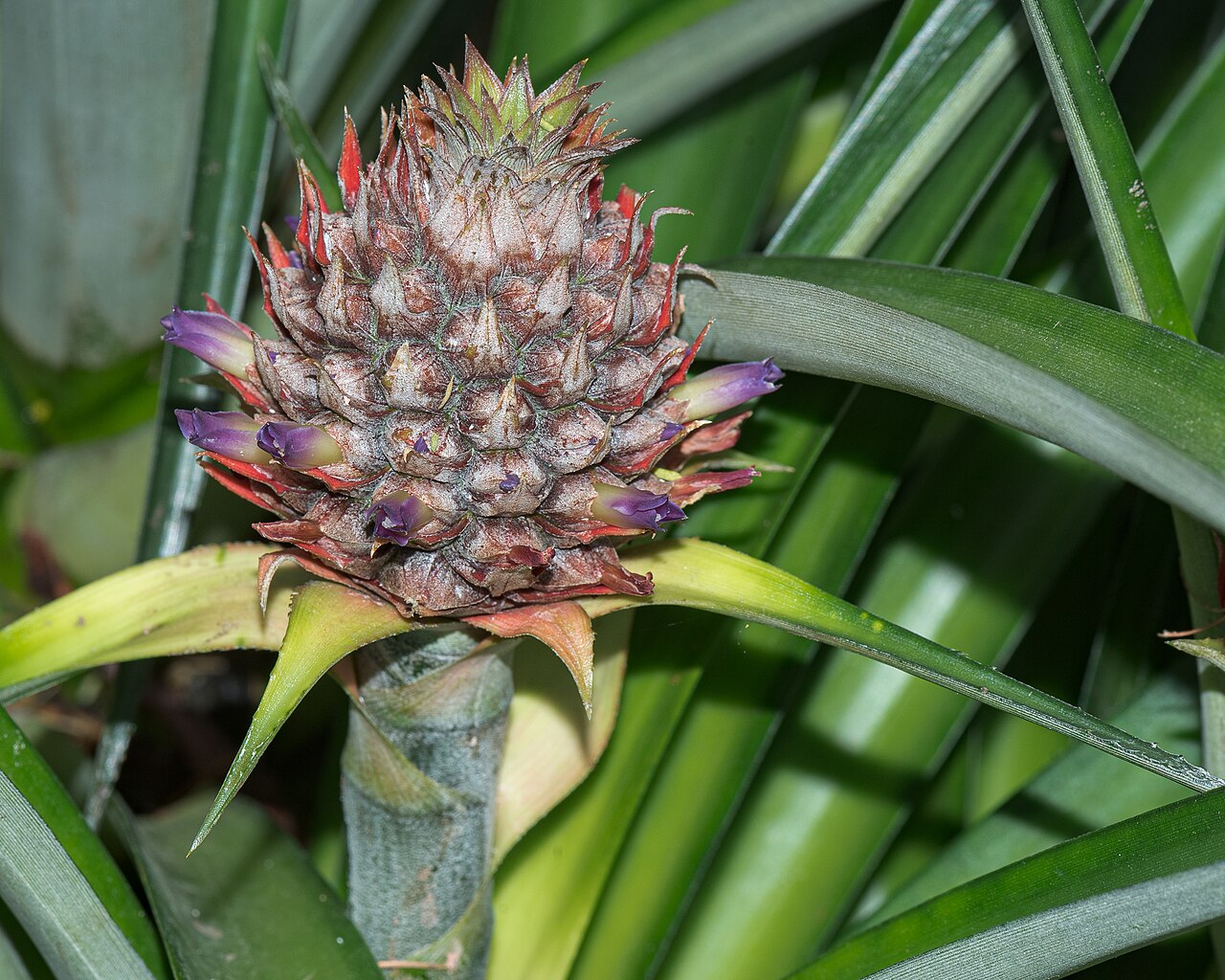
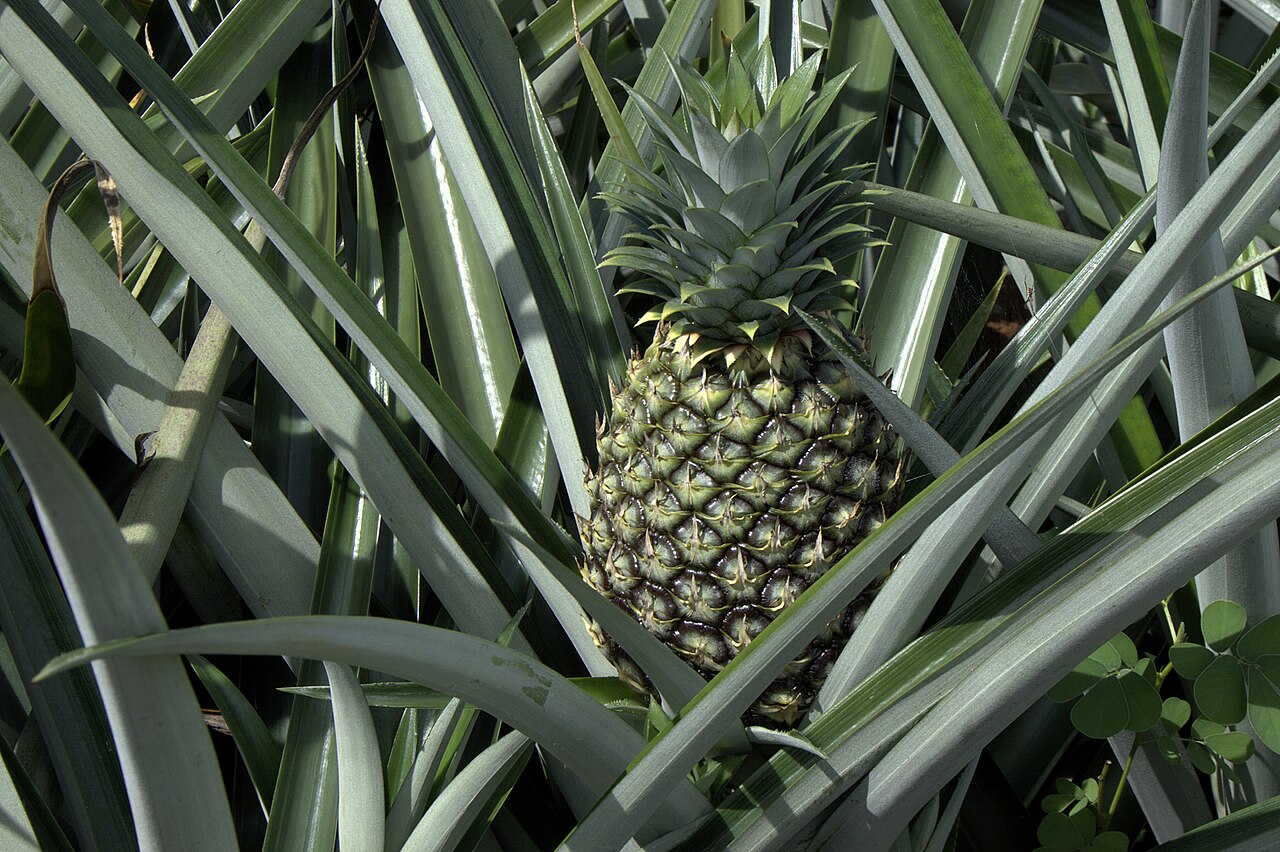
‘Smooth Cayenne’ is the pineapple most of the world has eaten: the most widely grown variety on the planet, and the one UF/IFAS names as the most common variety grown in Florida. The fruit is cylindrical, 5 to 6 pounds, with pale-yellow to yellow pulp that balances high sugar with real acidity — the pineapple flavor that is sweet and sharp at once, not just sweet. The leaves are nearly smooth (the ‘smooth’ in the name is a kindness to your forearms, compared with spiny types), with spines mostly at base and tip.
For a Florida gardener, ‘Smooth Cayenne’ is the safe, proven choice: it is a dooryard staple across the warm parts of the state, it propagates from crowns and slips you already have, and it fruits reliably without a greenhouse. It is not the sweetest pineapple ever bred — the newer super-sweet types beat it on sugar alone — but it is the one with a century of Florida backyards behind it.
How to grow
Here is the honest Florida part first: pineapple is a bromeliad, not a tree, and in Florida it is an outdoor crop in zones 9-11 and a container plant elsewhere in the state. It needs full sun, excellent drainage, and acidic soil — Florida’s sandy soil suits it well, but limestone areas may need acidifying amendments or a raised bed with acidic mix. A hard freeze damages or kills the plant, so in zone 9, keep frost cloth handy and plant in warm microclimates.
Plant crowns, slips, or suckers — not seed — a few inches deep in loose, well-drained soil or a large pot, 2-3 feet apart. Pineapples are shallow-rooted and top-heavy when fruiting, so firm them in well and do not let them rock in wind. A plant fruits once, then produces suckers for the next crop: the plantation renews itself if you let it.
Water & feeding
Pineapples are drought-tolerant for a fruit crop but fruit better with steady, moderate water — about an inch a week in dry spells, at soil level, never waterlogged. Their central cup holds water naturally; in Florida’s humidity, do not keep the cup constantly full or rot follows. Feed lightly and often with a balanced fertilizer or worm castings — pineapples are light feeders that punish heavy nitrogen with leafy growth and poor fruit.
Common problems
- Freeze damage — pineapple foliage is frost-tender; cover plants on cold nights in zone 9.
- Heart rot from overwatering — the central cup rotting is the classic killer. Water the soil, not the crown, and ensure sharp drainage.
- Mealybug and scale in leaf axils — check where leaves meet the stem; treat with horticultural oil and remove badly infested plants.
- Toppling under fruit weight — stake or mound soil around the base of fruiting plants in windy spots.
Harvest
Pineapple does not ripen much after picking, so wait: ‘Smooth Cayenne’ is ready when the skin turns golden-yellow from the base upward, the fruit smells sweet at the base, and a center leaf pulls out with gentle resistance. Cut the fruit with a knife, leaving the crown attached if you want to plant it — that crown is next year’s plant, free.
Eat fresh, grill, or juice. And plant the crown the same day: twist it off, let it dry a day, and set it in soil. The pineapple you just ate is now two plants, which is the best deal in the fruit garden.
Browse all plant & pest guides
Saving seeds
‘Smooth Cayenne’ is the pineapple most of the world has eaten: the most widely grown variety on the planet, and the one UF/IFAS names as the most common variety grown in Florida. The fruit is cylindrical, 5 to 6 pounds, with pale-yellow to yellow pulp that balances high sugar with real acidity — the pineapple flavor that is sweet and sharp at once, not just sweet. The leaves are nearly smooth (the ‘smooth’ in the name is a kindness to your forearms, compared with spiny types), with spines mostly at base and tip. As a named pineapple it is kept true by crowns, slips, or suckers, not by seed — plant crowns, slips, or suckers, not seed, a few inches deep in loose, well-drained soil or a large pot, 2-3 feet apart. Pineapples are shallow-rooted and top-heavy when fruiting, so firm them in well and do not let them rock in wind. Here is the honest Florida part first: pineapple is a bromeliad, not a tree, and in Florida it is an outdoor crop in zones 9-11 and a container plant elsewhere in the state. It needs full sun, excellent drainage, and acidic soil. The full method is in the Propagation section of the Pineapple guide.