
🍍 MD-2 Pineapple
What it looks like
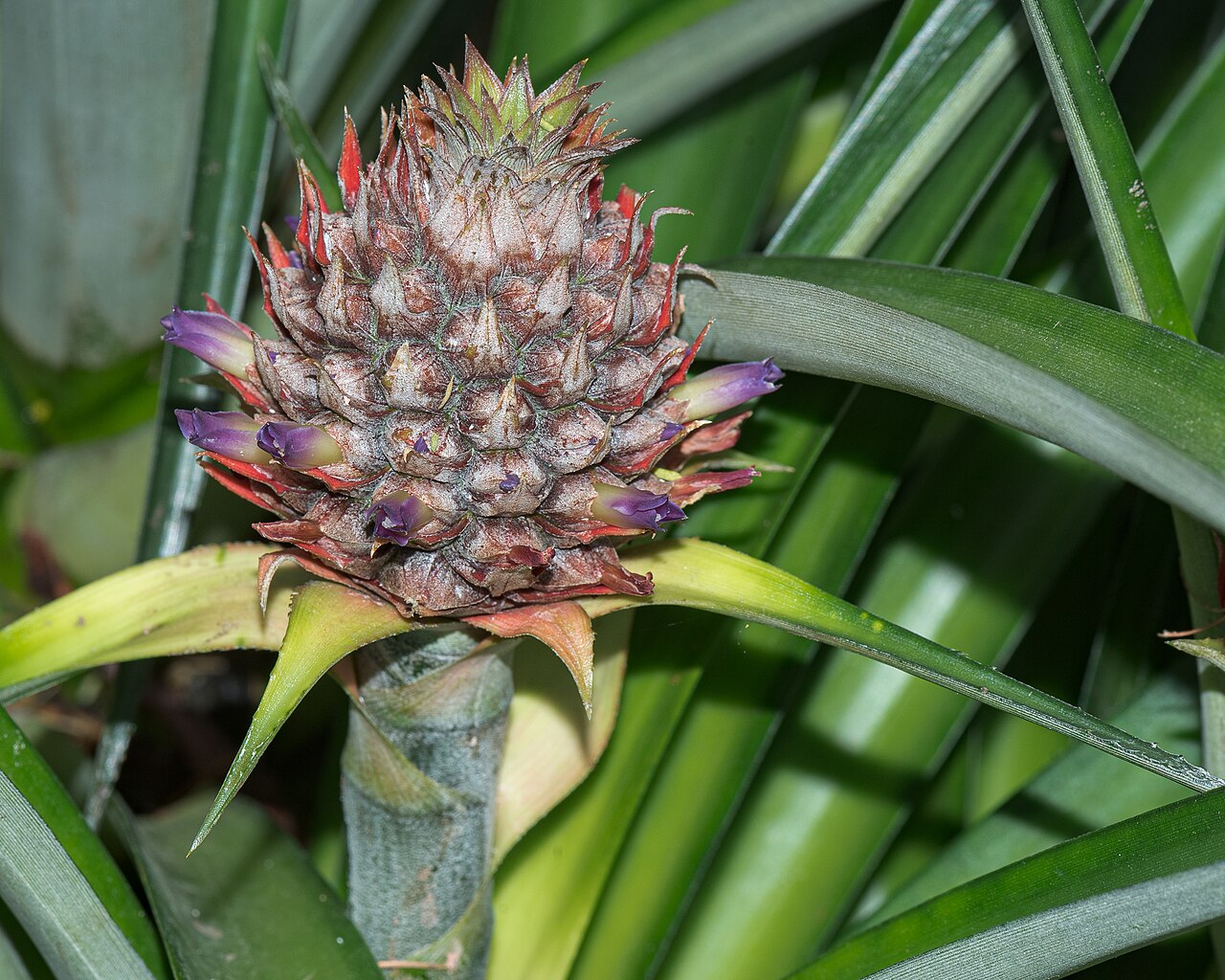
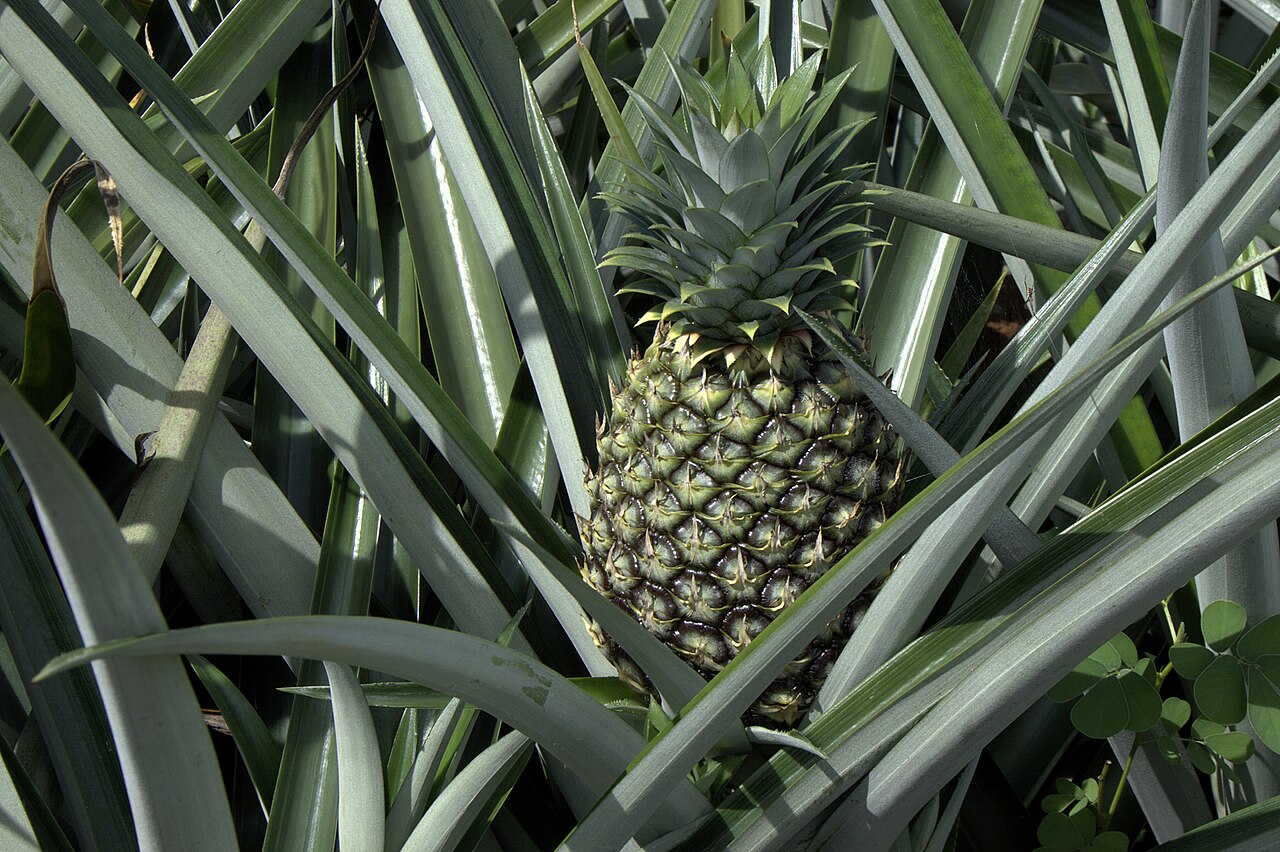
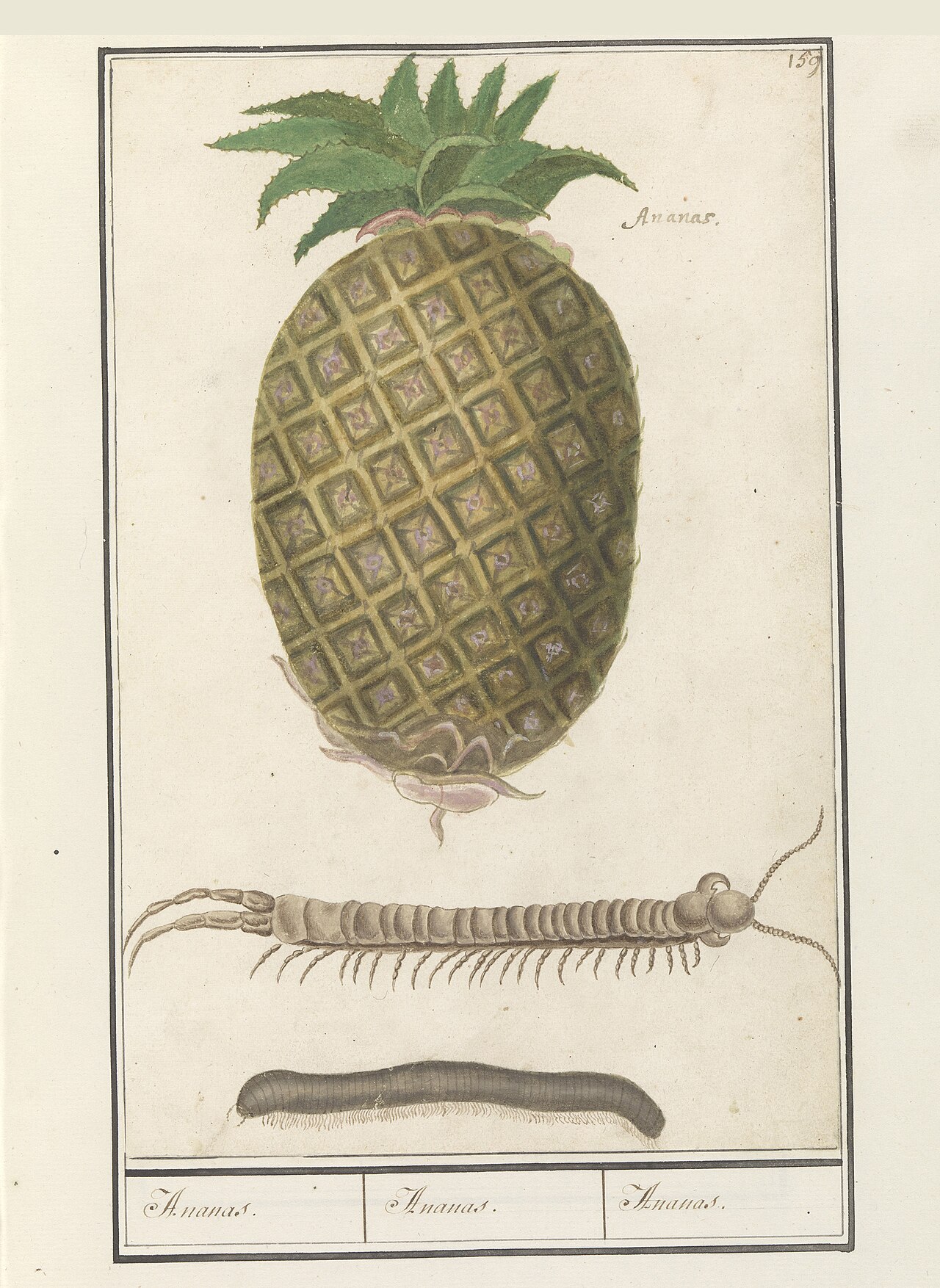
Why this variety
MD-2 is the pineapple most people eat without knowing its name: the extra-sweet, low-acid, golden-fleshed hybrid that took over fresh pineapple markets because it is sweeter, less fibrous, and longer-keeping than the older canning types. Its flesh is deep gold, its core is small and edible, and its flavor is honeyed without the sharp bite that makes some pineapples a challenge for sensitive mouths. If you want the pineapple your family already loves, grown in your own yard, MD-2 is the obvious candidate.
MD-2 is also a well-documented home-garden pineapple in Florida, grown from crowns and slips in sunny beds and large containers. It is not the hardiest pineapple, and it is not the most ornamental, but it is the most reliably delicious — which, for a fruit plant, is the trait that matters most. Florida note: pineapples grow across much of Florida as yard plants, fruiting reliably in South and Central Florida and in containers or protected spots farther north. They tolerate light frosts better than mangoes or papayas, but a hard freeze damages leaves and can kill the plant — container growing is the honest North Florida strategy.
How to grow
Plant MD-2 crowns, slips, or suckers in full sun in loose, very well-drained, slightly acidic soil — pineapples rot in heavy, wet soil faster than they grow in it. Space plants 2 to 3 feet apart in beds, or grow one per large container with drainage holes. Water to establish, then water moderately; pineapples are bromeliads, and they tolerate dry spells far better than wet feet. Feed lightly and regularly with a balanced fertilizer, avoiding heavy nitrogen that pushes leafy growth at the expense of fruit.
Mulch lightly to suppress weeds and hold moisture, but keep mulch and soil out of the plant’s center cup — a crown full of wet mulch rots. Pineapples fruit once per plant, then produce suckers and slips that become the next crop; after harvest, keep the strongest sucker and remove the rest, or start fresh plants from the crown of the fruit you just ate. That cycle — eat, plant the top, wait, eat again — is the home pineapple economy in miniature.
Water & feeding
Moderate, infrequent watering once established; let soil dry between drinks. Pineapples need far less water than bananas or papayas, and overwatering is the common home-garden mistake. In Florida’s rainy summer, drainage and a raised bed matter more than irrigation.
Common problems
- Root and heart rot in wet, heavy soil — drainage first
- Mealybugs hiding in leaf bases — inspect and treat with horticultural oil or soapy water
- Sunburn on exposed fruit in extreme heat — light shade or leaf cover helps
- Freeze damage to leaves and growing point in hard freezes — containers indoors or covers on cold nights
Harvest
MD-2 fruit is ready when it turns golden over most of the skin, smells sweet and fragrant at the base, and slips easily from the plant with a gentle twist. Unlike some fruit, pineapple does not get sweeter after picking — it only gets softer — so patience on the plant pays directly in sugar. Cut, do not yank, and plant the crown the same day: the next pineapple is already in your hand.
Browse all plant & pest guides
Saving seeds
MD-2 is the pineapple most people eat without knowing its name: the extra-sweet, low-acid, golden-fleshed hybrid that took over fresh pineapple markets because it is sweeter, less fibrous, and longer-keeping than the older canning types, with deep gold flesh and a small, edible core. Pineapples are grown from crowns, slips, or suckers, never from seed — plant MD-2 crowns, slips, or suckers in full sun in loose, very well-drained, slightly acidic soil, spacing plants 2 to 3 feet apart, and remember pineapples fruit once per plant, then produce suckers for the next round. The full method is in the Propagation section of the Pineapple guide.