
🍍 Sugarloaf Pineapple
What it looks like
Why this variety
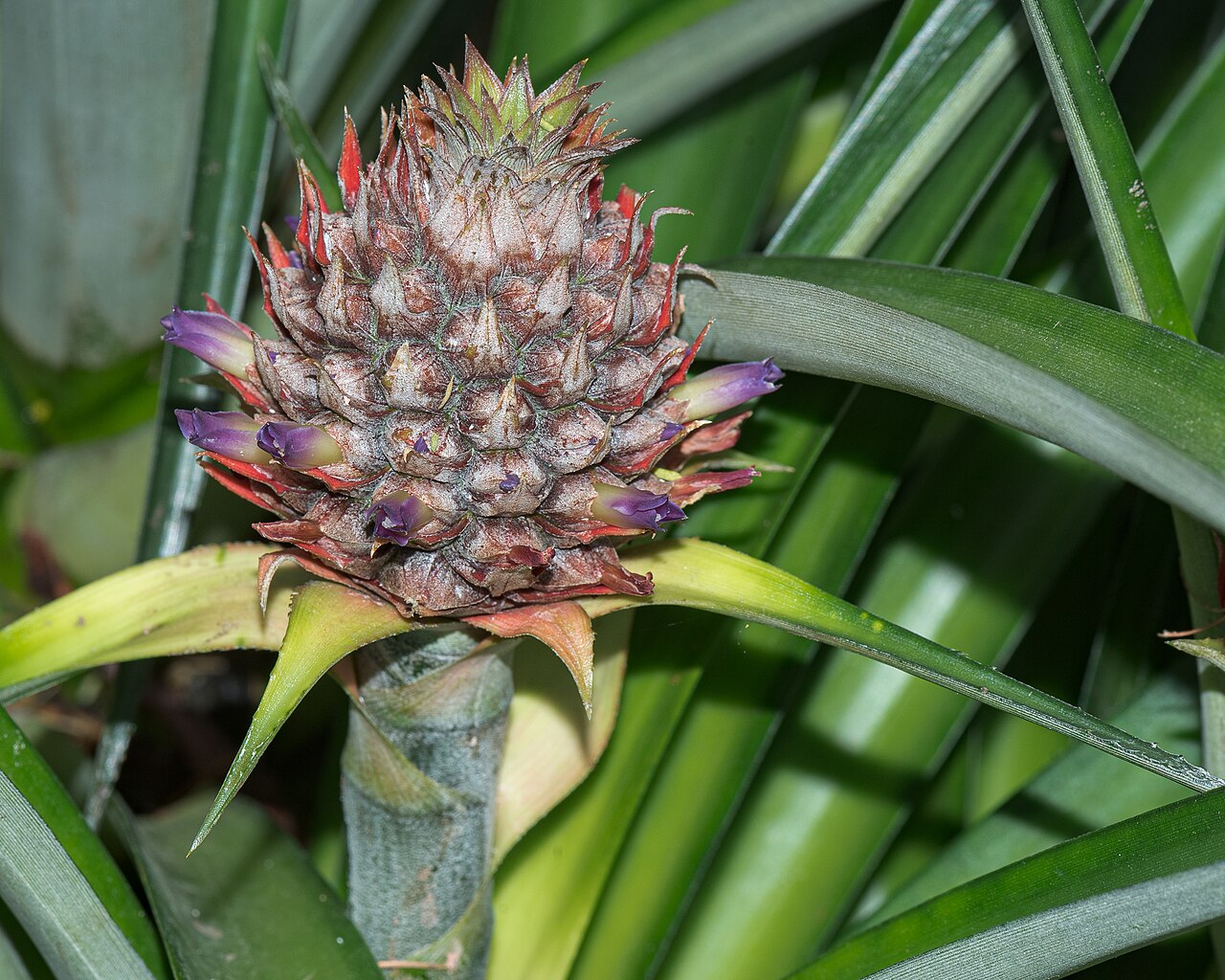
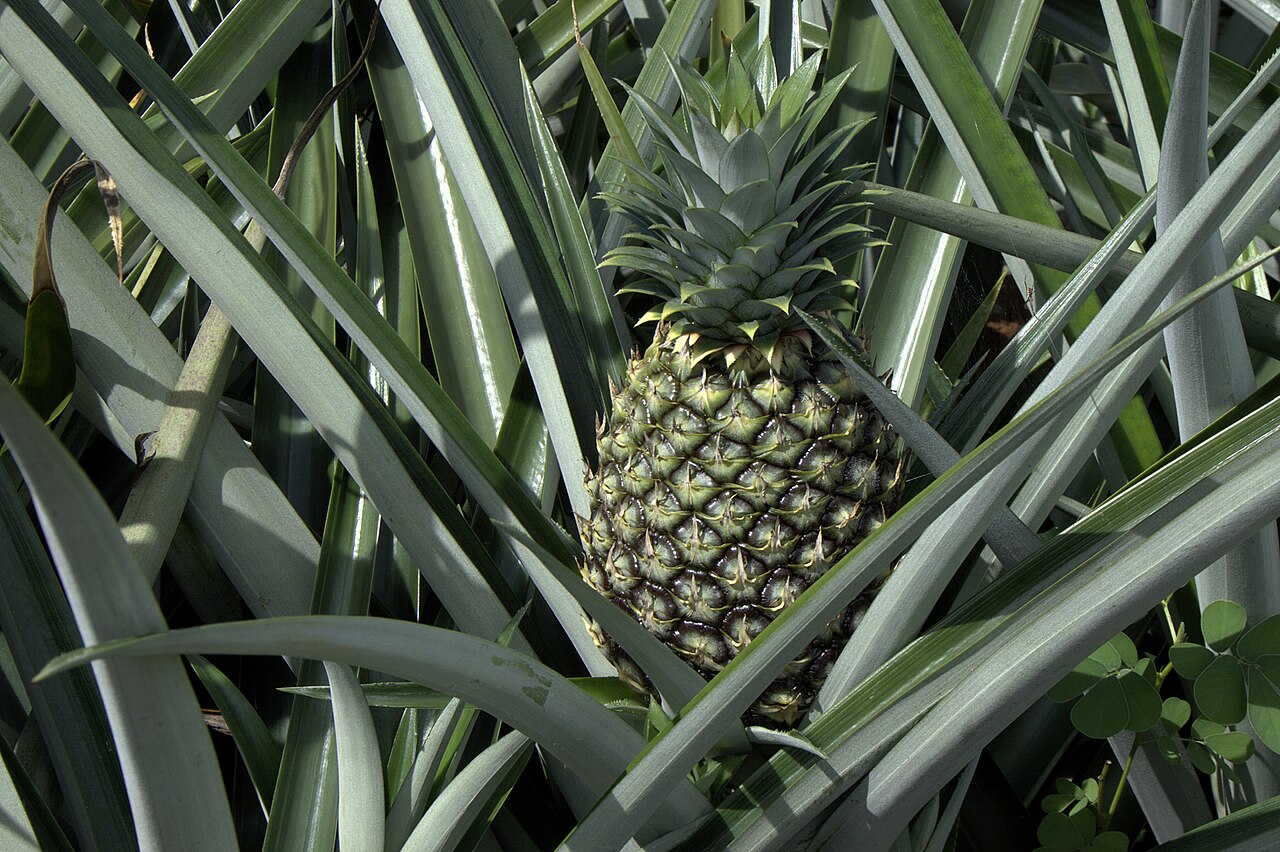
‘Sugarloaf’ — sometimes sold as ‘White Sugarloaf’ or ‘Kona Sugarloaf’ — is the pineapple for people who find ordinary pineapple too sharp. The flesh is white, the core is edible (no woody center to cut around), and the flavor is sweet with very little acid: a mellow, honeyed pineapple that eats like a different fruit from the supermarket kind. Fruit runs 5 to 6 pounds, cylindrical, on a plant with smooth leaves that will not shred your arms at harvest.
UF/IFAS lists ‘Sugarloaf’ among the varieties grown in Florida, and it has a loyal following among home growers precisely because of that low-acid sweetness. The trade-off: white pineapples do not color up the same way yellow types do, so ripeness is judged more by aroma, give, and the base turning creamy than by a golden skin — learn the signs and you will never pick one early again.
How to grow
Here is the honest Florida part first: same deal as all pineapples in Florida — zones 9-11 outdoors, container elsewhere, full sun, sharp drainage, acidic soil, and frost protection in zone 9. ‘Sugarloaf’ is no hardier than any other pineapple, and its white flesh does not change its tropical manners.
Plant crowns or slips 2-3 feet apart in loose, well-drained, acidic soil, firm them against wind rock, and let suckers renew the planting after the first fruit. Feed lightly — pineapples reward restraint, not enthusiasm, with fertilizer.
Water & feeding
Steady, moderate water — about an inch a week in dry spells — at soil level, with sharp drainage. Do not keep the central cup full in humid weather; heart rot is the risk. Light, frequent feeding with balanced fertilizer or worm castings beats heavy doses.
Common problems
- Freeze damage — frost-tender; cover on cold nights in zone 9.
- Heart rot from overwatering — water soil, not crown; drainage is everything.
- Picking too early — white flesh hides ripeness; judge by aroma and slight give, not color alone.
- Mealybug in leaf axils — inspect and treat with horticultural oil.
Harvest
‘Sugarloaf’ is ready when the base smells sweet, the fruit yields very slightly, and the skin at the base turns creamy-yellow. Because the core is edible, you can slice the whole fruit into rounds with no waste — the feature that makes ‘Sugarloaf’ a favorite for fresh eating and fruit salads.
Plant the crown immediately after eating: dry a day, set in soil, and the white pineapple renews itself. A row of ‘Sugarloaf’ plants is a perennial pineapple patch with almost no replanting cost.
Browse all plant & pest guides
Saving seeds
‘Sugarloaf’ — sometimes sold as ‘White Sugarloaf’ or ‘Kona Sugarloaf’ — is the pineapple for people who find ordinary pineapple too sharp. The flesh is white, the core is edible (no woody center to cut around), and the flavor is sweet with very little acid: a mellow, honeyed pineapple that eats like a different fruit from the supermarket kind. Fruit runs 5 to 6 pounds, cylindrical, on a plant with smooth leaves that will not shred your arms at harvest. UF/IFAS lists ‘Sugarloaf’ among the varieties grown in Florida, and it has a loyal following among home growers precisely because of that low-acid sweetness. As a named pineapple it is kept true by crowns and slips, not by seed — plant crowns or slips 2-3 feet apart in loose, well-drained, acidic soil, firm them against wind rock, and let suckers renew the planting after the first fruit. Feed lightly — pineapples reward restraint, not enthusiasm, with fertilizer. Here is the honest Florida part first: same deal as all pineapples in Florida — zones 9-11 outdoors, container elsewhere, full sun, sharp drainage, acidic soil, and frost protection in zone 9. The trade-off: white pineapples do not color up the same way yellow types do, so ripeness is judged more by aroma, give, and the base turning creamy than by a golden skin — learn the signs and you will never pick one early again. The full method is in the Propagation section of the Pineapple guide.