
🍍 Pernambuco Pineapple
What it looks like
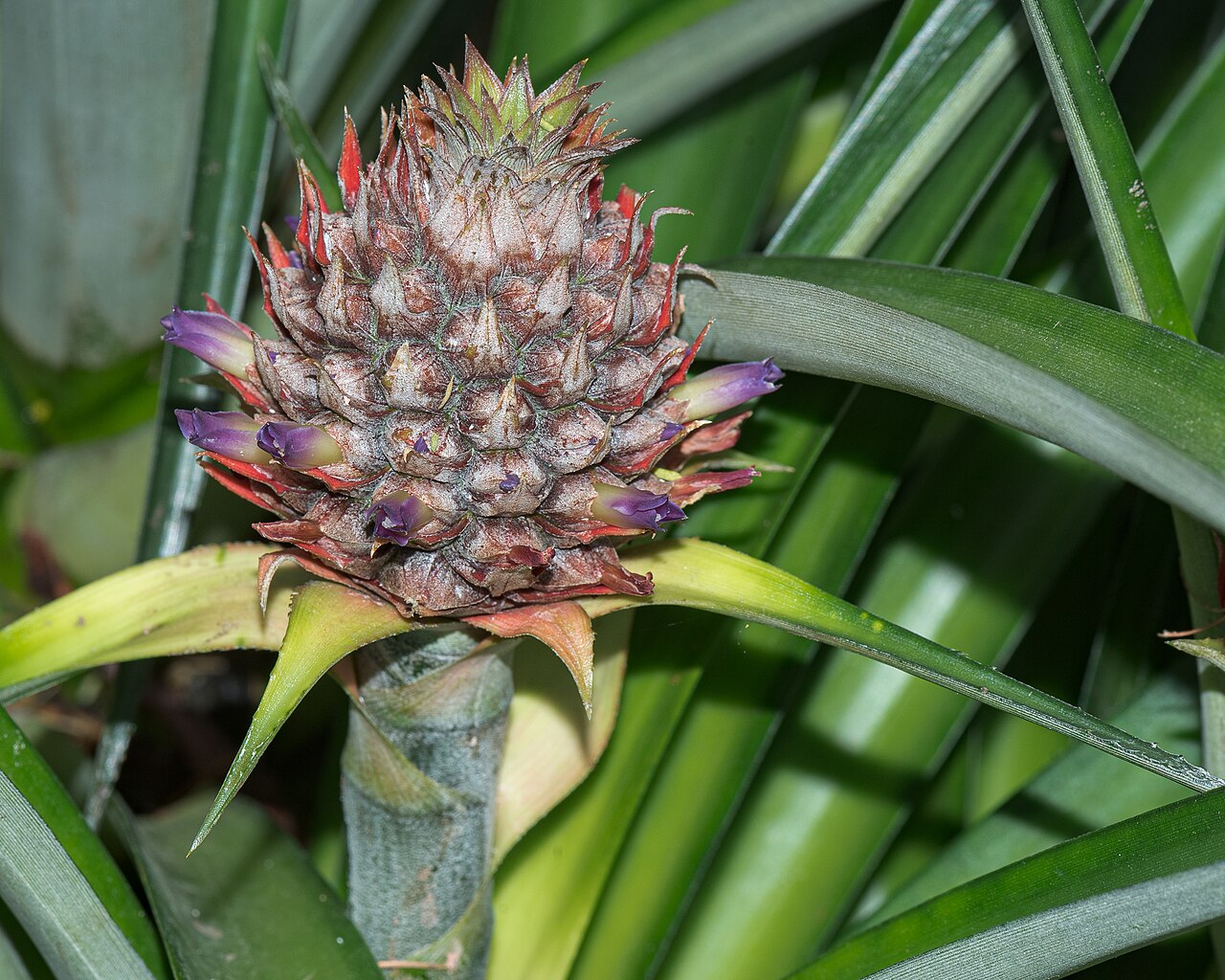
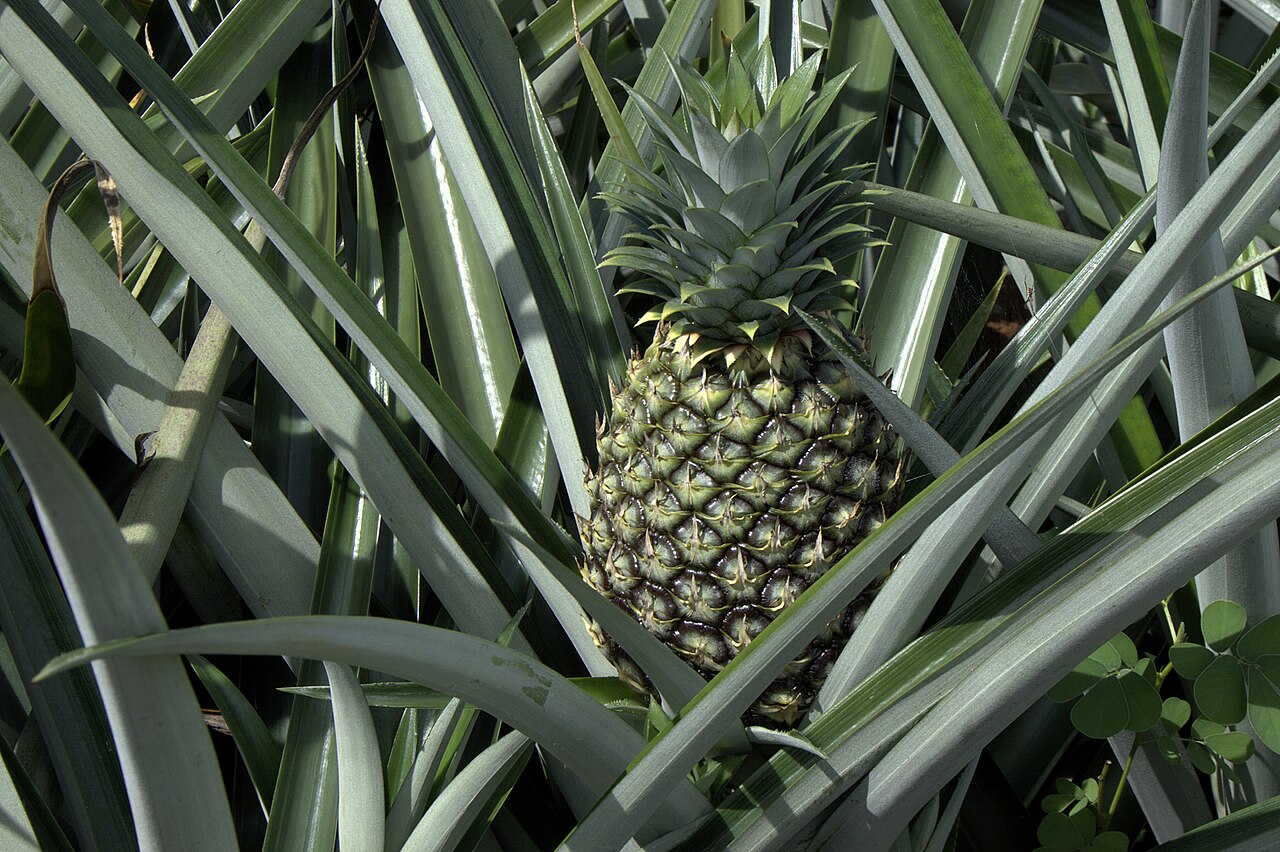
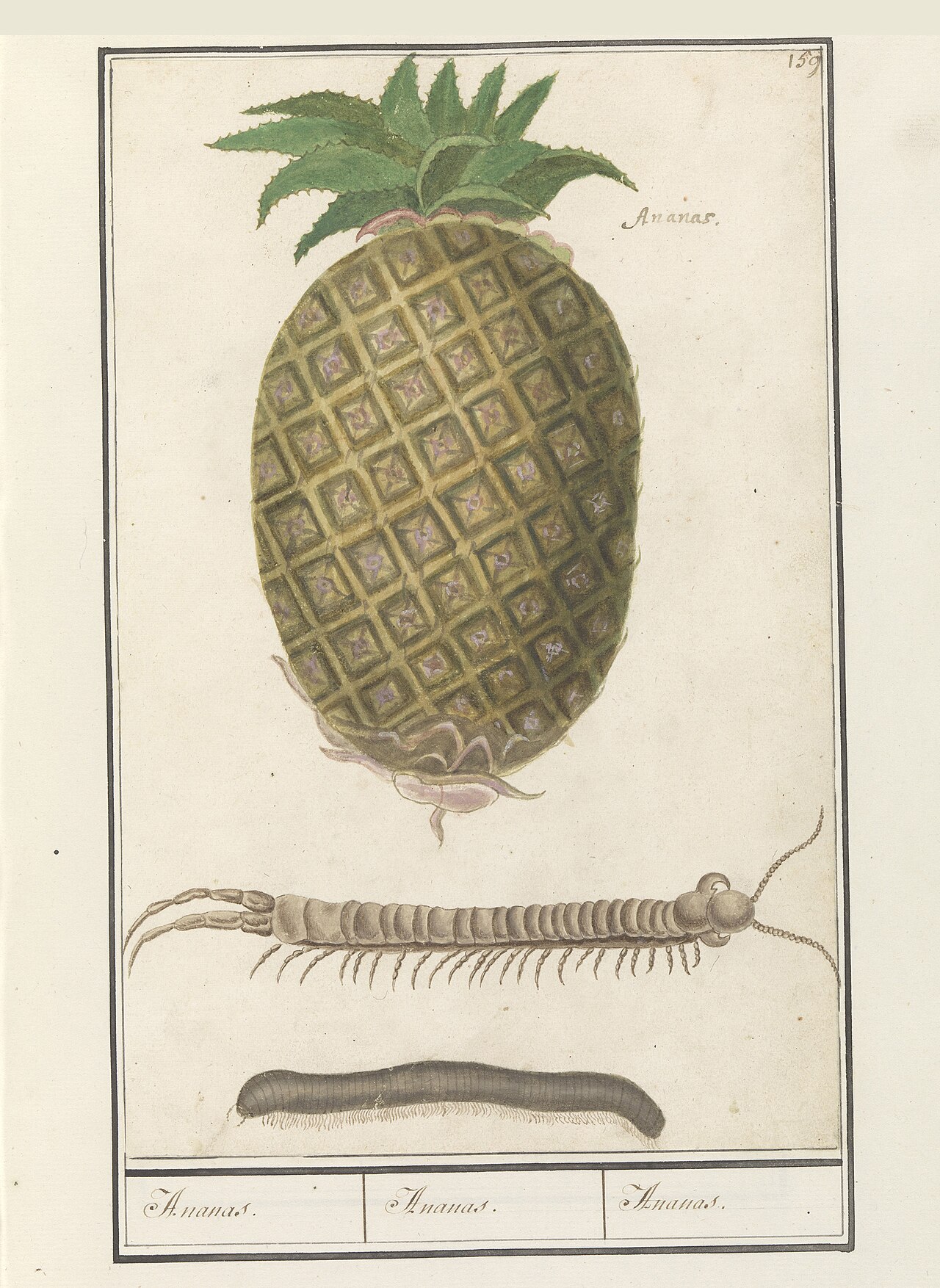
Why this variety
Pernambuco is the connoisseur’s pineapple: a Brazilian variety with pale yellow, almost white flesh that is exceptionally sweet and low in acid, with a delicate, honeyed flavor and a soft, juicy texture. It is the pineapple people describe as melting, and they mean it as praise. Where Red Spanish is tangy and MD-2 is golden-sweet, Pernambuco is gentle — a pineapple for eating fresh, slowly, with no additions.
Its delicacy is also its drawback: Pernambuco fruit bruises easily, does not ship well, and is best eaten from your own yard, not from a store shelf — which is exactly why home gardeners should grow it. You cannot buy this experience easily, so you grow it. Florida note: pineapples grow across much of Florida as yard plants, fruiting reliably in South and Central Florida and in containers or protected spots farther north. They tolerate light frosts better than mangoes or papayas, but a hard freeze damages leaves and can kill the plant — container growing is the honest North Florida strategy.
How to grow
Full sun, loose, well-drained, slightly acidic soil, 2 to 3 feet apart, or one per large container. Water moderately, feed lightly, keep the center cup clear, and handle plants and fruit gently — Pernambuco’s soft flesh bruises under rough handling, so pick with care and carry it like the dessert it is.
After harvest, keep the strongest sucker or replant the crown. Watch for mealybugs and for rot in wet soil, and protect from hard freezes. Pernambuco’s thin skin and soft flesh also mean pests and birds find it attractive, so harvest promptly at ripeness rather than leaving perfect fruit on the plant as an advertisement.
Water & feeding
Moderate, infrequent watering; drainage essential. Dry spells are tolerated, wet feet are not. Mulch lightly, away from the center cup.
Common problems
- Root and heart rot in wet soil
- Mealybugs in leaf bases
- Bruising and pest damage to soft fruit — harvest promptly
- Freeze damage in hard freezes
Harvest
Pick Pernambuco when the skin turns pale yellow and the base smells honey-sweet, and the fruit slips off with a gentle twist. Eat it the same day if you can — its peak is glorious and brief, and refrigeration dulls its delicate aroma. Slice, serve, and accept the compliments.
Browse all plant & pest guides
Saving seeds
Pernambuco is the connoisseur’s pineapple: a Brazilian variety with pale yellow, almost white flesh that is exceptionally sweet and low in acid, with a delicate, honeyed flavor and a soft, juicy texture. It is the pineapple people describe as melting, and they mean it as praise. Where Red Spanish is tangy and MD-2 is golden-sweet, Pernambuco is gentle — a pineapple for eating fresh, slowly, with no additions. As a named pineapple variety it is kept true by suckers and crowns, not by seed: after harvest, keep the strongest sucker or replant the crown. Plant in full sun, loose, well-drained, slightly acidic soil, 2 to 3 feet apart, or one per large container, and handle plants and fruit gently — Pernambuco’s soft flesh bruises under rough handling. The full method is in the Propagation section of the Pineapple guide.