
🍍 Queen Pineapple
What it looks like
Why this variety
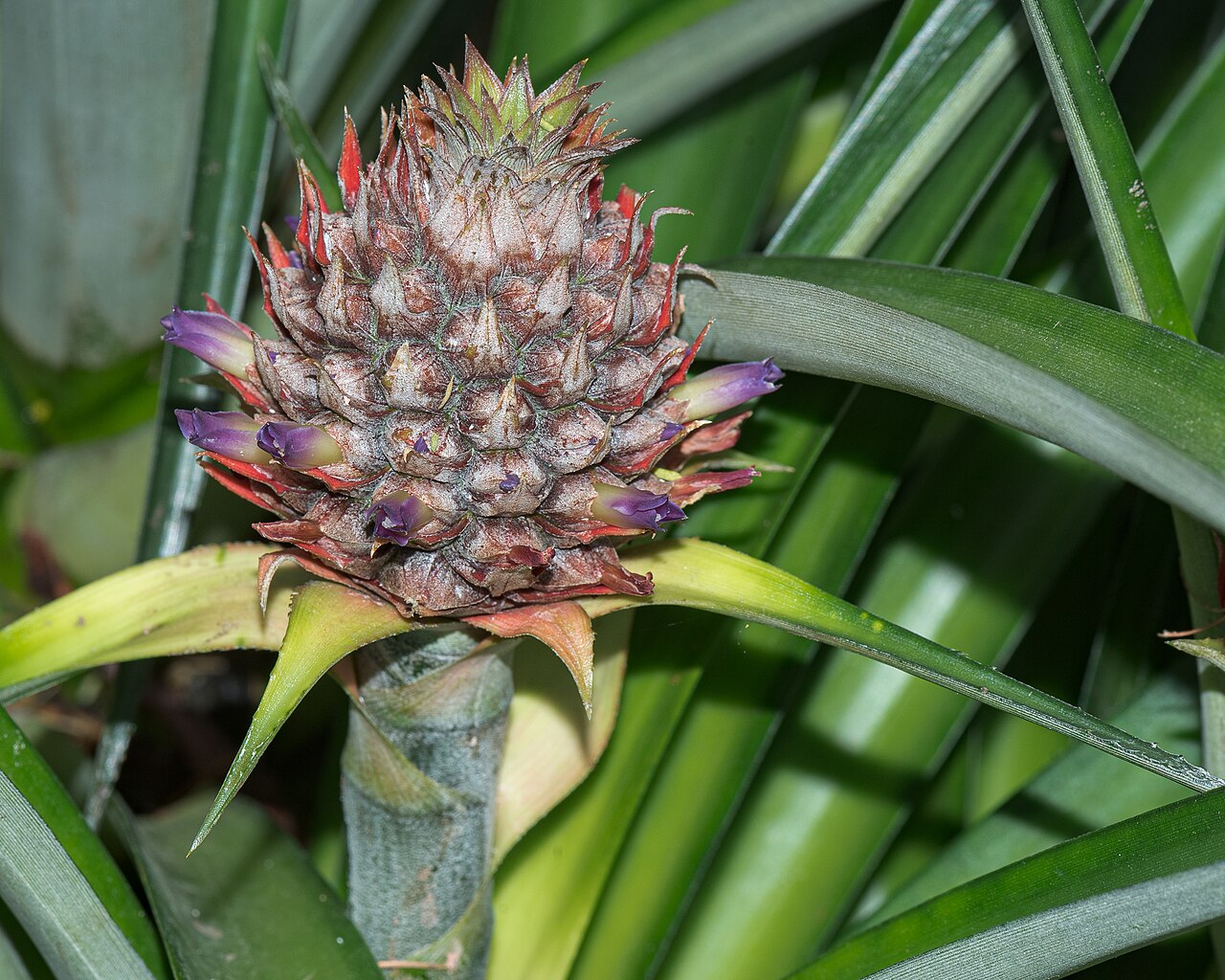
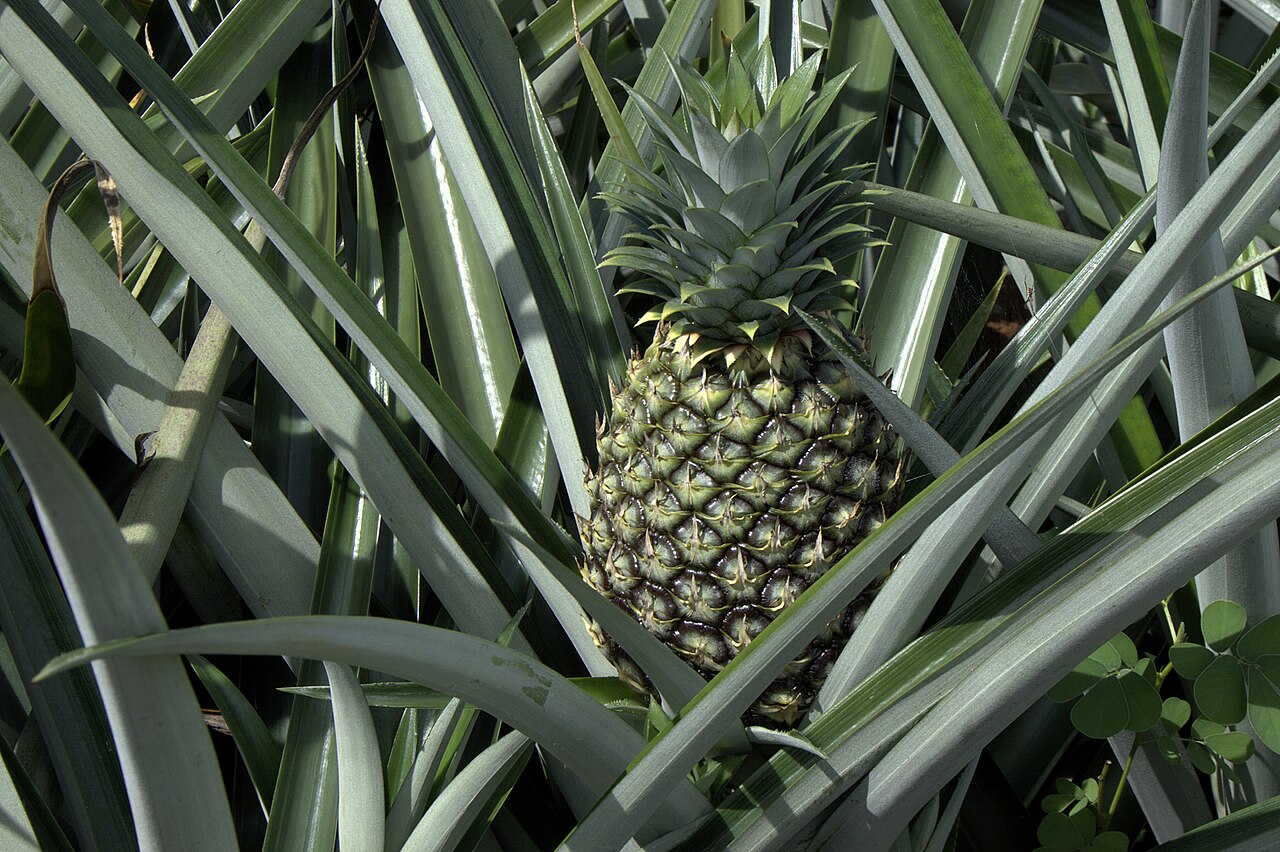
Queen is the small pineapple with an outsized reputation: compact fruit, spiny leaves, and intensely sweet, aromatic, deep-yellow flesh that many tasters rate as the best-flavored pineapple of all. Its fruit is smaller than a supermarket pineapple — often just a pound or two — but its flavor is concentrated, fragrant, and rich, with a crisp texture that holds up to slicing. Queen is the pineapple for gardeners who value taste over tonnage.
Queen’s small size is a practical gift: the plant fits containers and small beds, the fruit is easy to handle, and the whole project — plant, protect, harvest — stays at a human scale. Its spiny leaves demand gloves and a thoughtful site, but its compact habit makes freeze protection feasible in marginal zones. Florida note: pineapples grow across much of Florida as yard plants, fruiting reliably in South and Central Florida and in containers or protected spots farther north. They tolerate light frosts better than mangoes or papayas, but a hard freeze damages leaves and can kill the plant — container growing is the honest North Florida strategy.
How to grow
Full sun, loose, well-drained, slightly acidic soil, 2 to 3 feet apart in beds or one per large container — containers suit Queen particularly well, since you can move the plant under cover on cold nights. Water moderately, feed lightly, keep the center cup clear of mulch, and wear gloves: Queen’s spines are enthusiastic.
After fruiting, keep the best sucker or replant the crown. Queen produces slips and suckers readily, so one fruit can start several plants. Watch for mealybugs in leaf bases and rot in wet soil, and harvest promptly — small, sweet fruit disappears to pests and family members with equal speed.
Water & feeding
Moderate, infrequent watering; excellent drainage. Queen tolerates dry spells better than wet feet, and container plants need drainage holes that actually drain, not decorative ones.
Common problems
- Root and heart rot in wet soil
- Mealybugs in leaf bases
- Spiny leaves — site away from paths, wear gloves
- Freeze damage — containers indoors on cold nights in marginal zones
Harvest
Pick Queen when the skin turns golden-yellow and the base smells intensely sweet, and the fruit twists off easily. Small fruit ripens fast once it starts, so check daily at peak season. Eat fresh — Queen’s concentrated flavor is wasted in cooking, and its small size means it rarely lasts long enough to cook anyway.
Browse all plant & pest guides
Saving seeds
Queen is the small pineapple with an outsized reputation: compact fruit, spiny leaves, and intensely sweet, aromatic, deep-yellow flesh that many tasters rate as the best-flavored pineapple of all. Its fruit is smaller than a supermarket pineapple — often just a pound or two — but its flavor is concentrated, fragrant, and rich, with a crisp texture that holds up to slicing. As a named pineapple it is kept true by suckers, slips, and crowns, not by seed — seedlings would not hold the compact, intensely sweet fruit. Full sun, loose, well-drained, slightly acidic soil, 2 to 3 feet apart in beds or one per large container. After fruiting, keep the best sucker or replant the crown. Queen produces slips and suckers readily, so one fruit can start several plants. The full method is in the Propagation section of the Pineapple guide.