
🍍 Abacaxi Pineapple
What it looks like
Why this variety
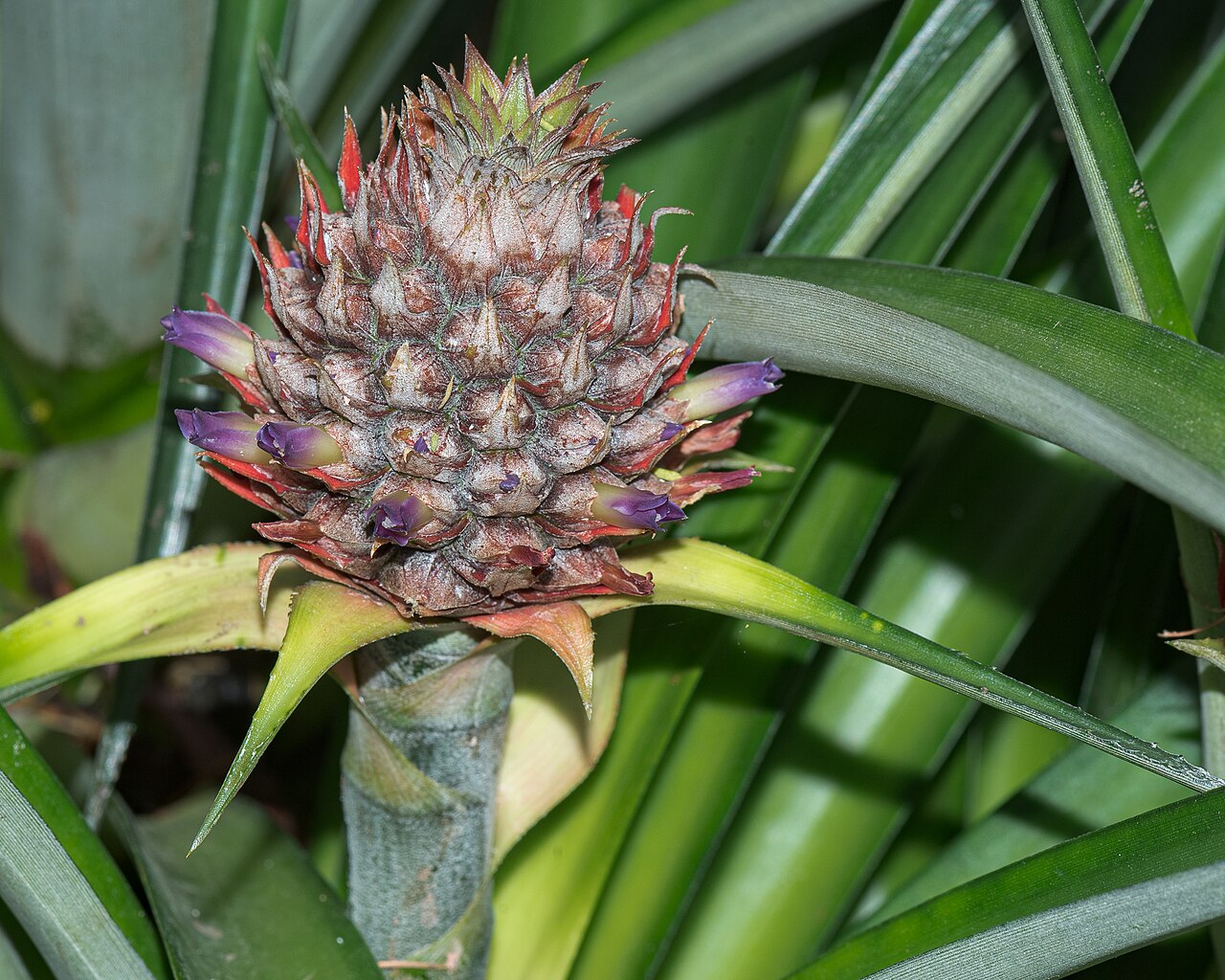
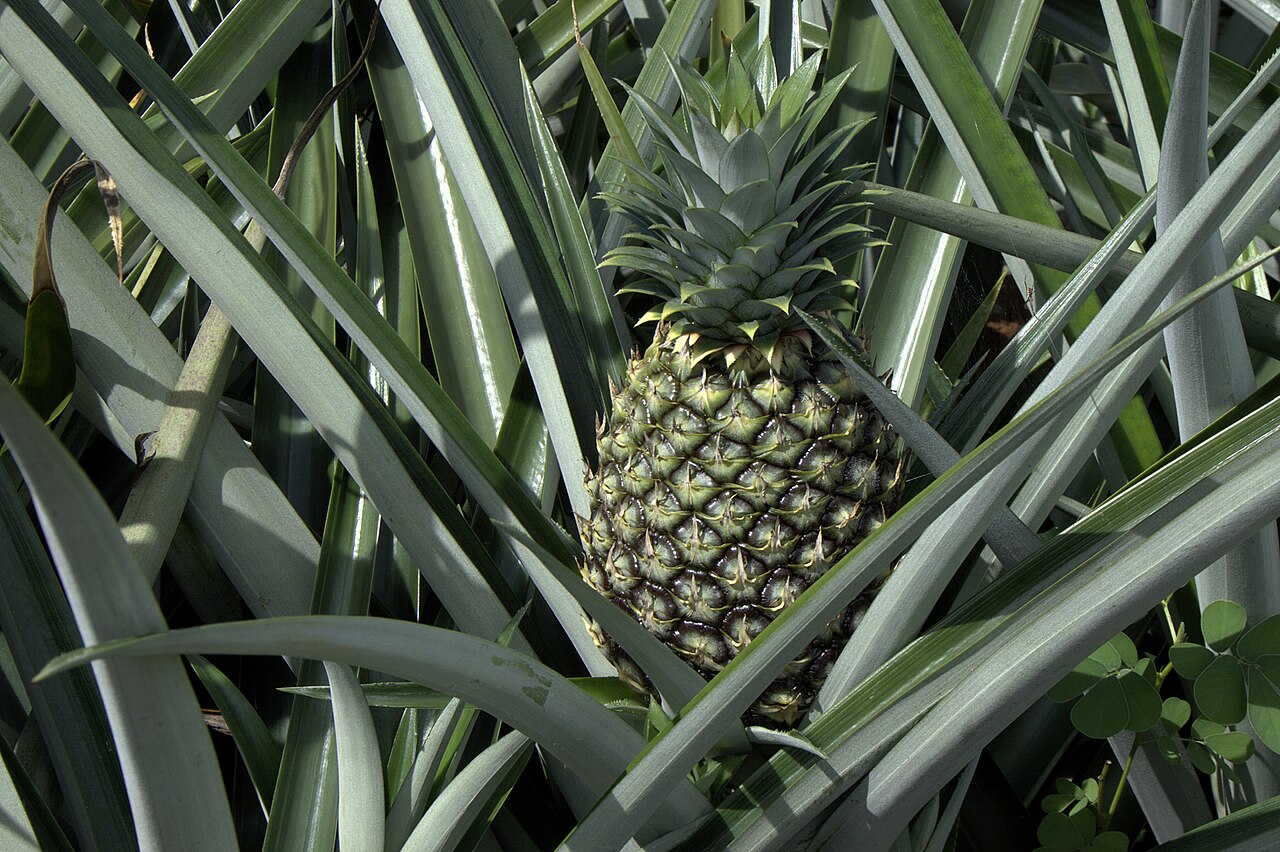
Abacaxi — the name is Portuguese for pineapple, which tells you how central this variety is in Brazil — is a pale-fleshed, very sweet, low-acid pineapple with soft, juicy, nearly fiberless flesh. It is the pineapple for people who find even sweet pineapples a little sharp: Abacaxi is gentle, honeyed, and melting, with a fragrance that fills a room before you cut it. Its fruit is medium-sized, its skin turns yellow at ripeness, and its eating quality is, by most accounts, superb.
Like Pernambuco, Abacaxi is delicate: soft flesh bruises easily and does not ship well, which is why it is a home-garden treasure rather than a supermarket staple. Grow it, pick it ripe, and eat it fresh — the supply chain for this flavor is your own yard. Florida note: pineapples grow across much of Florida as yard plants, fruiting reliably in South and Central Florida and in containers or protected spots farther north. They tolerate light frosts better than mangoes or papayas, but a hard freeze damages leaves and can kill the plant — container growing is the honest North Florida strategy.
How to grow
Full sun, loose, well-drained, slightly acidic soil, 2 to 3 feet apart in beds or in large containers. Water moderately, feed lightly, keep the center cup clear, and handle fruit gently from picking to plate. Abacaxi plants are vigorous in warm Florida sites and reward the standard pineapple care: drainage, sun, and patience.
After harvest, keep the strongest sucker or replant the crown. Watch for mealybugs and rot in wet soil, protect from hard freezes, and harvest promptly at full ripeness — soft, sweet fruit left on the plant is an invitation to pests, birds, and rot alike.
Water & feeding
Moderate, infrequent watering; drainage is everything. Let soil dry between drinks, mulch lightly away from the center, and let raised beds shed summer storms.
Common problems
- Root and heart rot in wet soil
- Mealybugs in leaf bases
- Bruising of soft fruit — handle gently, harvest promptly
- Freeze damage in hard freezes — containers or covers in marginal zones
Harvest
Pick Abacaxi when the skin yellows fully and the base smells honey-sweet, and the fruit slips off with a gentle twist. It will not sweeten after picking, so wait for fragrance and color. Eat fresh and soon — Abacaxi at peak is soft, juicy, and nearly fiberless, which is a combination worth planning a meal around.
Browse all plant & pest guides
Saving seeds
Abacaxi is propagated from its crown and suckers, not from seed — pineapple varieties don’t come true from seed. Keep the strongest sucker after harvest or replant the crown, as described in the Propagation section of the Pineapple guide.