
🥬 Best of All Rutabaga
What it looks like
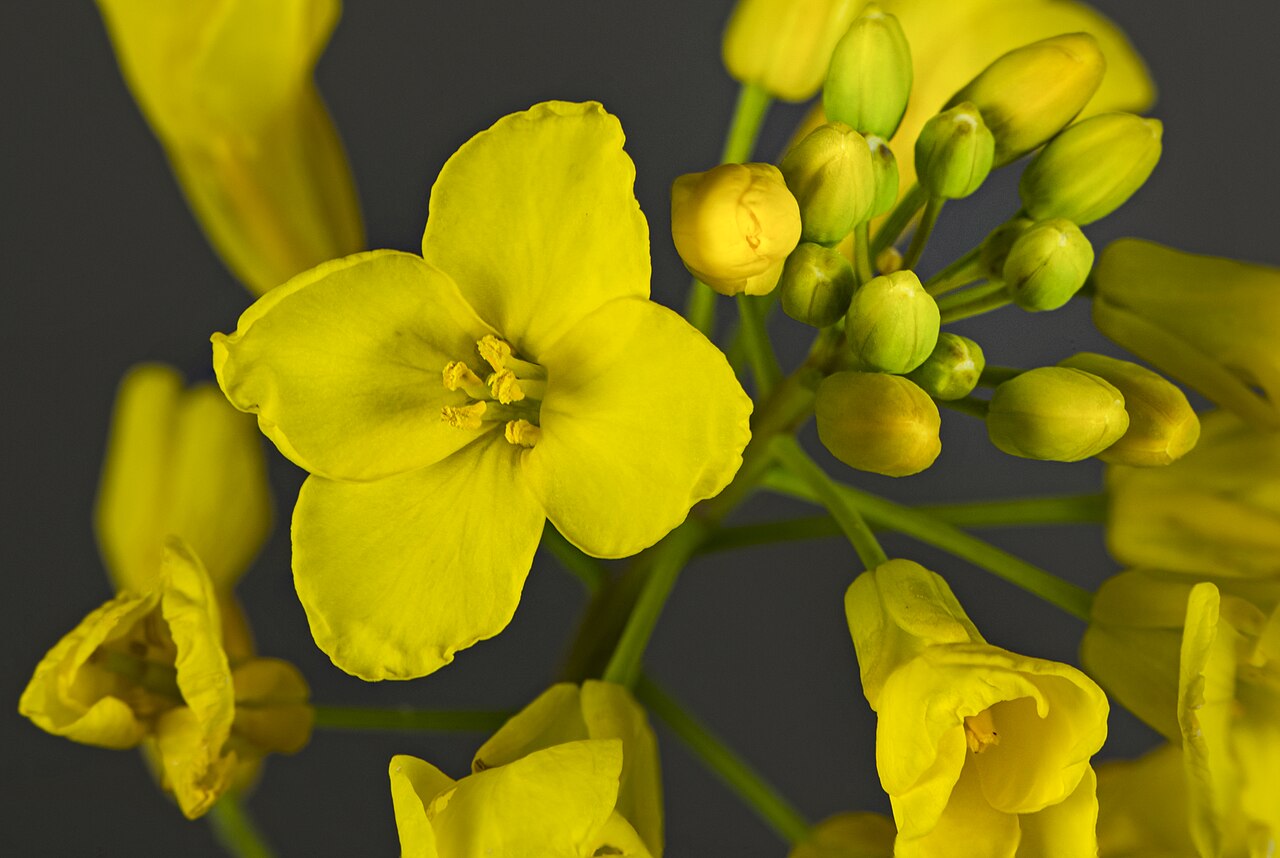
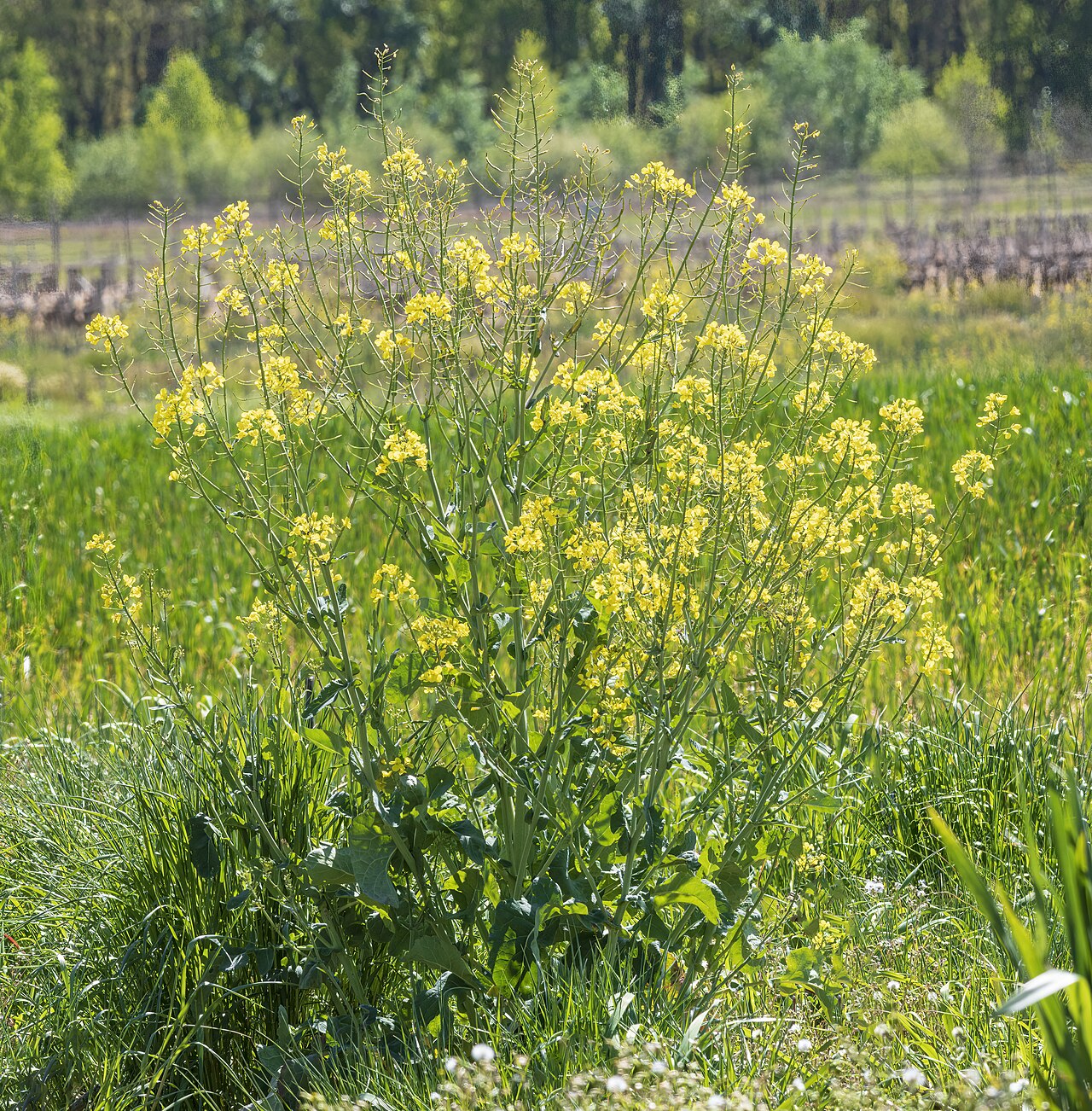
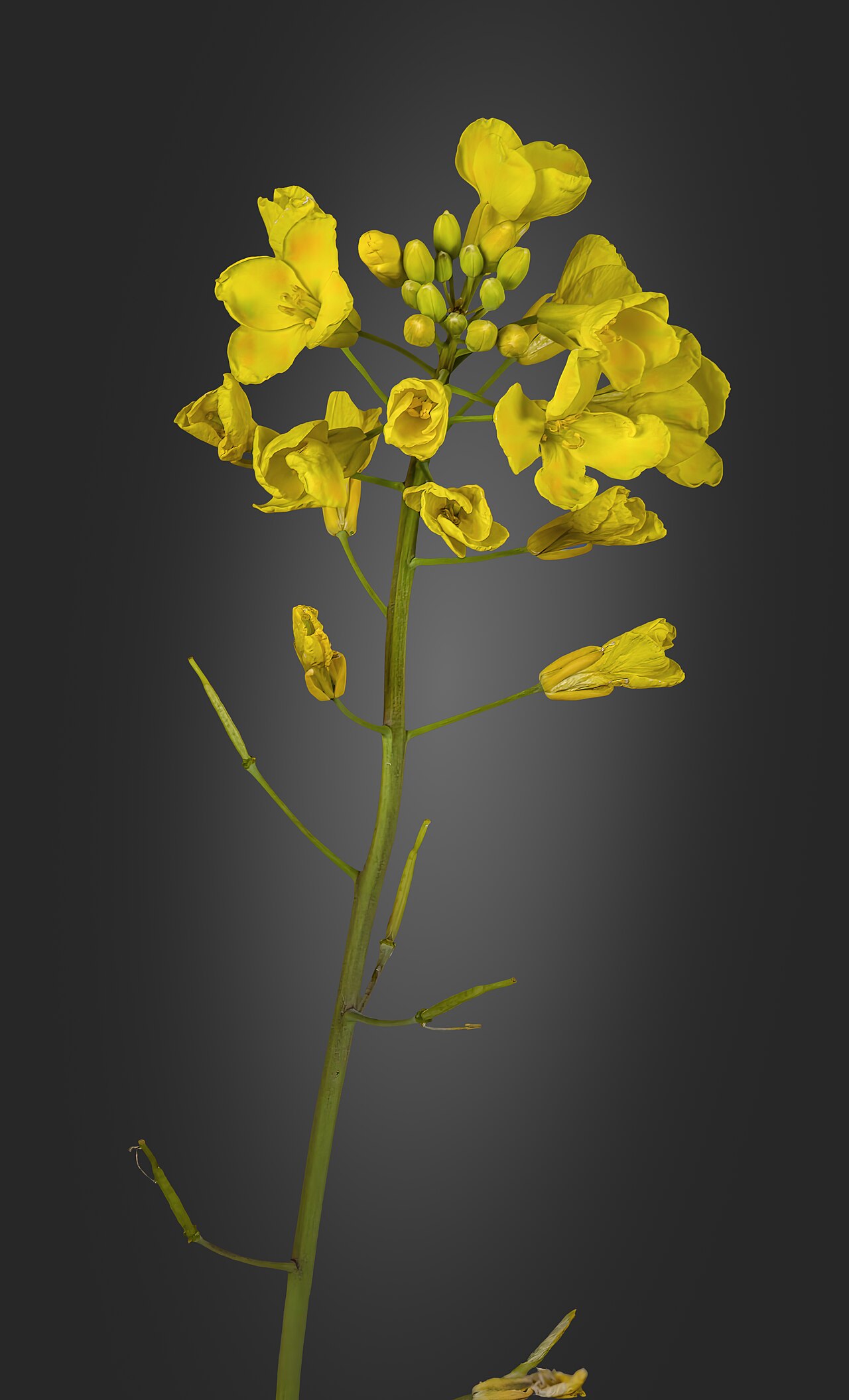
Photos show the species, rutabaga (Brassica napus Napobrassica Group), since no cultivar-specific photo was verified for this variety — the species photos above are already hosted on this site and attributed as on the species guide.
Why this variety
Best of All is an old swede — the British name for rutabaga — with globe-shaped roots, purple tops, and yellow flesh, described by seed houses as a favorite with growers: very easy to grow, very hardy and reliable, with good storing qualities and good flavor with low water content. It is not the heaviest cropper among modern varieties, but it is the one old gardeners trust.
Low water content is a quiet virtue in a rutabaga: it means dense, sweet flesh that mashes smoothly instead of turning watery, and roots that store well without going soft. Best of All’s hardiness means it stands in the ground through cold weather that would finish lesser roots, and its reliability means a row sown in fall is a row harvested in winter, without drama.
Florida translation: Best of All is a winter rutabaga here — sow in fall for a winter harvest, water evenly, and let its hardiness carry it through Florida’s cool season. Its keeping quality means a winter harvest lasts in the refrigerator while you work through it, and its dense flesh mashes beautifully for winter meals.
How to grow
Direct sow about half an inch deep in fall, 3 to 4 inches apart in rows 30 inches apart, and thin to 6 inches apart once seedlings are up. Work worm castings in before sowing, loosen soil deep, and keep the row evenly moist through the long season.
If you are new to choosing between cultivars, the Varieties Matter guide explains why the name after the plant matters as much as the plant itself. For the general picture, start with the Rutabaga growing guide, then use this guide for the details that make Best of All Rutabaga different.
Water & feeding
Rutabagas are a long, slow crop, and they punish uneven watering more than most roots: dry spells make woody, sharp roots, and a sudden soak splits them. Water about an inch a week through the whole long season, mulch to hold moisture in sandy soil, and feed modestly — worm castings before sowing plus one light side-dressing mid-season. Rutabagas need boron more than most vegetables; a boron shortage shows up as brown, corky hearts inside otherwise fine-looking roots, so a light application of a complete fertilizer with micronutrients is cheap insurance on sandy soils.
Common problems
- Woody or bitter roots — heat or drought during bulbing. Sow so roots mature in cool weather and water evenly.
- Brown heart (boron deficiency) — corky brown centers in the root. Use a complete fertilizer with boron on sandy soil.
- Clubroot in brassica beds — rotate out of brassicas for several years and keep soil pH up.
- Flea beetles and cabbage worms — row cover early for seedlings; hand-pick caterpillars on established plants.
Harvest
Pull at about 95 days, when roots reach 4 to 5 inches — fork them out, twist tops off, and store topped roots in a cool, damp place or refrigerated in a bag for months. Peel thickly, dice, and roast or mash Best of All: its dense, sweet, yellow flesh is the reason it earned its name, and it is the swede to serve when winter cooking needs a star.
Browse all plant & pest guides
Saving seeds
Best of All is an old open-pollinated variety, so it comes true from seed — save seed from your best roots, and keep it away from other brassicas to avoid crossing. The full method is in the Saving seeds section of the Rutabaga guide.