
🥕 Rutabaga
What it looks like
How to grow
Rutabaga (swede) is the big, yellow-fleshed root that sits between turnips and cabbages in the family tree — literally: it is a hybrid of cabbage and turnip, bred centuries ago, and it grows like a turnip that took its time. The payoff for that patience is size, sweetness after frost, and storage that lasts months.
Sow 1/2 inch deep, direct, in early summer for a fall harvest — rutabagas need cool weather to finish, so sowing for fall (not spring) is the standard advice in most zones. In mild-winter zones, sow in late summer for winter harvest. Thin ruthlessly to spacing; crowded rutabagas stay small and forked.
Roots swell mostly in the last month, so don’t judge the crop in August. A few light frosts convert starches to sugars and noticeably improve flavor — rutabaga is one of the few vegetables that genuinely wants a cold snap before harvest.
Water & feeding
About 1 inch a week, kept even — dry spells make roots woody and cracked. Work worm castings into the bed at planting; castings carry a low burn risk and add the organic matter that keeps soil loose for root expansion. Mulch to hold moisture and keep soil cool through late summer.
Common problems
- Root maggots (tunnels in roots): row cover from sowing day — the fly finds brassicas by scent, and cover blocks it.
- Clubroot (swollen, stunted roots): rotate brassicas, keep soil near neutral, and avoid the same bed year after year.
- Small or forked roots: crowding, stones, or drought — thin properly, loosen soil deep, and water evenly.
- Boron deficiency (hollow, brown-hearted roots): a soil test confirms it; compost and balanced fertility usually prevent it.
Harvest
Pull when roots reach 4–6 inches across, after a frost or two for sweetness, and before the ground freezes hard. Twist off tops, trim roots, and store in a cool, damp place for months — rutabagas were a winter staple precisely because they keep. Peel thickly, dice, and roast, mash (with butter and a little nutmeg), or add to stews, where they hold their shape and sweeten the pot.
Browse all plant & pest guides
Saving seeds
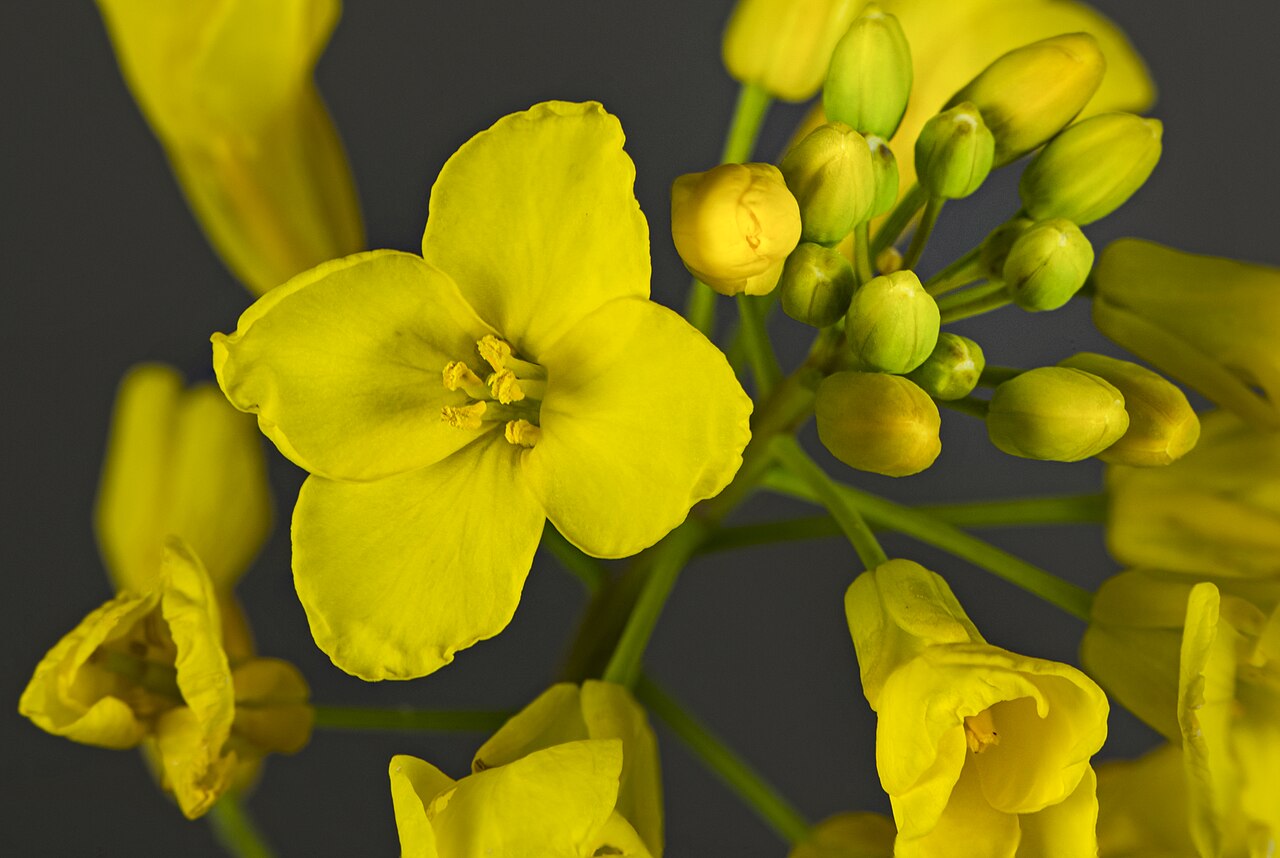
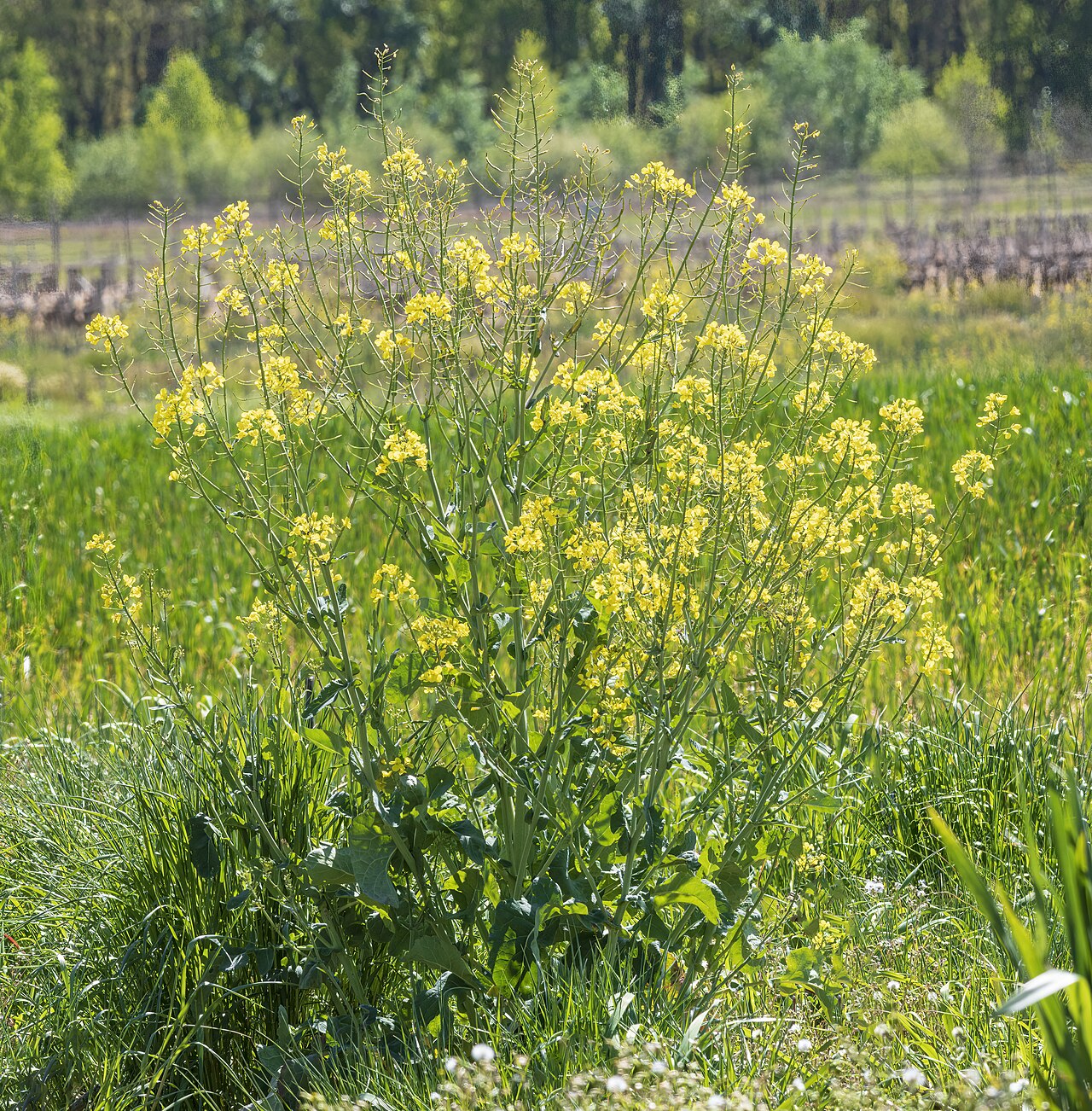
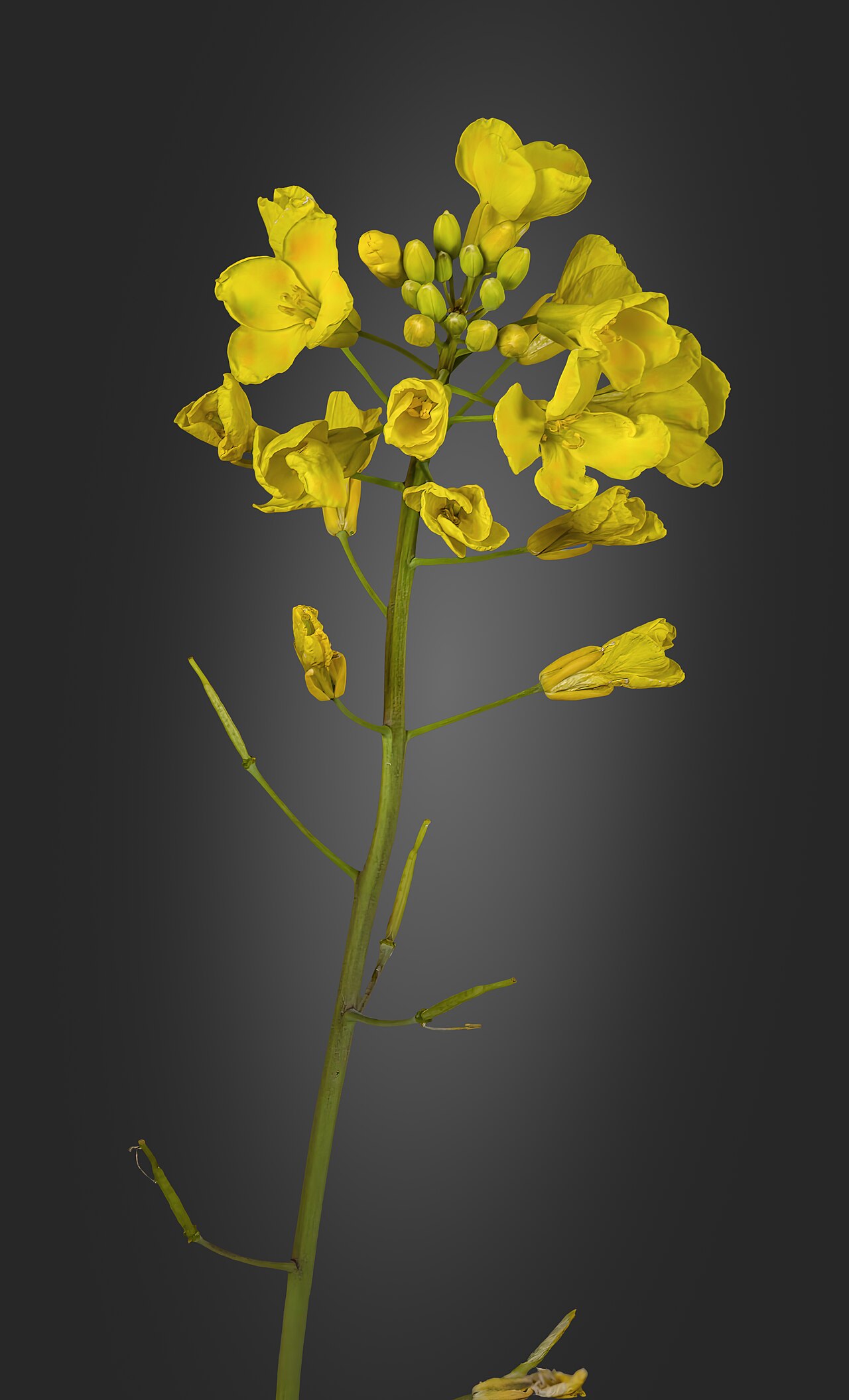
Rutabaga seed takes patience, because rutabaga is a biennial: it spends its first year making a root and its second year making seed. If you want seed, do not harvest every root. Leave your best roots in the ground through winter — in north Florida they will usually survive with a little mulch — and in spring they will bolt, sending up a tall stalk with yellow flowers. Let the flowers fade and the seed pods dry on the plant, then cut the stalks when the pods turn tan and rattle, and thresh them into a paper bag. Winnow away the chaff and store the seed in a paper envelope in a cool, dry place. Rutabaga seed keeps for several years when it is dry.
The cross-pollination catch is real. Rutabaga is Brassica napus, and it crosses freely with other Brassica napus — including canola and oilseed rape — and with other brassicas in the neighborhood, and bees carry that pollen a long way. Sources disagree on the safe distance, and the honest numbers run from a quarter mile to a mile or more. If a neighbor grows canola or another brassica for seed and you save rutabaga seed, next year’s roots may be a muddle. The reliable fixes are the usual ones: grow only one brassica type for seed in a season, or bag and hand-pollinate a few flower stalks.
Save seed from roots that were sweet, firm, and true to type — not from the runts, and not from roots that bolted before they ever sized up, since early bolting is the trait you do not want to pass on. Let at least a few plants go to seed together, since rutabaga needs cross-pollination between plants to set good seed.
In Florida, rutabaga is a cool-season crop, and that shapes the whole project. Sow in fall for roots in winter, and let your seed plants bolt in spring — by the time the heat arrives, the seed should be drying. In central and south Florida the winter may not be cold enough for reliable vernalization, so seed saving works best in north Florida. And dry your seed thoroughly before storing it: our humidity is the enemy of stored seed.
Varieties
Every named variety of Rutabaga with its own growing guide:
- American Purple Top Rutabaga — The classic American rutabaga — big purple-shouldered roots, sweet yellow flesh, and the standard winter keeper.
- Laurentian Rutabaga — The improved Canadian rutabaga — smooth, uniform roots, sweeter and milder, and the market grower's favorite.
- Joan Rutabaga — The early, tender rutabaga — sweet, uniform roots in about 85 days, and the best bet for a shorter season.
- Wilhelmsburger Rutabaga — The European storage swede: round-elongated roots with green shoulders, creamy yellow flesh, and a 90–110-day run to a keeper that lasts.
- Helenor Rutabaga — The refined modern rutabaga: uniform 4-inch roots with purple tops, sweet light-orange flesh, and a shelf life that keeps giving.
- Long Island Improved Rutabaga — The classic named on the UF/IFAS list — a globe rutabaga for a long, cool Florida winter season.
- Marian Rutabaga — The clubroot-resistant keeper — uniform purple-topped, yellow-fleshed roots up to 8 inches across.
- Gilfeather Rutabaga — The sweet heirloom green-top — the one old-timers reach for when a rutabaga has to taste like dessert.
- Macomber Rutabaga — The southeastern favorite — a rutabaga with a following where rutabagas matter most.
- Best of All Rutabaga — The old globe swede with purple tops and yellow flesh — hardy, reliable, and a fine keeper.