
🥬 Macomber Rutabaga
What it looks like
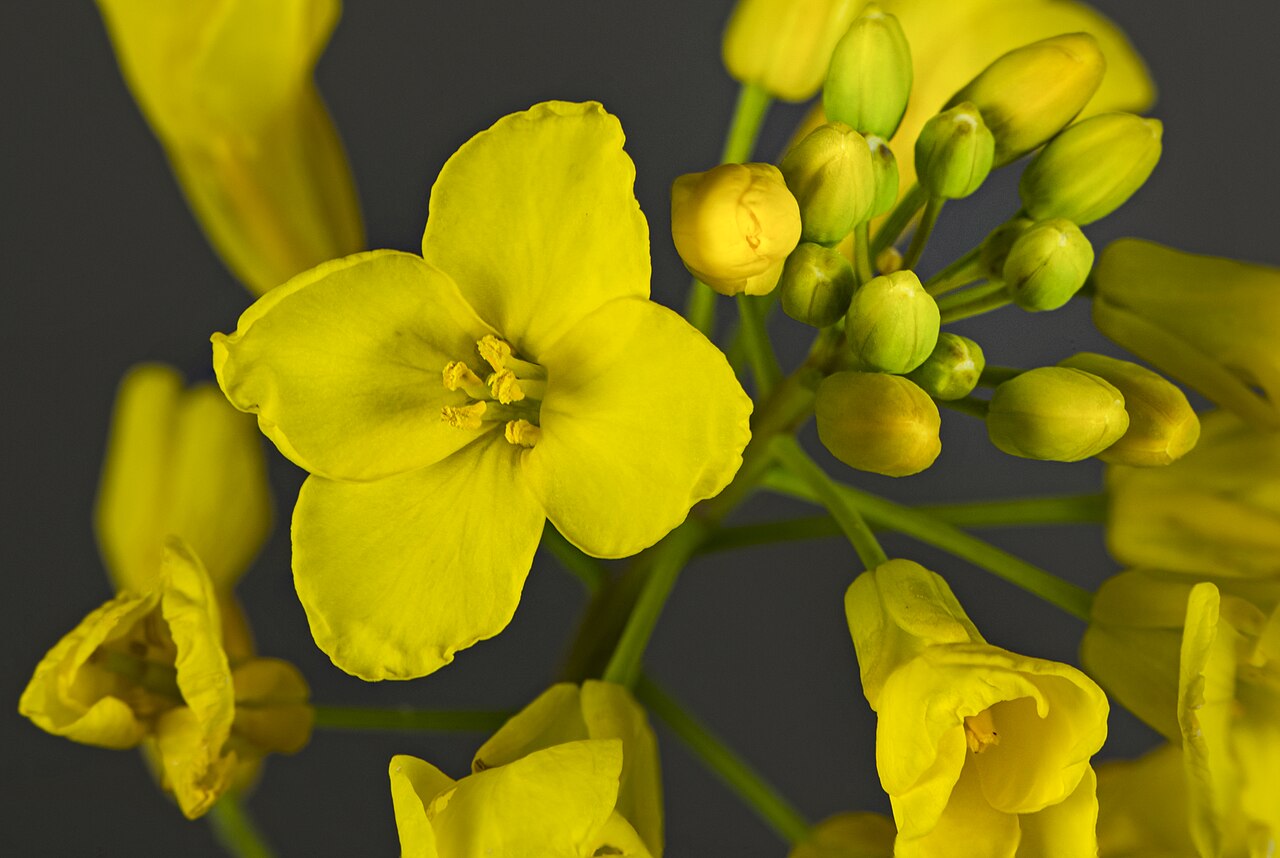
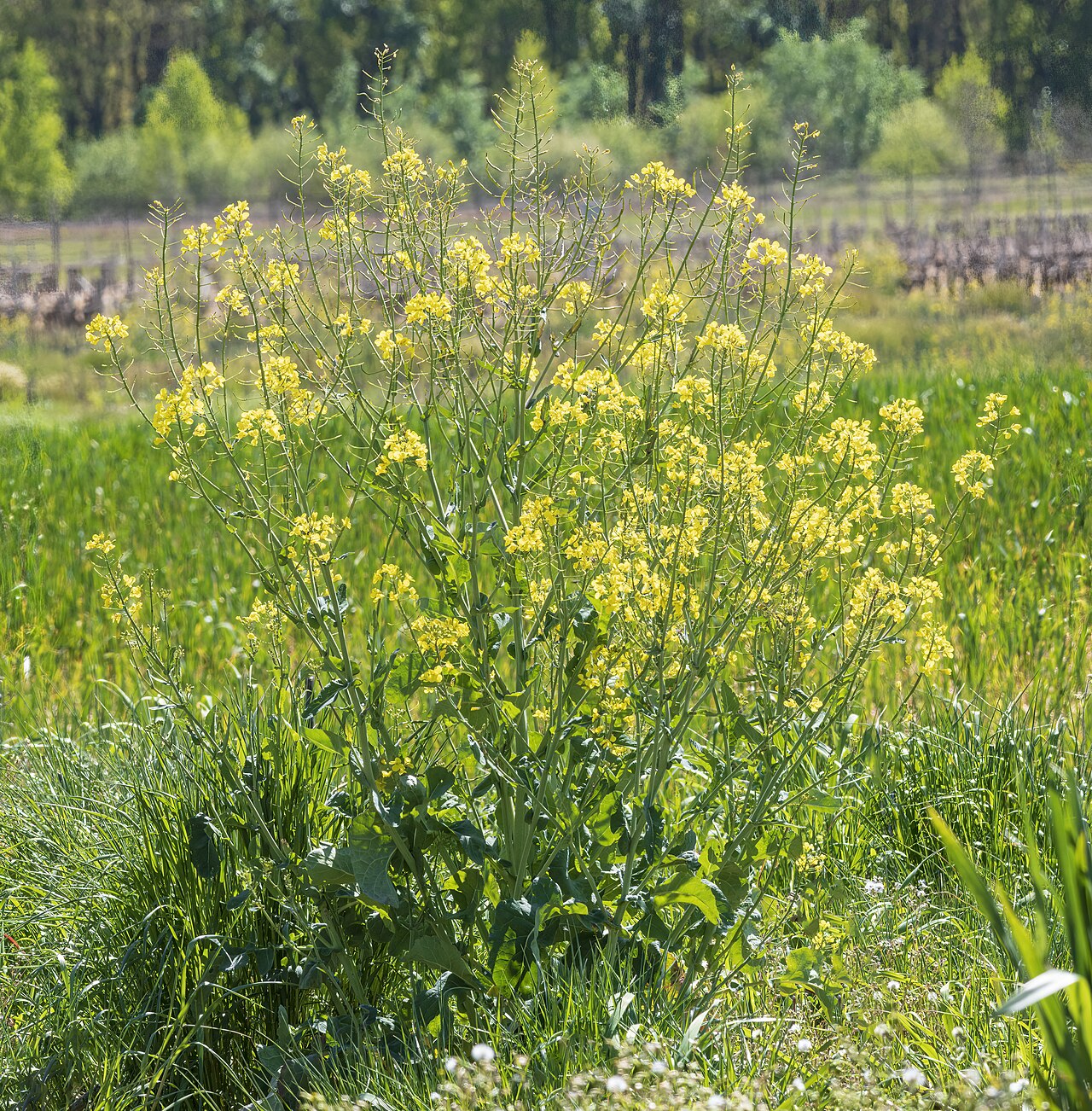
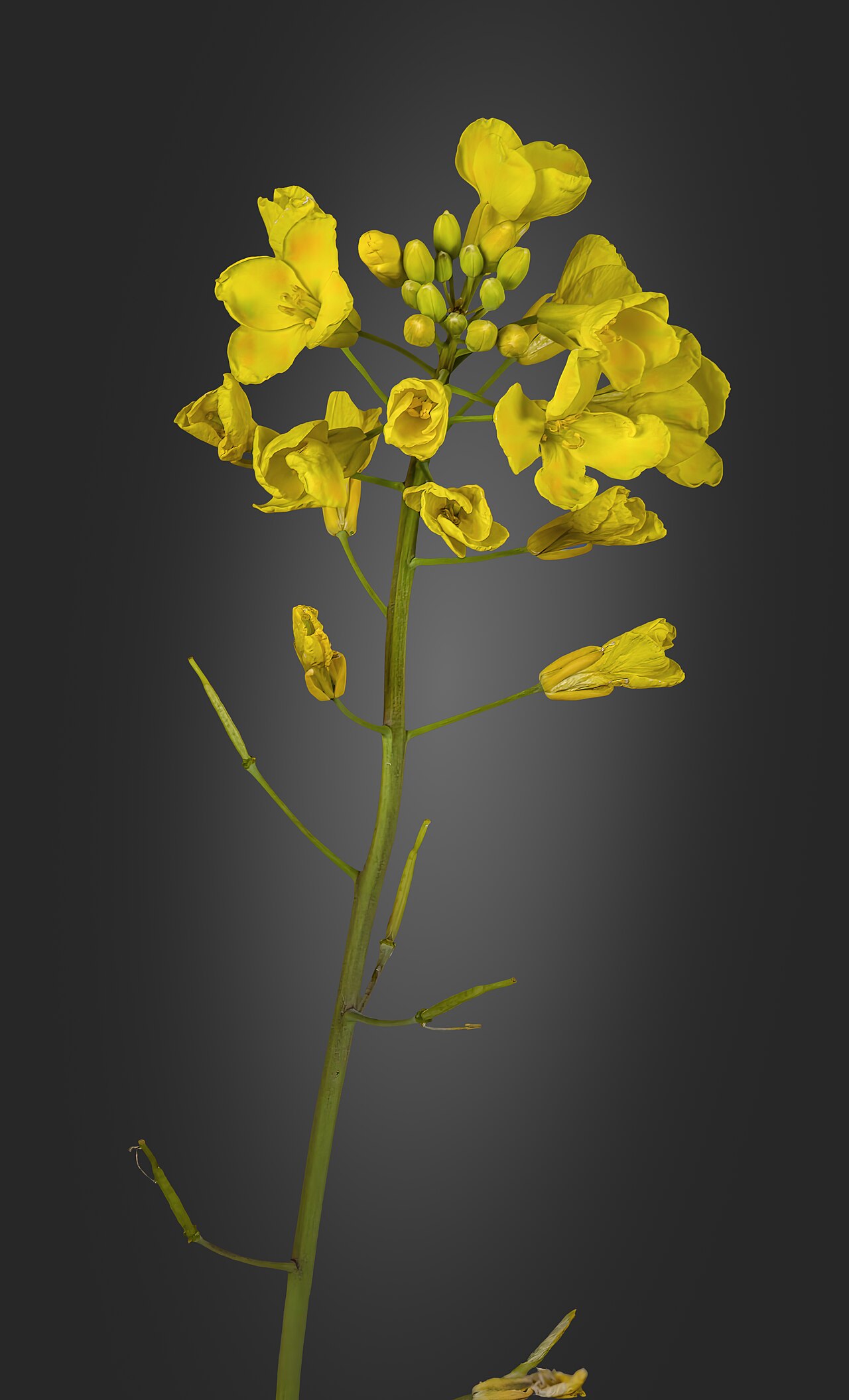
Photos show the species, rutabaga (Brassica napus Napobrassica Group), since no cultivar-specific photo was verified for this variety — the species photos above are already hosted on this site and attributed as on the species guide.
Why this variety
Macomber is a rutabaga with a regional reputation: the New England vegetable guide lists it as popular in southeastern Massachusetts, where rutabagas are taken seriously, and UF/IFAS Extension names it among the main rutabaga varieties. It is a globe-type rutabaga with sweet yellow flesh, ready in about 90 days, and a following built on flavor and reliability rather than novelty.
Rutabagas are a regional crop in a way carrots are not — beloved in New England, the South, and Scotland, puzzling elsewhere — and Macomber is a variety that earned its keep in the places that grow the most rutabagas. Its roots are uniform and sweet, its tops are manageable, and its season fits the fall-sown, winter-harvested rhythm that rutabagas demand.
Florida translation: Macomber is a winter rutabaga here — sow in fall for a winter harvest about three months later, water evenly, and harvest before spring heat. Its UF/IFAS listing is the Florida endorsement that matters: this is a variety extension agents expect to see in Florida gardens.
How to grow
Direct sow about half an inch deep in fall, 3 to 4 inches apart in rows 30 inches apart, and thin to 6 inches apart once seedlings are up. Work worm castings in before sowing, loosen soil deep, and keep the row evenly moist through the long season.
If you are new to choosing between cultivars, the Varieties Matter guide explains why the name after the plant matters as much as the plant itself. For the general picture, start with the Rutabaga growing guide, then use this guide for the details that make Macomber Rutabaga different.
Water & feeding
Rutabagas are a long, slow crop, and they punish uneven watering more than most roots: dry spells make woody, sharp roots, and a sudden soak splits them. Water about an inch a week through the whole long season, mulch to hold moisture in sandy soil, and feed modestly — worm castings before sowing plus one light side-dressing mid-season. Rutabagas need boron more than most vegetables; a boron shortage shows up as brown, corky hearts inside otherwise fine-looking roots, so a light application of a complete fertilizer with micronutrients is cheap insurance on sandy soils.
Common problems
- Woody or bitter roots — heat or drought during bulbing. Sow so roots mature in cool weather and water evenly.
- Brown heart (boron deficiency) — corky brown centers in the root. Use a complete fertilizer with boron on sandy soil.
- Clubroot in brassica beds — rotate out of brassicas for several years and keep soil pH up.
- Flea beetles and cabbage worms — row cover early for seedlings; hand-pick caterpillars on established plants.
Harvest
Pull at about 90 days, when roots reach 4 to 5 inches — fork them out, twist tops off, and store topped roots in a cool, damp place or refrigerated in a bag for months. Peel thickly, dice, and mash Macomber with butter, or add it to stews, where it holds its shape and sweetens the pot.
Browse all plant & pest guides
Saving seeds
Macomber is a rutabaga with a regional reputation: a specialty heirloom born in Westport, Massachusetts around 1877, listed by the New England vegetable guide and named by UF/IFAS among the main rutabaga varieties, and as a seed-maintained heirloom it comes true from seed. Rutabagas are biennial, so seed saving takes two seasons: leave a few of your best roots in the ground through winter, let them flower the second year, and collect the seed once the pods dry — keeping other brassicas at a distance so they do not cross. The full method is in the Saving seeds section of the Rutabaga guide.