
🥕 Helenor Rutabaga
What it looks like
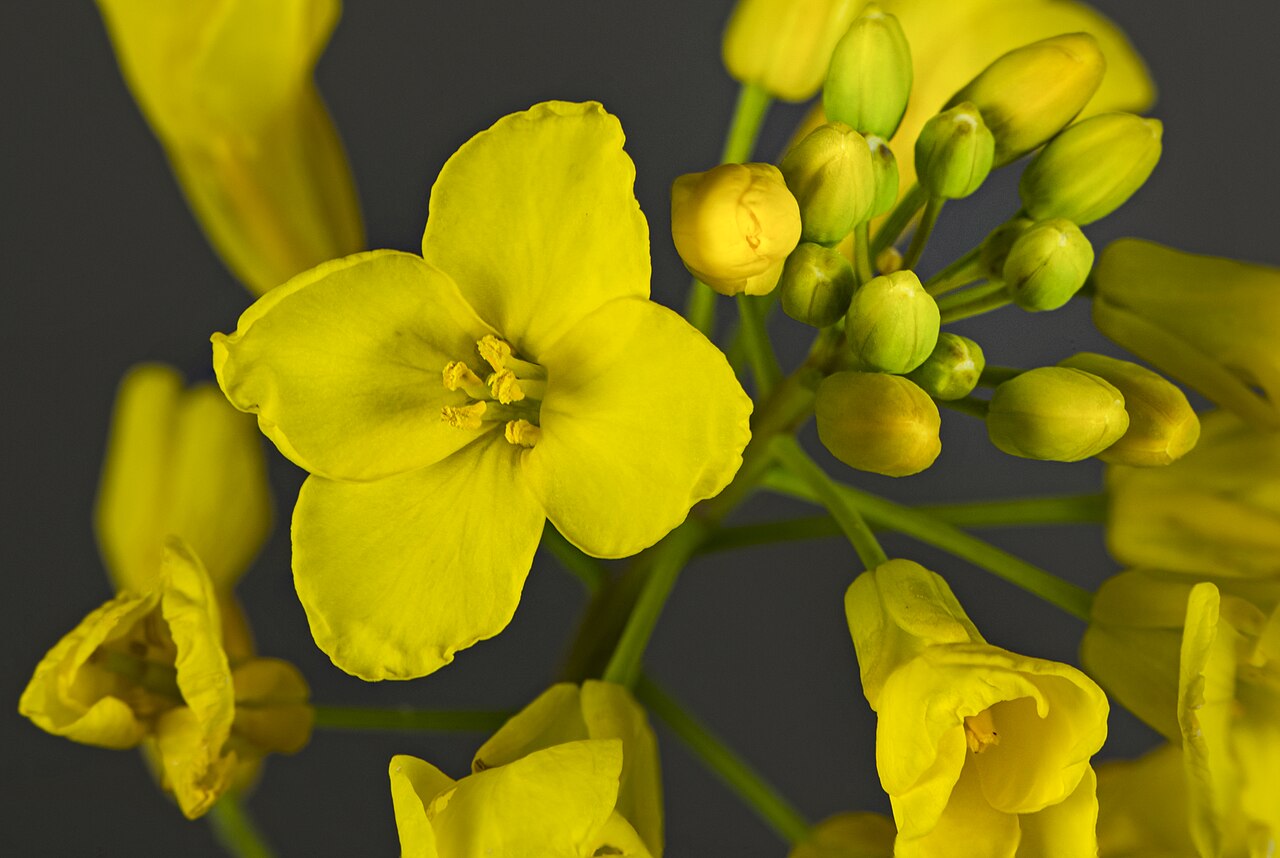
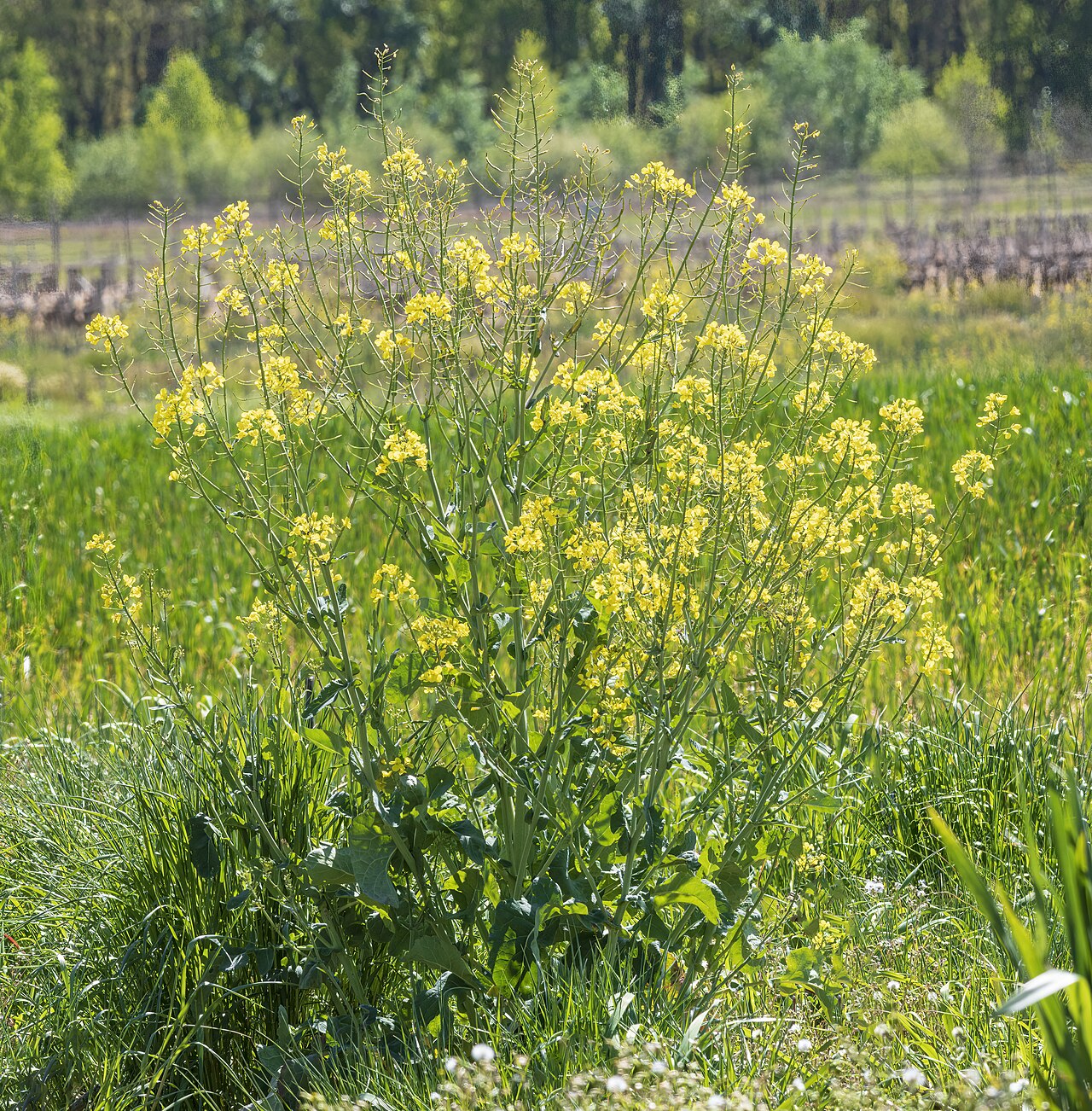
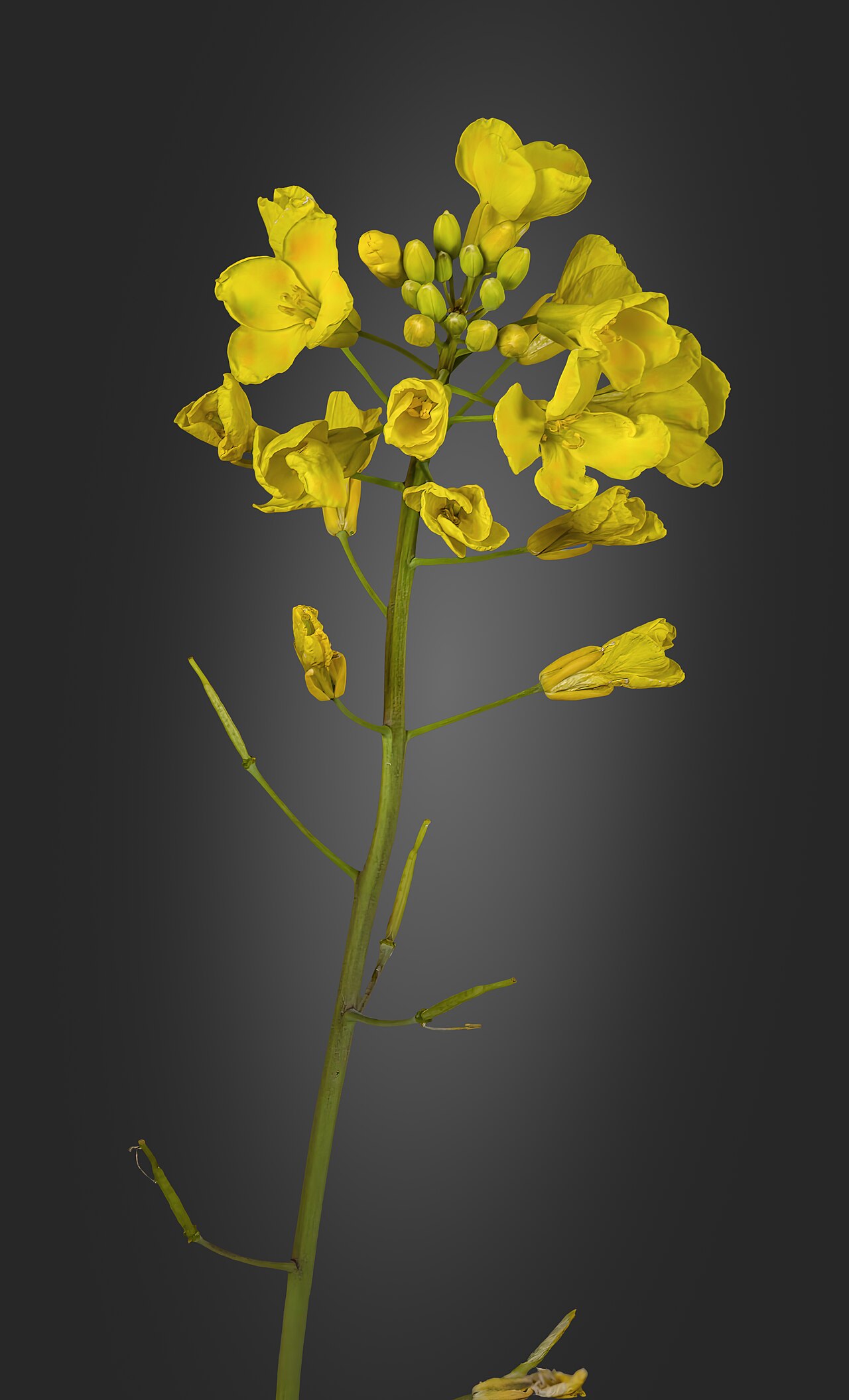
Photos show the species (Brassica napus (Napobrassica group)), since no cultivar-specific photo verified for this variety — the species photos above are already hosted on this site and attributed as on the species guide.
Why this variety
Helenor is the rutabaga for gardeners who want the classic winter root without the classic winter-root variability. A productive modern variety, it grows uniform 4-inch roots with the classic shape — bicolor purple top, pale base — and flesh that develops an attractive light-orange flush early, with a refined texture and sweet flavor. Uniformity sounds boring until you have dug a row of rutabagas that range from golf ball to grapefruit; Helenor’s evenness is a quiet luxury.
It also keeps. Helenor’s long shelf life is part of its catalog description, not an afterthought, which makes it the rutabaga to plant when you want to eat from storage into spring. In Florida, where the harvest window ends and the heat begins, a root that stores well is a root that extends your garden by months without a single extra day of work.
How to grow
Sow Helenor in fall in Florida for a winter harvest, direct-sown 1/2 inch deep and thinned to the hero spacing. Like all rutabagas, it needs a long, cool run — about 100 days — so fall sowing is not a suggestion, it is the plan. Spring sowing in Florida produces woody roots and disappointment in roughly equal measure.
Prepare a loose, deep bed with compost and castings worked in, pH in the hero range. Helenor’s uniformity depends on even conditions: even moisture, even fertility, even spacing. A bed that is rich at one end and poor at the other grows roots that prove it. Mulch thickly to hold moisture and keep the soil cool.
Water & feeding
Water evenly, about an inch a week, all season; drought stress makes rutabagas tough and woody, and Helenor’s refined texture is the first thing drought ruins. Deep soaks, mulch, and steady moisture are the whole technique. Do not let the bed dry out in a winter dry spell and then flood it — split roots follow.
Feed moderately at sowing with castings and once more mid-season. Helenor is productive, and productive roots eat steadily; a single heavy feed grows tops, while steady feeding grows uniform roots.
Common problems
- Root maggots — row cover from sowing day.
- Flea beetles, cabbage worms — row cover, hand-picking, Bt.
- Tough roots — heat or drought; fall-sow, water evenly, harvest at 4 inches rather than letting roots balloon.
- Clubroot — rotate brassicas, keep pH near neutral, ensure drainage.
Harvest
Lift Helenor at about 100 days, or around the first or second frost — cold sweetens rutabagas noticeably, and Helenor’s sweet flavor gets sweeter. Harvest at about 4 inches for the best texture; larger roots are still good, but the uniform 4-inch root is the variety’s sweet spot.
Trim tops, store cool and humid for months, and mash, roast, or puree as needed. Helenor puree — with butter, a little cream, and black pepper — is the dish that converts rutabaga skeptics, and its light-orange flesh looks as good as it tastes.
Browse all plant & pest guides
Saving seeds
Helenor is an open-pollinated rutabaga, so saved seed comes true — let a few roots overwinter and flower in their second year, and isolate from other brassicas that flower at the same time. The full method is in the Saving seeds section of the Rutabaga guide.