
🥔 American Purple Top Rutabaga
What it looks like
Why this variety
American Purple Top is the rutabaga that built the American root cellar: large, globe-shaped roots with purple shoulders above the soil and creamy yellow below, sweet yellow flesh that turns orange when cooked, and a reputation for storing for months without complaint. It is a pre-1850s heirloom, and it has stayed in catalogs for nearly two centuries because it does the two things a rutabaga must do — grow big and keep well — with almost no drama.
The flavor is the reason to grow it rather than buy it: sweet, earthy, and mellow, especially after a frost, with a density that mashes into something richer than a potato and roasts into caramelized edges that a turnip can only dream about. A root that stores from fall into spring and still tastes like it was just dug is a pantry, not just a vegetable.
If you are new to choosing between cultivars, the Varieties Matter guide explains why the name after the plant matters as much as the plant itself. And if you want the whole clan at a glance, the broader Rutabaga guide covers rutabaga generally.
How to grow
In Florida, rutabaga is a fall crop that pays you back for patience: sow it in fall, let the roots size up through the mild months, and harvest after a frost or two, because cold is what turns a rutabaga from merely good to sweet and mellow. It needs a long, cool runway — around three months — so the fall sowing is the whole strategy, and a spring sowing that runs into summer heat will give you woody roots and a plant in a hurry to flower. In the north and center of the state it is a reliable winter keeper; farther south, keep it to the coolest months and treat it as a trial.
Direct-sow in fall, thinning to about 6 inches apart in rows 18 inches apart, in deep, loose, stone-free soil. Rutabagas need a long, cool season, so sow early enough in fall that the roots have three months of mild weather — a late sowing gives you small roots and a lesson in timing. Keep the soil evenly moist, mulch to hold moisture, and thin ruthlessly: crowded rutabagas stay small, and small rutabagas are a disappointment with a root attached.
Water & feeding
Rutabagas size up on steady moisture in deep, loose soil — a checked, drought-stressed root turns woody and forked, and no amount of butter fixes that. Water deeply and regularly, mulch to hold moisture, and feed with compost; keep the bed stone-free so the roots grow straight and smooth.
Common problems
Flea beetles may pepper the young leaves, and cabbage root maggots can trouble the roots in some soils — row cover over young plants solves most of it, and rotation helps with the rest. Clubroot is the soilborne worry in brassica-heavy ground, so do not plant rutabagas where brassicas grew recently, and lime the soil if it is strongly acidic. A woody, forked root usually means drought or stones, not a bad variety.
Harvest
Dig when the roots are 4–6 inches across, after a frost or two if you can wait — frost sweetens them noticeably. Twist off the tops, store in a cool, humid place or in the ground under mulch, and use within months; a properly stored American Purple Top is still good eating in spring, which is the whole point of a winter keeper.
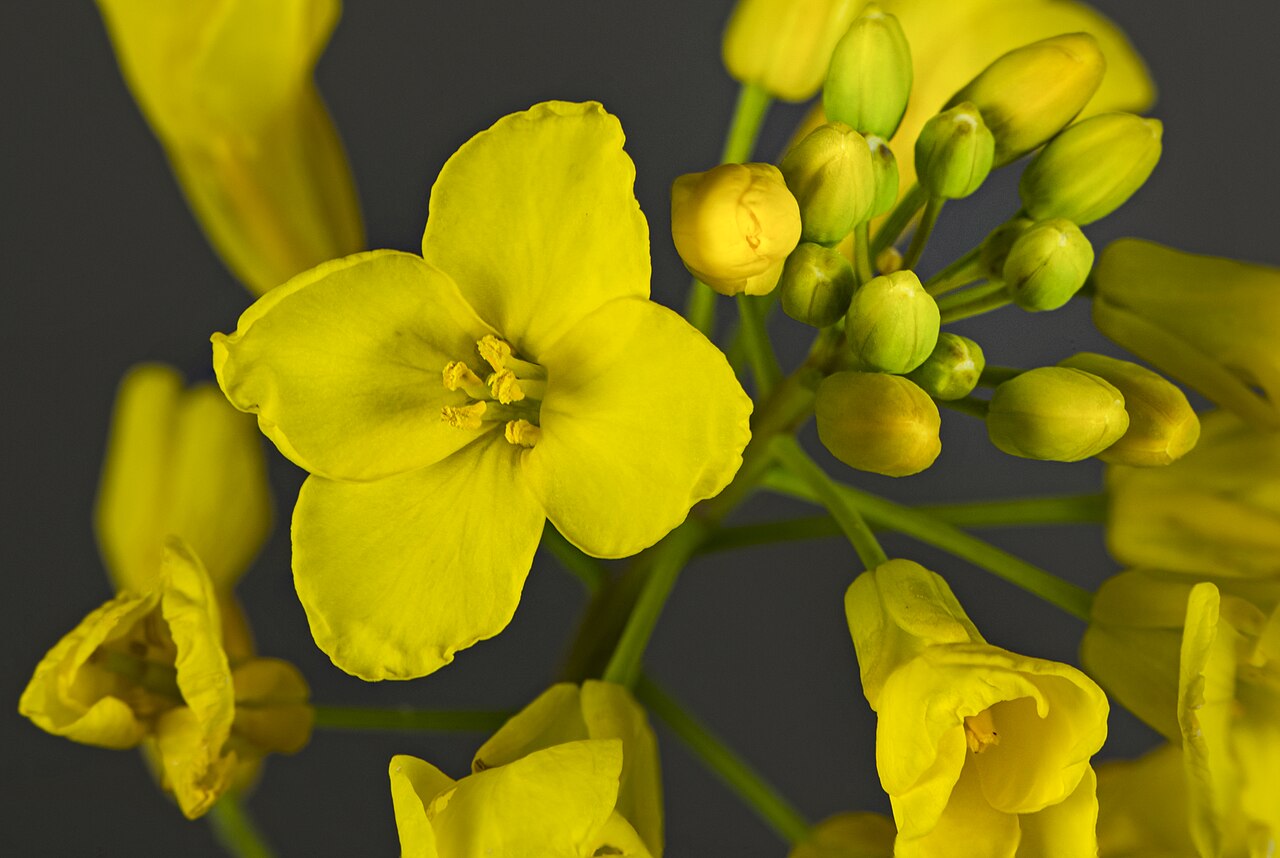
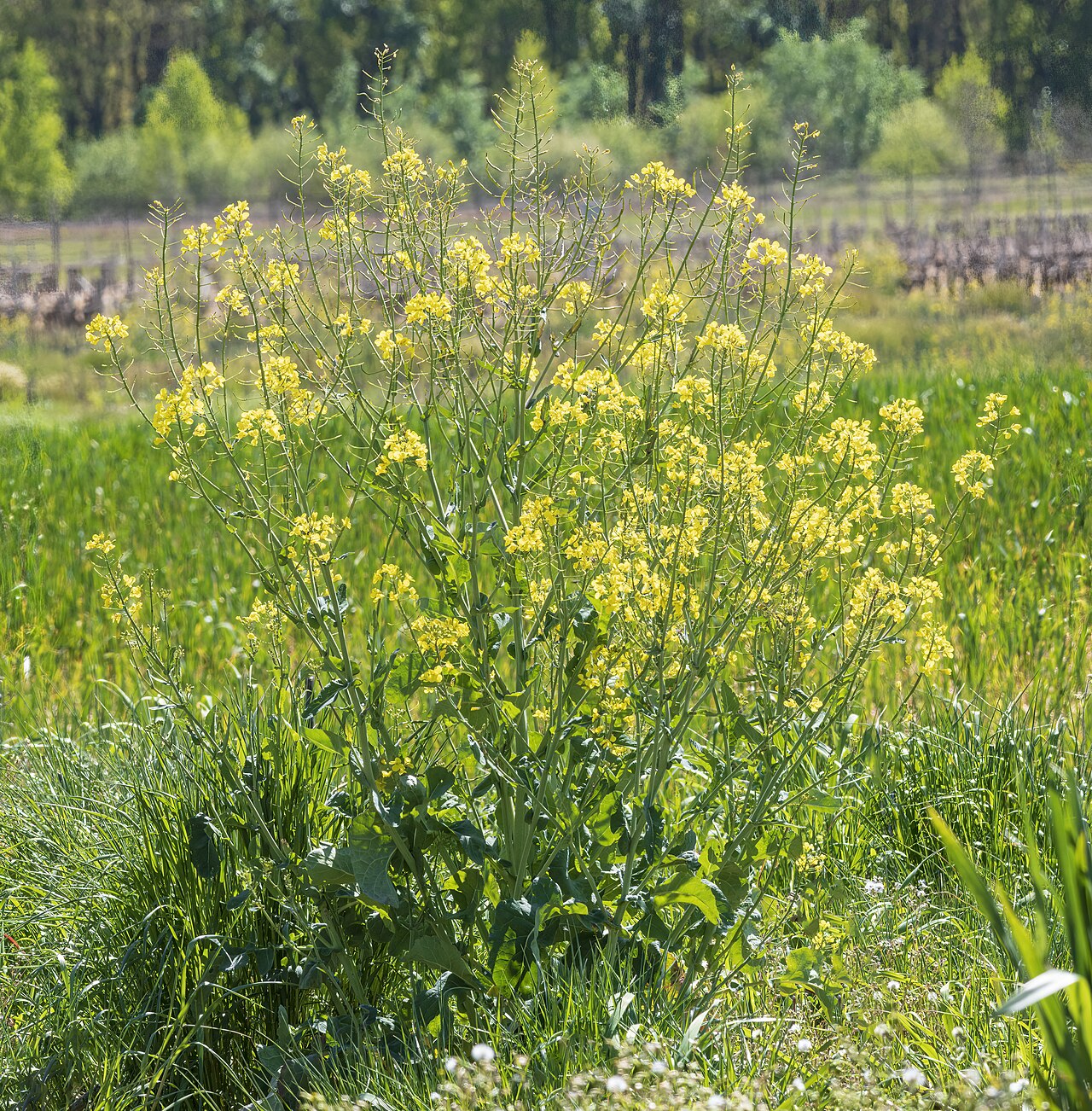
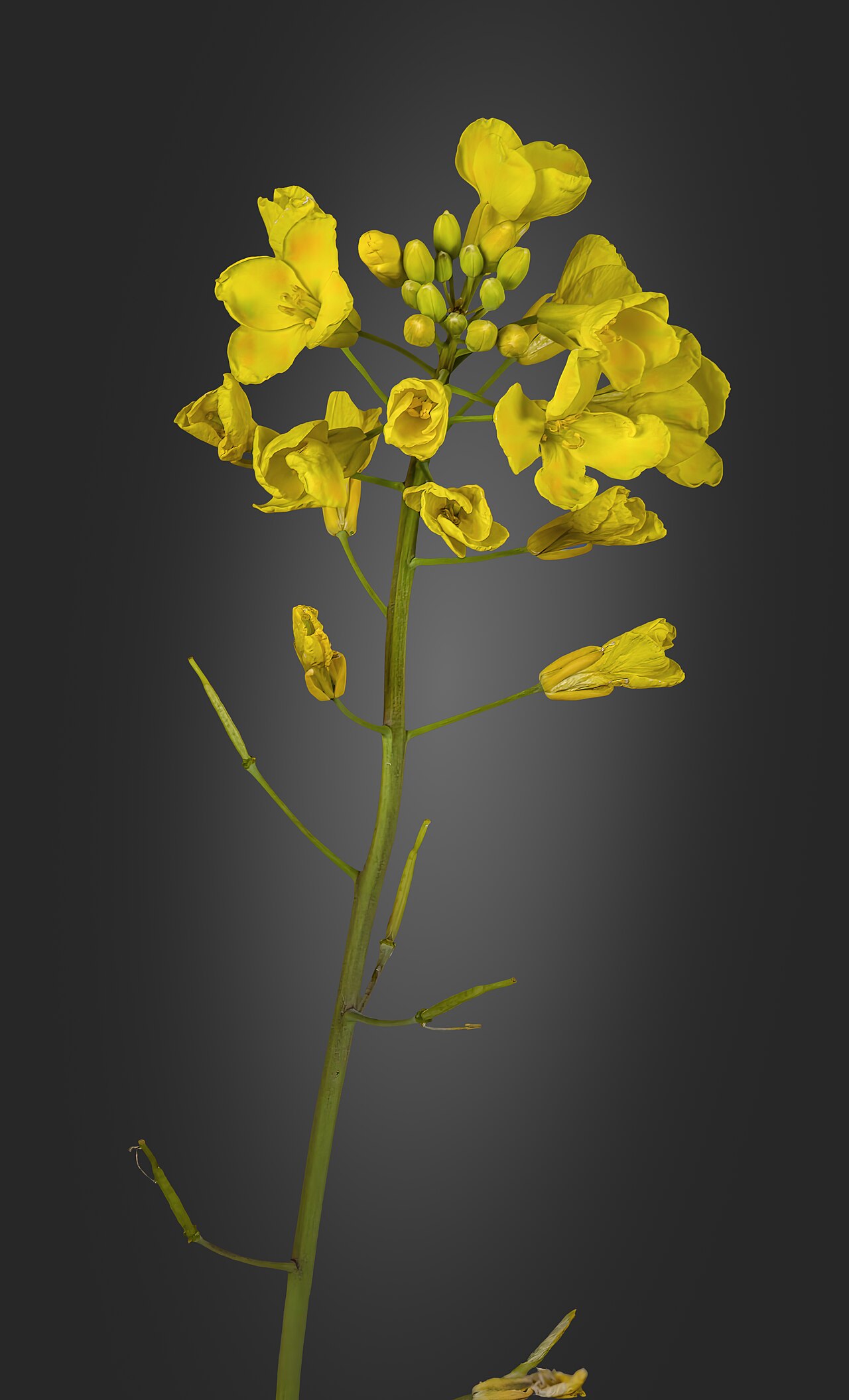
Nerdy fact: Rutabaga is a cross between a cabbage and a turnip — Brassica napus, the same species as canola — which is why it tastes like a turnip that went to finishing school: sweeter, denser, and smoother, with none of the turnip’s sharp mustard edge. The purple shoulder is just the part of the root that saw sunlight, anthocyanin doing its sunscreen job.
Saving seeds
American Purple Top is a pre-1850s heirloom, so it comes true from seed — save seed from your best roots. The full method is in the Saving seeds section of the Rutabaga guide.