
🥕 Wilhelmsburger Rutabaga
What it looks like
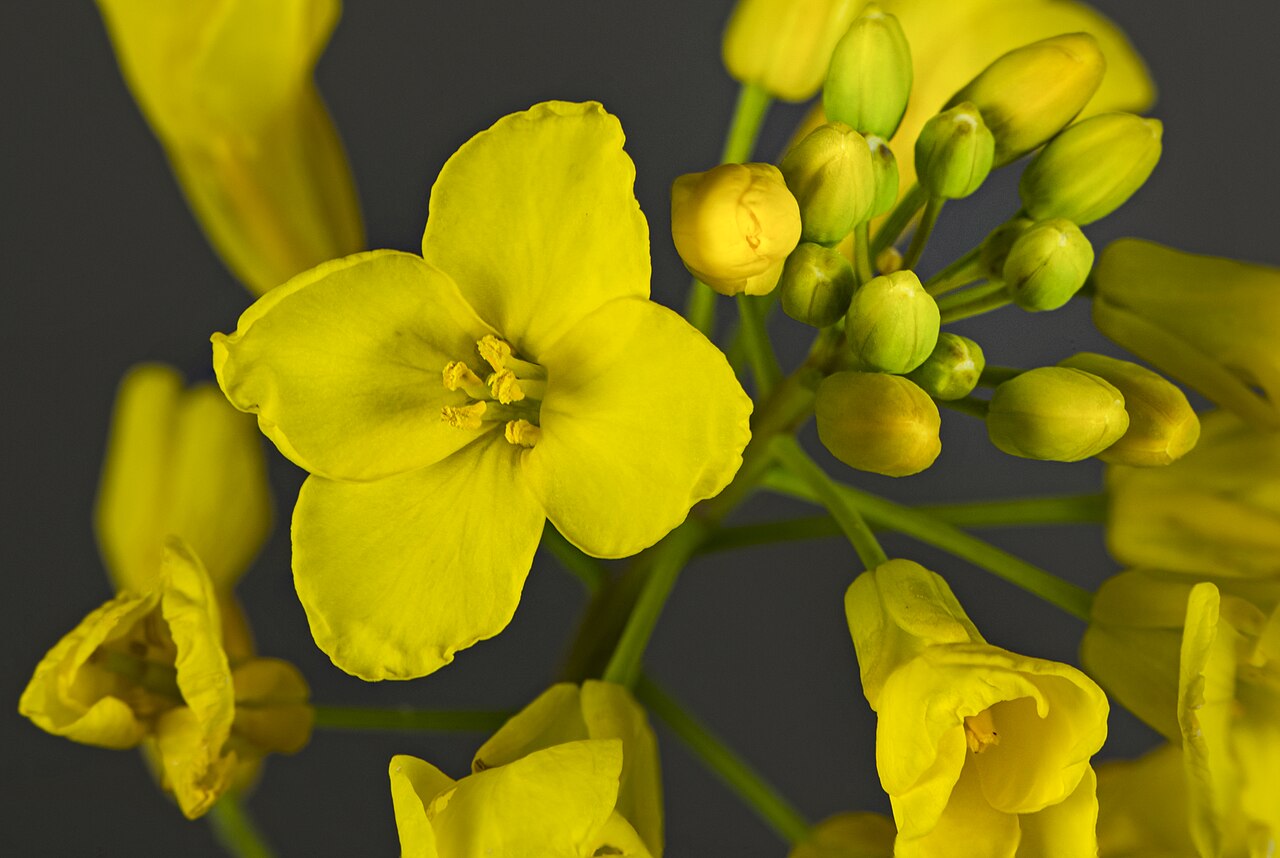
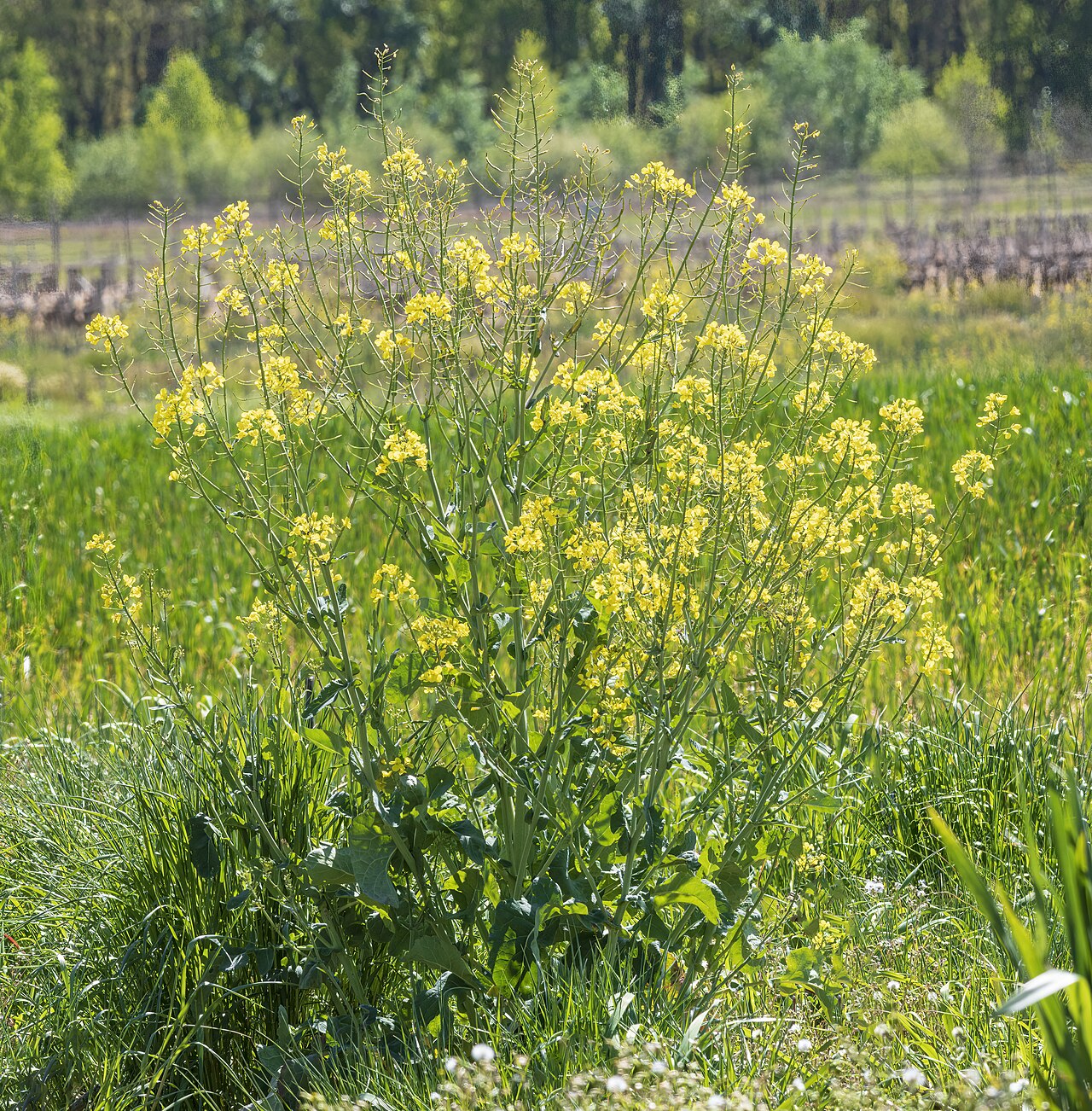
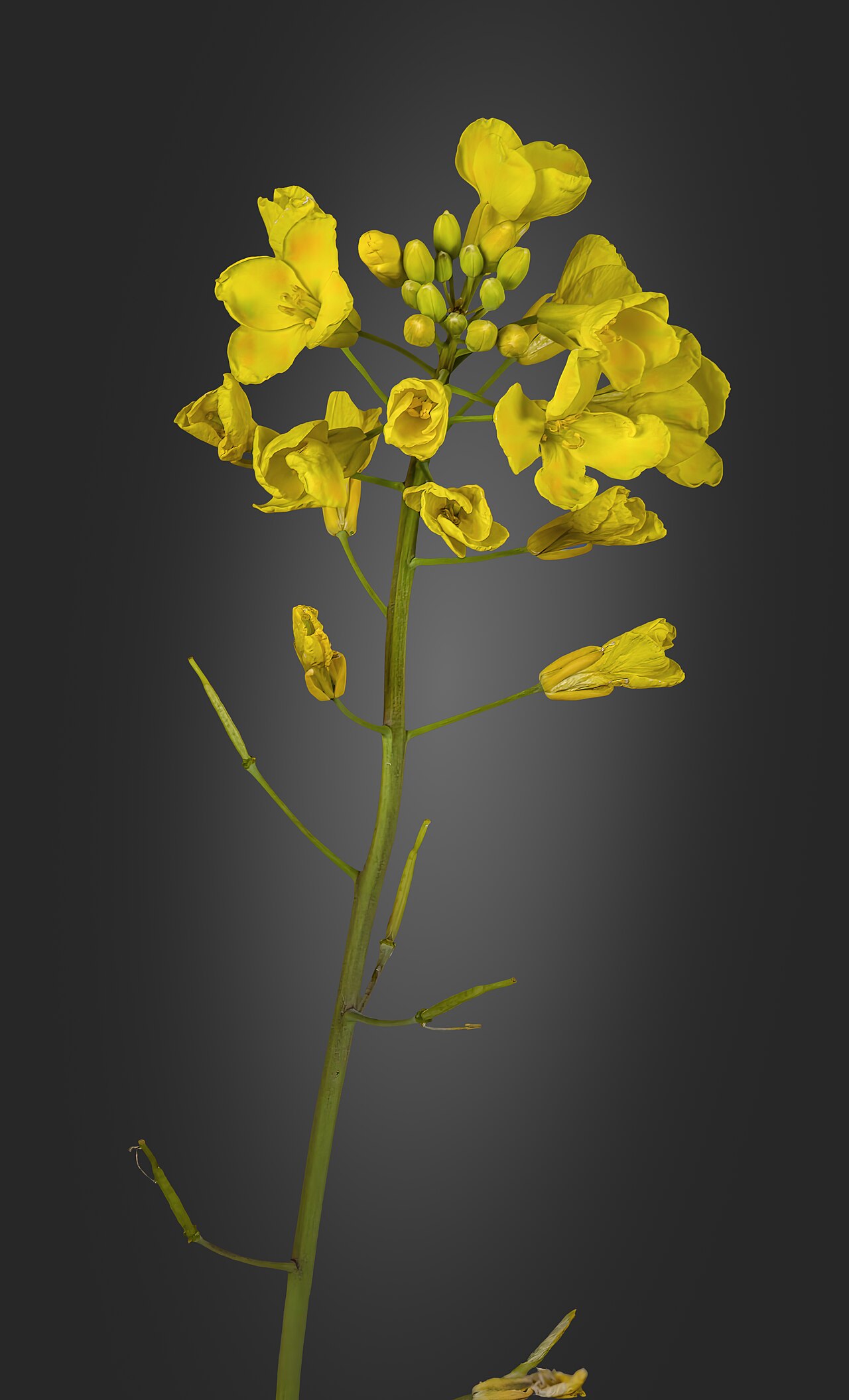
Photos show the species (Brassica napus (Napobrassica group)), since no cultivar-specific photo verified for this variety — the species photos above are already hosted on this site and attributed as on the species guide.
Why this variety
Wilhelmsburger is the rutabaga that European gardeners reach for when they want a root that feeds them all winter. A mid-early variety, it grows round-elongated roots up to about 4 inches long and 3–6 inches across, green on the upper two-thirds and yellow below, with creamy yellow flesh that is juicy, firm, and excellent in flavor. It is high-yielding, cold-adapted, and — the trait that made its reputation — amazingly well-suited for long-term storage.
In a Florida bed, Wilhelmsburger is a fall-sown winter crop, full stop. Rutabagas need a long, cool run and punish spring sowing with woody, tough roots, and Wilhelmsburger’s 90–110 days means it wants the whole fall-to-winter window. Give it that window and it gives back roots that store for months and sweeten with cold — the definition of a winter staple.
How to grow
Sow Wilhelmsburger in fall in Florida — late summer to early fall sowing for a winter harvest — direct-sown 1/2 inch deep, thinned to the hero spacing. Rutabagas grow larger than turnips and need the room: crowded rutabagas stay small and compete themselves into mediocrity. Do not spring-sow in Florida; the heat will ruin the roots before they size up.
Soil should be loose, deep, and rich in organic matter, pH in the hero range. Sand’s weakness is water- and nutrient-holding, so work compost and castings in generously and mulch thickly. Rutabagas prefer steady, cool growth — a bed that swings between wet and dry grows roots that are tough on the outside and pithy inside.
Water & feeding
Water evenly, about an inch a week; rutabagas that dry out get tough and woody, and the texture never recovers. Mulch to hold moisture in sand, water deeply, and keep the bed steady through the long season. In a dry winter, a deep soak twice a week is better than daily sprinkles.
Feed moderately: castings at sowing, one side-dress mid-season. Rutabagas are heavier feeders than turnips — they are bigger roots with a longer season — but excess nitrogen still grows tops at the expense of the root. Boron deficiency shows as brown, corky hearts in rutabagas; compost and a diverse organic feed program prevent it better than any single amendment.
Common problems
- Root maggots — row cover from sowing; the fly loves brassica roots.
- Flea beetles and cabbage worms — row cover early, hand-pick, Bt for caterpillars.
- Woody, tough roots — heat, drought, or over-maturity; fall-sow, water evenly, harvest at eating size.
- Clubroot — swollen, stunted roots; rotate brassicas, keep pH near neutral, improve drainage.
Harvest
Lift Wilhelmsburger at 90–110 days when roots are softball-sized or a little larger — smaller roots are sweeter and more tender than giants, which tend woody. Twist off tops (the leaves are edible young), trim the taproot, and store in cool, humid conditions for months; this variety’s storage quality is its signature trait.
Mash with butter, roast in chunks, or add to soups and stews where the creamy yellow flesh and sweet, earthy flavor carry the dish. A rutabaga this good makes you wonder why the root spent decades as a joke vegetable.
Browse all plant & pest guides
Saving seeds
Wilhelmsburger is the rutabaga that European gardeners reach for when they want a root that feeds them all winter. A mid-early variety, it grows round-elongated roots up to about 4 inches long and 3–6 inches across, green on the upper two-thirds and yellow below, with creamy yellow flesh that is juicy, firm, and excellent in flavor. It is high-yielding, cold-adapted, and — the trait that made its reputation — amazingly well-suited for long-term storage. It is an open-pollinated variety — the Russian seed registry lists Vilgelmsburgskaya as a “sort” (variety), not a hybrid, and it is an old European table variety sold as seed by garden seed houses — so seed saved from it comes true to Wilhelmsburger. Rutabagas are insect-pollinated biennials of Brassica napus: hold a few roots over winter, let them flower in their second year, and isolate from other flowering napus — rutabaga, rapeseed, and some turnips — which they cross with readily. The full method is in the Saving seeds section of the Rutabaga guide.