
🫘 CDC Luna Chickpea
What it looks like
Why this variety
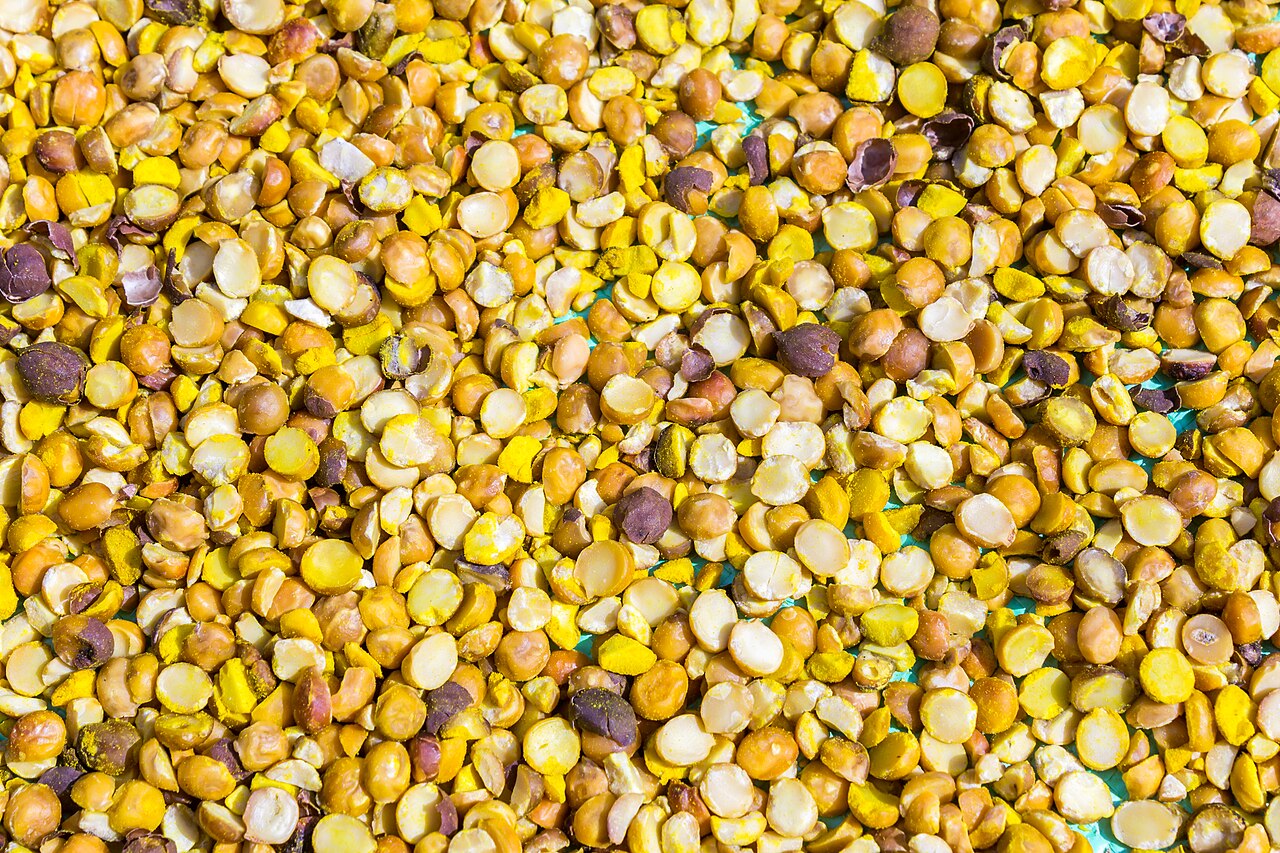
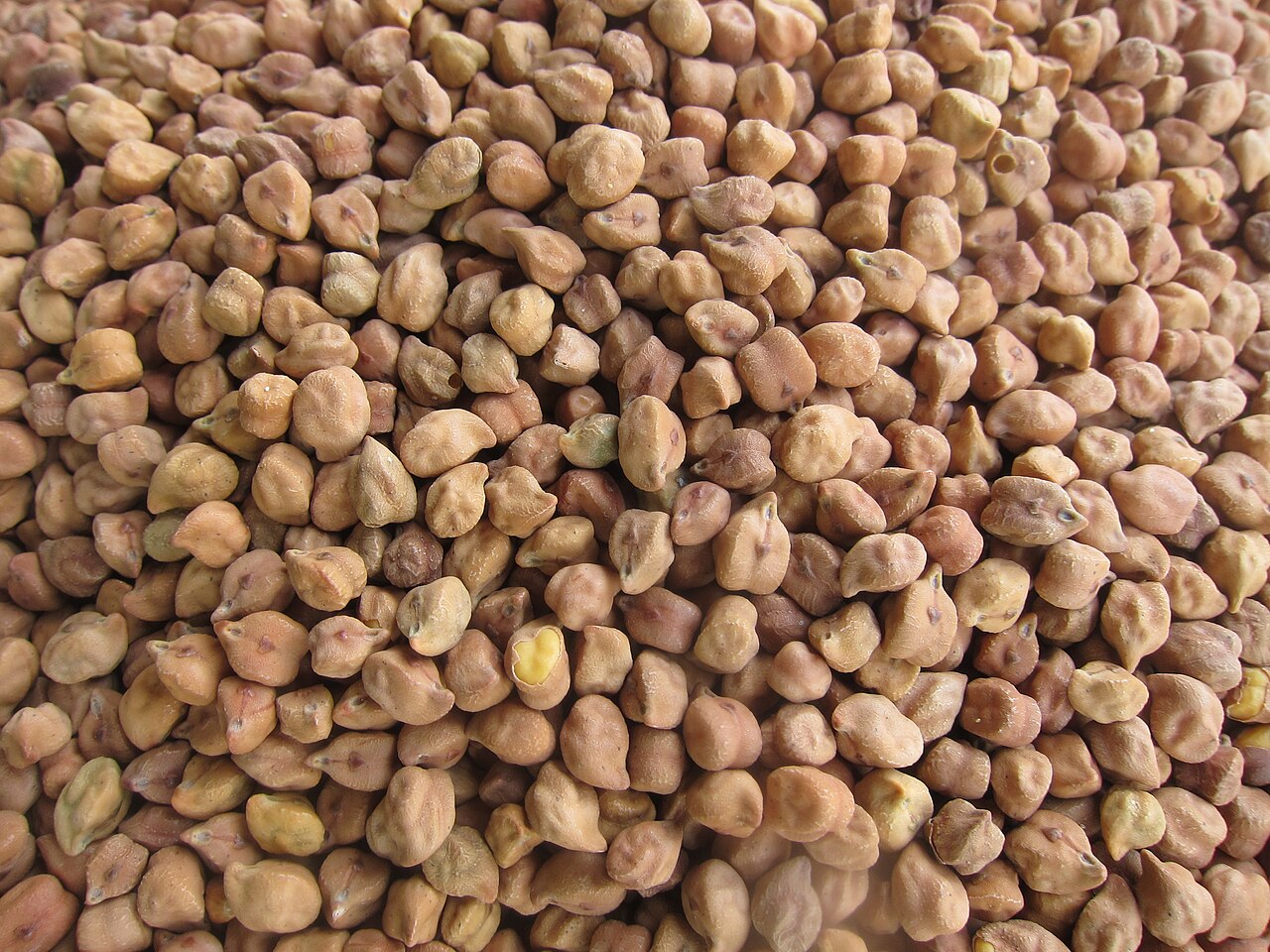
CDC Luna is the kabuli chickpea for gardeners who liked CDC Frontier but wanted it a little sooner and a little bigger: a medium- to large-seeded kabuli, about nine millimetres across, released by the University of Saskatchewan’s Crop Development Centre in 2007, with good yield and a fair rating for ascochyta blight — and, crucially, slightly earlier maturity than CDC Frontier, which is the trait that matters most when you are fitting a chickpea into Florida’s cool season.
Kabuli chickpeas are the round, cream-colored garbanzo beans of hummus and salads, and Luna’s larger seed makes for a creamier hummus and a more satisfying roasted chickpea. Like all chickpeas, it is a cool-season, dry-loving plant that wants airflow, base watering, and a long, mild finish — give it a Florida fall-through-spring window and it will give you jars of home-grown garbanzos that cook more evenly than any bagged ones, because they were never warehoused for years.
If you are new to choosing between cultivars, the Varieties Matter guide explains why the name after the plant matters as much as the plant itself. And if you want the whole clan at a glance, the broader Chickpea guide covers chickpeas generally.
How to grow
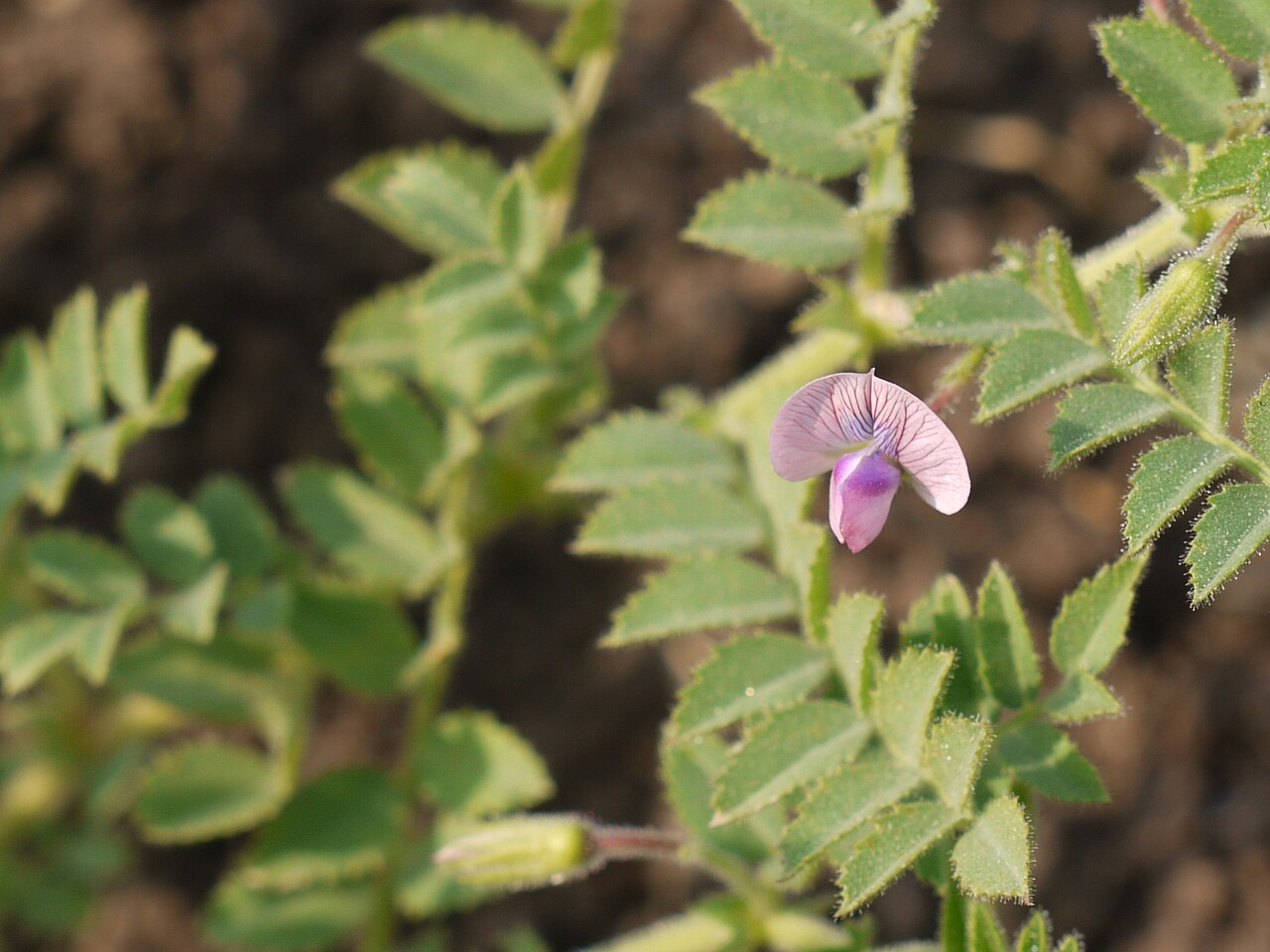
Sow CDC Luna directly in cool soil, seeds about an inch deep and 6 inches apart in rows 24 inches apart — wide spacing for airflow, which chickpeas need more than most legumes — in full sun and well-drained soil. In Florida, sow in fall for a winter-to-spring crop; chickpeas are not summer plants here, and humidity is the enemy, not cold. Inoculate with chickpea rhizobium in beds new to chickpeas, and keep the bed weeded early while plants are small.
Water steadily but sparingly: chickpeas want even moisture while pods fill and dry air while they finish, and Florida’s winter rains argue for raised beds and sharp drainage. Work worm castings in at sowing, skip nitrogen fertilizer, and never overhead-water a chickpea crop — wet foliage in humid air invites the ascochyta blight that Luna is only fairly resistant to, and fair resistance plus dry leaves beats good resistance plus wet ones.
Water & feeding
Modest, even water at soil level, tapering off as pods dry — chickpeas are dryland plants by heritage and punish both drought during pod fill and waterlogging at any stage. Mulch lightly to hold moisture in sand without smothering small plants, and let the crop finish dry: pods that cure in dry air store well, while pods that cure damp mold. In a Florida winter, that usually means raised beds, morning watering so foliage dries by night, and a watchful eye on the forecast during the final weeks.
Common problems
Ascochyta blight is the chickpea disease to know: Luna rates fair, at the higher end of fair, so fungicide at seedling to pre-flowering stage is the commercial advice, and gardeners should lean on airflow, wide spacing, base watering, and rotation instead. Aphids and pod borers visit; hand-pick and hose. Root rots follow wet soil, so drainage is the first defense. And heat ends the season: if the crop is still standing when summer arrives, pod set stops — sow early enough in fall to finish in spring, and treat Luna’s earliness over Frontier as the margin that makes the difference.
Harvest
Harvest when plants yellow and pods are dry and rattling, about 95 days after sowing — slightly ahead of CDC Frontier’s pace — cutting plants and drying under cover before threshing. Because chickpeas are indeterminate, they keep flowering until stress ripens them, so watch for the main crop to dry rather than waiting for every last pod. Thresh, winnow, and dry seeds fully before jarring. Soak overnight and simmer for hummus, or roast with salt and spices for a snack that will ruin store-bought roasted chickpeas for you permanently.
Nerdy fact: CDC Luna was released to Select status growers in 2007 as the latest kabuli from the Crop Development Centre, and its variety description makes the selling point plain: larger seed than CDC Frontier and slightly earlier maturity, with a fair ascochyta rating that its breeders flagged honestly — a variety description that reads like a gardener wrote it, caveats and all.
Saving seeds
CDC Luna is a bred kabuli chickpea, so it comes true from seed — save seed from your best pods and let them dry fully before storing. The full method is in the Saving seeds section of the Chickpea guide.