
🫘 S’oam Bawi Tepary Bean
What it looks like
Why this variety
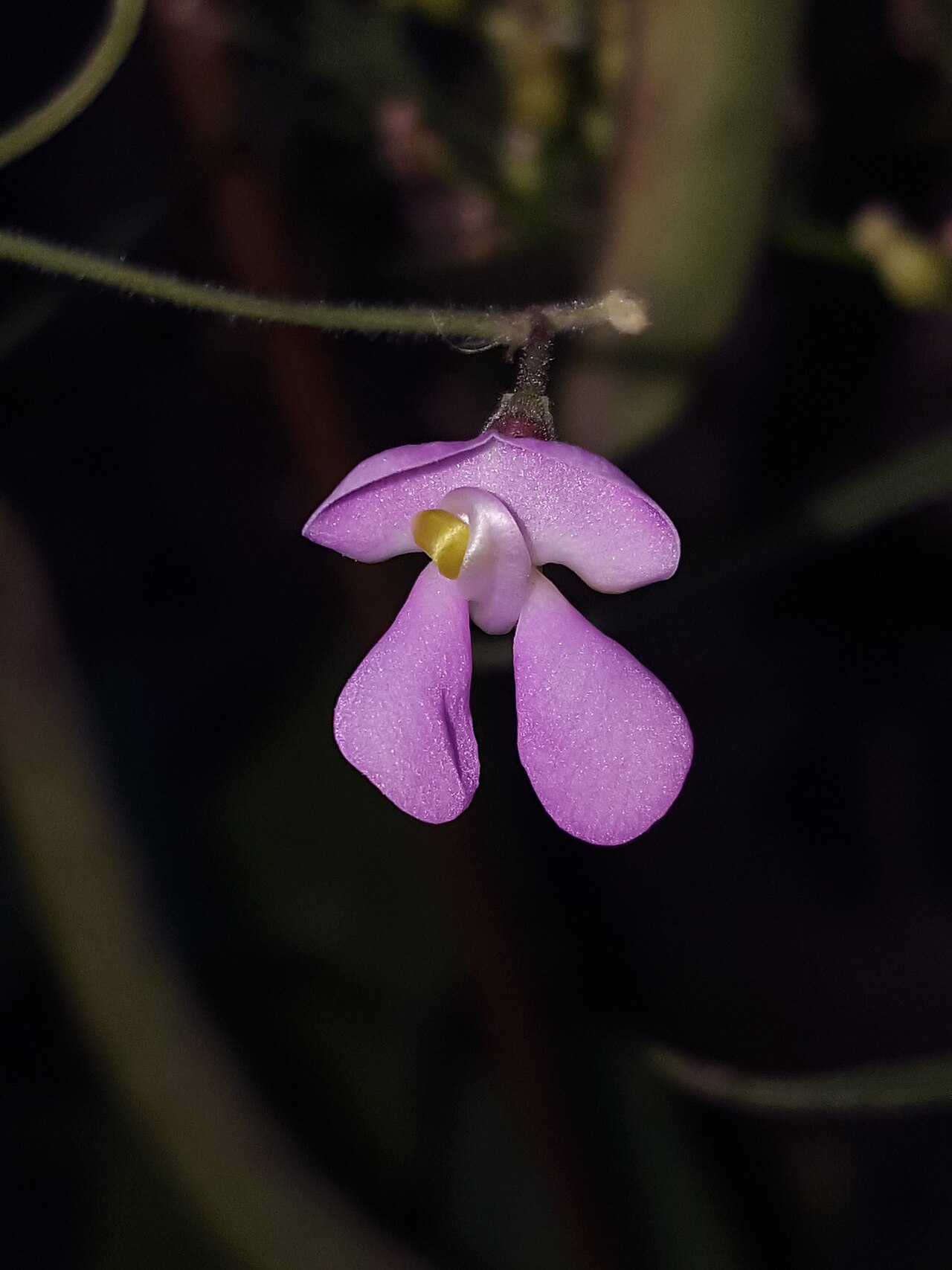
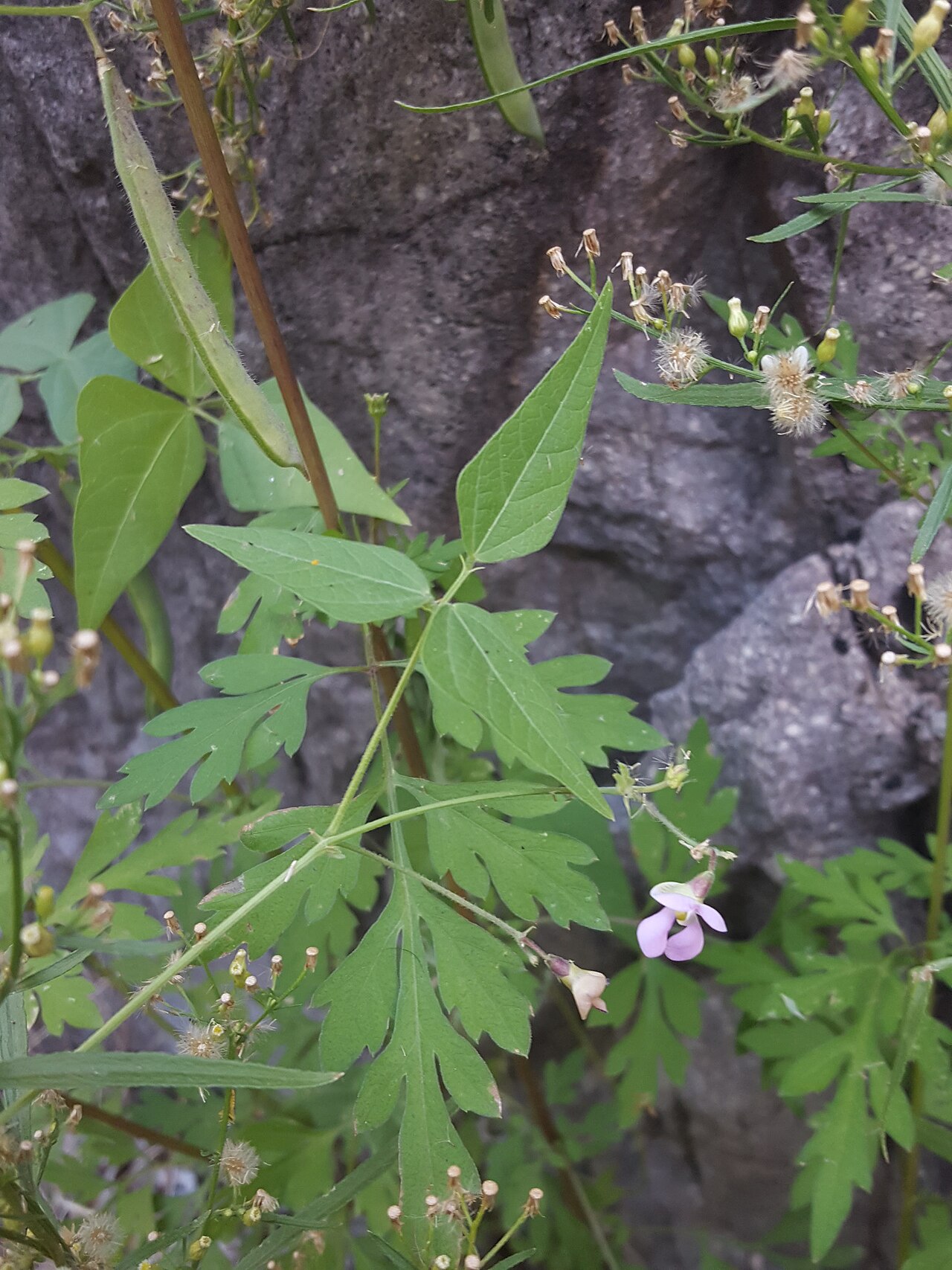
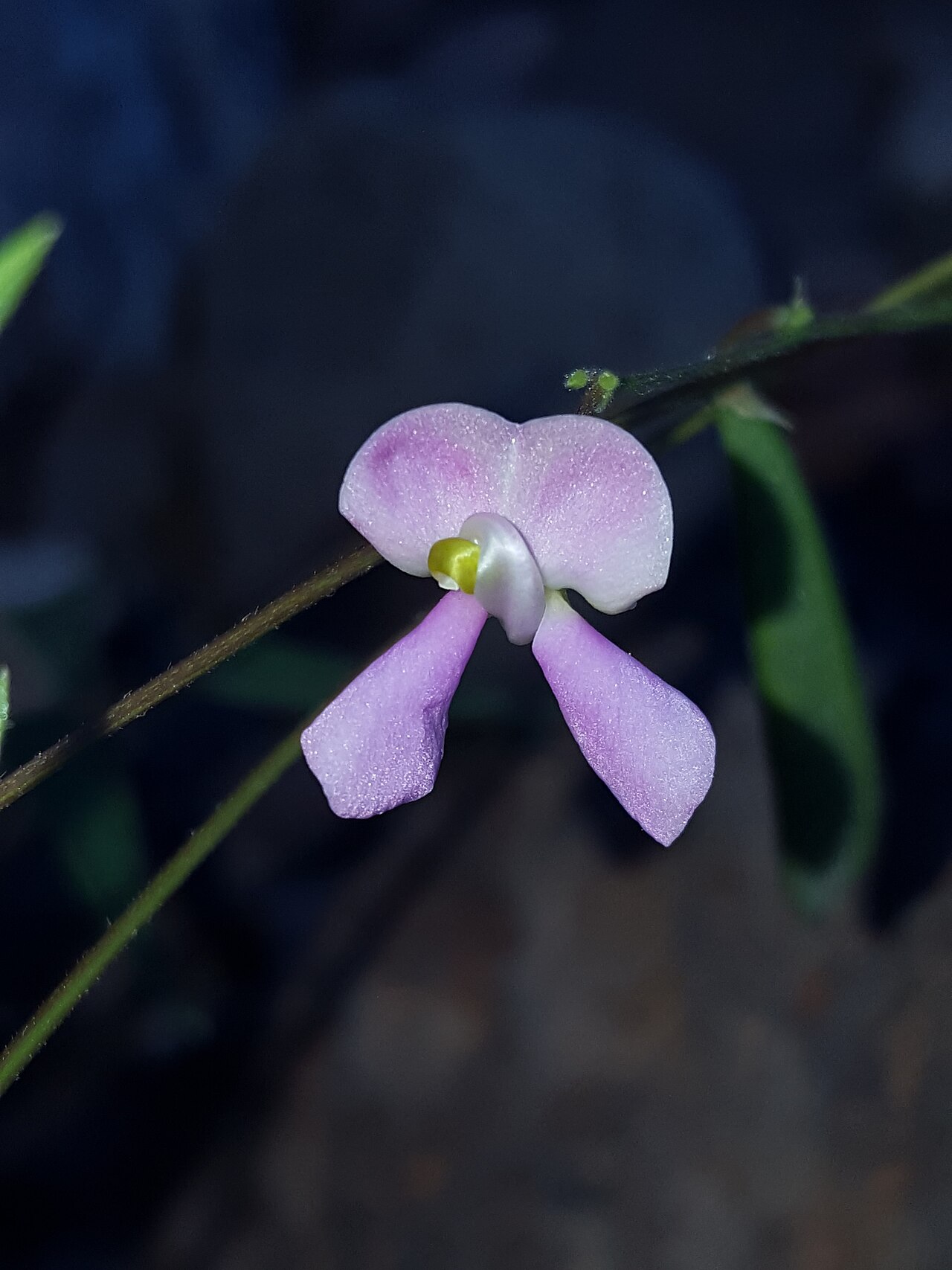
S’oam Bawi is a tepary bean from Menagers Dam, a Tohono O’odham community near the Mexican border, and it carries the tepary reputation in its purest form: the most drought-adapted bean in the world, grown for thousands of years in the Sonoran Desert, often without supplemental irrigation, on two to five inches of rain a growing season. Where common beans wilt, teparies fold their pointed leaves at midday to save water and keep going — a desert survival trick you can watch happening in your own garden.
The seeds range from tan to red to brown, the plants are bushy rather than vining, and the beans mature in about 90 days — a compact, heat-proof package that makes S’oam Bawi the tepary to try first in Florida, with one honest caveat: teparies love heat and hate humidity, so in Florida this is a trial crop for a hot, dry, well-drained bed, not a set-and-forget staple. Grown that way, it is a revelation: a bean that treats a Florida heat wave as a mild spring day.
If you are new to choosing between cultivars, the Varieties Matter guide explains why the name after the plant matters as much as the plant itself. And if you want the whole clan at a glance, the broader Tepary Bean guide covers tepary beans generally.
How to grow
Sow S’oam Bawi in warm soil, seeds 1 to 1½ inches deep and 3 to 6 inches apart in rows 18 to 24 inches apart, in full sun and the sharpest-draining soil you have — raised beds or a sandy ridge, never a low, wet spot. Teparies need wet soil to germinate, then flourish in dry conditions once established, so water to get them up and then back off hard; overwatering a tepary is the one sure way to kill it. In Florida, sow in the warm season and give it the hottest, driest, airiest bed available, with space for air to move around the plants.
Do not fertilize with nitrogen — teparies fix their own, and extra water and nitrogen actually reduce tepary yields, a documented quirk that flips normal bean advice upside down. Work a little worm castings in at sowing for micronutrients and then leave the plants alone: the less you fuss over a tepary, the better it does, which makes it either the easiest or the most psychologically difficult bean you will ever grow, depending on how much you like to hover.
Water & feeding
Water to germinate, then water sparingly — teparies are one of the few crops documented to produce lower yields with increasing amounts of water, and Florida gardeners must unlearn their instincts here. Once established, let the soil dry between waterings, water at the base, and never let the bed stay wet; in a humid climate, drainage and airflow matter more than irrigation. If summer rains do the watering for you, make sure the bed drains within hours, not days, or root rot will finish what drought never could.
Common problems
Teparies resist many common bean diseases, which is part of their desert charm, but Florida humidity brings challenges the desert never did: root rots in wet soil, and leaf diseases when air stagnates. The defenses are site selection and drainage — raised beds, wide spacing, and no overhead watering. Bean beetles and leafhoppers may visit; hand-pick. And watch the pods at maturity: tepary pods split open and scatter seed when ripe, so check frequently once pods brown, and harvest promptly rather than waiting for every pod.
Harvest
Harvest when pods turn brown, brittle, and dry, about 90 days after sowing, checking frequently because ripe tepary pods split and scatter their seed. Pick pods by hand into a bag or pull plants and thresh under cover, then dry shelled beans fully before jarring. Tepary beans take a long soak and a long cook — they are not fast food — but the flavor is rich, earthy, and deeply beany, and a pot of S’oam Bawi is a taste of the Sonoran Desert, grown in a Florida garden that learned to let a desert bean be a desert bean.
Nerdy fact: Tepary beans are one of the few crops in the world documented to yield less as water increases — Native Seeds/SEARCH, which conserves nearly a hundred tepary accessions, notes that they were traditionally dry-farmed in a region receiving only two to five inches of rain in the growing season, at temperatures routinely above 95°F, which makes S’oam Bawi less a garden bean than a masterclass in desert agriculture.
Saving seeds
S’oam Bawi is a tepary bean from Menagers Dam, a Tohono O’odham community near the Mexican border, and it carries the tepary reputation in its purest form: the most drought-adapted bean in the world, grown for thousands of years in the Sonoran Desert, often without supplemental irrigation, on two to five inches of rain a growing season. Where common beans wilt, teparies fold their pointed leaves at midday to save water and keep going — a desert survival trick you can watch happening in your own garden. As an open-pollinated tepary bean it comes true from seed: sow S’oam Bawi in warm soil, seeds 1 to 1½ inches deep and 3 to 6 inches apart in rows 18 to 24 inches apart, in full sun and the sharpest-draining soil you have — raised beds or a sandy ridge, never a low, wet spot. Teparies need wet soil to germinate, then flourish in dry conditions once established, so water to get them up and then back off hard; overwatering a tepary is the one sure way to kill it. In Florida, sow in the warm season and give it the hottest, driest, airiest bed available. The full method is in the Saving seeds section of the Tepary Bean guide.