
🫘 Tepary Bean
What it looks like
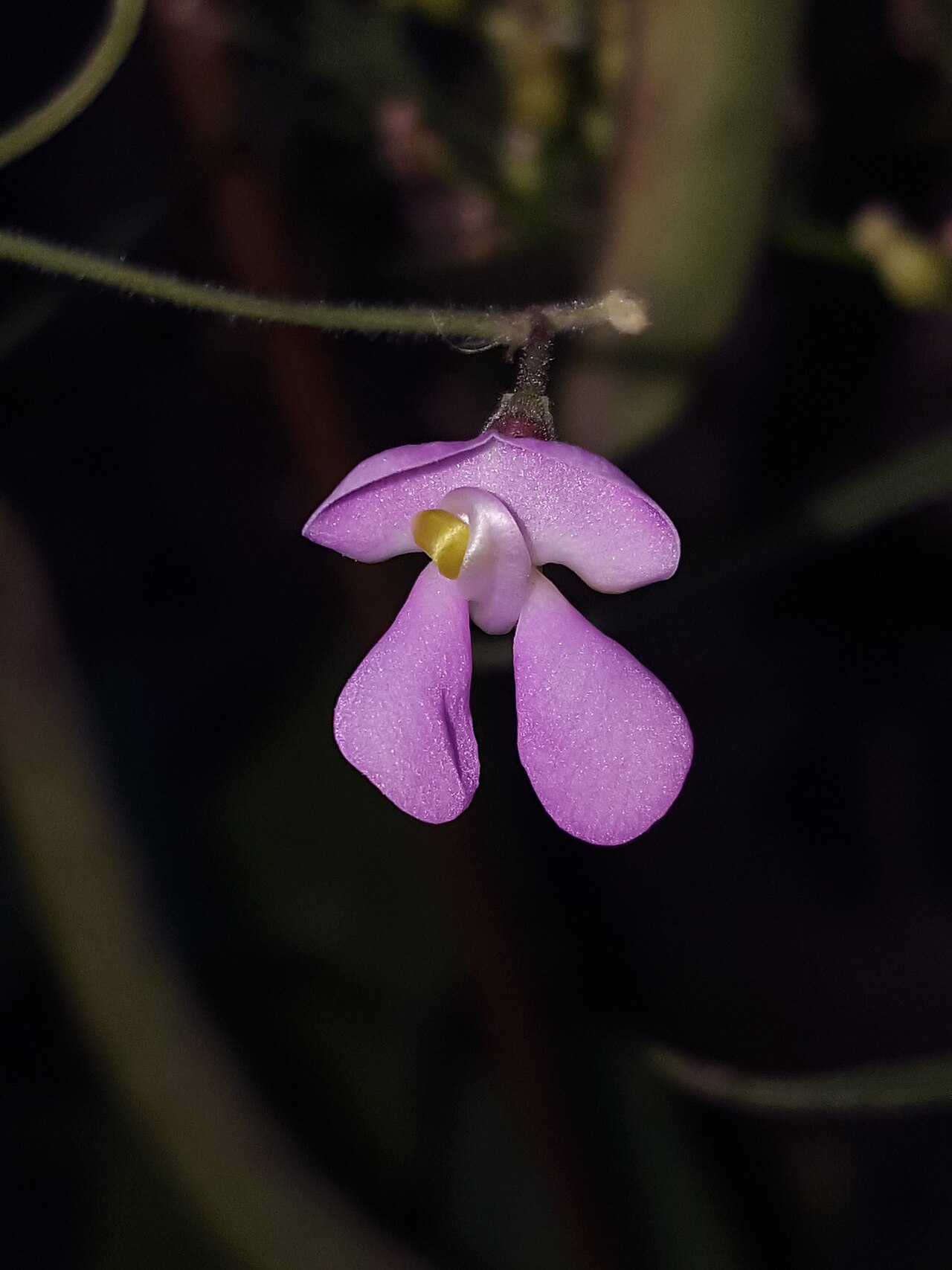
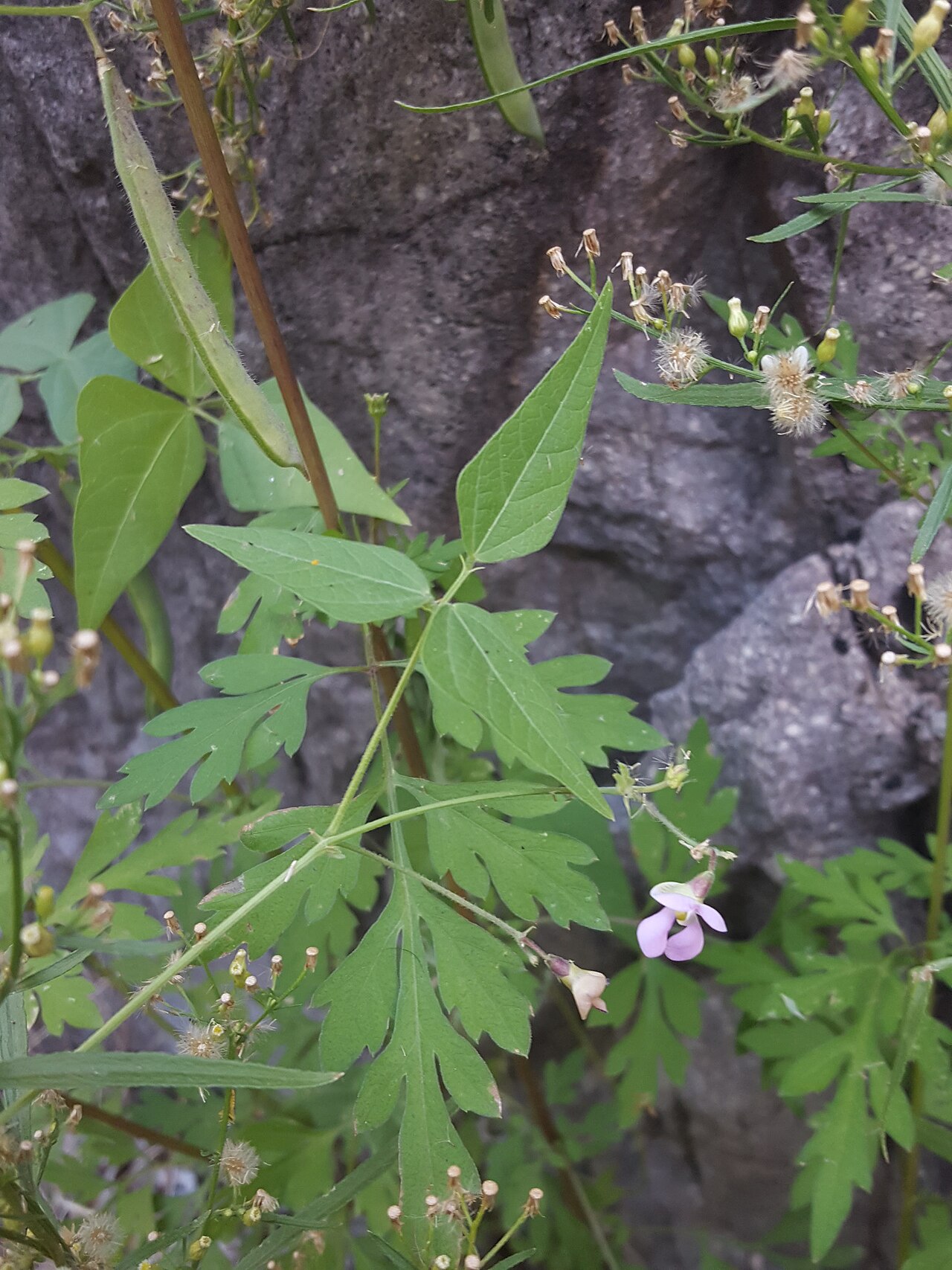
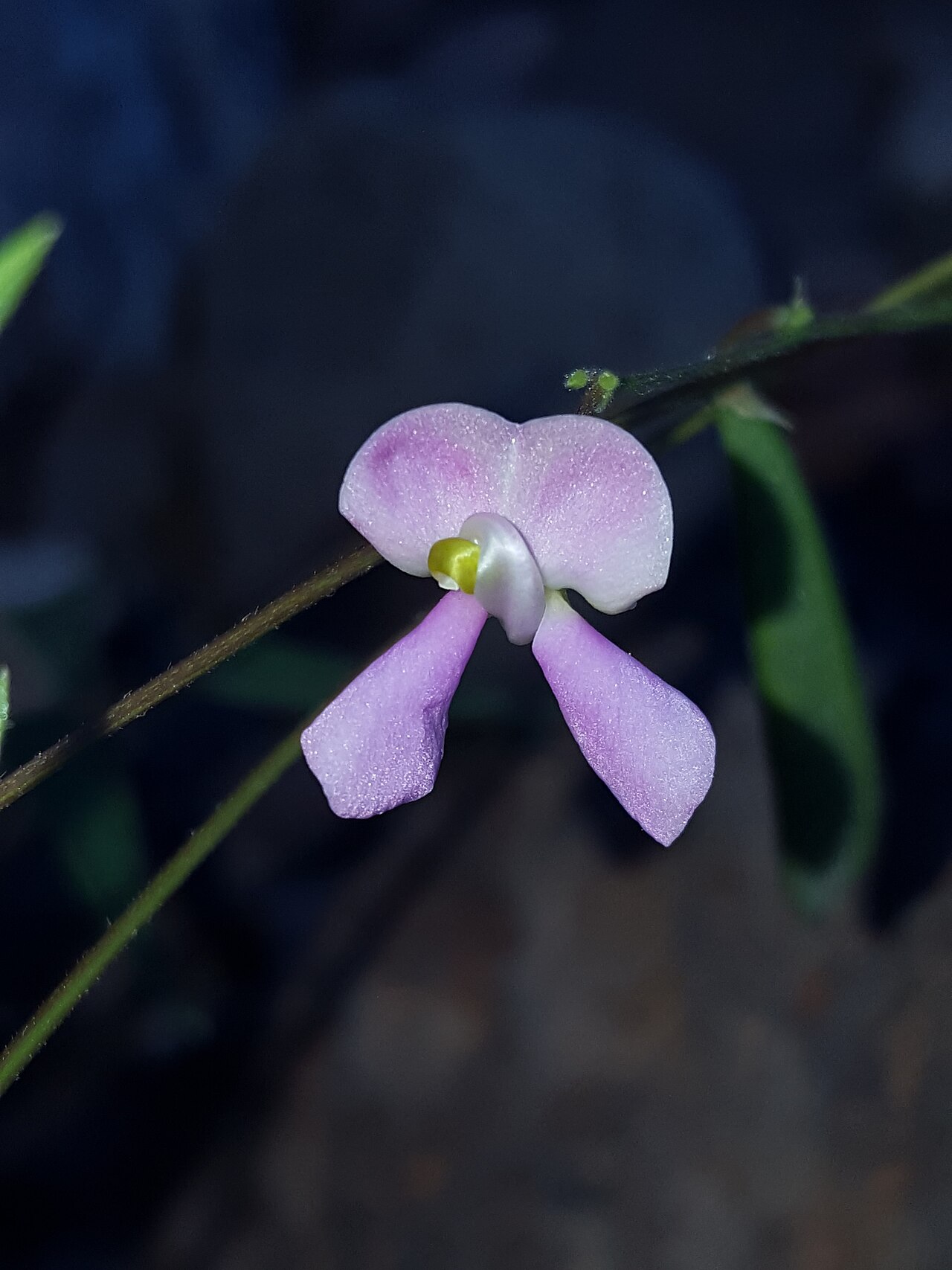
How to grow
Tepary beans are native North American legumes from the Sonoran Desert, grown for small, protein-rich dry beans in white, brown, black, and speckled types. Direct-sow after all danger of frost, when soil is 60–85°F, planting 1–1.5 inches deep. Growth habit varies: bush and semi-bush types stay compact, while vining types climb to 6–10 feet — check your variety and give climbers support. Tepary has a taproot about twice as long as common bean’s, which is how it finds water other beans cannot. It is a short-season, heat-loving crop that grows best in extreme heat and arid conditions, and it is intolerant of shade. Do not overwater: tepary is the bean you plant where other beans give up.
Water & feeding
Water moderately to establish, then water sparingly — tepary tolerates dry conditions once established and rots in wet soil. Stop watering completely as pods mature and dry down. Skip nitrogen fertilizer; tepary fixes its own, and rich, wet soil gives vines instead of beans.
Common problems
- Overwatering — the number one killer; tepary wants desert conditions, not a vegetable-garden soaking.
- Cold soil — wait for warm soil after frost.
- Shade — plants will not tolerate much shade; give full sun.
- Bean beetles and aphids — scout and hand-pick; healthy desert-adapted plants are generally vigorous.
Harvest
Let pods form until beans are hard inside, then let plants die back and pull whole plants to thresh — or dance on plants on a tarp, the traditional low-tech method — and winnow away chaff. Dry beans thoroughly before storing airtight. Soak overnight and cook like any dry bean; tepary beans are notably high in protein and soluble fiber, with a sweet, nutty flavor and a relatively quick cooking time for a dry bean.
Browse all plant & pest guides
Saving seeds
Tepary beans are easy seed — one of the easiest in the whole garden. Let a few pods ripen on the vine until they are dry and brown and the beans rattle inside, then shell them out and dry them thoroughly before storing. No cold treatment, no scarifying, no fuss: sow in warm soil — 70 to 85°F — about an inch deep, and germination usually comes in a week. Cold soil rots the seed, so wait until the soil is truly warm.
Save from the best plants — the most productive, the earliest, the ones that kept bearing through the heat and drought — and let the weak ones go to the compost instead of to seed. A single plant makes dozens of pods, and one pod is enough seed for a whole row next year.
Tepary beans cross with other tepary beans and, rarely, with common beans, so grow only one Phaseolus type for seed at a time if you want it pure. Seed keeps two to three years in a cool, dry jar, and germination stays good if it is kept dry.
In Florida, tepary beans are a summer staple for the hottest, driest garden — they are desert beans, bred by the Tohono O’odham for heat and drought, and they bear when other beans give up. Sow in succession from spring through summer, pick the eating beans young, and let the last planting go to dry pods for seed.
Varieties
Every named variety of Tepary Bean with its own growing guide:
- Blue Speckled Tepary Bean — The speckled desert tepary — tan beans with blue speckles, a running habit, and lavender flowers.
- Sacaton Brown Tepary Bean — The classic brown tepary — also called S’oam bawi, from the Gila River region, and a desert staple.
- S’oam Bawi Tepary Bean — The desert tepary from Menagers Dam — a bush bean that laughs at heat and drought.