
🫘 Sacaton Brown Tepary Bean
What it looks like
Why this variety
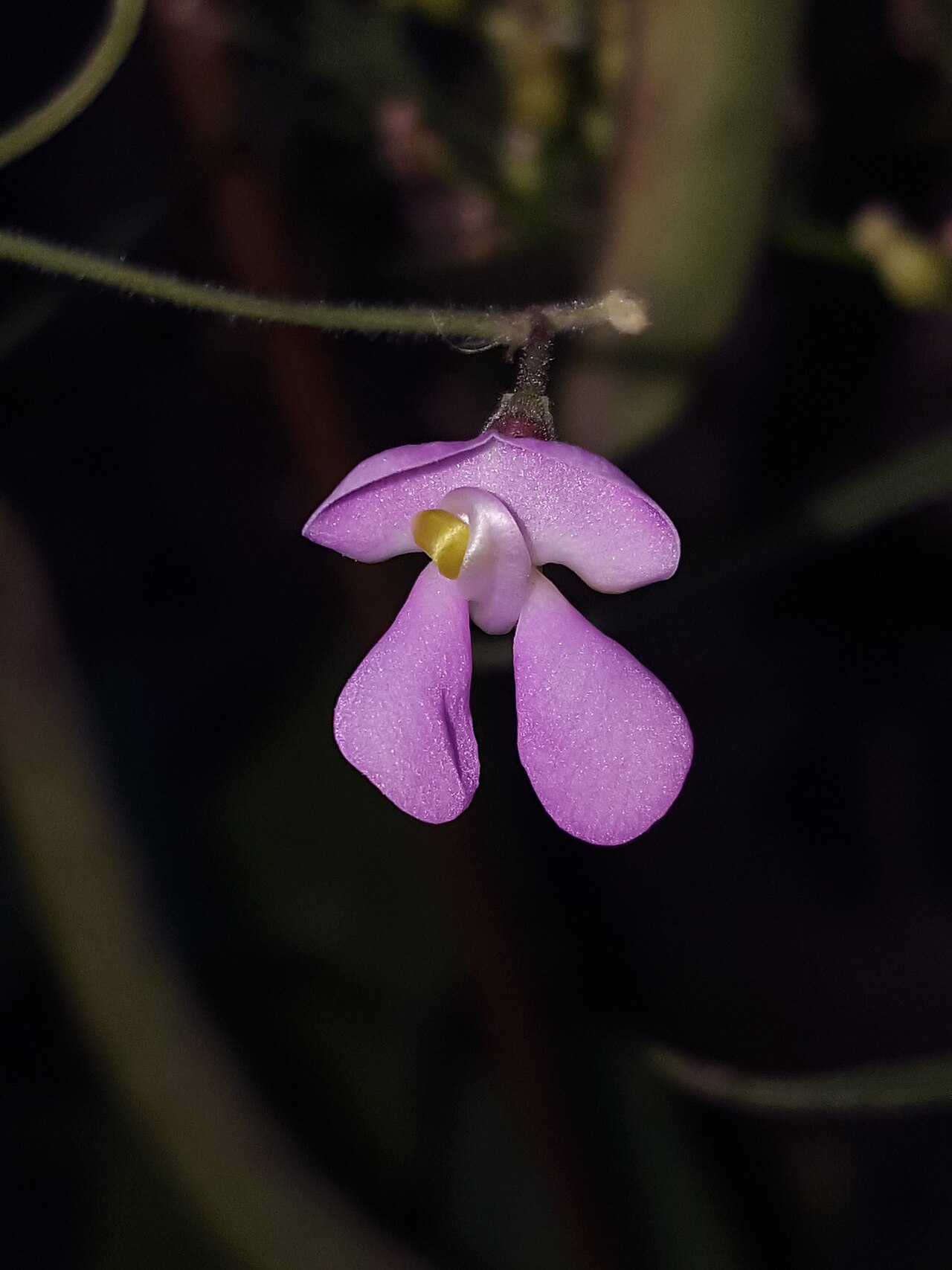
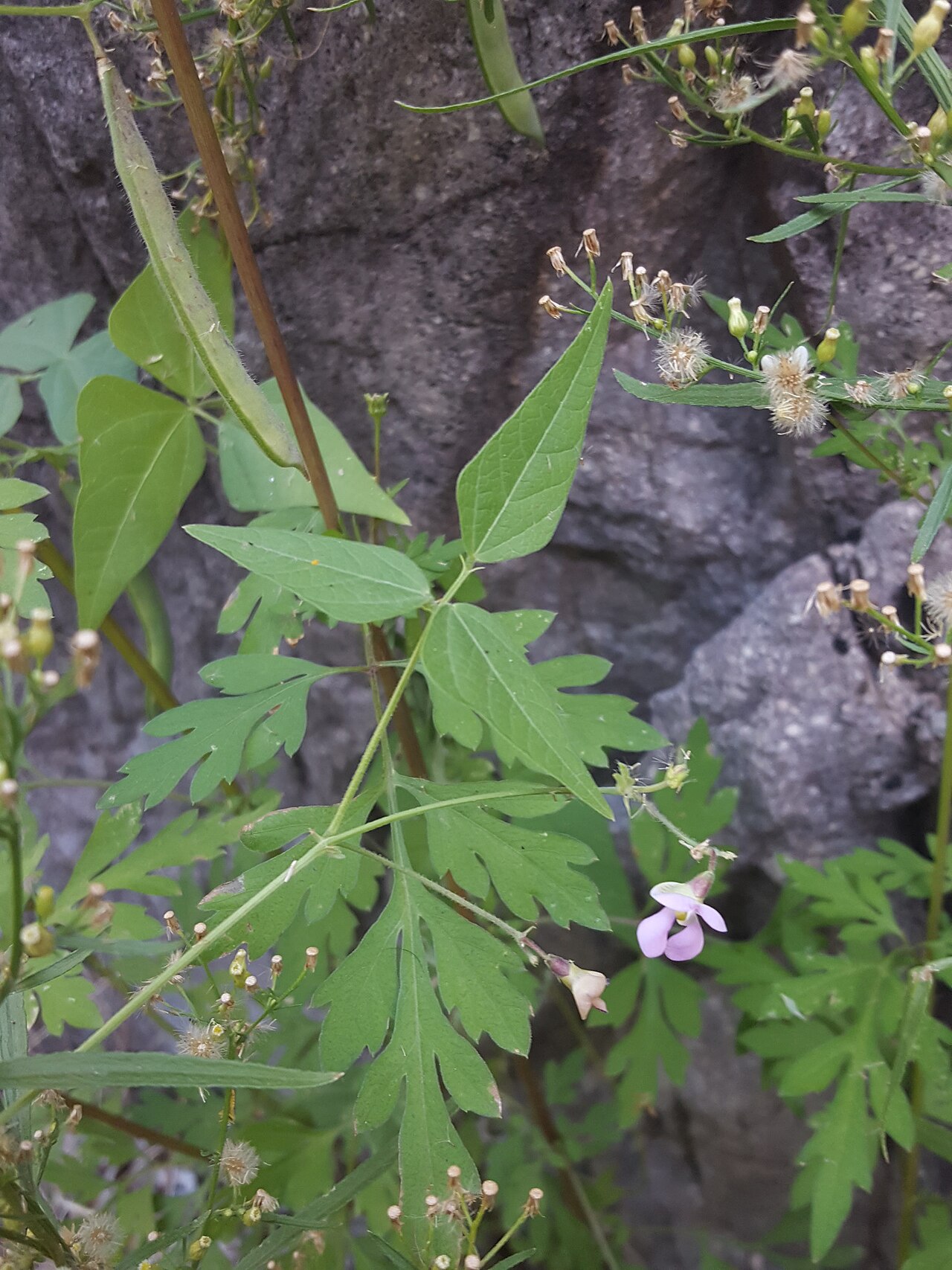
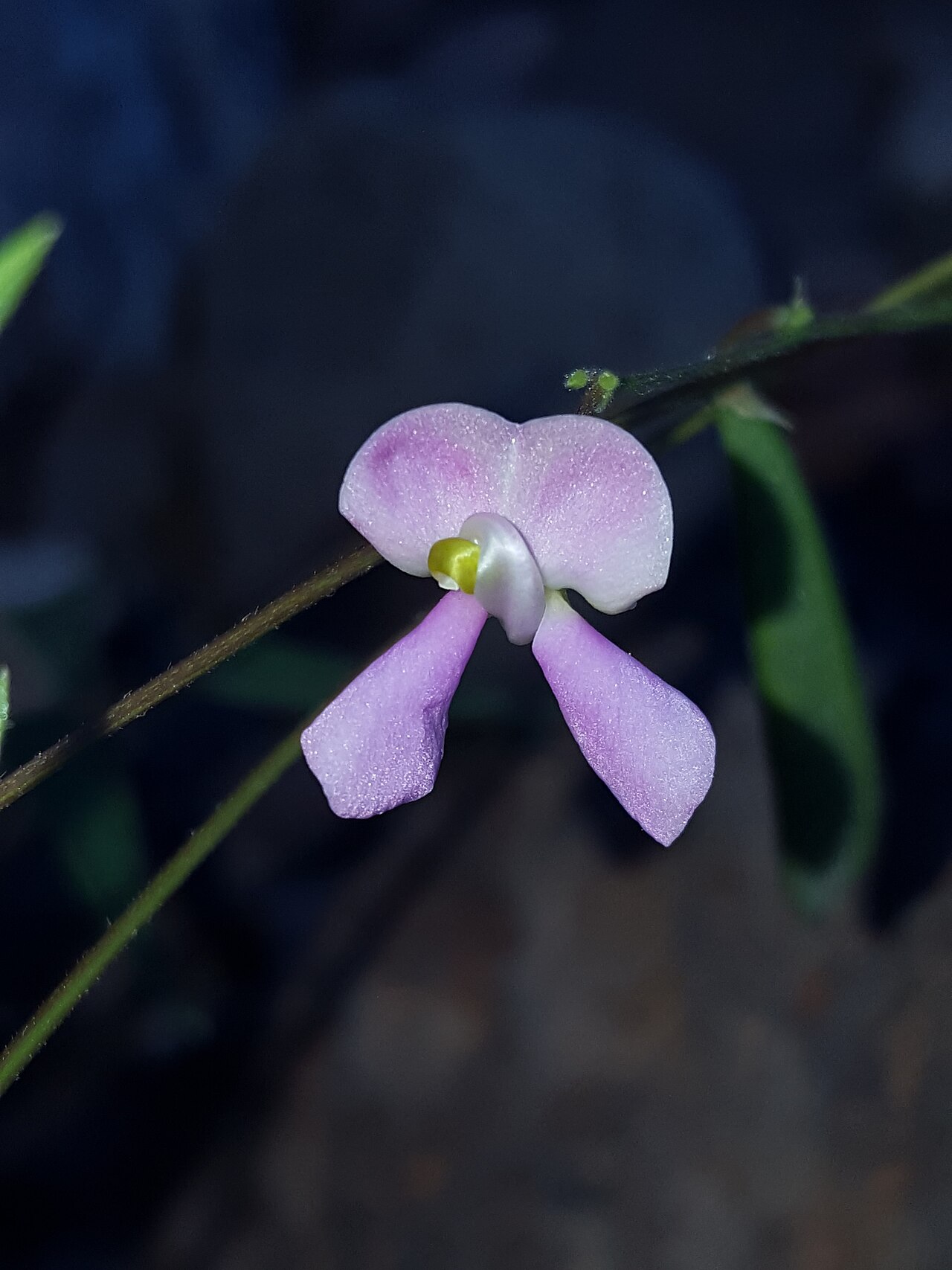
Sacaton Brown is the tepary bean with a place name and a history: also known as S’oam bawi, from the Sacaton area of the Gila River region, it is one of the few tepary varieties available commercially and one of the traditional brown teparies grown by desert peoples for generations. Beans are brown, small, and dense, plants are bushy to sprawling, and the flavor is the classic tepary taste — nutty, savory, and deep, the bean that sustained desert agriculture on monsoon rains alone. Trial growers who plant Sacaton Brown alongside Blue Speckled report it as a little later and a little denser in habit, but just as tough, and just as productive in heat and drought.
The case for Sacaton Brown is tradition and reliability: it is the brown tepary that desert farmers actually grew, not a novelty selection, and its beans cook into the hearty, protein-rich dry bean that made teparies a staple. Brown teparies are also the most widely available tepary type for cooking, sold dried by heirloom bean merchants, which means a gardener who grows Sacaton Brown is growing the same bean that cooks buy in bags — a satisfying loop, from garden to pantry to table, with no translation needed. Grow Sacaton Brown if you want the standard brown tepary, done properly, in the driest corner of your garden.
If you are new to choosing between cultivars, the Varieties Matter guide explains why the name after the plant matters as much as the plant itself. And if you want the whole clan at a glance, the broader Tepary Bean guide covers tepary beans generally.
How to grow
Tepary beans in Florida are a fascinating mismatch: they are the most drought-tough beans on Earth, bred for desert heat and almost no water, and Florida gives them heat plus humidity, which is not the same thing at all. Sow after the soil warms, in the sunniest, best-drained, sandiest bed you have, and — this is the counterintuitive part — do not water them like other beans: teparies want to be dry, and overwatering in humid soil invites the root diseases that kill them here. Give them room to sprawl or a low trellis, harvest dry pods, and treat the whole planting as an experiment in desert agriculture conducted in a swamp: if they thrive, you have grown one of the toughest crops in the world, and if they sulk, they have still taught you something about drainage. Either way, do not plant them in a wet low spot and expect miracles.
Sow after the soil warms, seeds an inch deep and 3 to 6 inches apart in rows 18 to 24 inches apart, in full sun and well-drained, sandy soil — raised beds are ideal in a humid climate, because teparies in a low, wet spot rot. Water at planting and establishment, then water sparingly, only when soil is dry, because overwatering is the main way to kill a tepary in Florida. Do not mulch heavily in a humid bed, and give plants room to sprawl or a low support. Expect dry beans in about 90 days, though tepary maturity ranges from 60 to 120 days depending on variety and weather, so check pods rather than watching the calendar.
Water & feeding
Teparies want far less water than any other bean in this list — often none at all once established, beyond rainfall, and a deep soaking only when the soil is genuinely dry. Work worm castings into the bed at sowing, and resist the urge to pamper them: wet soil is the main killer of teparies in humid climates, far ahead of any pest. Water at soil level, never overhead, mulch lightly or not at all in a humid bed, and let pods dry on the plant before harvest. If your garden is irrigated daily for other crops, give teparies their own dry corner, because a bean bred for desert monsoons does not want a sprinkler schedule.
Common problems
Wet soil and root rot are the main threats, handled by drainage, raised beds, and watering restraint, not by fungicides. Pests are few — teparies are notably resistant compared with common beans — though bean beetles may visit. Humidity is the secondary threat: dense, matted plants in humid air invite mold, so give Sacaton Brown room and air, and harvest promptly once pods dry. Heat, drought, and poor soil are not threats at all — they are the conditions teparies were bred for, and a Sacaton Brown plant in hot, dry, sandy soil is a happy plant.
Harvest
Harvest when pods are dry and brittle, about 90 days after sowing, thresh, winnow, and store airtight and cool for a year or more. Soak overnight, simmer until tender, and use in soups, stews, and bean dishes where a dense, nutty bean holds its shape. Save seed from healthy plants; Sacaton Brown is self-pollinating and comes true, and dry seed stores for two to three years.
Nerdy fact: Sacaton Brown’s other name, S’oam bawi, is a reminder that tepary varieties carry Indigenous names and histories, not just seed-catalog descriptions — growing it is a small act of keeping a desert food tradition alive, in a garden that may be anything but a desert.
Saving seeds
Sacaton Brown is the tepary bean with a place name and a history: also known as S’oam bawi, from the Sacaton area of the Gila River region, it is one of the few tepary varieties available commercially and one of the traditional brown teparies grown by desert peoples for generations. Beans are brown, small, and dense, plants are bushy to sprawling, and the flavor is the classic tepary taste — nutty, savory, and deep, the bean that sustained desert agriculture on monsoon rains alone. As an open-pollinated tepary bean it comes true from seed — a traditional landrace selection, not a hybrid: sow after the soil warms, in the sunniest, best-drained, sandiest bed you have, and — this is the counterintuitive part — do not water them like other beans: teparies want to be dry, and overwatering in humid soil invites the root diseases that kill them here. The full method is in the Saving seeds section of the Tepary Bean guide.