
🥬 Wasabina Mustard Greens
What it looks like
Why this variety
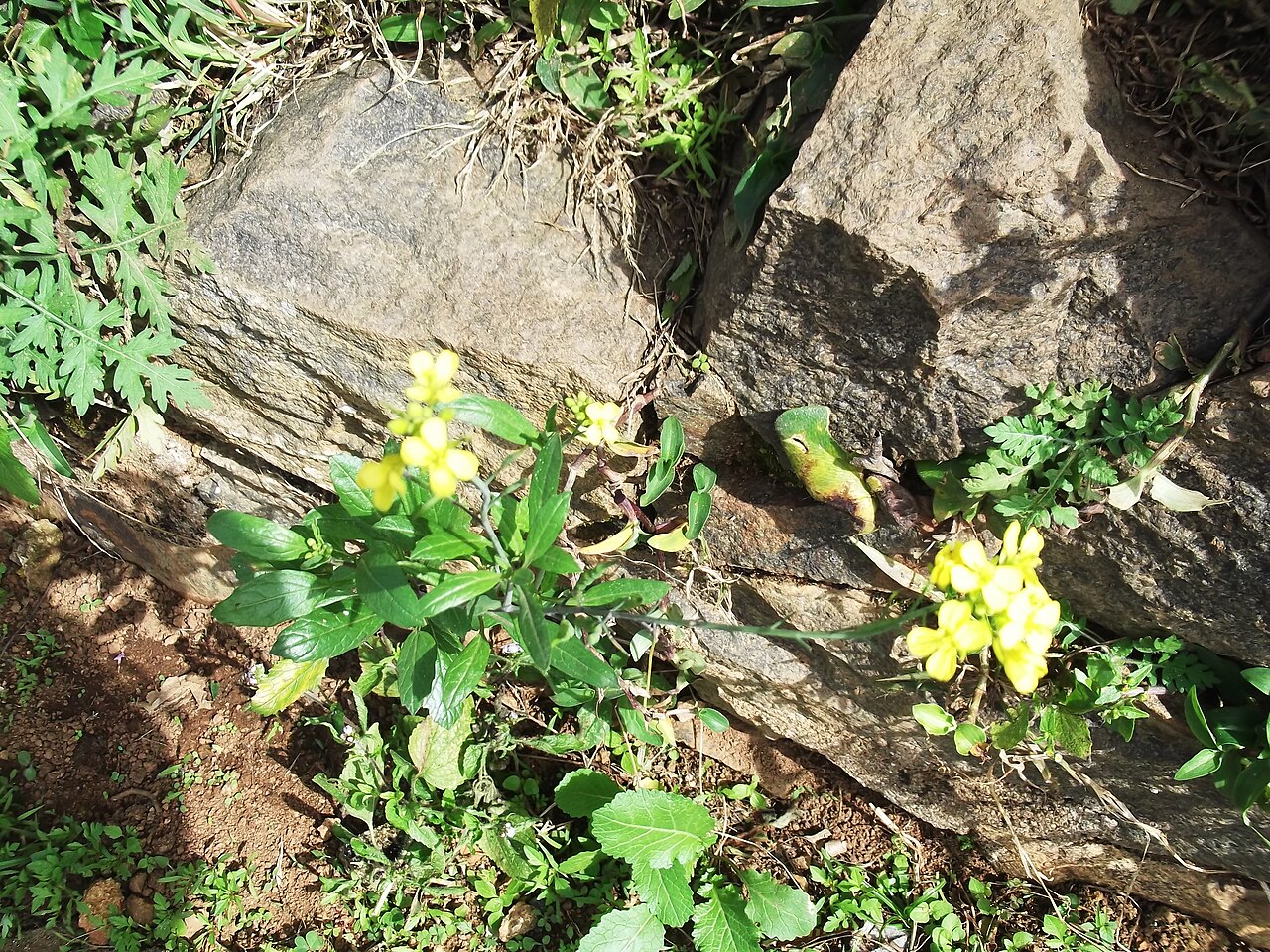
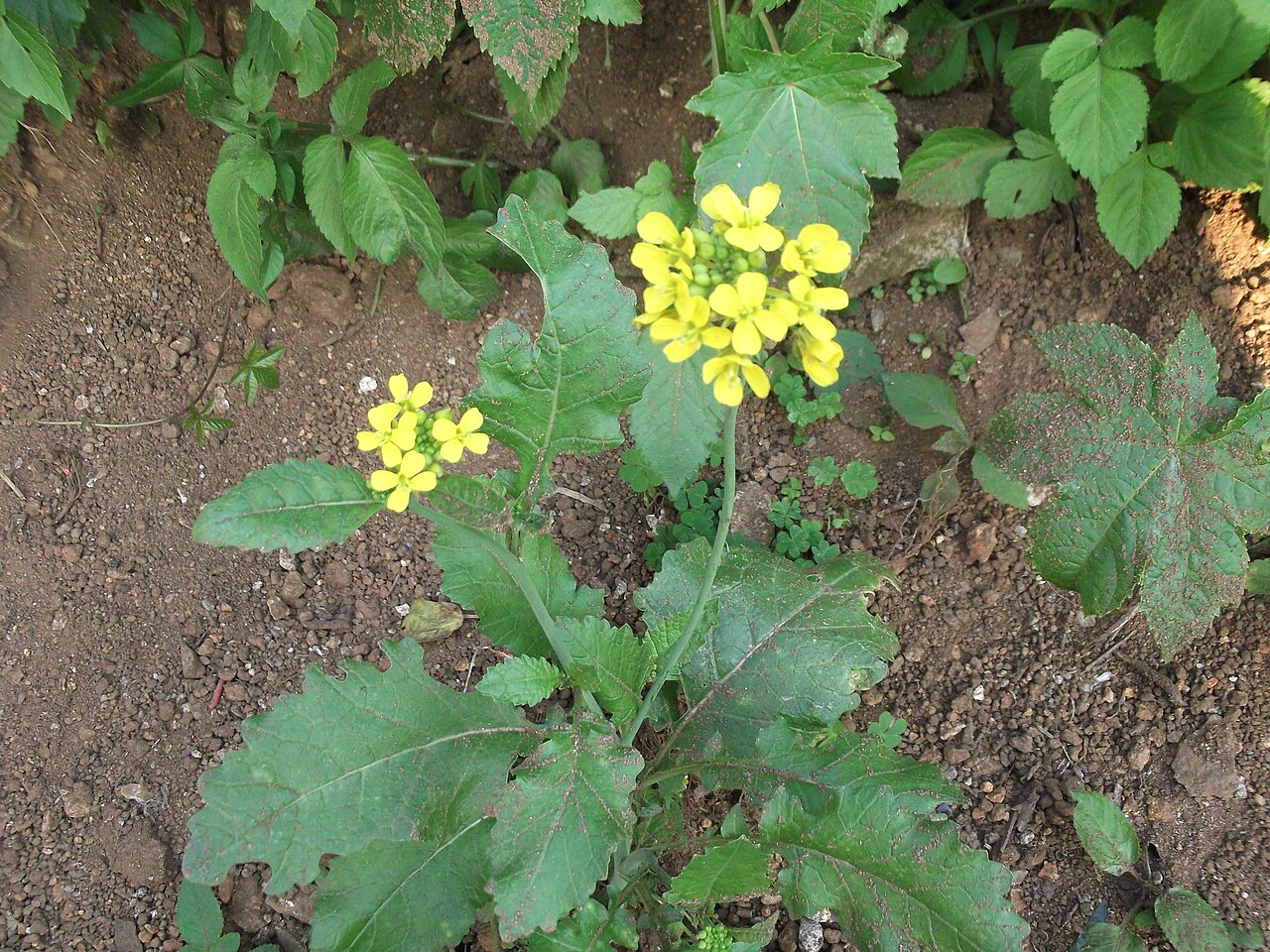
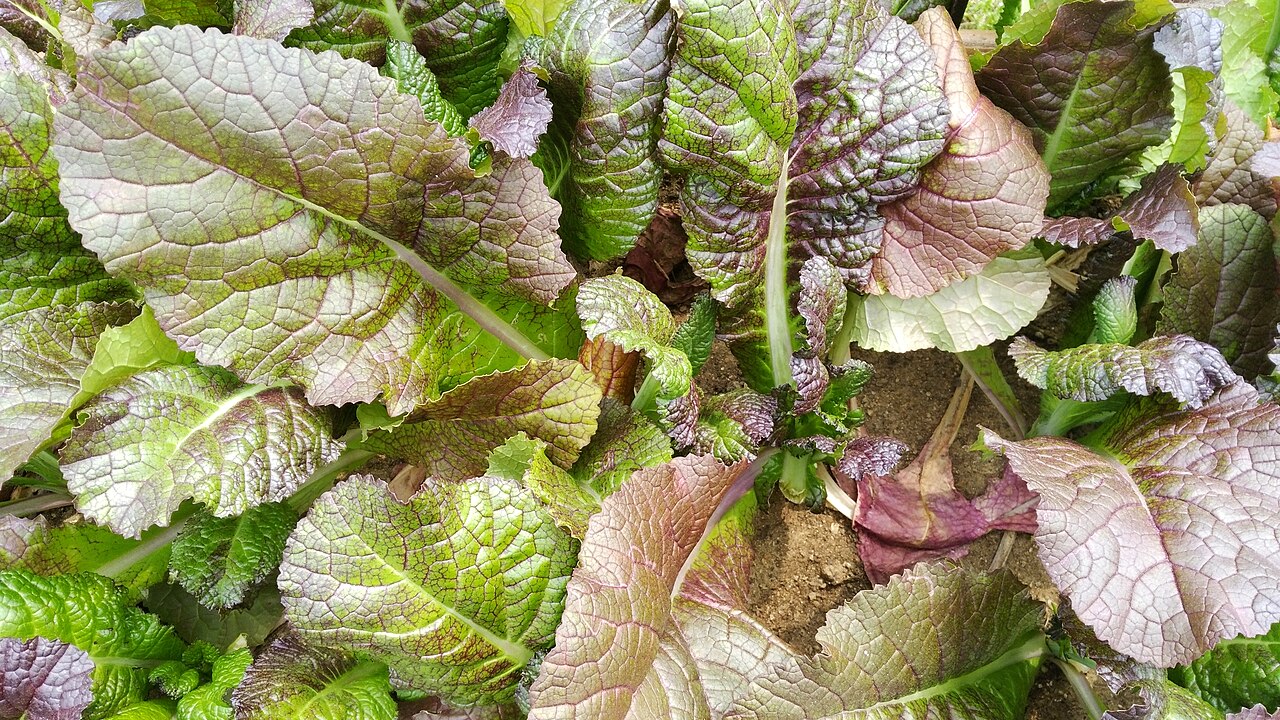
Wasabina is a classic Asian mustard with an uncanny resemblance to wasabi: shocking chartreuse leaves with frilled edges and a pleasantly pungent flavor that delivers an unmistakable nose tingle. It is not related to true wasabi at all — the bite comes from the same family of mustard oils that give all brassicas their heat — but the effect is close enough that the name stuck, and the flavor is the reason to grow it. This is a salad green with opinions.
Wasabina is also slow to bolt in higher temperatures for a mustard, and fairly frost-resistant, which stretches its season in both directions in Florida. Seed listings put full maturity at 40-45 days, with baby leaves harvestable much sooner, and plants reaching 12-18 inches at full size. It is a cut-and-come-again green: pick outer leaves and the rosette keeps producing, which makes one planting last for weeks.
How to grow
Direct-sow or start indoors about 3 weeks before transplanting, and sow in fall through spring in Florida — September through March is the sensible window, with winter as the sweet spot. Mustard greens are famously fast and famously impatient: they bolt when heat and long days arrive, so a fall planting that matures in cool weather gives the best leaves, while a spring planting is a race against summer.
Sow shallow, keep the seedbed evenly moist for the 7-10 day germination, and thin to 10-12 inches for full plants or leave closer for baby leaf. Work compost and castings in at planting, mulch lightly, and succession-sow every 2-3 weeks for a continuous supply. A mustard bed that is sown once and forgotten is a mustard bed that bolts all at once.
Water & feeding
Mustard greens need steady moisture, about an inch a week; drought makes leaves tough and extra-hot, while steady water keeps them tender. Feed at planting with castings and compost; mustards are light feeders compared to broccoli, and overfeeding nitrogen makes rank, floppy leaves.
Common problems
- Bolting — flower stalks from heat or long days; plant for fall-through-spring harvest and succession-sow.
- Flea beetles — tiny shot-holes in leaves; use row cover on young plants.
- Aphids — clusters on undersides; blast with water.
- Downy mildew in humid weather — space for airflow and water at the base, not overhead.
Harvest
Pick baby leaves from about 3 inches tall, or cut outer leaves for cut-and-come-again harvest, or cut the whole rosette at full maturity, 40-45 days, at 12-18 inches tall. Morning picking gives the crispest leaves; wash well, because frilled leaves hide grit and aphids with equal enthusiasm.
Browse all plant & pest guides
Saving seeds
Wasabina is a classic Asian mustard with an uncanny resemblance to wasabi: shocking chartreuse leaves with frilled edges and a pleasantly pungent flavor that delivers an unmistakable nose tingle — not related to true wasabi at all, the bite comes from the same family of mustard oils that give all brassicas their heat. It is an open-pollinated variety — Johnny’s lists Wasabina with “Hybrid Status: Open Pollinated” — so seed saved from it comes true to Wasabina. Mustards are insect-pollinated and cross readily with other Brassica juncea types, so let a few plants bolt and set seed in isolation from other flowering mustards, and follow the mustard greens guide for collecting and storing it. The full method is in the Saving seeds section of the Mustard Greens guide.