
🌿 GC-4 Cumin
What it looks like
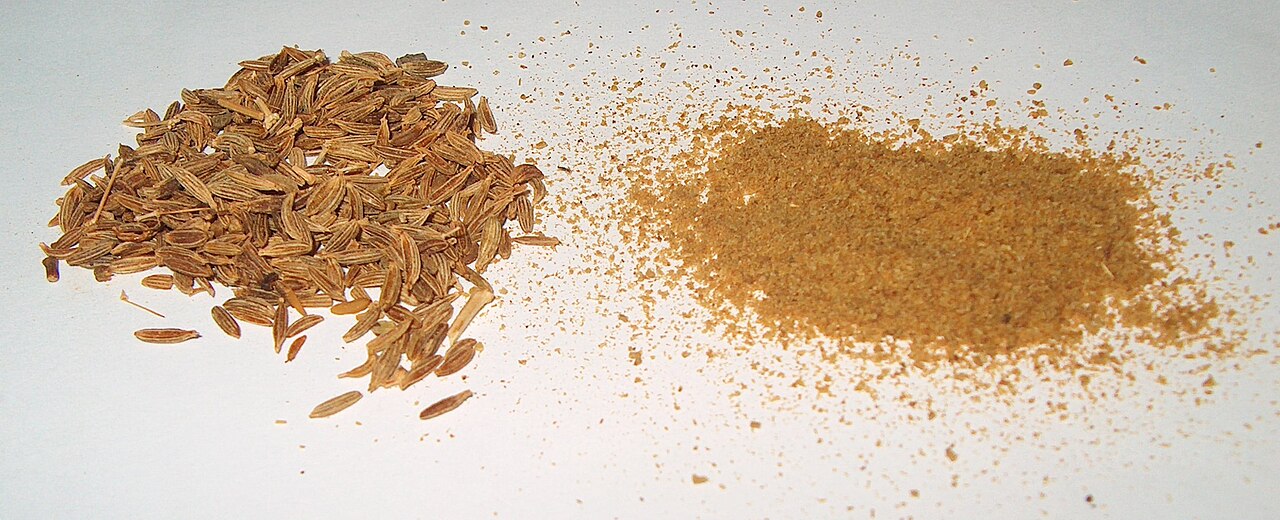
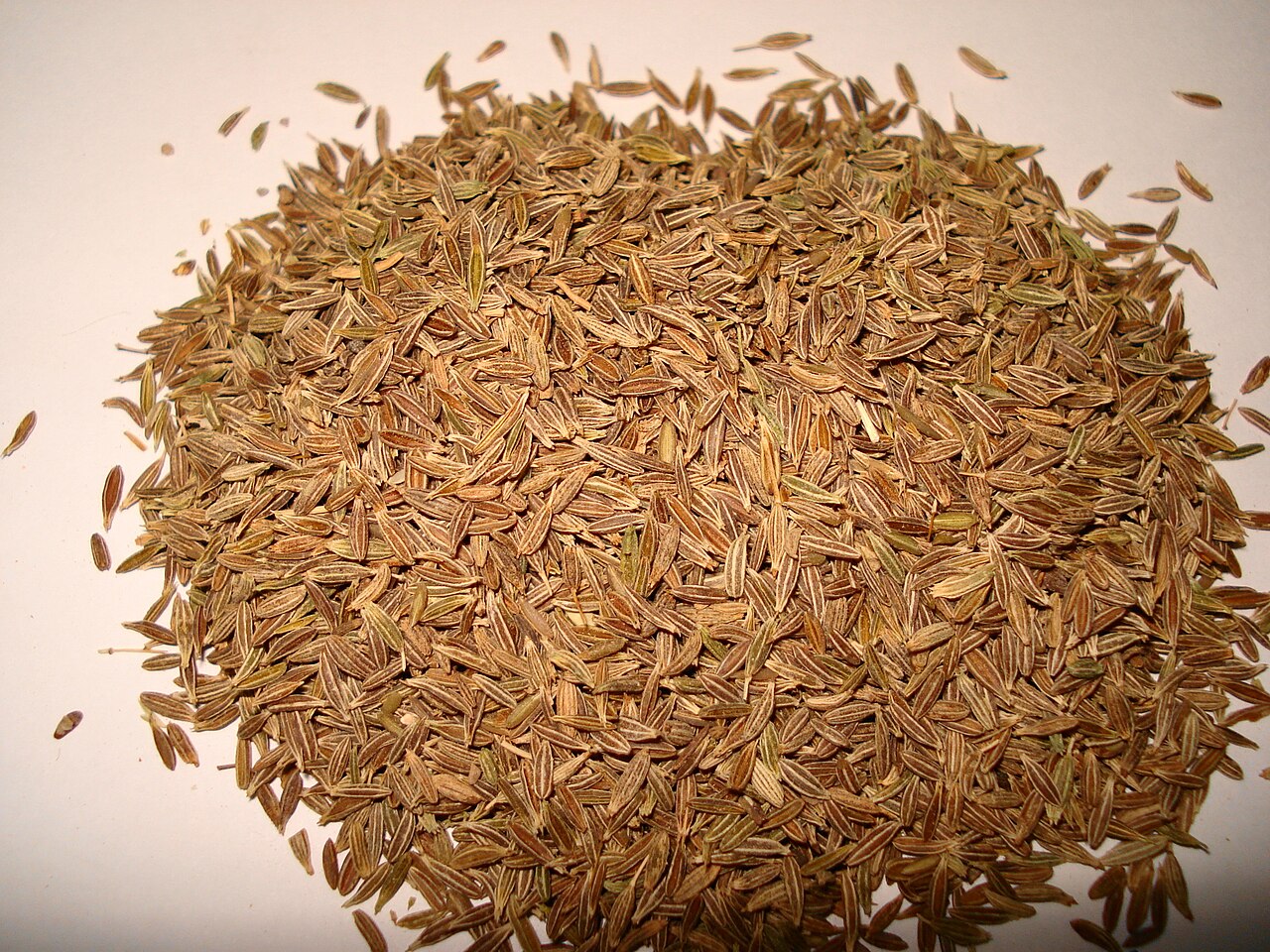
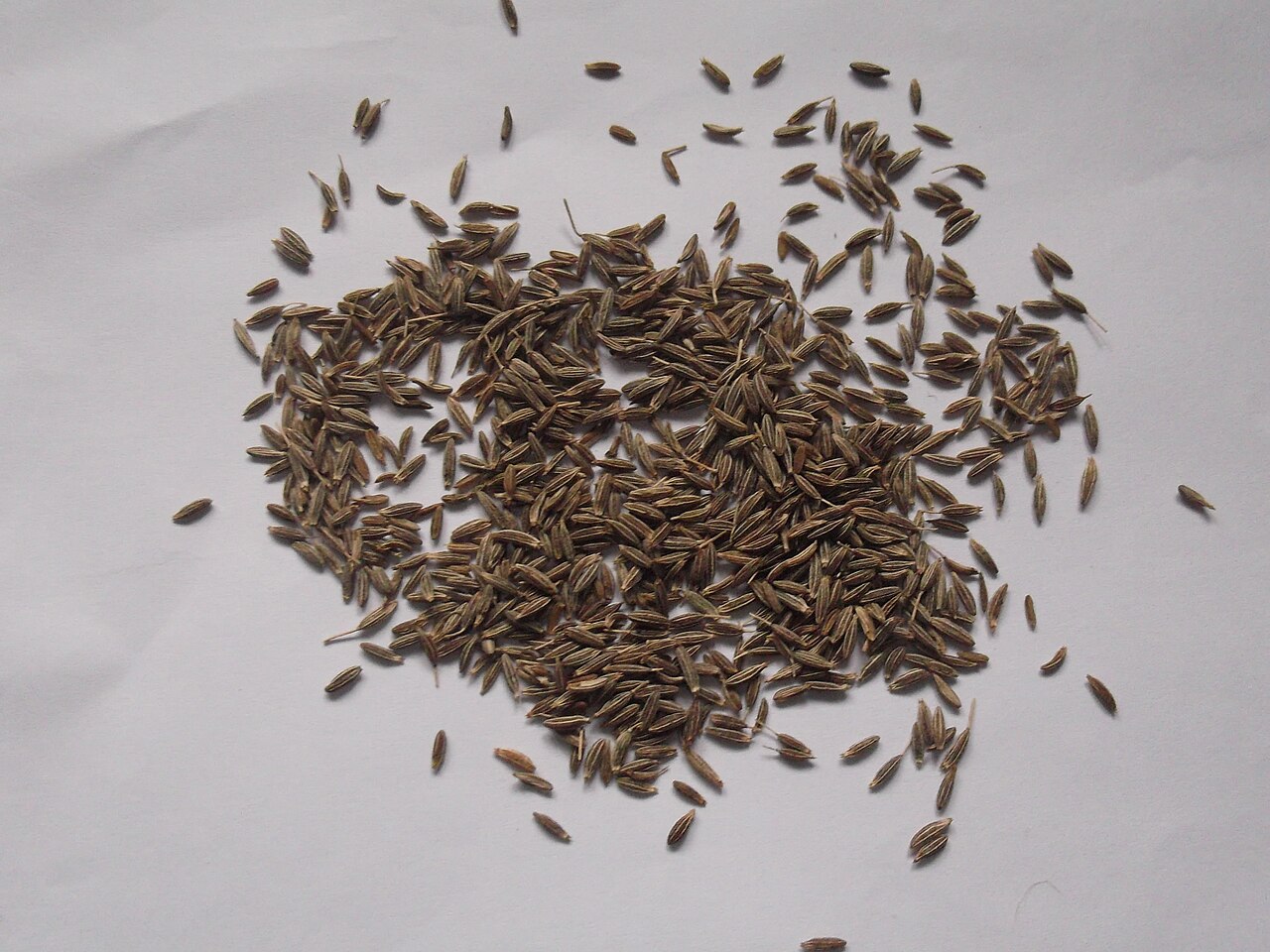
Photos show the species, since no cultivar-specific photo verified for this variety — the species photos above are already hosted on this site and attributed as on the species guide.
Why this variety
GC-4 — Gujarat Cumin 4 — is the variety Indian cumin literature calls a game-changer, and the reason is blunt: it resists Fusarium wilt, the soil disease that has ended more cumin crops than any other single cause, while averaging about 8.75 quintals per hectare in Indian trials. That combination of resistance plus yield is why it became one of the most popular cumin varieties in its home region.
In Florida, GC-4’s wilt resistance is genuinely relevant — warm soils and Fusarium are old friends here — but resistance is not immunity, and it does not fix wet feet or humid ripening weather. Plant GC-4 as your best-defended cumin trial, in the driest bed, in fall, and judge it on whether it finishes seed before the summer rains, not on whether it survives a swamp.
How to grow
Direct-sow where it will grow, shallowly, in a well-drained bed at the hero spacing. Cumin is a rabi-season crop in its home country — sown in the cool, dry winter and ripened in dry heat — so in Florida the honest window is a fall sowing that grows through the dry season and ripens before the summer rains arrive.
Give cumin the driest, sunniest, best-drained bed you have, ideally a raised bed that never puddles. Cumin’s great enemy in Florida is not cold but wet: humidity and rain on ripening seed bring blight and mold, and a plant that stands in water will wilt from Fusarium whether or not its variety resists it. Drainage is the variety trial you control.
Water & feeding
Water sparingly and at the base. Cumin is a dryland crop: steady light moisture while plants establish, then back off as seed ripens. Overwatering is the fastest way to lose a Florida cumin crop, and mulch should be light and airy, not a wet blanket.
Feed lightly: compost at planting is usually enough. Cumin is not a heavy feeder, and excess nitrogen grows soft, disease-prone foliage in humid air. If the bed grew a legume before cumin, that is a bonus, not a problem.
Common problems
- Fusarium wilt — the classic cumin killer; wilt-resistant varieties help, but drainage and rotation help more
- Blight and powdery mildew — humidity diseases; space for airflow, water at the base, and ripen seed in dry weather
- Aphids — cluster on flower heads and young seed; blast off with water
- Shattering — seed falls if you wait too long; harvest when umbels brown and seed feels firm
Harvest
Harvest when plants yellow and umbels turn brown and seed feels firm — about 120 days from sowing. Cut whole plants, dry them in a warm, airy spot out of rain, then thresh and winnow the seed.
Use GC-4 seed toasted: dry-roast in a skillet until fragrant, then grind for chili, curry, and taco seasoning, or leave whole for tempering in hot oil. Homegrown cumin, toasted fresh, will ruin store-bought ground cumin for you permanently, and that is a risk worth taking.
Browse all plant & pest guides
Saving seeds
GC-4 is a public-bred Gujarat selection — a selection from GC-3, not a hybrid — so saved seed comes true; let the seed ripen dry in the fall-sown window and harvest before the summer rains. The full method is in the Saving seeds section of the Cumin guide.