
🌿 Cumin
What it looks like
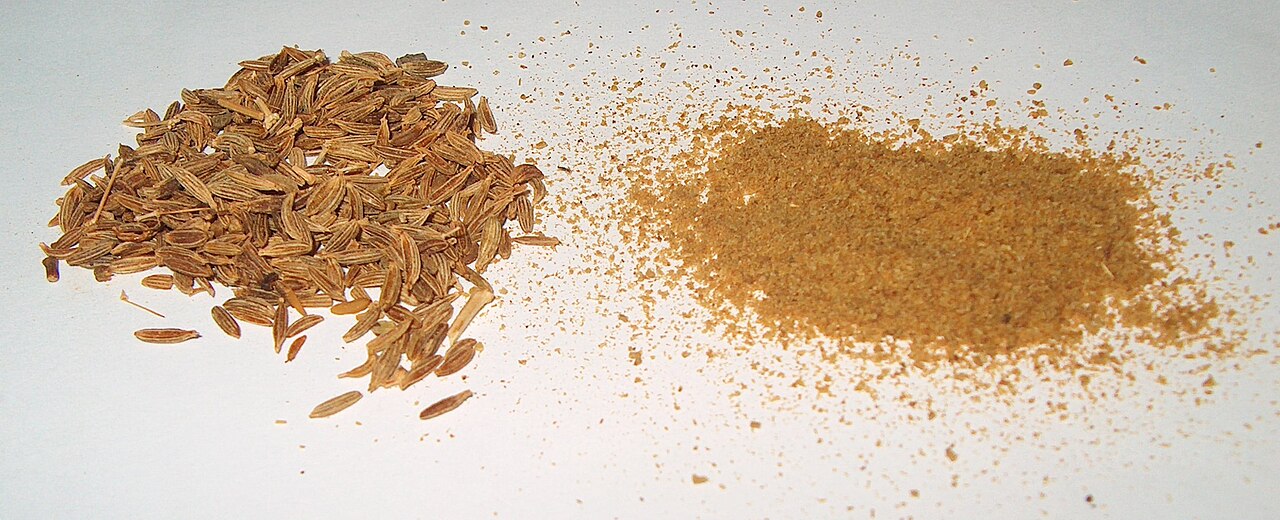
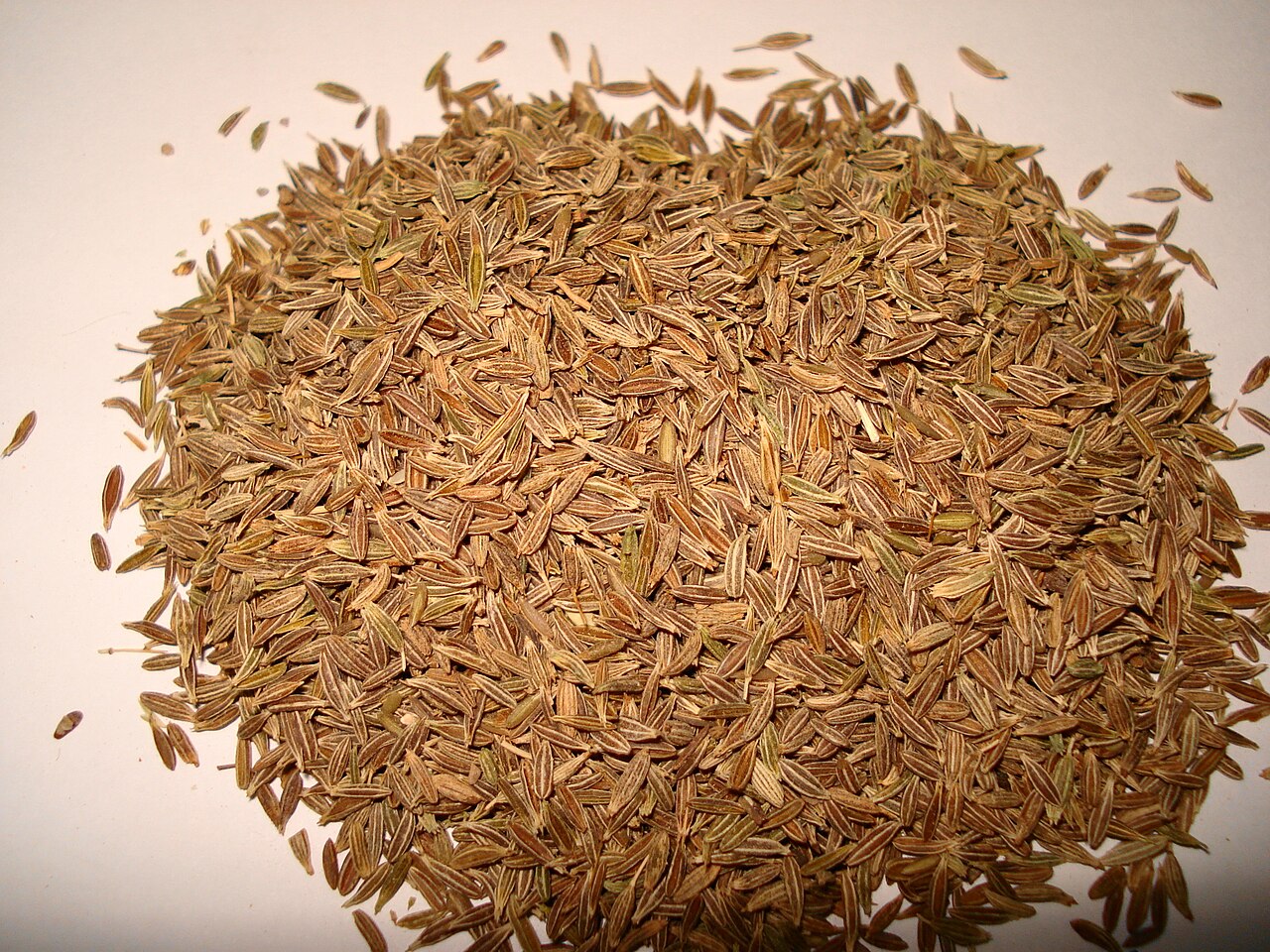
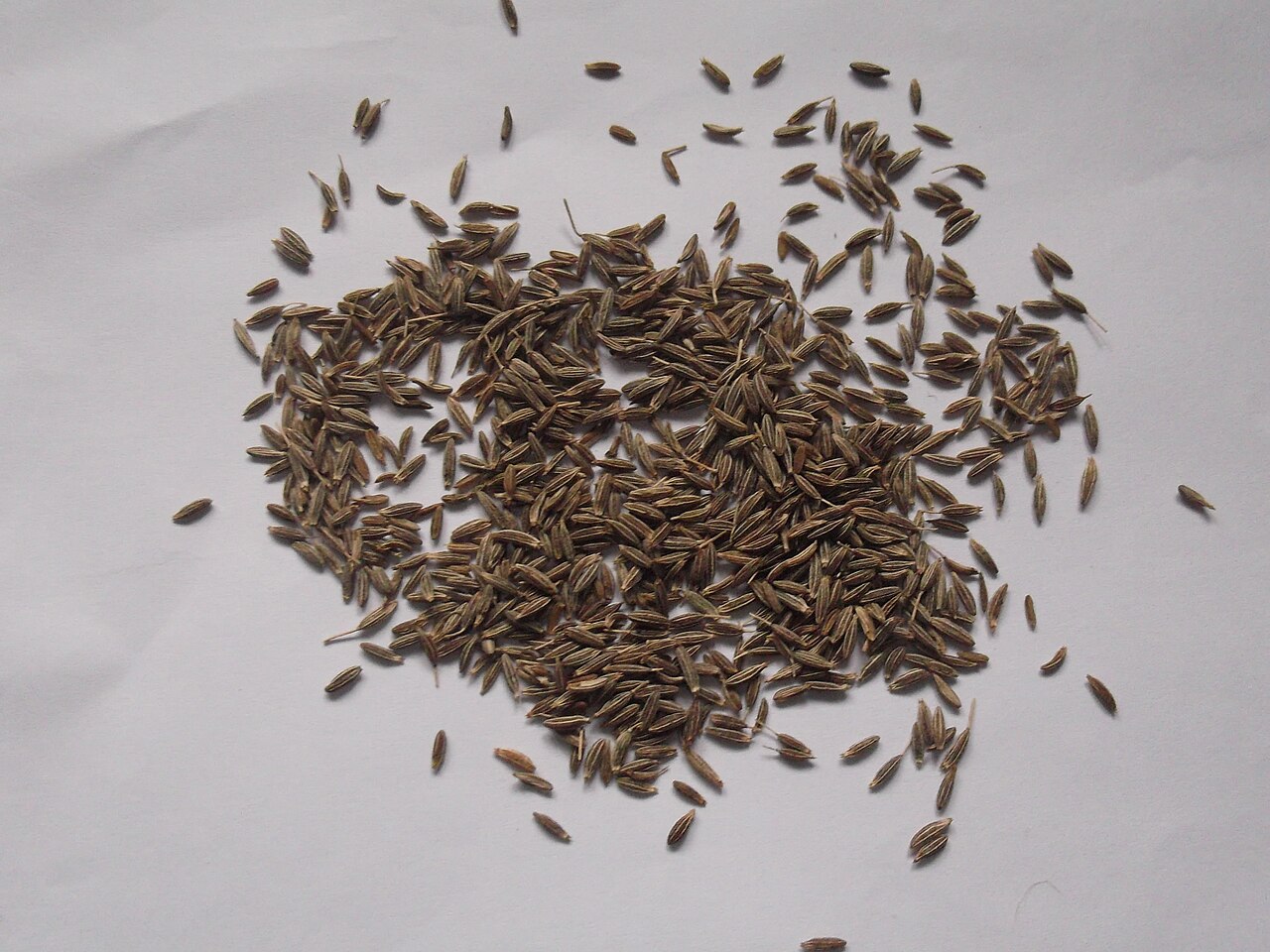
How to grow
Cumin is an annual carrot-family herb grown for its warm, earthy seeds, essential to Indian, Mexican, Middle Eastern, and North African cooking. It is a heat-lover: cumin needs a long, hot summer to flower and ripen seed, which makes it a natural fit for the Southwest, Texas, and Florida, and a challenge in short, cool northern summers. Direct-sow after frost danger when soil is warm — cumin resents transplanting — sowing seeds a quarter inch deep in full sun and well-drained, even sandy soil. In northern zones, start seeds indoors 4-6 weeks before last frost in biodegradable pots and transplant carefully, or choose the hottest microclimate in your garden. Plants are small (about a foot tall) with feathery foliage and pink-white flower clusters, and they need little attention beyond water and sun. Do not confuse cumin with black cumin (Nigella sativa, a different plant) or with cumin's relatives caraway and fennel — all are carrot-family seed spices, but their flavors are distinct. In Florida, cumin is listed among the summer-heat-tolerant herbs by UF/IFAS Extension, and it performs well planted for the warm season.
Water & feeding
Keep soil evenly moist but not soggy, about an inch a week; drought during flowering reduces seed set. Cumin is a light feeder — worm castings at planting is plenty. It tolerates poor soil better than rich soil, which can make plants leafy at the expense of seed.
Common problems
- Cool summers failing to ripen seed — start indoors in biodegradable pots in northern zones and site in the hottest available spot.
- Damping off in cold, wet soil — wait until soil is warm before sowing.
- Aphids on flower heads — blast with water; beneficial insects usually follow.
- Weed competition — cumin seedlings are small and slow; keep the bed weeded early.
Harvest
Harvest leaves sparingly if desired, but the crop is seed: wait until plants turn brown and seeds darken, then cut whole plants, dry them in paper bags, and thresh out the seeds. Dry thoroughly before storing airtight. Toast seeds in a dry pan until fragrant, then grind — freshly toasted and ground cumin is dramatically more flavorful than pre-ground, which is why cooks who grow their own rarely go back.
Browse all plant & pest guides
Saving seeds
Cumin is a seed-saving plant with a built-in identity crisis, because the thing you save, cook with, and sow are all the same object, and it is not technically a seed at all. Cumin is Cuminum cyminum, a carrot-family annual, and each aromatic little boat-shaped piece is a dried fruit containing a single seed. Gardeners call it seed, cooks call it seed, and seed packets call it seed, so this guide will too, but knowing it is a fruit explains why it behaves the way it does: it ripens on an umbel, it dries on the plant, and when it is ready it would very much like to fall off and get on with its life. Your job is to catch it at the moment between ripe and gone.
That moment arrives when the plant starts to look finished: the foliage turns yellow-brown, the umbels turn tan, and the little fruits feel hard and come away easily when rubbed. Cumin needs a long, hot season to get here, roughly a hundred days or more, which is why it suits Florida and the Southwest and sulks in short, cool summers; a plant that never fully ripens gives you seed that never fully germinates, so do not try to rescue an unripe crop by picking early and hoping. Watch the patch daily once the umbels start to brown, because the window between ripe and shattered can be short on a hot, dry afternoon. Cut whole plants or whole umbels on a dry morning, and drop them straight into a paper bag or hang them upside down inside a paper bag in a dry, airy place. The bag is doing two jobs: it finishes drying the seed, and it catches the seed that shatters during drying, which is otherwise lost to the soil and your pride. Never use a plastic bag for this stage; in Florida humidity, a plastic bag over drying umbels is a mould incubator.
Once the umbels are crisp and dry, threshing is the pleasant part. Rub the heads between your hands over a tray, or shake the bag hard, and the fruits will fall free. Winnow away the chaff by pouring the seed slowly from one container to another in a light breeze, or pick out the larger bits by hand; cumin seed is small but not dust, so cleaning it is fiddly rather than impossible. Spread the cleaned seed in a thin layer for several more days in a dry, airy spot until it is thoroughly dry. The old snap test applies here: a fully dry fruit breaks cleanly when bent, rather than flexing. Then store it in an airtight jar with a desiccant packet, labelled with the variety and year, in a cool, dark place.
Cumin seed keeps its flavour for a good while in the pantry, but flavour and germination are not the same clock. Sources put planting viability at up to about two years, with the best germination from fresh seed, and carrot-family seed in general loses vigour with age, so sow saved seed the following season for the strongest stand and keep older packets for the spice jar rather than the seed bed. Will saved seed grow true? Mostly, with the usual carrot-family caveat. Cumin is insect-pollinated and can cross with other cumin types flowering nearby, so a garden growing a single variety, or varieties kept well apart, will give seed that comes up true, while a garden growing several cumin types cheek by jowl may produce a mixed generation. For seed you can rely on, grow one variety for seed, or cage a few plants in fine mesh and shake the flowers daily to move pollen within the cage. Do not rely on grocery-store spice seed for planting: it may have been heat-treated, and even when it sprouts, germination is patchy and the variety is unknown.
Varieties
Every named variety of Cumin with its own growing guide:
- GC-4 Cumin — The wilt-fighting workhorse: Gujarat Cumin 4, the Fusarium-resistant variety behind a step-change in Indian cumin yields.
- GC-5 Cumin — The early one: Gujarat Cumin 5 finishes in about 92 days, the shortest fuse in the Gujarat cumin lineup — and earliness is everything in Florida.
- RZ-19 Cumin — The bold-seeded Rajasthan classic: erect plants, pink flowers, and big, handsome seed in 120 to 140 days.
- RZ-223 Cumin — The wilt-resistant mid-season type: RZ-223 pairs disease resistance with about 3.23 percent essential oil in 120 to 130 days.