
🌿 GC-5 Cumin
What it looks like
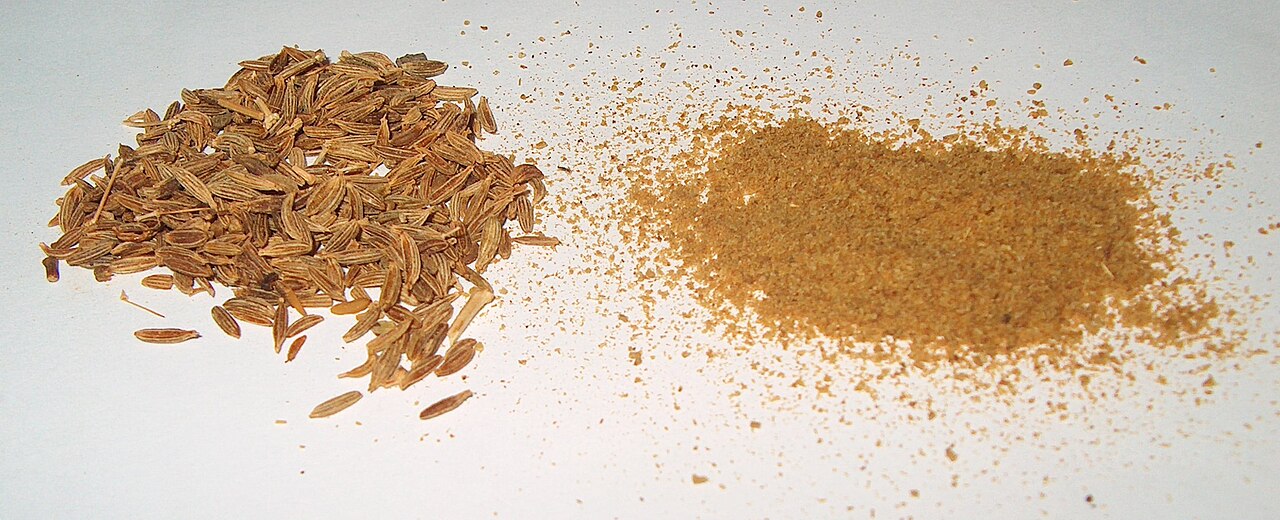
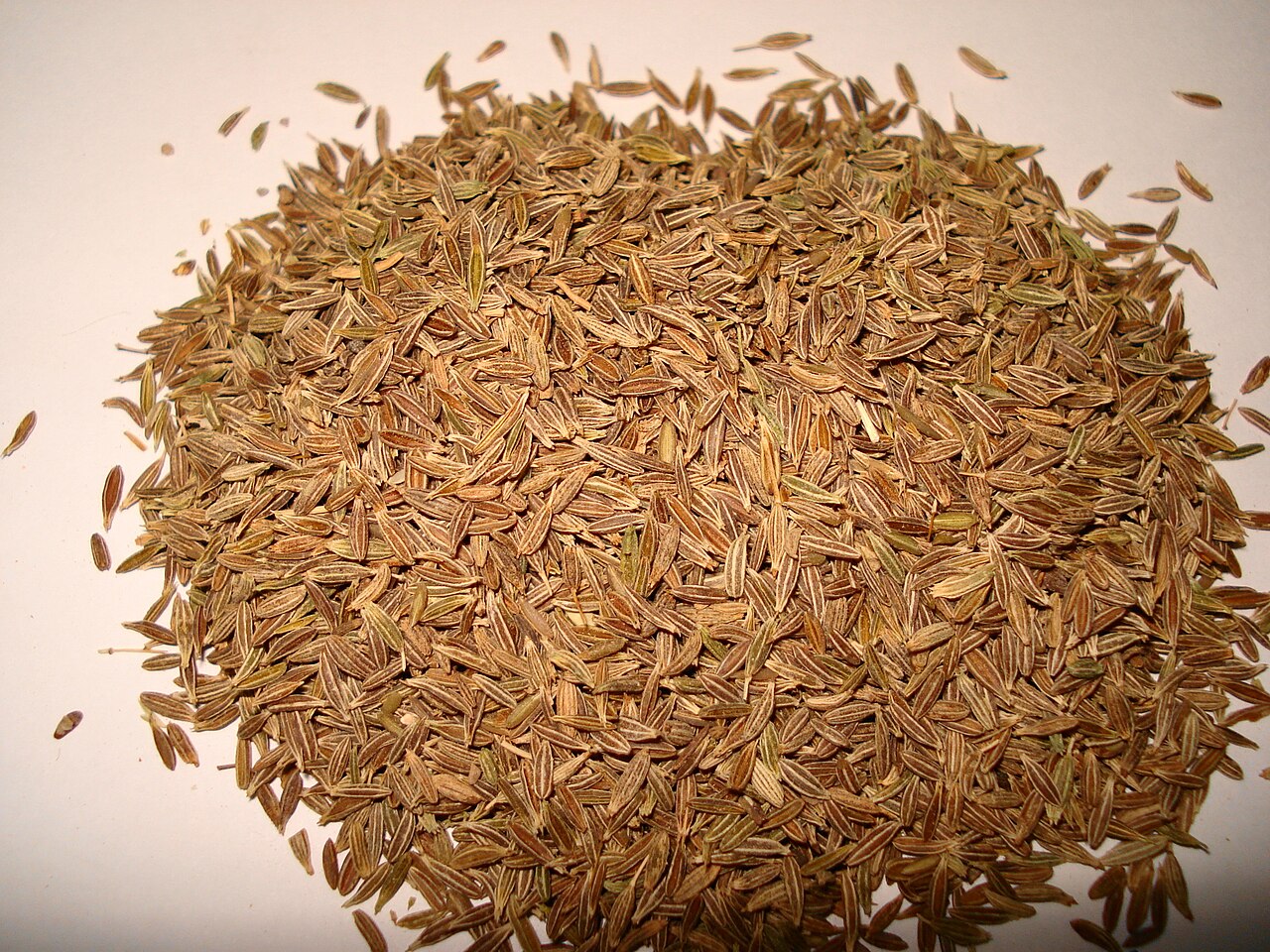
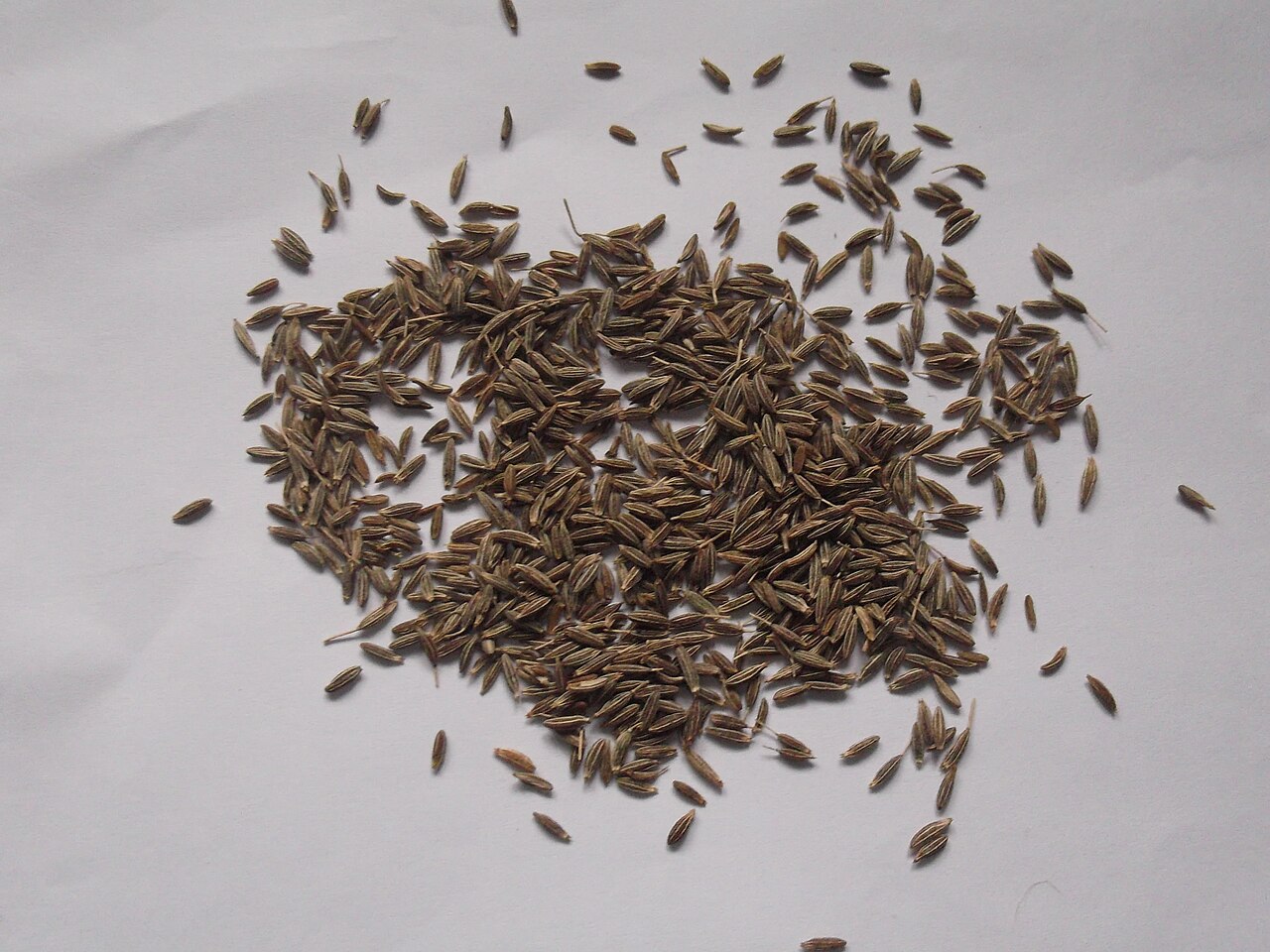
Photos show the species, since no cultivar-specific photo verified for this variety — the species photos above are already hosted on this site and attributed as on the species guide.
Why this variety
GC-5 is the early-maturing Gujarat cumin: about 92 days to seed, wilt-resistant, and roughly 38 percent higher-yielding than the older GC-2 in Indian comparisons, averaging about 6.86 quintals per hectare. For most growers that is a nice set of numbers; for Florida growers it is the single most important number in this whole group.
Why? Because Florida cumin is a race against the summer rains. Every week you shave off the season is a week less exposure to humidity, blight, and mold on ripening seed. GC-5’s 92-day fuse gives a fall-sown crop the best odds of finishing dry — which makes it, on paper, the smartest first cumin to trial in Florida.
How to grow
Direct-sow where it will grow, shallowly, in a well-drained bed at the hero spacing. Cumin is a rabi-season crop in its home country — sown in the cool, dry winter and ripened in dry heat — so in Florida the honest window is a fall sowing that grows through the dry season and ripens before the summer rains arrive.
Give cumin the driest, sunniest, best-drained bed you have, ideally a raised bed that never puddles. Cumin’s great enemy in Florida is not cold but wet: humidity and rain on ripening seed bring blight and mold, and a plant that stands in water will wilt from Fusarium whether or not its variety resists it. Drainage is the variety trial you control.
Water & feeding
Water sparingly and at the base. Cumin is a dryland crop: steady light moisture while plants establish, then back off as seed ripens. Overwatering is the fastest way to lose a Florida cumin crop, and mulch should be light and airy, not a wet blanket.
Feed lightly: compost at planting is usually enough. Cumin is not a heavy feeder, and excess nitrogen grows soft, disease-prone foliage in humid air. If the bed grew a legume before cumin, that is a bonus, not a problem.
Common problems
- Fusarium wilt — the classic cumin killer; wilt-resistant varieties help, but drainage and rotation help more
- Blight and powdery mildew — humidity diseases; space for airflow, water at the base, and ripen seed in dry weather
- Aphids — cluster on flower heads and young seed; blast off with water
- Shattering — seed falls if you wait too long; harvest when umbels brown and seed feels firm
Harvest
Harvest at about 92 days, when plants yellow and umbels brown — do not wait for every last seed, or the earliest will shatter. Cut, dry under cover, thresh, and winnow.
Toast GC-5 seed lightly before grinding: its earliness does not change its flavor, which is the warm, earthy cumin note that anchors chili and curry. Early does not mean mild here — it means finished, which in Florida is a flavor all its own.
Browse all plant & pest guides
Saving seeds
GC-5 is a public-bred early-maturing Gujarat cumin selection, not a hybrid, so saved seed comes true; its 92-day season is the best shot at finishing dry seed before the summer rains. The full method is in the Saving seeds section of the Cumin guide.