
🌿 CO-1 Fenugreek
What it looks like
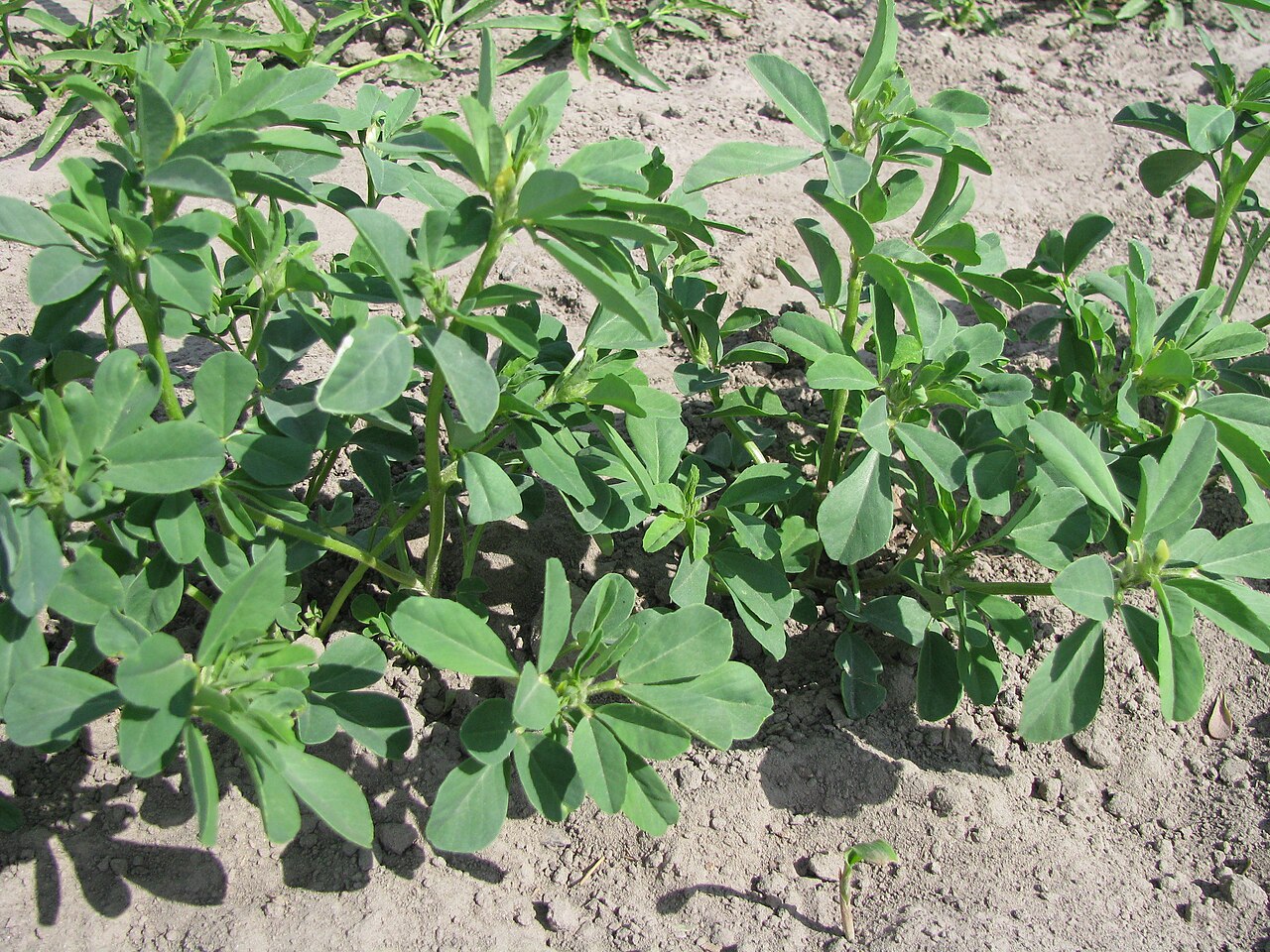
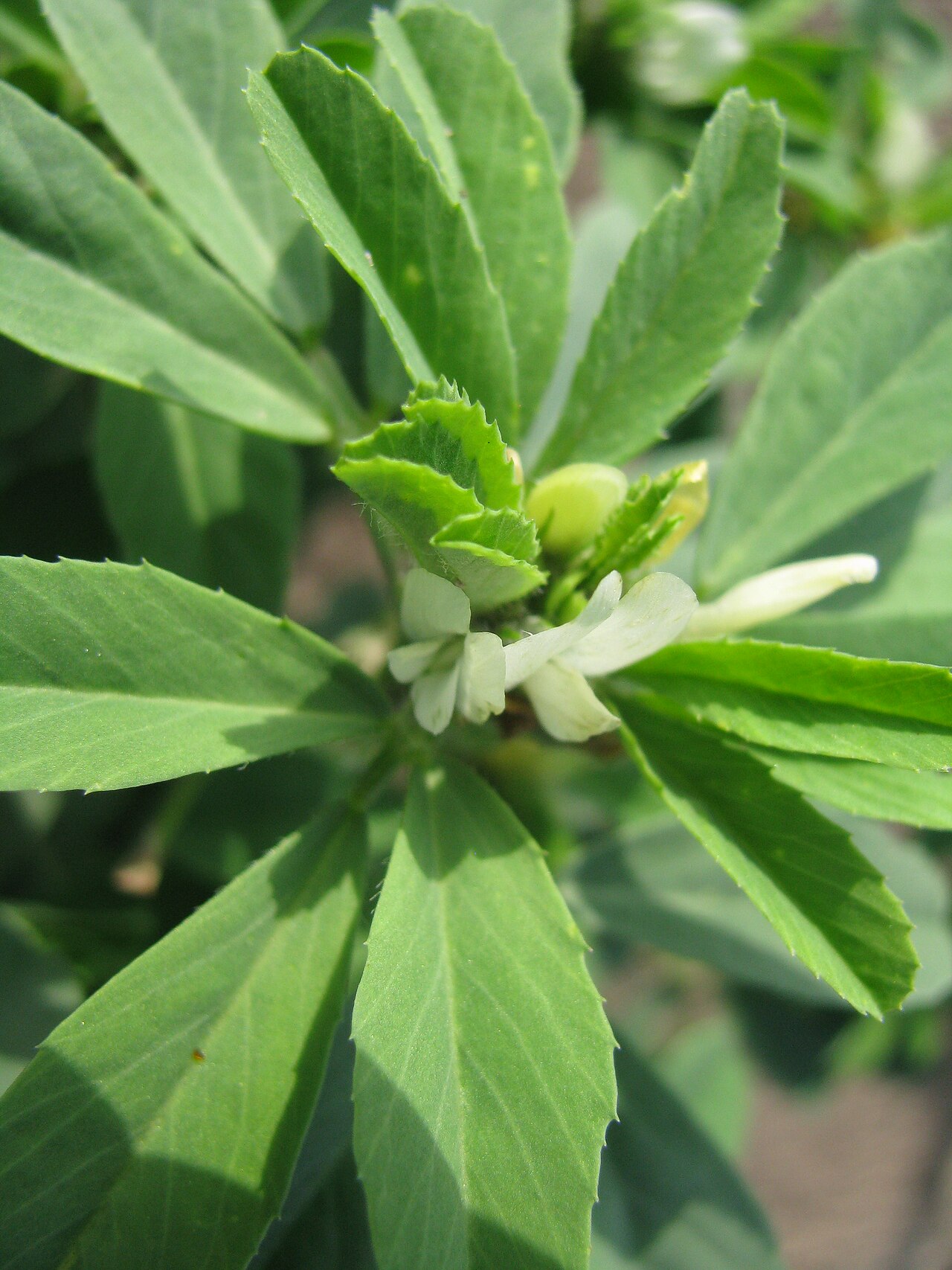
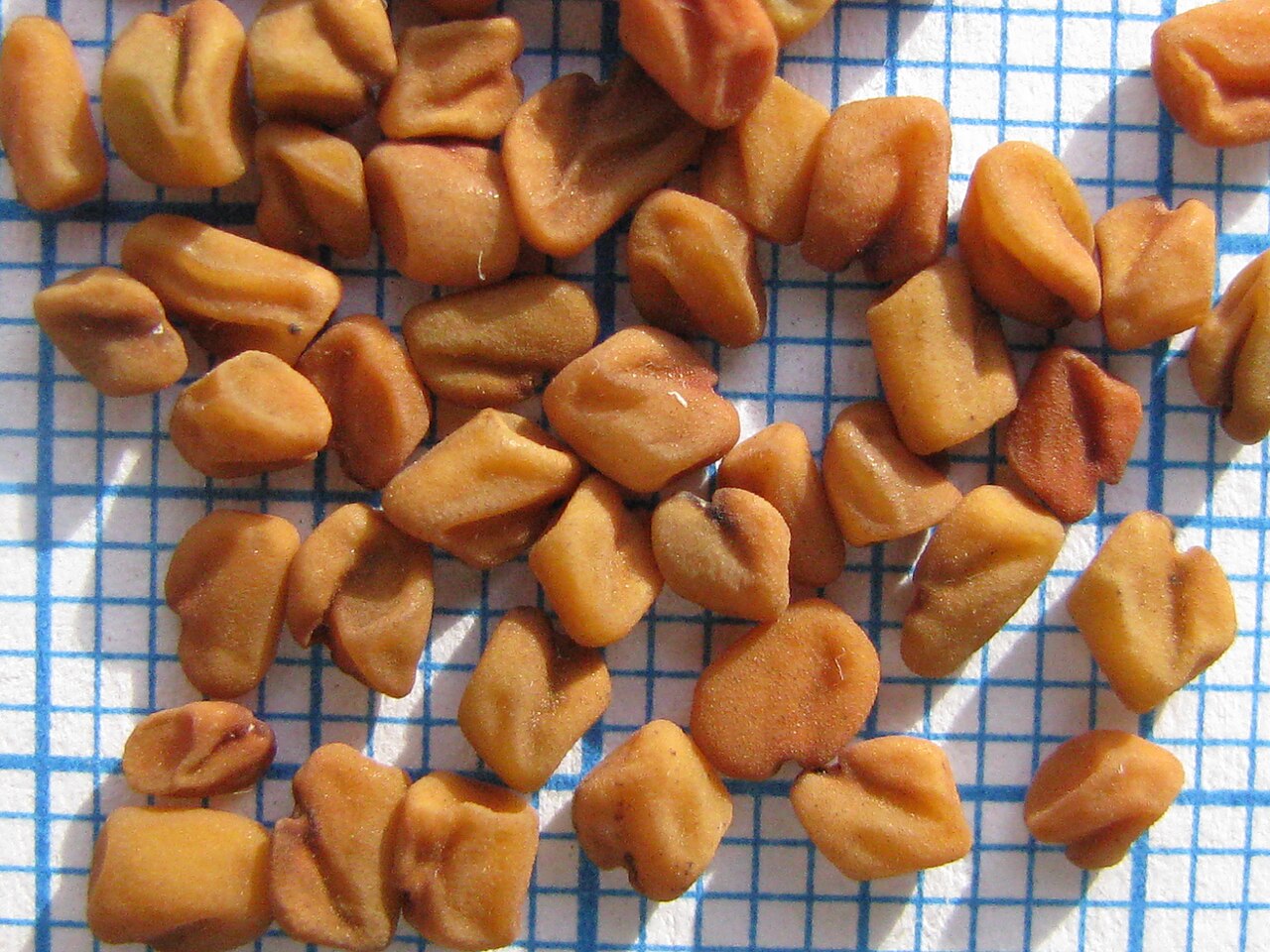
Photos show the species, since no cultivar-specific photo verified for this variety — the species photos above are already hosted on this site and attributed as on the species guide.
Why this variety
CO-1, from Tamil Nadu Agricultural University at Coimbatore, is described as a quick-growing, dual-purpose fenugreek with resistance to root rot. Dual-purpose is the key word: most fenugreek varieties lean leaf or seed, but CO-1 was selected to do both jobs — cut leaves early, then let the regrowth run to seed.
In Florida, CO-1’s root-rot resistance is the trait that earns its bed. Winter beds here can stay wet after a cold front, and root rot is what turns a promising fenugreek patch into mush. A quick, dual-purpose, rot-resistant variety is the sensible first fenugreek for a Florida gardener who wants both methi leaves and a jar of seed.
How to grow
Direct-sow where it will grow, about 1/4 to 1/2 inch deep, at the hero spacing in a well-drained bed. Fenugreek is a legume, so it fixes its own nitrogen — inoculant is optional in a bed that has grown legumes before, and the plants will still perform without it.
In Florida, sow in fall through early spring. Fenugreek is a cool-season annual that bolts and sulks in summer heat, so the fall-through-spring window is the whole crop: leaves in a month, seed a few months later, and then the bed is free for summer crops. Succession-sow leaves every two to three weeks for a steady supply.
Water & feeding
Water evenly while plants establish, then water at the base and let the top of the soil dry between waterings. Fenugreek tolerates dry soil better than wet feet, and Florida’s winter dry season suits it — the danger is a soggy bed, not a dry week.
Feed lightly or not at all: as a nitrogen-fixer, fenugreek needs phosphorus and potassium more than nitrogen, and compost at planting is usually enough. Heavy nitrogen fertilizer on a legume is mostly a donation to the weeds.
Common problems
- Powdery mildew — the classic fenugreek disease in humid air; space for airflow, water at the base, and choose resistant varieties
- Root rot — wet feet in heavy soil; raised beds and drainage are the cure, not fungicide
- Leaf spot and Cercospora — remove affected leaves, rotate beds, and do not overhead-water
- Aphids — cluster on tender growth; blast off with water
Harvest
Cut leaves from about 30 to 40 days, taking outer leaves and letting the center keep growing — or cut whole young plants for a bunching harvest and sow again. For seed, stop cutting, let plants flower and pod, and harvest when pods yellow and rattle.
Use fresh leaves in curries, dal, and flatbreads, and dry the rest for kasuri-style methi: the dried leaf is where fenugreek’s maple scent concentrates. Seed, toasted lightly, seasons pickles and spice blends — a little goes a long way, because fenugreek seed is bitter in a way that punishes enthusiasm.
Browse all plant & pest guides
Saving seeds
CO-1 is a dual-purpose fenugreek bred to give both leaves and seed, and fenugreek comes true from seed — let the regrowth run to seed and save it from your best plants. The full method is in the Saving seeds section of the Fenugreek guide.